Lone Star Lake is small compared to most other Kansas lakes.
Its surface area encompasses a mere 185 acres.
Yet the WorldAtlas website still lists that body of water in Douglas County in northeast Kansas as being one of the seven “most snake-infested lakes in Kansas.”
Kansas has had one snake bite fatality since 1950
Though it’s landlocked, Kansas is home to 42 different native species of snakes, which are active between late March and November, says the website of the Kansas Department of Wildlife and Parks.
Four native snakes that residents might encounter here are venomous, that site said.
Kansas has had only one snake bite fatality since 1950, according to “A Pocket Guide to Kansas Snakes,” which was written by Joseph T. Collins, Suzanne L. Collins and Travis W. Taggart and is on its sixth edition after initially being published in 2011.
Those enjoying state’s lakes are likely to cross paths with a snake
The Sunflower State’s relative dearth of snake bite fatalities “doesn’t make it any less unsettling to come across one in the wild if you’re the least bit skittish about snakes,” says WorldAtlas.
It adds, “More than likely, if you’re enjoying one of the many beautiful lakes Kansas has to offer, you will cross paths with one or two.”
Here are the seven bodies of water, each of them man-made, that WorldAtlas says are the most snake-infested lakes in Kansas.
Lone Star Lake
Construction was completed in 1939 on Lone Star Lake.
“Visitors enjoy camping, water recreation, fishing and so much more, making it an attractive destination for those who enjoy the great outdoors,” says WorldAtlas. “It may also be an attractive destination for snakes as well, providing a naturally abundant habitat for certain species to thrive.”
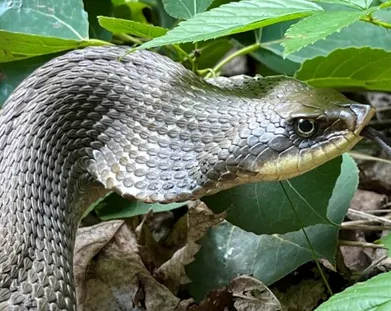
One of those species is the rough green snake, which is most active during the day and has a bright green, slender body and yellow underbelly, WorldAtlas said.
“If one slithers past your toes as you’re hiking nearby trails around the lake, you can rest assured they are completely harmless,” it said. “The rough green snake’s diet consists only of insects.”
Clinton Lake
Construction was completed in 1975 on the dam at Clinton Lake, which is also located in Douglas County.
Prized for its clear blue waters, Clinton Lake is used for boating, fishing and recreation and provides more than 50 miles of hiking trails, WorldAtlas says.
The lake encompasses a surface area of 9,200 acres and provides a habitat for many animals, including gulls, great blue herons, cormorants and white-tailed deer, it says.
“The gopher snake is one of the snake species to watch out for at Clinton Lake, easily identified because it will often hiss if approached, most likely hiding in the nearby woods,” says the WorldAtlas site. “Though it surely can cause fright if encountered, don’t let its hiss scare you; the gopher snake is totally harmless.”
Falls River Lake
Construction was completed in 1948 on Fall River Lake, which encompasses a surface area of 2,330 acres in Greenwood County in southeast Kansas.
The region where Fall River Lake is located includes savannahs, tallgrass prairies and a wide range of plant life thriving within forested floodplains, says WorldAtlas.
The lake is surround by 9,000 acres of protected wildlife area where doves, quail and other animals thrive, it says.
Fall River Lake is also home to the diamondback water snake, known for its “dark spots shaped like half moons on a yellow belly,” WorldAtlas said.