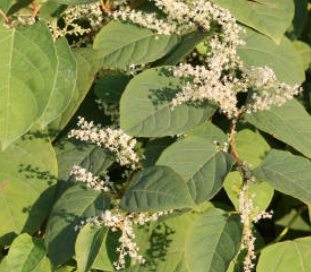
Knotweed, or knotgrass, is an aggressive warm season annual that reproduces by seed. It germinates in early spring resembling grass. Later in the season it develops into a flat mat up to two feet in diameter. The stems are slender and wiry with a papery sheath at each node giving them a knotted or swollen appearance.
Knotweed is commonly found in poor quality soils. This includes areas of compaction with poor fertility as often occurs near busy walkways. Lawns with thin turf are susceptible to knotweed, particularly those with heavy traffic such as athletic fields.
Proper maintenance is the first step to controlling knotweed. Minimize/reduce soil compaction and manage turf density with recommended care protocols.
Knotweed germinates in late February to early March so if you plan to use a preemergence, it should be applied in late fall. If you will be re-seeding your lawn in the spring, DON’T use a preemergence. Contact your local Extension agent for recommendations on knotweed control.
To read more about knotweed, visit K-State’s Turfgrass resource: Knotweed.