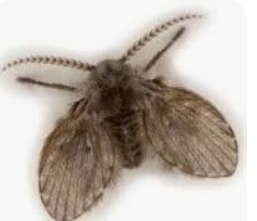
In many Kansas homes, the discovery often begins the same way. A small insect appears on the bathroom wall near the sink or shower. It looks almost like a tiny moth, with fuzzy wings and a slow, fluttering flight. At first, homeowners may assume it wandered in from outside through a window or door. But then another one appears the next day. And another the day after that.
These insects are commonly known as drain flies, sometimes called moth flies or sink flies. Although they are tiny and mostly harmless, their presence often raises questions for homeowners because they seem to appear repeatedly in the same areas. Bathrooms, laundry rooms, and kitchen sinks are the places where they show up most frequently.
What most Kansas homeowners do not realize is that drain flies are rarely just passing through the house. In many cases, they are actually developing inside the plumbing system itself. The drains that carry water away from sinks and showers can also create small ecosystems where insects are able to live and reproduce.
The combination of moisture, organic debris, and protected spaces inside pipes makes household drains surprisingly suitable environments for certain insects. Over time, thin layers of organic residue accumulate inside pipes. These layers provide food and shelter for tiny larvae that eventually develop into adult drain flies.
Although the flies themselves are small and usually harmless, their presence can reveal hidden conditions inside plumbing systems that most people never think about. Understanding how drain flies live, where they come from, and why they often appear in bathrooms helps explain why these insects sometimes become persistent household visitors.
For Kansas homeowners, learning about drain flies offers insight into the unseen environment inside pipes and drains. What seems like a minor nuisance is actually a small example of how insects adapt to the moisture-rich spaces humans create within their homes.
Drain flies belong to a group of insects in the family Psychodidae, which includes several species adapted to moist environments. These insects are sometimes called moth flies because their wings are covered with fine hairs that give them a fuzzy appearance.
Most adult drain flies are extremely small, usually measuring between two and five millimeters long. Their wings are broad compared to their body size, which contributes to their slow, fluttering flight.
When resting, drain flies hold their wings roof-like over their bodies. This shape gives them a triangular appearance that resembles a miniature moth.
Unlike many other household flies, drain flies are weak fliers. They typically move only short distances before landing again on nearby surfaces.
Because of this limited flight ability, they often remain close to the place where they developed. This is why they are commonly seen resting on bathroom walls, ceilings, mirrors, or tiles near drains.
Their quiet behavior often makes them easy to overlook at first. Many homeowners only notice them when several appear over a short period of time.
Why Bathroom Drains Attract These Insects
Bathrooms provide exactly the kind of environment drain flies need to survive.
Every time water flows through a sink or shower, small amounts of organic material enter the drain. This material may include soap residue, hair, skin cells, toothpaste, shampoo, and microscopic debris.
Over time, these substances accumulate inside the drainpipe and create a thin, sticky layer called biofilm. This layer forms along the interior surfaces of pipes where moisture remains constant.
Biofilm contains bacteria, fungi, and decomposing organic matter. For drain fly larvae, it becomes an ideal food source.
The dark, moist environment inside the pipe also protects the developing insects from predators and disturbances.
Kansas homes often experience humidity fluctuations, especially during warm months. When bathrooms are used frequently, moisture levels inside drains remain high, helping these insects complete their life cycle.
Because these conditions exist in many homes, drain flies can appear even in houses that are otherwise very clean.
The Hidden Life Cycle Inside Your Plumbing
Most people only see the adult flies resting near drains, but the majority of the drain fly life cycle occurs out of sight.
The cycle begins when a female fly lays eggs inside the organic film lining the drainpipe. A single female may lay dozens of eggs in these moist environments.
Within a few days, the eggs hatch into larvae. These larvae resemble tiny worm-like creatures and live entirely within the biofilm inside the pipe.
The larvae feed on microorganisms, bacteria, and decomposing organic material present in the drain.
This feeding stage can last several days or even weeks depending on environmental conditions.
After the larval stage, the insects enter the pupal stage, during which they transform into adult flies.
Once fully developed, the adult flies emerge from the drain and move into the bathroom.
There they begin searching for mates and suitable places to lay eggs, starting the cycle again.
Because this process occurs mostly inside pipes, homeowners rarely realize an insect population is developing until adults begin appearing in the room.
Why Drain Flies Seem to Appear Suddenly
One of the most puzzling aspects of drain fly infestations is how quickly they seem to appear.
A bathroom may remain free of visible insects for weeks or months. Then suddenly several small flies begin appearing near the sink or shower.
This sudden appearance usually occurs when multiple adult flies emerge from the drain at the same time.
Since the larvae develop hidden within the pipe, their presence goes unnoticed until they reach adulthood.
Warm temperatures can accelerate the development of these insects. During summer months in Kansas, the life cycle may progress more quickly.
Higher humidity also encourages bacterial growth inside pipes, providing more food for larvae.
When these conditions align, several generations of drain flies can emerge in rapid succession, creating the impression of a sudden infestation.
Why They Prefer Bathrooms Over Other Rooms
Although drain flies can appear in kitchens or laundry rooms, bathrooms are among their most common locations.
Bathrooms contain several drains in close proximity, including sinks, bathtubs, and showers.
These drains are used frequently, which keeps the interior of the pipes moist.
Warm water from showers and baths increases humidity levels inside the plumbing system.
Soap residue and personal care products contribute additional organic material that larvae can feed on.
Because bathrooms combine moisture, organic residue, and sheltered environments, they often become the primary breeding site for drain flies.
Are Drain Flies Dangerous?
For most homeowners, drain flies are primarily a nuisance rather than a serious health concern.
They do not bite or sting and are not known to transmit diseases to humans.
Adult drain flies usually feed on nectar or other liquid substances in natural environments.
Inside homes, they may survive for long periods without feeding.
However, their presence can indicate the buildup of organic material inside plumbing systems.
This buildup can sometimes produce unpleasant odors or attract other insects.
While the flies themselves are harmless, addressing the underlying conditions inside drains can improve overall household sanitation.
Final Thoughts
Bathroom drain flies are one of the most common yet misunderstood household insects encountered by Kansas homeowners. Their quiet presence often leads people to assume they simply wandered indoors from outside environments.
In reality, these insects usually originate within the plumbing system itself. The organic residue that accumulates inside pipes creates a hidden habitat where larvae can develop undetected.
Although the flies themselves are small and mostly harmless, their appearance reveals the complex microenvironments that exist inside everyday household infrastructure.
Understanding how drain flies live and reproduce helps explain why they sometimes appear repeatedly in bathrooms. What seems like a simple nuisance is actually a glimpse into the miniature ecosystems developing quietly inside the pipes that run beneath every home.