The Kansas Department of Agriculture and the Kansas Association of Conservation Districts are pleased to share a new foundational report on Kansas Grasslands that highlights the importance of grasslands to the state and identifies action steps to continue and enhance the conservation of those grasslands for the future of Kansas.
KDA has been working in partnership with the Kansas Association of Conservation Districts, with the support of the Natural Resources Conservation Service, on a joint project to determine action steps to encourage and support efforts to assist Kansans in the conservation of their working grasslands. The initiative included a series of in-person discussions around the state and a public survey. The input received from ranchers, landowners and other interested Kansans was compiled into a final Issue Brief which was shared with project participants and posted on the KDA website today.
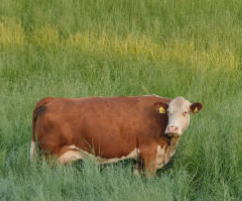
Native grasslands make up more than 15 million acres of agricultural land in Kansas. In addition to other ecological and economic benefits, these grasslands serve a critical role as grazing land for cattle. As the state’s largest agricultural industry, the beef industry provides income and economic prosperity to thousands of Kansas ranchers, businesses, and workers throughout the state.
The Kansas Grasslands Issue Brief outlines actionable steps to keep this valuable natural resource in healthy working condition. It includes information to help educate a broad audience about the importance of working grasslands, as well as action steps that could be taken to improve and conserve working grasslands for future generations. The final product has been reviewed by a technical team of researchers to make sure the science is strong, and it has been informed and reviewed by ranchers to make sure it is accurate and reflects their work and experience.
“This Issue Brief will be an important resource to make sure we can continue to help ranchers and landowners with their work to ensure the long-term sustainability of rangelands,” said Dan Meyerhoff, executive director of the Kansas Association of Conservation Districts. “It is a great example of what can happen when ranchers, researchers, state and federal agencies, and non-governmental organizations come together to pursue long-term change.”
The contributors of this project encourage all Kansans to read the report and learn how we can all work together to ensure that grasslands continue to be a productive, valuable resource for generations of Kansans to come. Find the Issue Brief and other materials related to the Kansas Grasslands project at www.agriculture.ks.gov/