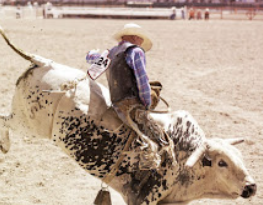
Changes are coming to the arena at Cheyenne Frontier Days in Wyoming this summer, and as with most changes to long-standing traditions, the response from the rodeo community has been spirited.
Known as the “Daddy of ’Em All,” Cheyenne Frontier Days has been a celebratory cornerstone of Western culture since 1897. The 2026 event will run July 17–26 and will introduce a revised competition format that organizers say is designed to address a number of modern challenges facing large rodeos.
According to CEO Tom Hirsig, who began volunteering in the Cheyenne Frontier Days arena at just 10 years old, the change has been under discussion for several years and stems from several realities affecting rodeo production today including rising livestock costs, limited arena space, and changes in how contestants travel.
“Cattle prices are finally where ranchers can make a living,” Hirsig said. “That’s a good thing for agriculture, but it also means rodeos are paying significantly more for stock.”
He noted that last year, Cheyenne contracted roughly 275 calves for competition, with the cost of livestock alone exceeding $350 per calf roper. Unlike jackpot competitions, professional rodeos cannot deduct livestock costs directly from contestant entry fees, meaning rodeo committees carry much of the expense up front.
The situation has been further complicated by livestock shortages tied to border restrictions, which have reduced the availability of certain steers traditionally used in events such as steer wrestling.
Another factor causing major hurdles is space. Modern rodeo contestants often travel with large living-quarters trailers and equipment rigs, requiring significantly more room than the smaller setups common decades ago.
“We’ve been battling space for years,” Hirsig said. “The rigs are bigger, the footprint is bigger, and it makes accommodating large numbers of contestants much more difficult.”
The biggest change for 2026 comes in how contestants qualify to compete at the “Daddy of ’Em All.”
In past years, many of Cheyenne’s timed events relied heavily on slack rounds, large qualifying runs that allowed hundreds of competitors to enter before the field narrowed.
This year, organizers are shifting toward a bracket-style format that moves contestants through a series of progressive rounds. Rough stock events will largely remain unchanged, while timed events will advance competitors through preliminary rounds, semifinals, and a championship final.
Steer roping will remain the only event retaining slack rounds, with competitors narrowing to the top 12 for the final round during the performances.
Contestants in timed events will qualify through a combination of world standings, circuit placements, and a group of designated qualifying rodeos selected by the PRCA and WPRA. Winners from those events will automatically earn a spot at Cheyenne, while other competitors may qualify through standings or circuit rankings.
Hirsig said the goal is to maintain a strong competition format while ensuring the event remains sustainable for the long term.
At the same time, Cheyenne Frontier Days draws a uniquely broad audience. Hirsig estimates that roughly 85 percent of ticket buyers either attend only one rodeo a year, Cheyenne, or have never been to a rodeo before.
That mix of long-time rodeo fans and first-time visitors has helped keep the historic Wyoming event thriving for more than a century.
As the rodeo world continues to evolve, Hirsig says Cheyenne Frontier Days is simply working to balance tradition with the practical realities of producing one of the largest rodeos in the country.
By Amber Hardin, Range Magazine