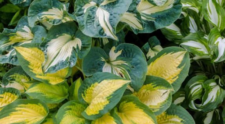
Anyone with a shady spot to fill can attest to the value of hostas. They’ll happily grow where other plants fail. To ensure your hostas thrive, avoid these common mistakes:
Ignoring slug issues. Slugs and snails view hostas as an invitation to the buffet table. Thick-leaved hostas are more resilient, but damage can still occur. Fortunately, there are some simple precautions you can take to keep slugs and snails from attacking your hostas.
Overlooking protection from deer. Hostas have been called deer candy. Where deer are prevalent, the plants will need protection. You can spray them with an animal repellent or install physical barriers. Some people keep deer away with a perimeter of string or fishing line; when the deer run into it unexpectedly, it scares them and they run off. Just mark the lines so pedestrians see them and don’t trip.
Creating a plant museum. Planting one of each variety may please the plant collector, but it won’t please the visual senses. It’s not how nature operates, and the resulting artificial look appears unattractive at best, jarring at worst. Hostas (and many other plants) look more natural when grouped in odd numbers. Careful design will give your landscaping a cohesive look.
Going overboard with variegation. Too many variegated hostas make the garden look spotty. It’s better to plant in moderation and in small drifts rather than scattershot. For the best effect, surround the variegated hostas with more subtle-colored hostas of green and blue-green.
Pairing the wrong varieties. Planting hostas with white variegation next to hostas with gold variegation is a visual no-no. The two compete with each other and look unnatural together.
Dividing or transplanting at the wrong time. Hostas should be divided every four to five years. Spring is the best time to divide or transplant. Wait until plants are just starting to emerge (they’re easier to spot this way), then dig up, divide, and replant. Temperatures are cooler in the spring and the foliage hasn’t developed yet, so plants won’t be water stressed. Find out which vegetables take the least amount of time to grow.