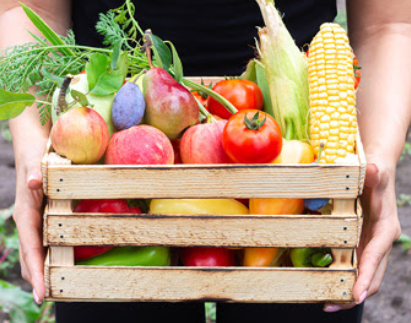
Food shelves are vital resources for keeping our communities nourished. As a gardener, you can positively contribute to your community by donating fresh produce from your garden.
As food shelf visits remain at record highs, with over 9 million visits in 2025, hunger relief leaders continue to express gratitude for the many volunteers and donors who’ve supported them. While the sustained pressure on food sourcing mounts, gardeners may be wondering how they can help.
Here are three things to consider right now if you want to donate fresh fruits and vegetables from your garden this year.
1. Connect
Contact your local food shelf to learn if they accept fresh produce and what produce is most wanted this year. Each community and each food shelf is different, they are often meeting the needs of many taste and cultural food preferences.
Volunteering is a great way to get to know your local food shelf, too. Even volunteering for a few shifts can give you better insight into the community they serve, how donations are processed and how food is distributed.
If you are ready to drop off produce, it’s always good to check their website or social media for schedules, as hours may change from week to week.
2. Grow extra
Spring is the time to think about what you want to grow and can easily do during the growing season. Maybe it is growing one extra tomato plant or some fresh herbs in a container. Maybe you have space and time to grow a whole extra row of produce. You do not have to donate large amounts of produce to make a positive impact in your community. It’s also a great time to ask your local food shelf what types of produce their shoppers look forward to the most in summer.
Commonly requested produce:
- Tomatoes
- Peppers, particularly hot peppers
- Eggplants
- Cucumbers
- Greens
- Onions
- Potatoes
- Green beans and peas
- Herbs
Some food shelves also take seedlings to give to participants in the spring. Make sure the plants are clearly labeled and in individual pots so people know what they are getting.
3. Donation best practices
Make a plan for when you can harvest and take produce to the food shelf. The quality of the produce is important for both the shopper and the food shelf. For example, if the food shelf is not open over the weekend, avoid dropping off produce on Friday afternoons. The produce may sit and spoil over the weekend rather than being taken home and used by shoppers.
Food shelves cannot accept:
Once your produce is ready to harvest, make sure you follow best practices:
- Wash your hands before harvesting, and ask a family member or friend to harvest if you are sick.
- Put harvested produce in a clean bag or box.
- Produce needs to be whole, not cut or damaged.
- Do not donate canned, dried, frozen or pre-cut foods.
- Brush-off dirt and debris before bringing produce to the food shelf.
- Do not wash highly perishable produce like berries or greens as it drastically decreases their shelf-life.