When we see the first bit of green finally break through the earth or bud form on a tree outside our window, we know spring has indeed sprung. That’s when many of us start to think of our pollinator friends and what we can do to help them as our plants begin to grow and bloom.
But what about the dog days of summer? Although the Texas climate may have gardens looking less than lovely by August, pollinators will still need us. With a little advance planning now, we can support pollinators through the sweltering months and into fall.
Some popular garden plants like roses are usually self-pollinated or pollinated by the wind, but most of the flowers you can buy at a nursery are going to attract and need pollinators. Around 80% of flowering plants need pollinators to reproduce, and over three-quarter of the staple crops that feed people and livestock do too.
Thinking locally is a great way to help pollinators. Using plants native to your region can add some extra help to support both native and other pollinators, and native plants will be better suited for the soil and climate. With any plant, planting a cluster of several of the same type will make it easier for pollinators to find them. A bonus to attracting pollinators is that your local wildflower populations may also increase.
Top tips for supporting pollinators from a Texas A&M AgriLife expert
Molly Keck, Texas A&M AgriLife Extension Service integrated pest management program specialist in the Texas A&M Department of Entomology and serving Bexar County, offers some science-based advice to keep pollinators around and thriving during the hottest months.
Overlap blooms. Pollinators need flowers that bloom at different times of the year. An array of flower varieties that peak after others fade are ideal. Native and drought-tolerant species are also good additions to a garden or landscape. By planting from spring into fall, you can extend pollinators’ resources.
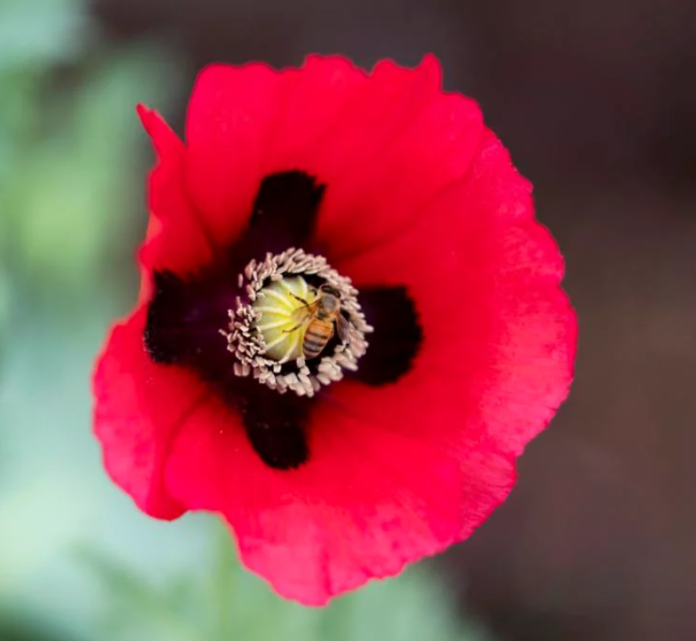
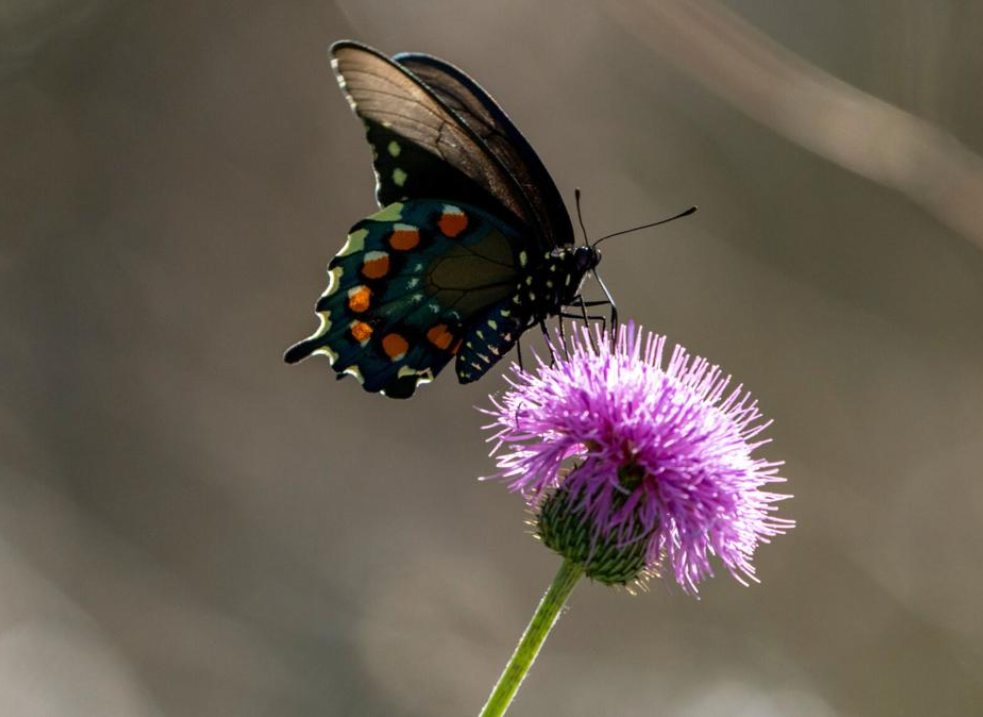
Be colorful. Plant flowers in a variety of colors since different pollinators are attracted to different colors. Keck said bumblebees are attracted to blues and purples, whereas other bees are more attracted to yellows or whites. She suggests adding some really bright colors like oranges and pinks to your garden to draw in butterflies. Red isn’t seen well by bees, so red flowers with a contrasting center are usually a better bet. If you plant colors, they will come.
Add shapes and sizes. Pollinators’ flower preferences come in all shapes and sizes, so variety is also key. Some like deeper or more open bowls, since pollinators have preferences as to the way they collect pollen or feed on nectar. Be aware that some of the more modern hybrid flowers with “doubled” flowers—what looks like many petals or a flower within a flower—may lack the pollen, nectar or fragrance pollinators seek out. In pursuit of the best-looking bloom, some plant breeders have left out what pollinators need. In other words, avoid those that are all show but may lack substance.
Easy on the pesticide, please. Keck said many people mistakenly believe that if they don’t use pesticide, their plant won’t flower. She said if you feel you have to apply pesticide, do it in the evening when most of the pollinators have “gone to bed.” That will hopefully give the pesticide time to dry before morning. Never spray the inside of a flower. If a plant is flowering, it most likely doesn’t need help since it takes a tremendous amount of energy to bloom in the first place, which wouldn’t happen if it was stressed. Also make sure to read and follow the label and be aware of toxic ingredients.
Give them shelter. Providing pollinators with shelter is another way to support their numbers. Houses for bees and other pollinators can be purchased online, at home and garden stores or you can even make your own using tubes. And whereas honeybees group in hives, most insect pollinators are solitary dwellers and most bees actually live underground. Some pollinators, like mason bees, need mud to line their homes. Keeping a bit of mud near your garden is a helpful way to aid with their construction.
Bees are the “bee’s knees” among pollinators, Keck said.
“Bees are the best because they are actively going after the pollen,” Keck said. “Their body is really fuzzy, so they pick up a bunch of that pollen and then they accidentally drop it off as they bounce from flower to flower.”
When most people think of pollinators, and bees in general, they typically think of honeybees and maybe bumblebees, Keck said.
“But there’s actually a lot of different species of native bees that are great pollinators that we often overlook because they’re small or we just assume they are honeybees because of how they look,” she said.
Pollinators: Beyond bees