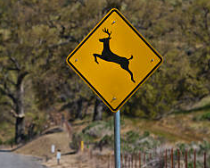
You’re driving through Kansas when a deer jumps in front of your car. After the collision, you wonder if you can legally take the animal home instead of leaving it on the roadside. In Kansas, you can legally claim roadkill, but you need to follow specific rules and obtain proper documentation through a salvage tag system.
Last year, more than 10,000 car accidents in Kansas involved collisions with animals, according to the Kansas Department of Transportation. These crashes happen year-round, though deer collisions peak between October and December. Understanding your rights and responsibilities after hitting an animal can help you make informed decisions while staying within the law.
This guide covers everything you need to know about Kansas roadkill laws. You’ll learn the legal process for claiming animals, which species you can salvage, and what penalties exist for breaking these regulations. Whether you hit an animal yourself or spot roadkill along your route, knowing these rules helps you avoid legal trouble while potentially putting meat in your freezer.
Is It Legal to Take Roadkill in Kansas?
Yes, you can legally take roadkill in Kansas, but you need to follow specific rules set by the Kansas Department of Wildlife and Parks.
The type of animal matters when deciding if you can take it home. You’re allowed to collect big game animals like deer and elk, wild turkeys, and other animals that are currently in hunting season. You cannot take just any roadkill you find without proper documentation.
Here’s what you need to do:
- Get a salvage tag from law enforcement or KDWP officials
- Take responsibility for the entire animal
- Make sure the species is eligible for salvage
Kansas Highway Patrol troopers, sheriff’s deputies, and KDWP game wardens can issue salvage tags to you. If you hit an animal with your vehicle, the officer who responds to your accident report can give you a salvage tag on the spot. You can also call local authorities if you find roadkill that you didn’t hit yourself.
One salvage tag covers one animal. If you already have a valid Kansas hunting license, you don’t need a salvage tag for in-season animals you find on roadways.
Remember that taking a salvage tag means you must dispose of the whole animal properly. You can’t just cut off antlers and leave the rest of the carcass. This responsibility includes processing or disposing of all parts you don’t want to keep.
The state handles roadkill disposal on a case-by-case basis when people don’t claim animals.
How to Claim Roadkill in Kansas
If you find a dead deer or turkey on the road in Kansas, you cannot simply take it home without permission. You need to get a salvage tag first.
Who Issues Salvage Tags
Kansas Highway Patrol troopers, sheriff’s deputies, and game wardens can issue salvage tags. Contact one of these officials before you take the animal.
What You Need to Know
Dead big game animals and wild turkeys require salvage tags if you want to possess them outside of hunting season. You cannot cut off antlers from roadkill or found skulls without getting a tag first.
Game animals and furbearers killed during hunting season can be possessed with proper licenses and within legal limits. The salvage tag requirement only applies to big game and turkeys found outside of regular season.
The Claiming Process
Call your local law enforcement or wildlife officer when you find an animal you want to claim. They will come to the location and issue you the proper paperwork. Some counties have simplified this process to make it easier for residents.
Disposal by Authorities
When you do not claim roadkill, KDOT handles each incident on a case-by-case basis. They may bury the animal at an offsite storage area or move it to a roadside ditch.
Always prioritize safety when dealing with roadkill. Never stop on busy highways or put yourself at risk to claim an animal.
What Animals Can You Salvage in Kansas
Kansas law allows you to salvage specific types of roadkill, but you need to understand which animals qualify. Big game animals and wild turkeys require KDWP salvage tags to legally possess outside of hunting season.
Big game animals include deer, elk, and antelope. If you find a doe or buck on the roadside, you can take the entire animal for venison, but only after obtaining proper authorization. You cannot cut off antlers from roadkills or found skulls without getting a salvage tag first.
Animals You Can Salvage:
- Deer (does and bucks)
- Elk
- Antelope
- Wild turkeys
- Furbearers (during appropriate seasons with proper licenses)
Furbearers like raccoons, foxes, and coyotes fall under different rules. You can possess dead furbearers during hunting season if you have the right licenses and stay within legal limits.
Getting Your Salvage Tag
Kansas Highway Patrol troopers, sheriff’s deputies, and KDWP game wardens can issue salvage tags. You must contact one of these officials before taking the animal. Some counties have simplified the process to make it easier for residents to claim roadkill deer.
Small game animals and most other wildlife do not qualify for salvage tags. The program focuses mainly on larger animals that provide substantial meat and resources. Always verify current regulations before attempting to salvage any roadkill.
Penalties for Illegal Roadkill Possession in Kansas
Taking roadkill without proper authorization in Kansas can lead to serious legal trouble. You need specific permission before removing any animal from the roadside.
If you pick up big game like deer or elk without a salvage tag, you could face charges for illegal possession of wildlife. A game warden has the authority to issue citations if you take roadkill without following proper procedures. The penalties depend on the type and number of animals involved.
Key requirements you must follow:
- Obtain a salvage tag from a police officer when filing an accident report
- Contact the sheriff’s department or local officer to get a tag for roadkill you didn’t hit
- Keep your valid kansas hunting license if picking up in-season animals
You face different penalties based on what you take illegally. Taking protected species or animals out of season carries heavier fines. Game wardens regularly patrol roads and check hunters for proper documentation.
Remember these important rules:
- One salvage tag allows you to take only one animal
- You become responsible for the entire carcass once you take it
- You cannot just keep antlers and leave the rest of the deer
Wildlife violations in Kansas can result in fines ranging from hundreds to thousands of dollars. Repeat offenses lead to higher penalties. You might also lose your hunting privileges for a period of time. Keep all required tags and documentation with you when transporting any roadkill to avoid legal problems.
This article, Roadkill Laws in Kansas: What You Need to Know for Safe & Legal Collection, appeared first on Animal of Things. Discover more animal wonders – VISIT Animal of Things NOW AND FOLLOW US FOR FRESH UPDATES!