WASHINGTON, D.C. (Dec. 10, 2025) – The U.S. should do more to address pest and disease outbreaks in agriculture, which are costing the industry billions of dollars and leading to higher food costs for consumers, according to a new report from Farm Journal Foundation.
“THE MEAN SIXTEEN: Major Biosecurity Threats Facing U.S. Agriculture and How Policy Solutions Can Help” takes an in-depth look at 16 of the most significant pest and disease issues facing American farmers today. The report makes a series of policy recommendations for how the government can address these threats and support farmers, such as by increasing funding for agricultural research and development so that producers have better options for prevention and treatment to stop the spread of catastrophic outbreaks.
“Pests and diseases are hurting every single sector within agriculture, including row crops, horticulture and specialty crops, livestock, and aquaculture,” said Dr. Stephanie Mercier, Senior Policy Adviser at Farm Journal Foundation and the author of the report. “For this report, we spoke with leading experts across the country about each industry’s unique challenges, but the bottom line is clear. We need to invest more in agricultural research and innovation, and strengthen systems that monitor and address outbreaks before they get out of control.”
Farm Journal Foundation’s “Mean Sixteen” list includes well-known threats such as New World screwworm in cattle and highly pathogenic avian influenza in poultry, the latter of which has plagued farmers in every state this year and led to a record spike in egg prices. The list also includes a number of biosecurity threats that may not be as widely known to consumers, but are already causing significant damage to the American economy due to lost production and costly response efforts. Some diseases included on the list, such as African swine fever and foot and mouth disease, are not currently present in the U.S. but still pose significant risks due to how rapidly they can spread and the destruction they could potentially cause.
Most of the crop pests and diseases included on the “Mean Sixteen” list do not currently have fully effective treatments, either preventive or post-infection. Certain livestock diseases either do not have existing vaccines, or the vaccines available only provide limited immunity. Crop pests and diseases can also evolve rapidly, frequently developing resistance to available treatments, underscoring the need for ongoing robust investment in agricultural research.
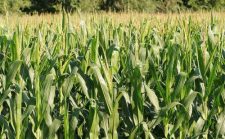
Pests and diseases can cause significant damage to farmers’ profitability. Fungal disease issues like corn ear rot can result in mold that produces aflatoxin, a compound that is highly toxic to both humans and livestock. These quality issues can make corn unmarketable for farmers. Soybean rust is another fungal disease that can be highly damaging, highlighting why monitoring and prevention systems are crucial to keep such diseases in check.
“Farmers urgently need sustained support for aflatoxin research and prevention, because these risks threaten our yields, our markets, and the trust consumers place in American agriculture,” said Annie Dee, Farm Journal Foundation Farmer Ambassador and a row crop farmer from Alabama. “For example, the soybean rust research network shows how effective coordinated, science-based responses can be when we invest in them.”
Public investments in agricultural research are vital for addressing challenges, especially in under-explored research areas, because private sector research can’t cover every area of need. Agricultural R&D has an extremely high return on investment, returning $20 in benefits to the U.S. economy for every $1 spent, according to the U.S. Department of Agriculture.
In spite of this, public funding for agricultural research and development has been declining in real dollars over the past two decades, and recent cuts to international research programs such as the U.S. Innovation Lab System at land-grant universities across the country and CGIAR are particularly concerning. The U.S. should also support public-private partnerships that can respond quickly to biosecurity threats, such as the Foundation for Food and Agriculture Research (FFAR), a successful model that returns $1.40 for every $1 it receives in federal funding.
“International agricultural research and development has huge benefits for American farmers, as well as for smallholder farmers in developing countries who often produce the majority of their nations’ food,” said Katie Lee, Vice President of Government Affairs at Farm Journal Foundation. “Pest and disease issues pose significant threats to U.S. and global food security, and by extension our national security. It’s in America’s best interest to invest in agricultural science, disease monitoring, and prevention now, to address ongoing challenges and stop the next big outbreak before it strikes.”
THE MEAN SIXTEEN LIST
The order in which threats are listed below does not reflect any judgement on their relative severity or costliness – all pose serious challenges for their respective markets. In addition, the number of biosecurity threats facing U.S. agriculture is far greater than 16, and new risks are constantly emerging. Please reference the full research paper for a longer “Dishonorable Mentions” list of additional threats facing U.S. agriculture today.
Looming Threats
These threats aren’t currently present or widespread in the U.S; however, many are spreading around the world and would have devastating consequences if they reached our borders.
- Foot and Mouth Disease (FMD): Cattle, swine, and other ruminant animals
- African Swine Fever (ASF): Swine
- New World Screwworm: Beef and dairy cattle
- Asian Soybean Rust: Soybeans
Current Threats
These pests and diseases are already wreaking havoc on agricultural markets and production in the U.S., creating challenges for farmers, consumers, and economic growth.
- Citrus Greening: Oranges, grapefruits, lemons, and other citrus crops
- Codling Moth: Apples, pears, walnuts, and other fruit and nut trees
- Impatiens Necrotic Spot Virus (INSV): Lettuce
- Palmer Amaranth (Pigweed): Corn, soybeans, and other row crops
- Corn Ear Rot: Corn
- Wheat Rust: Wheat
- Rice Delphacid: Rice
- Soybean Cyst Nematode: Soybeans
- Areolate Mildew: Cotton
- Highly Pathogenic Avian Influenza (HPAI): Poultry and livestock
- Porcine Reproductive and Respiratory Syndrome (PRRS): Swine
- Enteric Septicemia of Catfish (ESC): Catfish