Tuesday, January 13, 2026
Home Blog Page 41

KU News: KU awarded $1.5M teacher professional development grant from US Office of Indian Education

0

From the Office of Public Affairs | https://www.news.ku.edu

Headlines

Contact: Lori Hasselman, Office of Sovereign Partnerships and Indigenous Initiatives, [email protected]
KU awarded $1.5M teacher professional development grant from US Office of Indian Education

LAWRENCE — The University of Kansas has been awarded a $1.5 million grant for The Southern Plains American Indian Teaching Pathways Project, which is a partnership program among the Indigenous Studies Program, Office of Sovereign Partnerships & Indigenous Initiatives and School of Education & Human Sciences, who are working with multiple Native Nations, as well as Haskell Indian Nations University (HINU).

This teacher training professional development program was selected for funding for a five-year term from the Office of Indian Education in the U.S. Department of Education. As director of the Indigenous Studies Program and associate vice chancellor for the Office of Sovereign Partnerships, Alex Red Corn (Osage) is the lead principal investigator on this project. He is joined two by co-PIs, Anna Yonas and Imogen Herrick, both assistant professors in the KU Department of Curriculum & Teaching.

To advance tribal sovereignty in education, this project partners with several Native Nations and school districts across Kansas, Nebraska and Oklahoma (see list below) to train 15 teachers in elementary and middle/secondary education.

This project will begin by recruiting individuals who have earned an associate’s degree (or are currently finishing an AA) and are seeking teaching certification through an additional two years to complete a bachelor’s degree leading to certification at HINU or KU. The grant will provide funds for tuition, fees and monthly living stipends, as well as funding for conference travel, laptops, tablets and books. Upon graduation, the newly certified teachers will be required to work in Native-serving schools, where they will also receive early career mentorship from experienced teachers and cultural leaders found in the project partner network.

“We’re very appreciative of this opportunity from the Office of Indian Education, which is such a critical resource for tribal nations looking to advance sovereignty in education,” Red Corn said. “Also, we were very excited that so many partners were eager to participate in this project from across the region. We look forward to getting started recruiting folks from Native communities and offer them a funded pathway to full teacher licensure through KU and Haskell and continuing to grow our longstanding partnership with Haskell in new and exciting ways.”

Project partners on the application include Haskell Indian Nations University, Prairie Band Potawatomi Nation, Royal Valley Schools, South Brown County Schools, Osage Nation, Daposka Ahnkodapi (Osage Nation School), Quapaw Nation, Cheyenne and Arapaho Tribes, Darlington Public Schools, Umoⁿhoⁿ Nation Public School and Tribal Education Departments National Assembly.

-30-

————————————————————————


KU News Service

1450 Jayhawk Blvd.

Lawrence KS 66045

[email protected]

https://www.news.ku.edu


Erinn Barcomb-Peterson, director of news and media relations, [email protected]


Today’s News is a free service from the Office of Public Affairs

KU News: Critical Materials Crossroads team advances as finalist for NSF award of up to $160M over a decade

0

From the Office of Public Affairs | https://www.news.ku.edu

Headlines

Contact: Brendan Bream, Kansas Geological Survey, 785-864-1632, [email protected]
Critical Materials Crossroads team advances as finalist for National Science Foundation award of up to $160 million over a decade


LAWRENCE — The Critical Materials Crossroads team, led by the University of Missouri-Kansas City in partnership with the University of Kansas and Kansas Geological Survey and in collaboration with others in the region, has been named one of 15 finalists for the National Science Foundation Regional Innovation Engines award.

Critical materials include minerals that are essential to modern life, forming the backbone of products such as medical equipment, cars, industrial machinery and consumer electronics. Yet U.S. manufacturing has declined significantly since the early 1990s, leaving the nation heavily dependent on imported supplies — a vulnerability that poses risks to both economic growth and national security. The Critical Materials Crossroads seeks to reverse this trend by onshoring manufacturing jobs and creating a sustainable pathway to produce these vital critical materials domestically, reducing reliance on foreign entities of concern while strengthening both national and economic security.

Lin Liu, associate professor in the KU Department of Mechanical Engineering, and Brendan Bream, associate director and senior scientist at the Kansas Geological Survey, will participate in the research group led by Anthony Caruso, UMKC. This award complements other critical mineral and critical material awards received at KU and Kansas Geological Survey to evaluate the potential for raw materials in the region as well as downstream applications and engineering.

“I’m glad to be on a team that’s tackling the full critical-materials pipeline — from finding resources to delivering usable inputs for batteries, magnets and microelectronics. At KU, we lead the modeling and validation and deliver digital-twin insights and degradation prognosis that shorten qualification cycles and de-risk scale-up so the region’s strengths turn into real U.S. advantage,” Liu said.

“Understanding the distribution of the resources, the methods to estimate their abundance and concentration, and developing environmentally friendly methods of extraction remain in the interest of our country’s safety and security and will be an important part of the United States’ economic development going forward,” Bream said.

For the final stage, the NSF will conduct an on-site assessment of the finalist teams in January 2026 to gain further understanding of their regional coalitions, the alignment of their proposed leadership teams and core partners, and their visions for research and development. The NSF will announce the NSF Engines awardees in early 2026.

If selected, the Critical Materials Crossroads could receive up to $160 million over the next 10 years to drive workforce development, spur regional economic growth, launch new businesses and educate the next generation of leaders in critical materials.

This announcement follows a significant achievement in July 2025, when the Critical Materials Crossroads team advanced as one of 29 semifinalists for the National Science Foundation Regional Innovation Engines award.

In May 2023, UMKC received a $1 million, 24-month federal cooperative agreement to lead the development of a critical materials ecosystem in Kansas City. Since that award, the Critical Materials Crossroads has been building momentum to create a vertically integrated hub for critical materials processing, technology development, applied research and workforce training in the heart of the nation. The overarching goal of the project is to ensure the United States can produce, refine and deploy critical materials domestically while strengthening economic security, national resilience and global competitiveness.

The Critical Materials Crossroads ecosystem has leveraged partnerships with universities; businesses; industry; nonprofits; and state, local and federal government institutions in Kansas and Missouri to drive significant economic growth. To accomplish such growth, the regional partnership coalition is working together to develop a domestic critical materials supply chain and fostering advanced domestic manufacturing capabilities while promoting broad access to employment and entrepreneurship.

Caruso, vice chancellor for strategic initiatives and UMKC Curators’ Distinguished Professor of Physics and Electrical Engineering, is the principal investigator for the grant.

“Being selected as an NSF Engines finalist is an extraordinary honor for the Critical Materials Crossroads and for the Kansas City region,” Caruso said. “The NSF recognition underscores the strength of our partnerships across universities, industry and community organizations that have made this achievement possible. Together, we are positioning Kansas City as a national leader in critical materials innovation, workforce development and regional economic growth.”

Key outcomes for the regional innovation ecosystem over the next 10 years include:

Coordinate, facilitate and mentor the creation of 70 small businesses in Missouri and Kansas.
Add $17 billion to the Kansas City Metropolitan Statistical Area and create more than 10,000 jobs.
Secure a sustainable and competitive U.S.-based supply chain for critical materials processing and manufacturing.
Create, maintain and professionally develop a pipeline of targeted degree/certificate holders to meet workforce needs.
Be the catalyst and trusted partner for U.S. critical material processing and manufacturing that drives innovation.
Develop a technology maturation network that rapidly scales new technologies from lab-scale to full-scale by providing centralized business support services and funding for startups and new innovations.

“KU Engineering is a proud partner in this project. It highlights the KU mechanical engineering department’s commitment to excellence in energy research,” said Lisa Friis, department chair.

-30-

————————————————————————


KU News Service

1450 Jayhawk Blvd.

Lawrence KS 66045

[email protected]

https://www.news.ku.edu


Erinn Barcomb-Peterson, director of news and media relations, [email protected]


Today’s News is a free service from the Office of Public Affairs

Why Fireflies Are Slowly Disappearing In Kansas

0

Fireflies used to light up Kansas summer nights like tiny floating lanterns, creating magical memories for families across the state. Their gentle glow was a familiar part of warm evenings and backyard fun.

But these glowing insects are getting harder to find each year. Scientists are sounding the alarm as their numbers quietly decline across the region.

I’ve learned that understanding why fireflies are vanishing is the first step in helping them. Protecting their habitats means preserving a little bit of summer magic—and the ecosystems they support.

Light Pollution Disrupts Their Glow

Streetlights, porch lights, and shopping center glow make it nearly impossible for fireflies to find each other in Kansas neighborhoods. Male fireflies flash specific patterns to attract females, but artificial light drowns out their signals completely.

When fireflies cannot see each other’s bioluminescent messages, they struggle to mate and reproduce. Many Kansas towns have grown brighter over the decades, pushing fireflies into darker rural areas. Reducing outdoor lighting during summer months could give these insects a fighting chance to communicate properly again.

Pesticide Use In Yards And Fields

Chemicals sprayed on lawns and crops across Kansas farmland kill firefly larvae living in the soil. These young fireflies spend up to two years underground before emerging as adults, making them vulnerable to repeated pesticide exposure.

Even bug sprays used in backyards can wipe out entire firefly populations without homeowners realizing it. Kansas agriculture relies heavily on pest control, but broad-spectrum insecticides do not discriminate between harmful pests and beneficial insects.

Choosing targeted treatments or organic alternatives protects fireflies while still managing unwanted bugs effectively.

Loss Of Natural Habitats

Housing developments and shopping centers have replaced the meadows, prairies, and wetlands where Kansas fireflies once thrived. These insects need specific environments with moisture, tall grass, and leaf litter to complete their life cycles successfully.

When developers clear land, firefly populations lose their breeding grounds and food sources permanently. Kansas has experienced significant urban sprawl over recent decades, fragmenting natural spaces into smaller, isolated patches.

Preserving green corridors and protecting remaining wild areas gives fireflies the connected habitats they desperately need to survive and flourish.

Climate Change Affects Their Timing

Warmer temperatures and unpredictable weather patterns in Kansas throw off the delicate timing fireflies depend on for survival. These insects emerge based on temperature cues, but climate shifts cause mismatches between when they appear and when their food sources are available.

Droughts dry out the moist soil firefly larvae need to develop properly. Kansas has experienced more extreme weather swings recently, with hotter summers and irregular rainfall affecting insect populations statewide.

Supporting climate action and maintaining water-rich areas in your yard helps fireflies adapt to these challenging environmental changes.

Lawn Mowing Destroys Their Homes

Perfectly trimmed grass looks neat but eliminates the leaf litter and tall vegetation fireflies need for shelter and laying eggs. Kansas homeowners who mow frequently remove critical habitat without realizing the damage they cause to firefly populations.

Larvae feed on slugs and snails hiding under leaves and in unmowed areas that disappear with regular cutting. Letting portions of your Kansas yard grow wild creates safe zones where fireflies can complete their life cycle.

Even small unmowed patches near fence lines or under trees make a meaningful difference for these struggling insects.

Water Sources Are Disappearing

Fireflies need moisture-rich environments to survive, but streams, ponds, and wetlands across Kansas are shrinking or vanishing entirely. Development projects often drain wetlands or redirect water flow, removing the damp conditions fireflies require for reproduction.

Even backyard water features that dry up during hot Kansas summers fail to provide consistent habitat. Larvae cannot survive in completely dry soil, and adults prefer laying eggs near reliable water sources.

Creating small rain gardens or maintaining birdbaths with fresh water throughout summer supports firefly populations in your Kansas neighborhood effectively.

Increased Use Of Outdoor Chemicals

Weed killers, fertilizers, and other lawn chemicals popular in Kansas yards poison the soil where firefly larvae live and hunt for food. These products persist in the environment long after application, continuing to harm beneficial insects throughout the growing season.

Many Kansas residents do not realize their quest for perfect green lawns directly contributes to firefly decline. Chemicals also kill the small creatures firefly larvae eat, eliminating their food supply completely.

Switching to natural lawn care methods or accepting a few weeds creates healthier ecosystems where fireflies can thrive alongside your family safely.

Fewer People Creating Firefly-Friendly Spaces

Not enough Kansas residents understand what fireflies need or take action to help them survive in residential areas. Simple changes like reducing lights, avoiding chemicals, and leaving wild corners make enormous differences for struggling populations.

Education about firefly conservation remains limited across Kansas communities, so many people do not know how their choices impact these insects. When neighborhoods work together to create firefly-friendly environments, populations can rebound surprisingly quickly.

Sharing information with Kansas neighbors and making small habitat improvements in your own yard contributes to saving these beloved summer icons for future generations to enjoy.

8 Reasons Kansas Residents Are Letting Possums Stay On Their Property

0

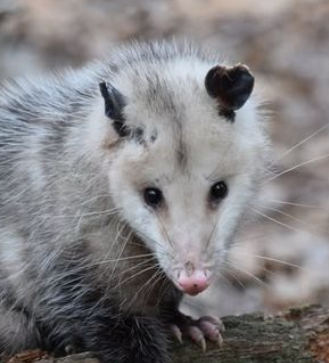
Possums might not win any beauty contests, but Kansas homeowners are welcoming these marsupials with open arms. Across the Sunflower State, people are discovering that these nocturnal creatures offer surprising benefits that make them worth keeping around.

From pest control to disease prevention, possums are proving to be unexpected allies in maintaining healthy yards and gardens.

Natural Tick Eliminators

A single possum can gobble up thousands of ticks each season, making them incredible pest warriors. Scientists discovered that possums groom themselves constantly and eat about 95% of ticks that crawl on them.

Tick-borne diseases like Lyme disease are serious concerns in Kansas, so having natural tick control is hugely beneficial. Property owners appreciate not having to use as many chemical treatments around their homes and families.

Possums roam yards at night, quietly working to reduce tick populations while everyone sleeps.

Free Pest Control Service

Cockroaches, beetles, rats, and mice all end up on a possum’s dinner menu. These marsupials work tirelessly throughout the night, clearing properties of unwanted critters that can damage gardens and spread filth.

Kansas residents save money on exterminators when possums handle the dirty work naturally. Gardens stay healthier because fewer insects munch on vegetables and flowers.

Unlike cats, possums won’t harm songbirds, making them environmentally friendly pest controllers that keep the ecosystem balanced perfectly.

Snake Population Controllers

Possums possess remarkable immunity to most snake venoms, including those from rattlesnakes and copperheads found throughout Kansas. Their unique blood chemistry neutralizes venom that would kill other animals instantly.

When possums encounter venomous snakes, they often attack and eat them without fear. Families with children feel safer knowing possums help keep dangerous snakes away from play areas and porches.

This natural snake deterrent means fewer scary encounters during warm Kansas summers when reptiles become most active around homes.

Immune To Rabies

Unlike raccoons or skunks, possums almost never carry rabies because their body temperature runs too low for the virus to survive. Their average body temperature sits around 94 degrees, while rabies needs warmer hosts to thrive and spread.

Kansas families worry less about dangerous wildlife encounters when possums visit instead of other nocturnal animals. Children and pets face minimal health risks from these harmless marsupials wandering through yards.

This natural disease resistance makes possums among the safest wild animals to have nearby.

Cleanup Crew For Fallen Fruit

Rotting fruit attracts wasps, flies, and other annoying insects that make outdoor living miserable during Kansas summers. Possums love munching on fallen apples, pears, berries, and other fruit that drops from trees and bushes.

By clearing this natural debris, possums reduce insect swarms and prevent slippery messes on walkways and patios. Property owners appreciate having cleaner yards without constantly raking up decaying fruit themselves.

This free cleanup service keeps outdoor spaces more enjoyable for families and reduces unpleasant odors around homes.

Carrion Removal Experts

Dead animals create awful smells and attract disease-carrying flies and maggots to properties. Possums act as nature’s sanitation workers by consuming carrion before it becomes a serious health hazard or neighborhood nuisance.

Kansas landowners find fewer unpleasant surprises when possums patrol their acreage regularly at night. Roads, ditches, and fields get naturally cleaned without human intervention or expensive removal services.

This scavenging behavior helps prevent the spread of diseases that decomposing animals can transmit to livestock, pets, and people nearby.

Garden-Friendly Foragers

Unlike raccoons that destroy entire gardens overnight, possums carefully pick insects and grubs without uprooting plants or tearing up flowerbeds. They move slowly and deliberately, causing minimal disturbance to landscaping and vegetable patches.

Kansas gardeners notice their tomatoes, squash, and corn remain intact when possums visit compared to damage from other wildlife. These marsupials prefer protein-rich bugs over fresh vegetables, making them surprisingly respectful garden guests.

Most property damage blamed on possums actually comes from raccoons, groundhogs, or other more destructive animals.

Non-Aggressive Temperament

When threatened, possums rarely attack or bite. Instead, they hiss, show their teeth, or famously play dead until danger passes.

Kansas pet owners feel comfortable knowing possums won’t aggressively fight with dogs or cats like raccoons often do. Children can observe these interesting creatures from safe distances without parents worrying about unprovoked attacks or chasing behavior.

Their peaceful nature makes coexistence easy, and they typically waddle away when humans approach rather than standing their ground. Most conflicts resolve themselves when possums simply leave the area quietly overnight.


Gettin’ Even (Best Of)

0
lee pitts

The Cotton Brothers wore clothes that weren’t. Their duds were made by a blacksmith instead of a tailor because as members of a three man fence crew down around San Angelo they faced three of God’s most dangerous inventions: barbed wire, brush that cut like it, and rattlesnakes.

Somehow the Cotton brothers, “Big” and “Little”, got teamed up with God’s fourth worst creation, Bosco Taylor. Bosco was born fully grown and was shaving by the time he reached the first grade, which is about as far as he pursued his higher education. Bosco was big enough to shade a rhinoceros and could probably out wrestle one if he knew what one was. But Bosco had a mean streak in him which caused the Cotton Brothers more grief than all the brush, barbed wire and rattlers put together.

“Bosco was always playing mean tricks on me and Little Brother,” recalled Big Brother. “Like the time we all sat down in a shady spot to eat lunch after a hard morning of stringing the devils’ hatband. We were famished and Little Brother couldn’t wait to open up his Star Wars Lunch Box and see what mom had packed. But instead of the usual peanut butter and jelly there was a baby rattler staring right back at Little Brother. Bosco had put that snake in his lunch box when he wasn’t looking.

“Bosco always made me and Little Brother do all the hardest chores too, like digging holes and pounding posts. His practical jokes went on non-stop, always crying “snake” when there wasn’t one. And there was nothing we could do about it. That is until one day we were punching holes in the ground out around Big Spring. The snakes in those parts were so thick you had to parade around on stilts. So in the course of digging holes it was only natural that me and Little Brother came across the biggest, deadest snake I had ever seen without the aid of liquor. It was then and there that I got the inspiration on how to get even with Bosco.

“Bosco always took a nap right after lunch and while he was busy snoring we made preparations. Little Brother got a fork out of his lunch box and bent back the middle two tines. Then I placed that dead rattler right next to Bosco’s leg. I got a shovel in my hands and gave Little Brother the sign. Little Brother jabbed that fork into Bosco’s leg backed up by two years of pent up hatred.

“Bosco woke up with a scream that would have raised the hair on a buffalo rug. The first thing he saw was Mr. Snake right next to his leg and the second thing he saw was me swinging that shovel right down on top of that snake and chopping him right in two. But it was too late. That dead snake had already done the damage, which Bosco was now trying to examine by dropping his drawers right there in front of God and everybody.

“Bosco was bellering like a fresh cut bull while me and Little Brother tried to tell him that the most important thing to do after getting bit by a snake is to stay calm. But that wasn’t Bosco’s nature and I guess it didn’t help none that me and Little Brother were telling him what a slow and terrible death lay ahead for him.”

“You gotta do something,” Bosco pleaded.

“Who… us? The two guys you have tormented for two years with your practical jokes?”

“After we let Bosco plead, beg and promise to be our loyal servants for the rest of his life we obliged. “I guess we could help,” I said.

“What are you going to do?” asked Bosco.

“We gotta cut you and draw out the blood if you want to have any chance of surviving,” Little Brother explained. ‘But when Little Brother drew out his pig sticker, a bone handled knife with a six inch blade, Bosco took one look at the knife and proceeded to pass out.”

“Miraculously, Bosco somehow survived his “snake bite” by trying to drown all his troubles. But it didn’t work. Me and Little Brother knew how to swim.”