Tuesday, January 20, 2026
Home Blog Page 110

Indonesian Flour Millers Commit to 1 Million Metric Tons in Annual U.S. Wheat Purchases

0
Kansas Wheat

Contact: Marsha Boswell, [email protected]

For the audio version, visit kswheat.com.

U.S. Wheat Associates (USW) welcomed the July 7 signing of a Memorandum of Understanding (MOU) with APTINDO, Indonesia’s flour milling association. Under the agreement, APTINDO committed to doubling its annual purchases of U.S. wheat to 1 million metric tons (36.7 million bushels) each year for the next five years.


Kansas wheat farmers will benefit directly from this new agreement with APTINDO. As one of the nation’s leading wheat-producing states and a major supplier of Hard Red Winter (HRW) wheat, Kansas plays a critical role in meeting this increased demand.


Kansas farmers have historically contributed a large portion of U.S. wheat exports to Southeast Asia. HRW constitutes 27% of U.S. wheat exports to Indonesia over the last 10 marketing years, meaning Kansas-grown HRW will be important to help fill additional shipments under the new commitment, supporting farm prices and reinforcing the importance of maintaining export-quality grain.


The announcement also highlights the value of continued investment in wheat research, breeding for quality and international market development, efforts strongly supported by Kansas wheat checkoff dollars. As global buyers prioritize quality and reliability, Kansas wheat producers are well-positioned to remain a trusted source.


A Shared Commitment


“The administration has encouraged trading partners to buy additional U.S. agricultural products. The commitment of the Indonesian milling industry to purchase U.S. wheat reflects this increased focus by the Indonesian government to improve the trade balance with the United States,” said USW President and CEO Mike Spier. “The collaboration between the U.S. wheat industry and APTINDO reflects our shared commitment to delivering high-quality U.S. wheat and supporting continued growth in Indonesia’s milling sector.”


“By increasing our purchases of U.S. wheat, Indonesian millers are not only securing a vital, high-quality agricultural commodity for our growing market, but also actively contributing to the shared goal of a more balanced trade relationship between our two nations,” said APTINDO Chairman Franciscus Welirang.


Indonesia is one of the largest wheat importers in the world, but the market is highly competitive. Indonesian wheat consumption for food use has increased by 22 percent over the past decade. Rapid growth in demand for wheat foods is expected to continue, including higher quality products favoring flour from U.S. wheat classes.


Indonesia has imported an average of 500,000 metric tons (18.4 million bushels) from the United States over the last five marketing years, including shipments exceeding 792,000 metric tons (29.1 million bushels) in the 2024/25 marketing year that ended on May 31. Under the new agreement, APTINDO agreed to purchase a minimum of 800,000 metric tons (29.4 million bushels) in U.S. origin milling wheat in 2025 and then increase an additional 25 percent to 1 million metric tons (36.7 million bushels), or an equivalent value of $250 million, annually through 2030.


Major Milestone Reached


“The MOU signing marks a major milestone for the Indonesian milling industry and U.S. wheat producers,” said Joe Sowers, USW regional vice president for South and Southeast Asia. “Sales made over this five-year period will provide an opportunity to showcase the reliability and functionality of U.S. wheat. USW plans to work with our partners in Indonesia to leverage this commitment into long-term growth of U.S. wheat supply to this Southeast Asian market through additional technical support and assistance with capacity building.”


The signing follows the announcement of a specific import protocol for U.S. origin that adjusted sanitary and phytosanitary (SPS) regulations related to fumigation and traceability requirements. This phytosanitary barrier was resolved in mid-June 2025 following 18 months of coordination and information sharing between USDA and the Indonesia Quarantine Agency (IQA).


This effort to demonstrate U.S. wheat safety and quality helped protect sales to Indonesian millers as prices became more competitive.


“Together, these trade policy developments keep U.S. wheat competitive in this substantial Southeast Asian market,” Spier said. “Today, we are celebrating continued market access and deeper ties between U.S. wheat farmers and Indonesian millers.”
Spiritual Pain and Grief

0

After nearly twenty years of parish ministry, I entered the world of health care, which, I learned, abounds in acronyms. My first clue was in chaplaincy training, known as “CPE” (Clinical Pastoral Education), the required education for most hospital and hospice chaplains. CNA, SoB (Shortness of Breath), PRN, HoH (Hard of Hearing), and a myriad of other acronyms are now part of my own vernacular. QoL (Quality of Life) is the ‘big’ one in hospice, sometimes called “comfort care.” When quantity of life becomes diminished, it’s all about quality.

Dame Cicely Saunders, the founder of hospice as we know it, understood human suffering as a combination of physical, psychological, social and spiritual pain. She famously said the following: YOU MATTER BECAUSE YOU ARE YOU, AND YOU MATTER TO THE END OF YOUR LIFE.

I suggest that all people are spiritual, where spirituality is defined as the source(s) of meaning and purpose that guide and encourage us. Spiritual pain, then, is part and parcel of being human. I describe it simply as anything that breaks your heart. A pet dies; a friend moves away; a family member becomes estranged; a dream is not realized; divorce, death, broken trust, and so on.

In hospice, when death is impending, spiritual pain can lead us to ponder existential questions, such as the following:

· How has my life been meaningful?

· Is there a God or Higher Power?

· What will be my legacy?

· Have I lived my life to the fullest?

· What do I do about my regrets?

· Will I see my loved ones again?

Chaplains abide with us when we boldly ask these (and other) questions. At our best, we provide both active and reflective listening, safe space, and a supportive presence. In the crying, wrestling, confusion and fear, we remain.

In addition to supporting areas of spiritual pain, chaplains are curious about sources of meaning in our lives (our spiritual resources). In whom or what do you place our ultimate trust? What people, experiences, music, places and/or Higher Power enliven your spirit and ground you? Life review in this realm can lead to laughter, connection and peace.

SPIRITUAL CARE IS NOT AN OPTIONAL EXTRA FOR THE DYING.

-Dame Cicely Saunders

When we are grieving, spiritual pain can be exhausting. We can move through anger, sadness, numbness and peace in the course of thirty minutes. How do we ‘do’ life with the emptiness we feel? We are not made to endure this suffering alone.

Grief groups, clergy, therapists, good friends, music, books, podcasts and nature walks, are among the resources available to us. It is important, in all life chapters, to nurture our spiritual resources. When crises come, our spiritual grounding can buoy us.

As you tend to your body, mind and spirit through in this complex and beautiful life, may your QoL be well.

Pr. Kari Sansgaard, is an ELCA pastor who serves as Avera Hospice Chaplain at Daugherty House Prince of Peace and Touchmark All Saints in Sioux Falls. Follow The Prairie Doc® at www.prairiedoc.org Facebook, Instagram, YouTube, and Threads. Prairie Doc Programming includes On Call with the Prairie Doc®, a medical Q&A show (most Thursdays at 7pm streaming on Facebook), 2 podcasts, and a Radio program (on SDPB), providing health information based on science, built on trust.

These 7 lakes are known for being ‘most snake-infested’ in Kansas

0

Lone Star Lake is small compared to most other Kansas lakes.

Its surface area encompasses a mere 185 acres.

Yet the WorldAtlas website still lists that body of water in Douglas County in northeast Kansas as being one of the seven “most snake-infested lakes in Kansas.”

Kansas has had one snake bite fatality since 1950

Though it’s landlocked, Kansas is home to 42 different native species of snakes, which are active between late March and November, says the website of the Kansas Department of Wildlife and Parks.

Four native snakes that residents might encounter here are venomous, that site said.

Kansas has had only one snake bite fatality since 1950, according to “A Pocket Guide to Kansas Snakes,” which was written by Joseph T. Collins, Suzanne L. Collins and Travis W. Taggart and is on its sixth edition after initially being published in 2011.

Those enjoying state’s lakes are likely to cross paths with a snake

The Sunflower State’s relative dearth of snake bite fatalities “doesn’t make it any less unsettling to come across one in the wild if you’re the least bit skittish about snakes,” says WorldAtlas.

It adds, “More than likely, if you’re enjoying one of the many beautiful lakes Kansas has to offer, you will cross paths with one or two.”

Here are the seven bodies of water, each of them man-made, that WorldAtlas says are the most snake-infested lakes in Kansas.

Lone Star Lake

Construction was completed in 1939 on Lone Star Lake.

“Visitors enjoy camping, water recreation, fishing and so much more, making it an attractive destination for those who enjoy the great outdoors,” says WorldAtlas. “It may also be an attractive destination for snakes as well, providing a naturally abundant habitat for certain species to thrive.”

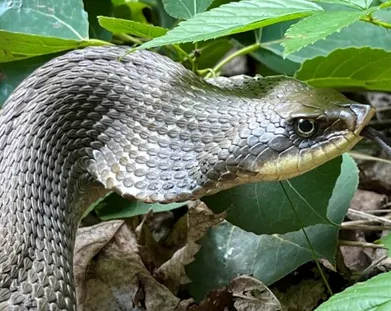
One of those species is the rough green snake, which is most active during the day and has a bright green, slender body and yellow underbelly, WorldAtlas said.

“If one slithers past your toes as you’re hiking nearby trails around the lake, you can rest assured they are completely harmless,” it said. “The rough green snake’s diet consists only of insects.”

Clinton Lake

Construction was completed in 1975 on the dam at Clinton Lake, which is also located in Douglas County.

Prized for its clear blue waters, Clinton Lake is used for boating, fishing and recreation and provides more than 50 miles of hiking trails, WorldAtlas says.

The lake encompasses a surface area of 9,200 acres and provides a habitat for many animals, including gulls, great blue herons, cormorants and white-tailed deer, it says.

“The gopher snake is one of the snake species to watch out for at Clinton Lake, easily identified because it will often hiss if approached, most likely hiding in the nearby woods,” says the WorldAtlas site. “Though it surely can cause fright if encountered, don’t let its hiss scare you; the gopher snake is totally harmless.”

Falls River Lake

Construction was completed in 1948 on Fall River Lake, which encompasses a surface area of 2,330 acres in Greenwood County in southeast Kansas.

The region where Fall River Lake is located includes savannahs, tallgrass prairies and a wide range of plant life thriving within forested floodplains, says WorldAtlas.

The lake is surround by 9,000 acres of protected wildlife area where doves, quail and other animals thrive, it says.

Fall River Lake is also home to the diamondback water snake, known for its “dark spots shaped like half moons on a yellow belly,” WorldAtlas said.

Just a Bit of Bark and Banter: Summer Days with My Toy Aussies

0

Summer is here, and while many of us love soaking up the sunshine, my four Toy Australian Shepherds have their own opinions about these hot days!

Lucy, our indoor queen, is perfectly happy lounging in the cool air conditioning. She’ll occasionally peek outside, but the heat doesn’t appeal to her one bit. Her favorite summer activity? Sprawling out in the coziest spot on the couch, keeping a close eye on everything happening inside.

Brutus and Scout, on the other hand, are usually the adventurous ones. They love their walks and exploring the neighborhood, but lately, the summer heat has slowed them down. Walks have to wait until early morning or late evening when the sun isn’t blazing. Even then, they’d rather take shorter strolls and hurry back to the shade.

Luna, our playful girl, likes a mix of both worlds. While she appreciates the comfort of staying inside where it’s cool, she can’t resist her little pool in the backyard. On particularly hot afternoons, she’ll splash and play in the water, tail wagging, before heading back inside to relax.

Watching my Toy Aussies handle summer in their own ways reminds me that, like people, pets have their unique personalities and preferences. Whether it’s lounging indoors, enjoying a quiet evening walk, or splashing in a backyard pool, there’s no wrong way to beat the heat—so long as they’re happy and safe.

A Few Summer Tips for Your Furry Friends:

  • Hydration is key! Always keep fresh, cool water available indoors and out.
  • Paw check! If the pavement is too hot for your hand, it’s too hot for their paws. Walk during the cooler parts of the day.
  • Shade & splash zones: A shady yard and a small kiddie pool can turn a hot afternoon into a play day.
  • Frozen treats: Ice cubes or frozen dog-friendly snacks make for fun (and safe) summer cool-downs.
  • Know their limits: Just like us, dogs can overheat quickly, so watch for signs of heat exhaustion and give them plenty of rest.

Summer with my Toy Aussies is never boring—between Lucy’s lounging, Brutus and Scout’s short-but-determined walks, and Luna’s splash parties, there’s always a story to tell!

Kansas claims part of a nationwide $720 million settlement with opioid companies

0

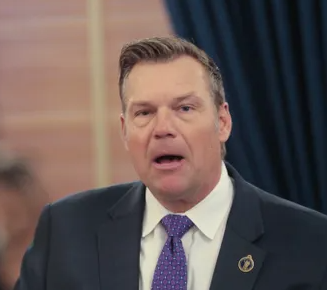
Kansas Attorney General Kris Kobach announced the state will receive $5.7 million from eight companies that manufactured opioid pills as part of a national settlement that totaled $720 million.

Kansas’s piece of the settlement is based on the impact of the opioid crisis in each state and how it participated in the court proceedings. The companies include the following

  • Mylan (now part of Viatris): $284,447,916 paid over nine years.
  • Hikma: $95,818,293 paid over one to four years.
  • Amneal: $71,751,010 paid over 10 years.
  • Apotex: $63,682,369 paid in a single year.
  • Indivior: $38,022,450 paid over four years.
  • Sun: $30,992,087 paid over one to four years.
  • Alvogen: $18,680,162 paid in a single year.
  • Zydus: $14,859,220 paid in a single year.
  • Each company can no longer promote or market opioids, and are not allowed to sell any product with more than 40mg of oxycodone per pill, except Indivior who will not manufacture or sell opioid products for 10 years. They also must use monitoring and reporting systems for suspicious orders.

    Payments could begin as soon as 2026, and 45 states in total have signed up in the settlement, which was negotiated by the attorneys general offices in North Carolina, California, Colorado, Illinois, New York, Oregon, Tennessee, Utah and Virginia.

    The attorneys generals from those states announced the agreement on July 10, and allowed other states to sign on to the settlement over the next couple days.

    “We are holding these companies accountable for the human suffering caused by years of their illegal marketing practices,” Kobach said. “These dollars will help save lives, because the funds will be used to prevent and treat drug addiction throughout Kansas.”

    The entire nation has seen rising overdose deaths from opioids over the past two decades. Kansas recorded 613 fatal drug poisonings in 2023, and the Kansas Department for Health and Environment said at least 63% of overdose deaths involved an opioid.

    As reported in the Topeka Capital Journal