Friday, January 23, 2026
Home Blog Page 167

Share the road: Motorcyclist safety is important to everyone

0

May is Motorcycle Safety Awareness Month, and the Kansas Department of Transportation reminds drivers to stay alert and share the road. Whether traveling by motorcycle or another vehicle, everyone wants to arrive safely.

The national campaign, “Motorcyclists’ Safety is Everyone’s Safety,” encourages everyone on the road to follow safe driving and riding practices. Speeding and alcohol impairment are two of the leading factors in motorcycle-related crashes. Preliminary 2024 Kansas data shows that 54 people died and more than 852 sustained injuries in crashes involving motorcycles.

“Motorcyclists continue to be overrepresented in traffic fatalities,” said KDOT Behavioral Safety Manager Gary Herman. “It’s essential that both riders and drivers pay attention to each other. No matter what kind of vehicle you’re operating, the emphasis must be on putting people’s lives and overall roadway safety first.”

Drivers and motorcyclists can help reduce the number of injuries and fatalities by:

Observing all traffic laws, including obeying the speed limit.
Driving and riding alcohol- and drug-free.
Avoiding distractions – focus on the roadway and other vehicles.
Riders should wear high-visibility protective gear, a DOT-compliant motorcycle helmet and are required to have a M endorsement on their license. Click here to find a list of approved motorcycle education sites in the state. Access this NHTSA link for more information on motorcycle safety.

Suckers on Trees

0
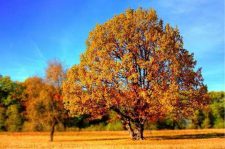
Fall Colors of Trees
In spring some trees send up growth, known as suckers, from the base of the tree or roots. Suckers can develop several inches to several feet from the trunk of the tree and can be an indication the tree is under stress. However, some species are just more prone to sucker growth regardless of the health of the tree.
Not only are suckers unattractive but they deplete energy from the tree so removal is recommended. Use pruners to clip suckers at the base where they are attached to the main tree. If the cut is not made at the point of origin and a stub is left intact it will likely cause branching and exacerbate the problem. If there are minimal suckers present, removal can be delayed until early summer when regrowth is less likely. Herbicides should NOT be used to treat suckers.
Storm-Damaged Trees
Much of Kansas experienced heavy winds and rain over the past week or will at some point this season. Here are recommendations for managing storm-damaged trees.
  • Not all trees should be salvaged. Trees with bark that has split and exposed the cambium or those where the main trunk has split are not likely to survive. Trees with so many broken limbs that the structure is altered may best be replaced. Though these trees may produce new growth, they are under such extreme stress they are much more susceptible to diseases/pests and can be dangerous due to increased risk for further breaks.
  • Prune broken branches to the next larger branch or the trunk. Do not cut flush with the trunk, but rather to the collar area between the branch and the trunk. Cutting flush to the trunk creates a larger wound that takes longer to heal.
  • Cut back large limbs progressively. The first cut should be made on the underside of the branch about 15 inches away from the trunk. Cut up about one-third of the way through the limb. The second cut should be made on top of the branch but about two inches further away from the trunk creating an angle when joined with the first cut. This will cause the branch to break away. The third cut should be made at the collar to remove the resulting stub. 

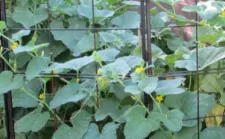
Cucumber Beetles and Bacterial Wilt

0

Description: Cucumber beetles can either be striped or spotted. Striped cucumber beetles are more common with ¼-inch long bodies, black head and antennae, straw-yellow thorax and yellowish wing covers. There are three parallel longitudinal black stripes down the body. Spotted cucumber beetles have 12 black spots on the wing covers with yellow on the underside of the abdomen.

Life Cycle: There are two generations of cucumber beetles each year. They overwinter as adults. After mating the females lay eggs in the soil at the base of cucurbit plants making it easy for larvae to feed on roots when they emerge. Two to three weeks later the larvae pupate in the soil giving rise to the second generation later in the growing season. It takes about four to six weeks for a single generation to go from egg to adult.

Damage: Cucurbit plants are targeted by cucumber beetles whose feeding reduces growth and can cause plant death. Young pumpkin and squash plants are common targets. Holes in leaves, stems, flower and fruits caused by feeding can affect yield. Cucumber beetles also transmit the disease, bacterial wilt, which causes sudden browning and death of cucumbers and muskmelons. Once infected the plant cannot be cured making prevention key.

Control: Protect young plants now by using row covers, cones or another physical barrier. Seal the edges of the barrier to prevent beetles from entering. Use transplants which can stand up to bacterial wilt better than seedlings. Mulch with straw around plants to create a habitat for predators such as wolf spiders. Remove crop debris after each growing season and manage weeds. Monitor plants regularly and manually remove cucumber beetles. Sticky cards can be used to help monitor for pests present in the garden.

Insecticides with permethrin (Bonide Eight Vegetable, Fruit & Flower Concentrate and Hi Yield Garden and Farm Insect Control) can be used when pollinators are not present. Always follow all label instructions and only use insecticides in combination with proper cultural controls.

Good News for Beef

0
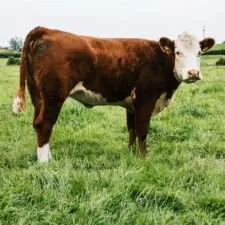
Beef Cattle

Food for Thought…Do you geek out over beef demand and consumer research? Me too, and I’ve got great news to share.

The recent Power of Meat study (Ann-Marie Roerink, 210 Analytics) has positive insights on consumer shopping habits. Fresh meat took the top spot in 2024, with beef leading the way. Beef purchases hit a whopping $40 billion, showing a 9.7% increase in spending and 4.5% more pounds sold.

Consumers averaged 54 purchases from the meat department last year. The “who” is also shifting. Millennials (ages 28-43) contributed the most to the additional units sold in 2024 vs. 2023. Younger generations, including Millennials and Gen Z, are all about protein, loading their plates with more beef and other meats. And guess what food item had the best sales growth? Ground beef outpaced strawberries, raking in $15.3 billion compared to $12 billion for strawberries.

And if you’re worried about protein alternatives taking over, brush those aside. Her research confirmed 98% of households buy real meat.

Lindsey Graber Runft, Cattleman Connection

New Report from Kansas Health Philanthropies Examines How Federal Medicaid Cuts Impacts Kansas

0
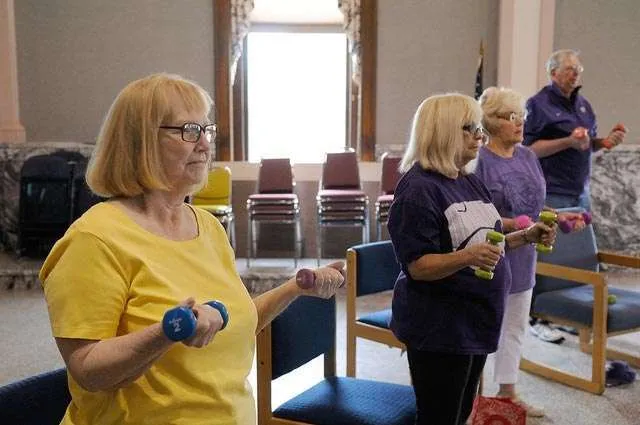
The “Strong People” class, offered through K-State Research and Extension, is hosted in Salina twice per week for 12 weeks in the spring and fall. Since 2009, a total of 225 seniors have participated. Photo credit: K-State Research and Extension

Medicaid serves as a crucial source of health insurance coverage for Kansas families, including children, parents, seniors, individuals with disabilities, those in need of behavioral health support, and residents of rural communities. Congressional lawmakers are currently considering $880 billion in cuts to the Medicaid program, which would reduce Medicaid funding and terminate coverage for vulnerable Kansans.

The United Methodist Health Ministry Fund and REACH Healthcare Foundation recently partnered with experts from Manatt Health to shed light on the potential impacts of those cuts on Kansas over the next decade.

“Medicaid is the largest source of federal funds in Kansas and any cuts to the program will have severe economic and health impacts felt in every corner of the state,” said Brenda Sharpe, President and CEO of REACH Healthcare Foundation.

According to Manatt’s estimates, if Congress changed how Medicaid is funded (i.e., through a per capita cap) Kansas could see up to $347M in cuts in Medicaid funds in the first year enacted and $3.15 billion over ten years. As a result of the cuts, impacts to Kansans would likely include an increase in termination of coverage and benefits for vulnerable populations, rising personal medical debt, and the risk of more hospital closures across the state.

“The data is clear and deeply concerning. Kansas will lose billions of dollars in Medicaid funding if these proposed cuts are enacted, which will result in the termination of Kansans’ health care coverage and put more hospitals at risk of closure,” added David Jordan, President and CEO of United Methodist Health Ministry Fund. “We will all pay the price – higher costs, increases in local taxes, and less access to care – to offset these cuts. It’s critical that lawmakers, healthcare providers, advocates, and the people of Kansas recognize the consequences before it’s too late.”

Medicaid provides health care coverage for over 366,000 Kansans, including nearly 31% of all Kansas children. It also covers 4 in 7 nursing home residents, and 1 in 4 working-age adults with disabilities.

Beyond the overall reductions of Medicaid funding analyzed as part of the proposed cuts, Kansas hospitals could see their Medicaid funding reduced by 22% through changes to the Medicaid State Directed Payment program, and 5-15% of current Medicaid enrollees could lose coverage over ten years if work reporting requirements are implemented.

Manatt estimated the one-year and ten-year impacts of Congress’ proposed $880 billion in cuts to the federal Medicaid program, modeling the potential financial consequences for states. While Manatt’s estimates were developed before final legislative proposals are expected to be enacted by Summer 2025, they align closely with policy parameters, options and effective dates outlined by the Congressional Budget Office (CBO) and previously introduced legislative proposals.

The REACH Healthcare Foundation and the United Methodist Health Ministry Fund have prepared a brief summarizing key findings of the Manatt report and Jordan and Sharpe say they will continue to closely monitor Congressional actions. As more specific policies are adopted, Manatt will update its estimates and also consider the interactive effects of those changes.


A media briefing will be held on Tuesday, April 29, from noon to 12:45 PM to provide more information about the study. This event will feature Sharpe and Jordan, alongside Cindy Mann, Partner at Manatt Health, Cindy Samuelson, Senior Vice President of Member and Public Relations at the Kansas Hospital Association, Benjamin Anderson, President and CEO of Hutchinson Regional Healthcare System, and Dr. Sonder Crane, President-Elect of the Kansas Chapter of the American Academy of Pediatricians, and Pediatrician, Pediatric Associates in Manhattan. To join the media briefing, click on the Zoom link here: https://us02web.zoom.us/j/84936506313?from=addon

About REACH Healthcare Foundation and The United Methodist Health Ministry Fund

REACH Healthcare Foundation is a charitable foundation dedicated to improving health coverage and access to quality, affordable healthcare for uninsured and medically underserved people. The foundation focuses its support in a six-county service area that encompasses Allen, Johnson, and Wyandotte counties in Kansas and Cass Jackson and Lafayette counties in Missouri, as well as the City of Kansas City, Missouri.  Learn more about the foundation at www.reachhealth.org.

The United Methodist Health Ministry Fund (Health Fund) is a statewide health foundation working to improve the health of all Kansans since 1986 by funding innovative ideas, sparking conversations and convening those who can make a difference. Learn more at www.HealthFund.org

About Manatt Health

Manatt Health is a leading professional services firm specializing in health policy, healthcare transformation, and Medicaid redesign. Their modeling draws upon publicly available state data including Medicaid financial management report data from the Centers for Medicare and Medicaid Services, enrollment and expenditure data from the Medicaid Budget and Expenditure System, and data from the Medicaid and CHIP Payment and Access Commission. The Manatt Health Model is tailored specifically to Kansas and has been reviewed in consultation with key stakeholders including the Kansas Hospital Association.