Friday, January 16, 2026
Home Blog Page 97

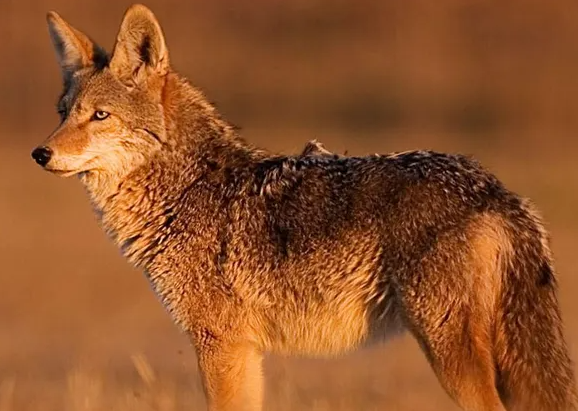
Kansas gets four more months of nighttime coyote hunting under new regulation

0

Kansas hunters using night vision or thermal imaging devices could have more than twice as long a hunting season for coyotes.

Kansas currently allows daytime coyote hunting year-round and nighttime hunting in January, February and March. But the start of nighttime coyote hunting season could be pushed back to September under a proposed regulation.

The Kansas Wildlife and Parks Commission will vote on the proposed change in regulation on Aug. 14, and Kansas Wildlife and Parks wildlife division director Jake George said the commission was amenable to the change at a Kansas Administrative Rules and Regulations meeting on Aug. 1.

The commission itself brought the idea of an expanded coyote season forward. Kansas hunters have been allowed to use night vision and thermal imaging to hunt coyotes at night since 2021, but earlier this year, the commission sought input on expanding the season.

Hot tips for cool-season gardening

0

It is still in the heat of summer, but it’s not too early to start thinking about a fall garden.

Gardeners are accustomed to having fresh produce available and have developed an appreciation for nutritious vegetables. Fortunately, gardeners can extend the fresh taste of summer for several more months.

Some of the best quality garden vegetables in Oklahoma are grown and harvested during the fall season, said David HillockOklahoma State University Extension consumer horticulturist.

“Warm, sunny days followed by cool, humid nights provide the perfect conditions for optimal garden production,” he said. “During this time, plant soil metabolism is low, which means more of the food manufactured by the plant becomes a high-quality vegetable product.”

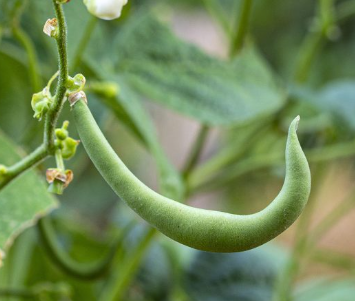
Gardeners can grow crops like carrots, beets and green beans well into the fall. Another option is to do a second planting of fast-maturing summer vegetables, such as cucumber, green onion, zucchini, radish or turnip. Different varieties of lettuce are another good choice.

Successful gardening always comes back to the soil, and fall gardening is no different. But at this time of year, Hillock said, gardeners need to be aware of soil temperatures when planning fall gardens.

“Although fall officially begins on Sept. 22, fall gardening starts much earlier than the calendar indicates,” he said. “As gardeners in Oklahoma know, the climatic conditions of late July and into August involve high soil temperature, high light intensity and rapid drying of the soil, all of which increase the difficulty of obtaining a uniform stand of plants.”

Achieving a full stand of plants when the temperature is at or near triple digits may require special treatments, such as shade over rows when seeded or supplemental watering to reduce soil temperature and to help encourage germination. In addition, seeds need proper temperature, adequate irrigation and sufficient oxygen. Remember to soak seeds overnight before planting. This will speed up germination and seedling emergence when the seeds are most susceptible to death in the hot, dry soil.

When exposed to full sun, soil temperatures can exceed 140 degrees Fahrenheit. Because vegetable seeds shouldn’t be planted any deeper than three times the diameter of the seed, small seeds, such as carrot seeds, would be planted at a mere quarter of an inch. Due to the soil temperature, the seeds likely wouldn’t germinate. So, what’s a gardener to do?

“Apply mulch over the row following planting and watering,” Hillock said. “Gardeners can also use materials like screen wire strips, shade cloths or boards to cover the rows. This moderates both soil temperature and soil moisture. Remove the covers when the seedlings emerge. Another option is to sow seeds in a small seed flat, then transfer them to the garden. Broccoli, cauliflower, Chinese cabbage, leaf lettuce, Brussels sprouts and cabbage respond well to this method of planting.”

Insects have long been a challenge for gardeners, and it’s no different with fall gardens. These pests can cause serious damage in a short amount of time. It’s a good idea to examine plants regularly — at least twice weekly. Look under leaves, along stems and at the plant base or crown for the insects themselves or signs of plant damage. OSU Extension has an informative fact sheet, EPP-7313 Home Vegetable Garden Insect Pest Control, available online to provide gardeners guidance with pest control.

Gardeners who find themselves with a bountiful harvest of some of their cool-season crops can extend the life of the produce by storing it in a cool, moist location. Root crops, such as carrots, beets, rutabagas, turnips and Irish potatoes, should remain in usable condition until late winter when stored properly.

Hillock suggests storing the vegetables in ventilated plastic bags in a cool basement or cellar. Another option for storage once these veggies reach maturity is to simply leave them in the ground. They’ll be fine until about January. To protect them from the cold, the soil layer over the mound should be 6 to 10 inches thick.

“Fall vegetable gardening is a great way to keep the taste of fresh produce in your kitchen beyond the traditional summer garden,” Hillock said.

In Kansas, herds of bison still roam pristine prairie of Maxwell Wildlife Refuge

0

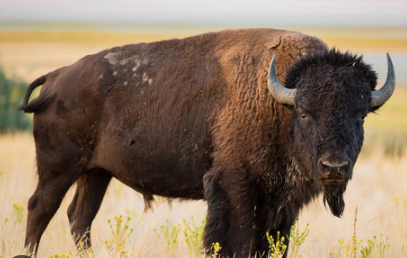
Nestled in the plains of McPherson County is what many have described Kansas’ best-kept secret of an attraction and home to more than 200 bison.

Driving into Maxwell Wildlife Refuge, six miles north of Canton, people may be greeted by one of these bison on the road, but there’s not much tame about these animals and the “wild” of wildlife means people shouldn’t get too close.

Fortunately because of a group of dedicated volunteers, people have access to get fairly up close, in a safe way, to these living symbols of Kansas and national mammals of the United States.

The Friends of Maxwell have been operating guided tours on open air trams, since the 1990s with the assistance of Kansas Department of Wildlife and Parks, which oversees the state-owned land.

How did the Maxwell Wildlife Refuge come about?

The refuge has history dating back to 1859, when John Maxwell, a Scottish immigrant settled in McPherson County as a homesteader.

After falling in love with the animals of the prairies in the area, Maxwell decided he wanted to make sure people in the future had an opportunity to see this area for what it is.

“In 1859, hardly any of these trees were here,” said Les Sporting, one of the narrators of the tram tour. “The grass was 7 feet tall, there were no fences and there were bison, elk, deer, wolves and a host of other animals.”

Maxwell ended up leaving $75,000 in his estate, estimated to be nearly $3 million in today’s economy, with the purpose of buying land and keeping animals on it for the future.

“In 1944, his two sons bought four square miles of native grass … and deeded it to the state of Kansas,” Sporting said.

After building an 8-foot tall fence, which took nearly seven years to complete, the refuge brought 10 bison and six elk onto the land in the early 1950s.

“We got the bison logically from exactly where you’d think we would, the Bronx Zoo in New York City,” he said. “From those meager beginnings, we now have the largest publicly owned (bison) herd in the state of Kansas with a winter herd size of 190.”

Sporting said that herd grows beginning in April or May as bison calves, are born, and as of July, the herd was around 260 to 270 strong.

In November of each year, the herd size is reduced, as some of the bison are sold off in a public auction to people adding to their own herds or for meat.

What can visitors expect to see on a Maxwell tram tour?

Bison can grow to more than 6-feet tall, weigh as much as 2,000 pounds, run 35 to 45 mph and leap as high as six feet, so Maxwell makes sure to keep visitors safe inside these trams.

“This is the time of the year that breeding season starts, so I ask you to please remain in you seat and under no circumstances put your hands outside the tram because these animals can get a little frisky,” Sporting said.

With 2,254 acres of land for the bison to roam, feeding trucks go ahead of the tram with some incentive, little treats placed near the path of the trams.

Along the path, visitors can expect to see bison bulls, cows and calves, or red dogs as they are called due to their reddish fur in the early stages of life.

These bison will get next to and against the tram, allowing some of the closest encounters someone will ever get to these massive mammals.

During some parts of the year, visitors can also expect to see elk, though, unlike bison, elk don’t do well in warmer temperatures and will tend to hide out in shade during sunny summer days.

Finally, people can also see upward of 40 species of wild flowers and witness what the beauty of the mixed grass prairie that most of Kansas is known for.

When and how much are Maxwell Wildlife Refuge tours?

While the refuge itself is open to the public, with access and through traffic via Pueblo Road, there is no guarantee this “free” drive will let people see bison or other wildlife.

That’s what makes these tours a unique opportunity.

Right now, tours are offered at 10 a.m. Tuesdays and Saturdays, with private tours also available by reaching out to the Friends.

Tram tour tickets are $15 for ages 12 and older, $7.50 for children ages 4 to 11 and free for children under the age of three. All children must be accompanied by an adult.

For more information or to buy tickets, visit the Friends of Maxwell website, maxwellwildliferefuge.com.

As reported in the Salina Journal

The Bumpies

0
lee pitts

As a lifelong road agent I am excited to introduce an all-new awards show honoring the best bumper stickers going down the road. It is fitting then that the very first Bumpie is for the Driving category. And the nominees are…

Honk if you love peace and quiet; If everything is coming your way, then you’re in the wrong lane; Don’t like my driving? Then get off the sidewalk; Horn broken, watch for finger; If you drink don’t park. Accidents cause people. And the first ever Bumpie goes to Hang up and Drive.

Our next category is The Battle of The Sexes. And the nominees are: This truck belongs to me. Everything else belongs to her; Not all women are fools. Some are single; A woman without a man is like a fish without a bicycle; Men are idiots and I married their king; Women who want to be equal to men lack ambition. And the winner is, Sometimes I wake up grumpy. Other times I let him (or her) sleep.

Judging by the plethora of bumper stickers about chainsaws and diesel engines it’s fitting we have a category for the environment. The nominees are: Hate the dams? Squeeze your oranges by hand; Beautify America. Shoot a greenie; Save the humans. Taking home the Bumpie is: Earth First. We’ll screw up the other planets later.

In the Idiots Shall Inherit The Earth Category the nominees are: The gene pool could use a little chlorine; He who laughs last thinks slowest; Four out of three people have trouble with fractions; The lottery is a tax for people who are bad at math. The Bumpie in this category goes to I souport publik edukashun.

The NRA is sponsoring this lifetime achievement award for the best bumper sticker relating to guns. The nominees are: Keep honking. I’m reloading; I still miss my ex… but my aim is improving; Gun control isn’t about guns, it’s about control. And the Bumpie goes to… Cover me, I’m changing lanes.

The subject of children has always been a popular one amongst bumper sticker aficionados going all the way back to the Baby On Board placards. This year’s nominees for best bumper stickers about children are: Be nice to your kids, they’ll choose your rest home; Child in trunk; Insanity is hereditary… you get it from your kids. And the Bumpie goes to, Your kid may be an honor student but you’re still an idiot.

In the Life and Death category the nominees are: We are born naked, wet and hungry. Then things get worse; I’m retired. I was tired yesterday and I’m tired again today; Work is for people who don’t know how to golf; Procrastinate later; Trust in God but lock your car; Goodbye tension hello pension; God grant me patience. And I want it now! And the Bumpie goes to, If at first you don’t succeed DO NOT try skydiving.

Things got pretty nasty in competition for the Most Politically Incorrect sticker such as: Nuke the gay unborn baby whales for peace; Eat Well, stay fit. Die anyway; I’m not an alcoholic, I’m a drunk. Alcoholics go to meetings; Cat, the other white meat; Liberals want misery spread evenly; Jesus is coming. Look busy.. It was a close race but the Bumpie goes to: Vegetables aren’t food. Vegetables are what food eats.

It’s true, we already covered driving but the subject of tailgating deserves its own Bumpie considering the number of bumper stickers that deal with it. For example: I don’t brake; I brake for no apparent reason; Caution! I brake for tailgaters. And the Bumpie goes to… If you can read this then you are in range.

The final Bumpie goes to the best bumper sticker seen in the last twelve months. Between talking on their phones, trying to figure what personalized plates mean and reading bumper stickers today’s driver barely has time to drive. And because next year will be a mid term election year there will be an avalanche of fresh bumper stickers. (Voters are going to want to remove their Kamala For President stickers if they haven’t already done so.) That’s why for my choice for the best all-around bumper sticker of the year is… What this country needs is a good five cent bumper sticker remover.

Kansas Water Office Announces Opening of Water-Related Grants

0

HB 2302 Provides Grant Money for Technical Assistance and Water Infrastructure Projects
The Kansas Water Office announced the opening of its two grant programs – the Technical Assistance Fund Grants and Water Projects Fund Grants. The grants were made possible by increased funding to the State Water Plan Fund with Sen. Sub. for HB 2302, a bipartisan bill signed by Governor Kelly from the 2023 legislative session that increased funding for the State Water Plan Fund and established these two grant programs.
The grant programs provide funding for up-front technical assistance and on-the-ground actions needed to address water quantity and quality issues around the state. These funds are generally directed to supporting water-related infrastructure projects.
“Access to reliable clean water supplies is essential to all of our Kansas communities,” said Kansas Water Office Director, Connie Owen. “These grants can help applicants upgrade their infrastructure to provide a safe and secure water supply for their communities.”
The Technical Assistance Fund Grants seek to provide funding for planning, engineering, managing and other technical assistance that may be necessary in the development of plans for water infrastructure projects, and processing grant and loan applications for such water infrastructure projects.
The Water Projects Fund Grants provide funding for construction, repair, maintenance or replacement of water-related infrastructures and any related construction costs, matching moneys for grant or loan applications for water-related infrastructure projects, and application of the funds to outstanding loan balances from certain funds.
Eligible applicants include municipalities and special districts related to water organized under the Laws of Kansas.
The applications are open through September 30, 2025. More information on the application criteria and process can be found on the Kansas Water Office website, here.
To learn more about the Kansas Water Office, visit: kwo.ks.gov