Wednesday, January 28, 2026
Home Blog Page 4529

Lettuce

0
Photo credit: Dwight Sipler
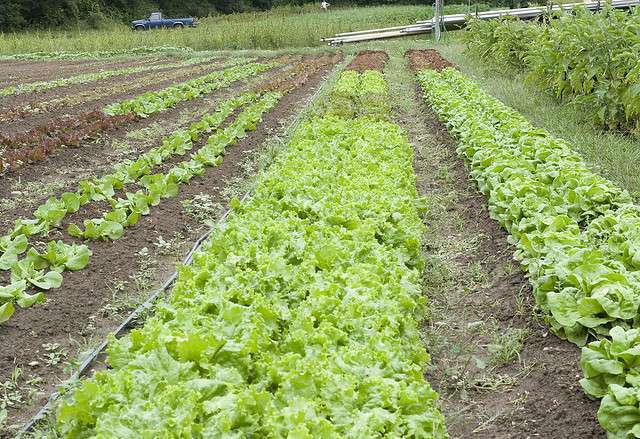
Though lettuce is most often planted directly from seed in late March to early April, it can be started from transplants. Transplants allow lettuce to mature earlier so that it escapes the excessive heat that can lead to a strong flavor and bitterness.Seed should be started four to five weeks before transplanting. Because transplants are placed at the same time as direct seeding, now would be a good time to begin. Use a seed starting mix and plant shallow as lettuce requires light for germination. A soil media temperature of 60 to 68 degrees will encourage germination. Watch the media
temperature carefully, as seed can enter a thermal dormancy if germination temperatures are excessive. Also, a cooler temperature of 55 to 60 degrees should be used once the plants emerge.Time to maturity varies depending on the type of lettuce, with leaf lettuce being the quickest, followed by bibb, romaine, and buttercrunch lettuce. Head or crisphead lettuce is the slowest and is least likely to mature before becoming bitter.

Spacing also varies with type. Leaf lettuce plants are spaced 4 to 6 inches apart, buttercrunch, bibb, and romaine are set at 6 to 8 inches and head lettuce should be at least 8 inches apart in the row. Lettuce does not have an extensive root system and requires regular watering if rainfall is lacking.

Fertilize before planting according to soil test. Plants should also be sidedressed when about 1/3 grown. Sidedressing is done with fertilizers that have more nitrogen than phosphorus and potassium. Use 1/3 cup of nitrate of soda (16-0-0) or 1/4 cup of a 27-3-3, 29-5-4 or similar fertilizer per 10 feet of row. The latter fertilizers are lawn fertilizers but will work well for sidedressing as long as they do not contain weed killers or weed preventers. (Ward Upham)

Barton’s Hensley named conference softball player of the week

0

Barton Community College softball player Bailey Hensley has been named the Kansas Jayhawk Community College Conference (KJCCC) Softball Player of the Week. The sophomore from Ellis, Kansas, has been a big offensive reason the Lady Cougars are off to one of its best starts in school history beginning the season 6-0.  The 5’3″ leadoff batter began the season with a homerun propelling a week of eleven runs batted in including three homeruns and three additional extra base hits.  Batting .545 for the week, Hensley had a .600 on-base percentage and 1.182 slugging percentage accounting for 32% of the Cougars’ fifty-seven runs.

Barton stands at 6-0 on the season going into this Thursday’s contest at Brown Mackie College before heading to Borger, Texas, for the Frank Phillips Tournament Saturday and Sunday.

Planting Asparagus

0
Photo credit: Rachel Tayse

Though it is too early to plant asparagus, it is not too early to make plans and prepare soil. This crop is a perennial and will survive for many years if given proper care. It prefers full sun and a well drained soil and is usually placed on the edge of the garden area so that there is no need to till around the area to plant other crops.

Proper soil prep is especially important for perennial crops. Take a soil test to insure proper levels of nutrients. See http://www.agronomy.kstate.edu/services/soiltesting/home-owner-samples/soil-analysis/sample-collection.html for the correct procedure. Take the soil sample into your local extension office (see http://www.ksre.ksu.edu/Map.aspx ) for analysis. Work the soil as early in the spring as possible but do not work wet soil as clods will form. Then add two inches of organic matter to the surface and the fertilizer and work again so the organic matter and fertilizer are blended into the soil.

Asparagus can be propagated from seed but is more often started from 1-year-old crowns. These crowns are planted deeply; about 8 inches deep either in a hole for each crown or in a trench. Space plants 18 to 24 inches apart. Fill in the trench gradually over the growing season to encourage growth. March 15 to April 15 is the best planting time. Adapted varieties include Jersey Giant, Jersey King, Jersey Knight, Jersey Supreme and Purple Passion. These are all male hybrids that will produce three times as much as our old Martha or Mary Washington varieties. Males have a number of advantages over females in that they live longer, emerge earlier in the spring, are more productive and eliminate potential volunteer plants that can reduce the productivity of a planting.

Weed control is very important. Competition with weeds results in slow establishment. A shallow hoeing should be all that is needed. (Ward Upham)

Get Creative with After School Snacks

0

(Family Features) For teens and tweens, after school snacks can pose a bit of a problem. Many options are geared toward younger (and smaller) bellies, while others may pack too big a punch, affecting appetites for dinner. One deliciously satisfying solution? Snacks they can make themselves.


DIY after school snacks let kids push their creative limits. One way to get creative is using favorite breakfast cereals in familiar types of recipes for a whole new taste. For example, a lightly sweetened corn and oat cereal such as Honeycomb has a one-of-a-kind playful shape that makes it an instantly recognizable and flavorful addition to treats.


You can go simple with a snack mix such as this Monkey Munch, or even give muffins a playful and unique twist, as with these Cereal Muffins.


For these and more recipes ideal for cooks in training, visit www.postfoods.com.


Monkey Munch


1/2       cup peanut butter

4          squares semi-sweet chocolate

8          cups Post Honeycomb Cereal

2          tablespoons powdered sugar


Microwave peanut butter and chocolate in large microwaveable bowl on high 1 1/2 minutes. Stir until chocolate is completely melted and mixture is well blended.


Pour over cereal in large bowl; toss to evenly coat.


Place two large sheets of aluminum foil on counter, with long sides of foil slightly overlapping. Spread cereal mixture onto foil. Let stand 2 hours or until chocolate coating is set.


Place powdered sugar in fine mesh strainer. Shake strainer over cereal mixture to evenly coat cereal mixture with sugar. Store in tightly covered container at room temperature.


Tips: Cooled cereal can be placed in a large brown paper bag instead of on foil. Add powdered sugar to cereal mixture in bag; fold down top of bag to close and shake to coat cereal mixture evenly.


Cereal Muffins


1          cup flour

2          tablespoons sugar

1          tablespoon baking powder

1/8       teaspoon salt

1/3       cup cold butter or margarine

3 1/3    cups Post Honeycomb Cereal, divided

1          cup milk

1          egg

1          teaspoon sugar

1/8       teaspoon ground cinnamon


Preheat oven to 400°F. Grease 12-cup muffin tin.


Mix flour, 2 tablespoons sugar, baking powder and salt in large bowl; cut in butter with pastry blender or two knives until mixture resembles coarse crumbs.


Mix 3 cups cereal and milk in medium bowl; let stand 3 minutes. Stir in egg. Add to flour mixture; stir just until moistened (batter will be lumpy).


Spoon evenly into muffin tin, filling each cup 2/3 full.


Mix remaining 1/3 cup cereal, 1 teaspoon sugar and cinnamon. Sprinkle evenly over muffins.


Bake 20-25 minutes or until golden brown. Cool.


Source: Post Foods

Heat Pump Or Furnace-Which Is Right For Your Home?

0

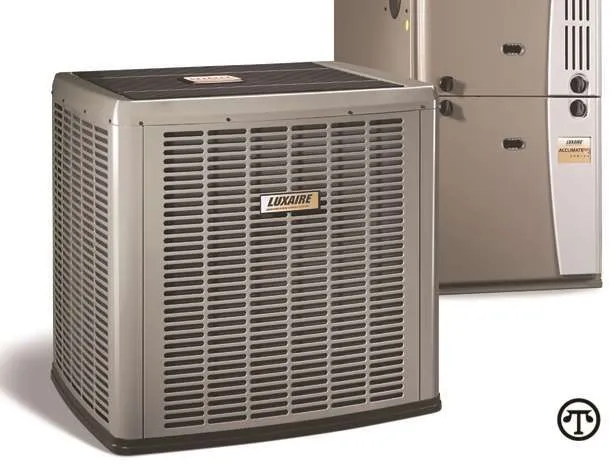
furnace1(NAPS)—When a new heating system is in your home’s future, you’d be wise to consider the pros and cons of heat pumps and furnaces. Both distribute air through a home using heated air rather than heated water. A heat pump does this by extracting heat from outside air and circulating it through your home. A furnace uses electricity or gas to produce heat.

The following tips can help in selecting the system that’s right for you:

  • Consider the climate. For people who reside in areas where the temperature rarely dips below 30 degrees, a heat pump may be more affordable than a furnace, removing heat from outside air and transferring it to the home. As temperatures drop below 30 degrees, the heat pump must work harder to extract heat and its efficiency decreases as a result.
  • Compare efficiencies. The efficiency of a heat pump is indicated by the unit’s heating seasonal performance factor (HSPF), while the annual fuel utilization efficiency (AFUE) measures the efficiency of a gas furnace. The higher the HSPF or AFUE, the more efficient the unit and the less fuel it requires to heat your home.
  • Evaluate fuel costs. Electric furnaces are often considered 100 percent efficient. However, these units may be more expensive to operate, depending on the cost of electricity. That’s why it’s always important to consider the cost of available fuels, including electricity, natural gas and oil, and how they will affect operating costs of the unit you select.
  • Consider controls. Electronic ones may offer tighter temperature control and the ability to program periods of temperature setback, improving system efficiency and occupant comfort.
  • Choose a quality brand. Look for a brand of equipment with a reputation for quality and reliability.
  • Look for multi-stage units. Some furnaces, such as the Luxaire Acclimate series from Johnson Controls, offer multi-stage and variable-speed capabilities that improve efficiency, maintain constant temperatures and reduce sound levels.

To learn more about heating systems, visit www.luxaire.com.


A quality furnace or heat pump can help you keep comfortable at home without straining your wallet.