Tuesday, January 20, 2026
Home Blog Page 4644

Expect Delays in Moundridge starting Dec. 1st

0

Starting Monday, December 1, there will be extra Utility activity in town. McCullough Excavating of Wichita is going to start boring the new water lines, so there may be traffic delays in the 100 and 200 blocks of East Krehbiel for a while. They will also be working from the corner of Cole and Drucilla north into the Wollmann Addition.

credit – city of Moundridge

Cover crop survey reports yield boost

0
Soybeans with Rust
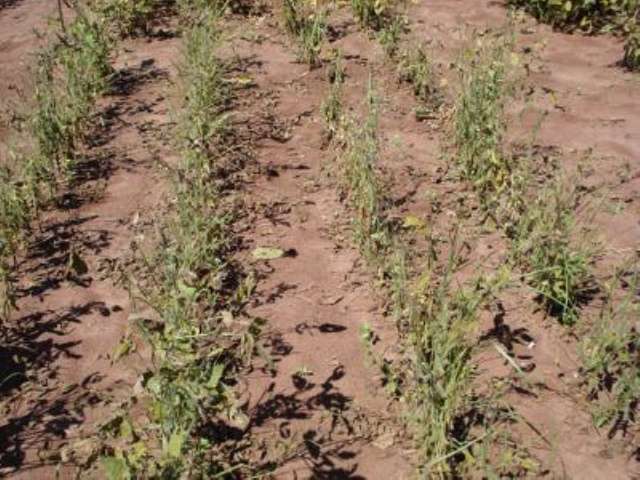
Soybean plants infected with soybean rust in soybean experimental plot. (IITA)

For the second year in a row, a national survey of farmers has documented a yield boost and other benefits from the use of cover crops in corn and soybeans. The survey, funded by North Central Region Sustainable Agriculture Research and Education (SARE) and carried out by the Conservation Technology Information Center, also details the challenges and benefits farmers expect from cover crops, data on the costs of seed and establishment, and insight into how farmers learn to manage cover crops.

Houseplants losing leaves

0

Homeowners often become concerned about their houseplants this time of
year because they look unthrifty and may even shed leaves. Most of this
is the plant responding to low light levels. Not only is the day length
shorter, but the angle of the sun means sunlight must travel through
more atmosphere before it reaches us in the northern latitudes. Each of
these factors means less light energy reaches our houseplants.
Houseplants respond to this stress by stopping growth and dropping
leaves if necessary. So how can we tell if leaves are being dropped due
to stress or due to other factors? Normally, stress is the culprit if
leaves are dropped throughout the plant so general thinning occurs.
The next question is what do we do about it? Well, you can add
supplemental lighting or just wait until longer days and higher light
levels allow the plants to recover. Unfortunately, people often decide
the plant needs more fertilizer or water to perk it up. Remember the
problem is low light, not a lack of fertilizer or water. Adding extra
fertilizer or water won’t help, and may
actually harm, the plant. The needs of the plant need to be balanced. If
there is plenty of sunlight, the plant can use more water and
fertilizer. Under low light levels, the plant doesn’t require much
fertilizer and the nutrients stay in the soil where they can build up
and may eventually burn roots.
Also, excess water can drown roots. Therefore, it is important to do a
good job of watering and fertilizing during the winter. Only water when
the soil is dry ½ inch deep in the pot. Eventually you can learn to
judge whether a plant needs water just by weight. Also, reduce or
eliminate fertilizing during the winter months. If the plant still looks
thin in the spring, cut it back so it can put out new, thicker growth.
Also, knock the plant out of the pot in the spring and make sure it
isn’t root bound. If it is, move it up to a larger pot.

Ward Upham

Dormant seeding of turfgrass

0

The best time to seed cool-season grasses such as tall fescue and
Kentucky bluegrass is September because the turf has more time to mature
before spring crabgrass germination and the heat stress of summer.
Dormant seeding of turfgrass is sometimes used to help fill in bare
spots of lawns that weren’t overseeded in the fall. Dormant overseeding
is done during the winter (December – February) when it is much too cold
for germination.
As with any seeding program, good seed-soil contact is vital. Several
methods can be used. One method is to seed when there has been a light
snowfall of up to an inch. This is shallow enough that bare spots can
still be seen. Spread seed by hand on areas that need thickening up. As
the snow melts, it brings the seed into good contact with the soil where
it will germinate in the spring.
Another method is dependent on the surface of the soil being moist
followed by freezing weather. As moist soil freezes and thaws, small
pockets are formed on the wet, bare soil that is perfect for catching
and holding seed. As the soil dries, the pockets collapse and cover the
seed.
A third method involves core aerating, verticutting or hand raking and
broadcasting seed immediately after. Of course, the soil must be dry
enough and unfrozen for this to be practical. With any of the above
methods, seed germinates in the spring as early as possible. There will
be limitations on what herbicides can be used for weed control. Tupersan
(siduron) can be used as a crabgrass preventer on new seedings even
before they have come up. Also dithiopyr, found in Hi-Yield Turf and
Ornamental Weed and Grass Stopper, can be used on tall fescue, Kentucky
bluegrass, and perennial ryegrass two weeks after germination. Dithiopyr
is longer lasting and more effective than siduron. Other preemergence
herbicides require that the turf be well established before application.


By: Ward Upham

Garlic for the Spring, CSA lessons learned, appropriate tomatoes, and souping up the coop

0

Even though the growing season is essentially over, there is still lots going on here at the SIFT farm. We planted garlic in mid-October, and right now it’s tucked away under a layer of mulch, awaiting a new season. Garlic is planted in the fall and mulched. It overwinters, and its shoots are one of the first things to emerge in the spring. We hope by planting the garlic at the ideal spacing this year, we will get an abundance of big bulbs to sell and use for seed next year.  >>more