Sunday, January 25, 2026
Home Blog Page 162

If old farm homes could talk

0
Thayne Cozart
Milo Yield

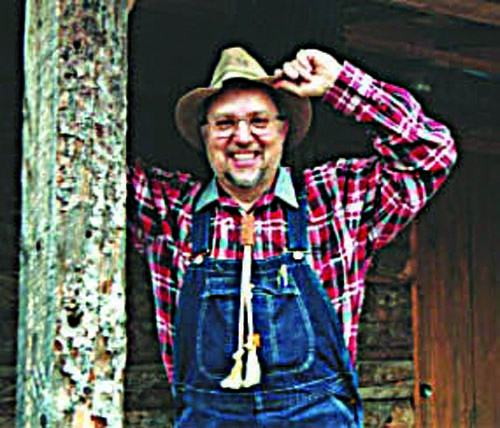
It pleases me no end to drive through the rural countryside and see all the newish modern homes that have been built by farm and ranch families during the last 30 years.

But, on the flip side of that feeling is the one of sadness and nostalgia that I get every time I drive by a sagging, dilapidated, decrepit old long-abandoned farm home slowly rotting and mouldering, board by board, nail by nail, back into the good Earth. These were homes built in the early to mid-1900s

I never drive by those crumbling homes, along with their equally crumbling barns and sheds, and root cellars without thinking, “I wonder what those crumbling buildings could tell me about their history if they could talk?”

I bet they’d tell me about their current residents — for sure termites, an assortment of insects, rats and mice, likely raccoons, possums and skunks, and possibly barn or screech owls, perhaps bats, too, with the occasional coyote or fox visitor.

Every abandoned farm home has a human history compiled by the succession of folks who lived there. For sure there wuz elation when the construction wuz done and the first residents moved in. There were the mixed feelings of families moving out and new families moving in. There had to be sadness when the last family moved out and abandoned the house to the elements.

Since the purpose of a home is to raise a family in it, certainly an old farm home could tell me about first kisses in the front porch swing, marriage engagements, passionate marriage consummations, children spawned.

Most likely some old homes could tell me about children born within. Baths in a cold galvanized tub. Sick children. There had to be “Ouch!” moments from mother using a needle to extract a splinter from hand or toe or pour mercurochrome on a cut or scrape. School homework done on the kitchen table. There had to be proud moments of prom nights and graduations, too.

The old homes could tell me about the rigors, and satisfactions, of everyday household goings-on. It could tell me about the hundreds of pints and quarts of garden-grown veggies and orchard-grown fruits that were picked, peeled, canned or frozen? How many clothes did Mom and daughters stitch on a treadle sewing machine using feed sack printed cloth? How many chickens were fried for Sunday dinners with the pastor, or for holidays with the extended family?

That crumbling home was host to birthday parties. Neighbors gathered in the winter to eat chili, oyster soup, or potato soup. They froze homemade ice cream and ate it for dessert during a card-playing intermission. I’d bet many old homes had an upright piano along some wall and someone could pound out songs for a sing-around. When the party ended and guests departed, someone stoked and banked coals in the Ben Franklin wood or coal-burning stove.

I doubt any crumbling rural home didn’t experience warming numerous newborn calves, piglets, or lambs in the kitchen. And what rural child growing up in the home’s heyday didn’t try to raise some young wildlife critter like a pet raccoon, rabbit, or baby bird that had fallen from its nest? And, regular pets? I’m betting there were plenty of stories to tell about pet dogs and cats,.

And, most likely during its duration as a home, the crumbling house could tell me about the seedier side of human life, too — loud arguments, personal spats, drunkenness, perhaps even spousal and child abuse of some sort.

For sure, such old crumbling houses could tell me about end-of-life experiences, too. Injuries to family members. Convalescing from diseases. Invalids on their dying beds. Sad wakes for departed family members. Neighbors bringing foodstuffs after funerals.

And, finally, as I drive the rural countryside I see former farmsteads where the only current evidence of the former rural home are the daffodils growing out-of-place in the road ditch, the isolated lilac bushes that persists long after the home is gone, the sad humps of the remnants of storm and root cellars, perhaps an old hand-pump for a water well still sticks out like a sore thumb. And there are the aging windbreaks planted decades ago with a few trees that refuse to die.

For sure, the abandoned rural homes remind me that time marches on, but memories live on and on.

***

My old Missouri friend, Canby Handy, tells me about a newly-made friend who grew up or a farm or ranch around Dexter, Kan., down close to the Oklahoma border. They met each other at the TWA Airline Museum near the old Kansas City downtown airport.

Funny thing, during their discussion, my name somehow arose and Canby mentioned that he and I went to school together. That’s when his new friend said, “I’ve been reading Milo’s column for years. I feel like I know him.”

Well, now I kind of feel like I know Canby’s new friend, too. “Thanks” for your loyal readership.

***

Speaking of loyal readers, I know I’ve still got a lot of them who read my column in FARM TALK. Many of them started reading after getting a copy of the paper at the Four State Farm Show. Since the show is celebrating it’s 50th anniversary this week, here’s hoping that my column gathers some new readers after the show.

***

Words of wisdom for the week: “The ability to speak several languages is an asset, but the ability to keep your mouth shut in any language is priceless.” Have a good ‘un.

“Have you pre-habilitated today?”

0

On a recent morning, the first story I heard on the radio was about Pre-habilitation prior to surgery. We have all heard of rehabilitation, but have you considered pre-habilitation, or increasing your exercise before surgery?

Recent studies by Durrand, Singh and Danjoux of the National Institutes of Health (NIH) have documented what was inherently known- that building up a reserve of strength before surgery pays off. Makes sense, right!

The physiological challenge of a major surgery has been linked to running a marathon. In both cases, preparation is critical. Surgery involving a major body cavity has an estimated mortality of 4%. Post- operative complications of a major surgery affect 15-40% and may increase the hospital length 2-4 fold as well as increasing readmissions.

The NIH study demonstrated that increasing preoperative functional capacity promotes recovery, reduces complications and reduces healthcare cost.

Later in the day, as I walked the track, my brain took a leap. Isn’t life our chance to pre-habilitate? Wouldn’t pre-habilitation help us if we caught COVID or Influenza? What if you or I suddenly need to have our appendix or gallbladder removed? What if we are in a car crash and have broken bones? What if we have a stroke or heart attack? Pre-habilitation through daily exercise, eating a balanced diet and moderate intake of harmful substances would increase our chances of survival and recovery without complications.

Today and all of the tomorrows are our chance to prepare for the possibility of poor health. We are the key member of the prehab team. Take advantage of your health today to prepare for unexpected complications. Get up and get moving!

Joanie Holm, RN is a one of the original founders of Healing Words Foundation/Prairie Doc Programming and is the current Board President. Follow The Prairie Doc® at www.prairiedoc.org, and on social media. Watch On Call with the Prairie Doc, most Thursday’s at 7PM streaming on Facebook and listen to Prairie Doc Radio Sunday’s at 6am and 1pm.

Rewarding Chores

0

Growing a vegetable garden is one of the most rewarding chores you can do as a homeowner. Nothing beats fresh tasty produce from your own garden! Mulching is an important practice that is often overlooked. Mulching can reduce the time spent in cultivating. A mulch can:

* Conserve soil water.

* Control weed growth.

* Keep soil temperature uniform.

* Reduce frost damage to fruit.


One of the most effective ways of reducing the need to apply water to garden plants and conserve natural rainfall is to use garden mulches. Mulches are most appropriately used on summer crops when periods of water use are greatest. Mulches provide a barrier that helps prevent moisture loss from the soil by evaporation. They also can be useful in maintaining cooler soil temperatures, controlling weeds, reducing soil compaction, and keeping produce cleaner.


Plastic Mulches such as black polyethylene mulch is the preferred plastic mulch because clear plastic mulch promotes weed growth underneath it. Plastics usually are available in rolls from 3-4 feet wide. They are placed over the row or bed, the edges covered with soil, and various sized holes cut for the different crops. Black surfaces absorb heat, warming the soil for earlier production. Later, the foliage shades the plastic, reducing the heating of the soil. These mulches work best with warm-season crops such as tomatoes, melons, peppers, and eggplant, which are usually established by transplant.


Organic mulches commonly used in gardens include compost, old hay, straw, leaves, shredded newspapers, peat moss, and grass clippings. Using coarse materials requires a 3- to 4-inch layer while fine materials can be applied in 1- to 2-inch layers. Organic mulches serve as insulation, reducing soil warming in the spring, so later season use is recommended. They can be left in place and tilled into the soil during the fall as a source of organic matter. Organic materials should be dried before use. Old or composted materials are preferable. Fresh materials may form molds or slime and repel water if used when green. Also, make sure that organic materials do not contain weed seeds, insects, or disease organisms that may spread to garden crops.


Ten ways to improve water use in the garden:

1. Water deeply, but no deeper than the root zone of the plant.

2. Water slowly. Reduce the flow.

3. Water infrequently, but thoroughly. Adjust sprinkler equipment for a larger water droplet size to help reduce evaporation. Frequent shallow watering causes plant roots to concentrate close to the surface, making the plant more susceptible to water fluctuations.

4. Loosen the soil surface and use mulches. Most mulches help to keep soil surfaces loose and receptive to water absorption.

5. Follow directions for operating and maintaining all irrigation systems. Check regularly for leaks, malfunctions, or worn parts.

6. Keep your garden well weeded to eliminate competition for water. Consider removing surplus plants from overcrowded beds to ease water demands.

7. Use wide rows with plants closer together, which reduces soil water evaporation.

8. Avoid watering during windy weather.

9. Water early in the morning when humidity is the highest for reduced evaporation.

10. Locate your garden away from trees which might compete for water.

SD BAND: Bridging Rural Behavioral Healthcare Needs in South Dakota

0

As a school psychologist working for a small public school, I remember a teacher asking me to observe a student in her classroom. She expressed concerns about an elementary student’s unusual behavior, lack of playing with classmates, lack of communication and even some unusual motor movements, including flapping her hands. This was in 2001, and I was experiencing my first referral for a student who would eventually receive an educational diagnosis of autism.

At that time, autism was considered rare, and providing educational support to meet their needs was challenging. I began to see a growing number of referrals, increasing communication and behavioral challenges, and came to realize that my training and experience as a school psychologist weren’t enough. In 2010, after completing the required coursework and supervision, and passing the National Behavior Analyst Certification Board examination, I began a career as a Board-Certified Behavior Analyst (BCBA) in South Dakota. At that time, fewer than 10 BCBA professionals were in South Dakota.

Today, there are 88 active BCBAs registered in South Dakota, far below Minnesota (517), Iowa (282), and Nebraska (300). Even when compared to states with similar rural and frontier characteristics, South Dakota lags behind North Dakota (97), Montana (92), and Alaska (89)1. Currently, nationwide demand for

2 One major reason South Dakota has fallen behind was the absence of an in-state training program until 2021. Recognizing this critical gap, a partnership between the Public Health and Health Sciences programs in the University of South Dakota’s School of Health Sciences, the University of South Dakota’s Center for Disabilities, and LifeScape -a Sioux Falls-based non-profit organization- launched the Applied Behavior Analyst (ABA) two-year graduate program. This program aims to expand South Dakota’s behavioral health workforce and contribute essential public health services across the state.

Students who complete the USD ABA graduate program must independently complete 2,000 hours of ABA supervised fieldwork experience. When you consider that most BCBAs in South Dakota live near the state’s larger population centers, Sioux Falls and Rapid City, it’s apparent that those supervised fieldwork experience hours are mostly completed where supervision is available. This barrier creates limited access to BCBAs in rural communities but highlights a great opportunity: addressing disparities in access to specialists in rural areas. South Dakota continues to experience critical shortages of professionals trained to support individuals with autism and other developmental disabilities.

The South Dakota Behavior Analyst Network Development (SD BAND) was formed to address the critical need for enhanced behavioral health services and the greater integration of BCBAs throughout the state, especially in underserved rural communities. This network of state partners includes the University of

1 https://www.bacb.com/

2 https://www.bacb.com/wp-content/uploads/2025/02/Lightcast2025_250204-a.pdf

South Dakota (USD), Community Healthcare Association of the Dakotas (CHAD), South Dakota Department of Social Services (SD DSS), South Dakota Department of Human Services (SD DHS), and the Community Support Providers of South Dakota (CSPSD). SD BAND is tasked with expanding the presence and collaboration of BCBAs within community health centers and other health care settings across South Dakota, to raise awareness among health care providers, adult service providers, and the broader community about the crucial role of BCBAs, and to facilitate their integration into existing service delivery options.

Ryan Groeneweg, Ed.S., BCBA, Mr. Groeneweg has been the Director of Community Education at the USD Center for Disabilities since January 2019. In this role, he is the principal investigator (PI) for the South Dakota Department of Education Training and Technical Assistance Grant (2019 to present), and the South Dakota State Autism Grant (2019 to present). He is also an assistant professor at the USD School of Medicine and the program director for the USD School of Health Science Master in Health Science, with a Specialization in Applied Behavior Analysis (ABA) and the USD ABA Certificate Graduate program. Follow The Prairie Doc® at www.prairiedoc.org, and on social media. Watch On Call with the Prairie Doc, most Thursdays at 7PM streaming on Facebook and listen to Prairie Doc Radio Sundays at 6am and 1pm.

Long Ears

0
lee pitts

Some acquaintances accidentally attended the big Mule Days celebration in Bishop, California, and after watching these marvelous beasts of burden in races, obstacle courses and packing competitions they came home with the idea that they were going to chuck their good paying jobs and start breeding mules. I guess no one told them mules are sterile and they have as much chance of giving birth to offspring as Bruce Jenner.

After they got back from Bishop they told me all the wonderful ways that a mule is the most magnificent animal on earth and they were under the impression that there’s a shortage of them. I pleaded with them not to do anything rash but they sold their beautiful home and bought a 20 acre ranchette near “Death Valley” which should have been their first clue that this would not be the best investment they ever made. Somehow I became their unpaid consultant on their new venture and my phone rang off the hook with questions.

Their first question was, “If the mule is sterile how do we actually go about having baby mules?”

“To get a mule you must cross a male donkey with a female horse,” I explained. “The male donkey is often also referred to in historical documents as a wild ass jack.” This should have been their second clue that this would not end well.

“So if we understand you correctly we can’t get another mule by breeding two mules?” they asked somewhat belatedly.

“That is correct.”

About two months later they asked, “We did what you suggested and bought a male donkey and a female horse but how do you physically get a three foot donkey to breed a six foot tall horse?”

“First of all I never suggested you buy either a donkey or a horse. But now that you are already in over your heads I see two ways you might get your donkey to breed your mare. You could either build a 3 foot tall mounting platform or you could find a steep hill, face the mare in a downhill direction and place the donkey on top the hill from whence he could mount his attack, so to speak.”

Two months later I received my last call. “We’ve decided that breeding mules is just too hard so we’re moving to Texas. Would you take our donkey and our mule off our hands for free if we delivered them to you this Saturday?” they begged.

I felt sorry for them so in a weak moment I agreed to take the ass family off their hands. “But I’ll be at a bull sale this weekend so just leave them in my old horse trailer at the ranch.”

Sunday morning I went to see the latest members of my menagerie. The donkey was shaking like a Chihuahua trying to pass a peach pit and hiding in the manger of the trailer but the only evidence of the mule was the kicked-out tailgate.

I sold the Methodist Church on the idea that they needed a real live donkey in the nativity scene at their Christmas pageant and they agreed to take the donkey off my hands and I’m told that dealing with that donkey really tested the Methodist’s faith and vocabulary.

I never did see or hear about the missing mule. I figure he’d departed for Amish country 2,000 miles away where he’d be more appreciated, or he escaped into the big state park where he’s done great work in reducing the mountain lion, bear and rattlesnake populations. But he still could be in the vicinity and might cause a wreck on the highway and because at this point the legal ownership of the mule is not crystal clear I figured the relatives of anyone killed in a car wreck would go after the deepest pockets, which would be me after my ex-friends lost everything trying to get mules to breed.

So I tightened the biosecurity at the ranch by putting in a more substantial entry gate with a padlock the size of a dinner plate so the mule could not reenter the ranch, and to discourage my former friends from adding to what they now perceived as a sanctuary for long-ears, and so the Methodists couldn’t offload a donkey they were now praying to God to be rid of.