Friday, March 27, 2026
Home Blog Page 2

Managing calf scours

0
K-State beef cattle experts discuss management strategies to reduce calf illness during calving season.

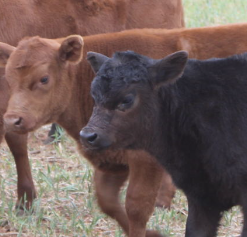
Managing calf scours starts with prevention and early intervention, according to experts from the Beef Cattle Institute at Kansas State University.

During a recent episode of the BCI Cattle Chat, the veterinary team discussed strategies producers can use to manage and prevent calf scours, one of the most common health challenges in young calves.

According to the experts, scours — commonly referred to as calf diarrhea — can quickly become a serious issue if calves become dehydrated or weak. While multiple pathogens such as viruses, bacteria and parasites may cause the disease, management practices play a major role in determining how severely it affects a herd.

“Prevention is really the best strategy when it comes to scours,” veterinarian Bob Larson said.

Experts emphasize that reducing pathogen exposure in the calving environment is a critical first step. Keeping calving areas clean and dry and minimizing contact between older calves and newborn calves can help reduce the spread of disease-causing organisms.

Another key factor in preventing scours is ensuring calves receive adequate colostrum shortly after birth. Colostrum provides antibodies that help protect newborn calves while their immune systems are still developing.

Even with strong prevention strategies, some calves may still develop scours. In those cases, early treatment is essential. Veterinary specialists stressed that dehydration is often the most immediate threat to calves with diarrhea, making fluid and electrolyte therapy an important part of treatment. Early intervention can help calves recover and reduce the risk of more severe illness.

By focusing on sanitation, colostrum management and prompt treatment, producers can significantly reduce the impact of scours during calving season and improve overall calf health and survival.

To hear the full discussion and a research update from a BCI student, visit the BCI website or listen to the latest Cattle Chat episode on your preferred podcast platform. If you have any questions you’d like answered, send an email to [email protected].
Radishes: A root awakening

0

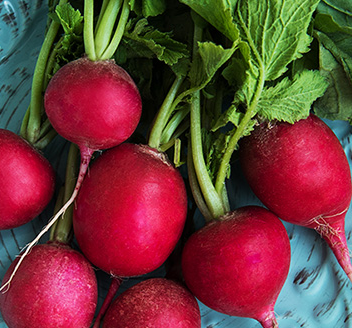
Radishes are great on salads, but many people don’t know they can also be used as a substitute for potatoes. Besides being versatile in the kitchen, they are also one of the easiest vegetables to grow in the garden and are among the first crops that can be planted in early spring.

Radishes germinate quickly and are simple to care for, making them an ideal crop for introducing kids to gardening.

Using an inexpensive kitchen thermometer to gauge soil temperature is the best way to know when to start planting radishes. The minimum soil temperature is 40 degrees F, though they prefer temperatures closer to 55 degrees F. Plant seeds 1/2 inch deep, and they should emerge in 5 to 10 days. Once the seedlings appear, thin them so plants are spaced 1 to 3 inches apart, depending on the variety and size you want.

Radishes are ready to harvest in 25 to 55 days, based on the variety. Salad-style radishes mature quickly, while daikon and kimchi types take longer to develop.

Radishes are nutritious. They are low in calories and rich in potassium, vitamin C, folate, and fiber. When radishes are roasted or cooked, their sharp flavor softens and becomes more earthy. They can also be blended with potatoes to thicken soup, improving the balance and texture. Radishes pair well with potatoes, onions, garlic, and leeks.

Easy Roasted Radishes

Recipe by Taun Beddes

Ingredients:

  • 1 bunch radishes (about 1 pound)
  • 1 to 2 tablespoons olive oil
  • 1/2 teaspoon salt
  • 1/4 teaspoon black pepper
  • Optional: 2 cloves garlic (or garlic powder), thyme, or rosemary

Instructions:

  1. Preheat oven to 425 degrees F.
  2. Trim and halve larger radishes so they cook evenly.
  3. Toss radishes with olive oil, salt, pepper, and optional garlic or herbs.
  4. Spread in a single layer on a baking sheet.
  5. Roast for 18 to 25 minutes, turning once halfway through, until lightly browned and tender.

Optional finish: Add a squeeze of lemon juice, a drizzle of balsamic vinegar, or a sprinkle of Parmesan cheese before serving.

How to donate homegrown produce to a food shelf

0

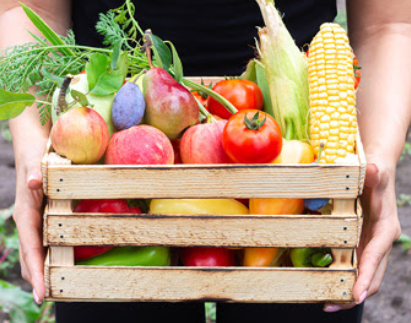
Food shelves are vital resources for keeping our communities nourished. As a gardener, you can positively contribute to your community by donating fresh produce from your garden.

As food shelf visits remain at record highs, with over 9 million visits in 2025, hunger relief leaders continue to express gratitude for the many volunteers and donors who’ve supported them. While the sustained pressure on food sourcing mounts, gardeners may be wondering how they can help.

Here are three things to consider right now if you want to donate fresh fruits and vegetables from your garden this year.

1. Connect

Contact your local food shelf to learn if they accept fresh produce and what produce is most wanted this year. Each community and each food shelf is different, they are often meeting the needs of many taste and cultural food preferences.

Volunteering is a great way to get to know your local food shelf, too. Even volunteering for a few shifts can give you better insight into the community they serve, how donations are processed and how food is distributed.

If you are ready to drop off produce, it’s always good to check their website or social media for schedules, as hours may change from week to week.

2. Grow extra

Spring is the time to think about what you want to grow and can easily do during the growing season. Maybe it is growing one extra tomato plant or some fresh herbs in a container. Maybe you have space and time to grow a whole extra row of produce. You do not have to donate large amounts of produce to make a positive impact in your community. It’s also a great time to ask your local food shelf what types of produce their shoppers look forward to the most in summer.

Commonly requested produce:

  • Tomatoes
  • Peppers, particularly hot peppers
  • Eggplants
  • Cucumbers
  • Greens
  • Onions
  • Potatoes
  • Green beans and peas
  • Herbs

Some food shelves also take seedlings to give to participants in the spring. Make sure the plants are clearly labeled and in individual pots so people know what they are getting.

3. Donation best practices

Make a plan for when you can harvest and take produce to the food shelf. The quality of the produce is important for both the shopper and the food shelf. For example, if the food shelf is not open over the weekend, avoid dropping off produce on Friday afternoons. The produce may sit and spoil over the weekend rather than being taken home and used by shoppers.

Food shelves cannot accept:

Once your produce is ready to harvest, make sure you follow best practices:

  • Wash your hands before harvesting, and ask a family member or friend to harvest if you are sick.
  • Put harvested produce in a clean bag or box.
  • Produce needs to be whole, not cut or damaged.
  • Do not donate canned, dried, frozen or pre-cut foods.
  • Brush-off dirt and debris before bringing produce to the food shelf.
  • Do not wash highly perishable produce like berries or greens as it drastically decreases their shelf-life.

K-State extension to hold youth tractor safety training

0

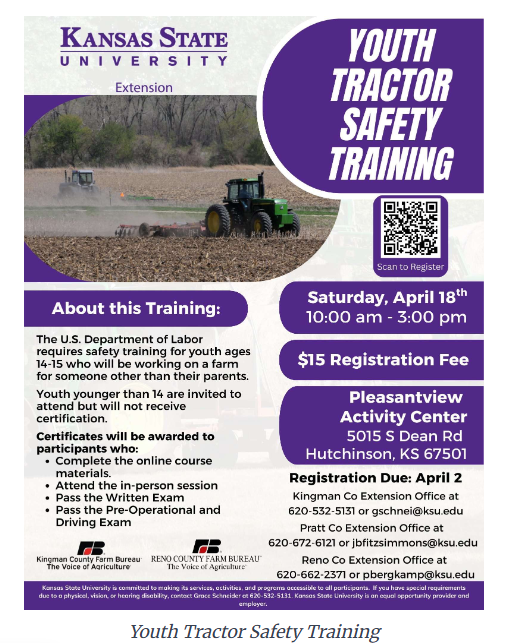
HUTCHINSON, Kan. — Kansas State University Extension is offering a Youth Tractor Safety Training course in Hutchinson next month, providing young people with required certification to safely work on farms.

The training is scheduled for Saturday, April 18, from 10 a.m. to 3 p.m. at the Pleasantview Activity Center, 5015 S. Dean Road.

The U.S. Department of Labor requires safety certification for youth ages 14 and 15 who plan to work on a farm for someone other than their parents. Participants who complete the training will be eligible to receive certification.

Younger youth are also invited to attend, although those under age 14 will not receive certification.

To earn certification, participants must complete online course materials, attend the in-person session, and pass both a written exam and a pre-operational and driving exam.

The registration fee is $15, and the deadline to register is April 2.

The training is supported in part by the Kingman County Farm Bureau and Reno County Farm Bureau.

For more information or to register, contact the Kingman County Extension Office at 620-532-5131 or [email protected], the Pratt County Extension Office at 620-672-6121 or [email protected], or the Reno County Extension Office at 620-662-2371 or [email protected].