Thursday, February 12, 2026
Home Blog Page 404

Creating a migratory oasis for monarchs

0

Experts encourage planting nectar-producing plants ahead of fall migration.

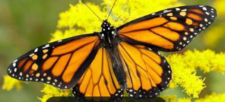
With the summer season ramping up, experts with Texas A&M AgriLife said now is the ideal time to create an oasis for monarch butterflies that will funnel through Texas during their annual fall migration to Mexico.

Although monarchs are generally known for their specialized relationship with milkweed plants, they rely on a wide variety of nectar-producing plants during fall migration, said Wizzie Brown, Texas A&M AgriLife Extension Service program specialist in the Texas A&M College of Agriculture and Life Sciences Department of Entomology, Travis County.

“They usually start heading south through Texas around September into November,” Brown said. “At that time, our goal is to provide them with enough nectar resources and energy to make it to their overwintering grounds.”

Monarchs and milkweed in the fall

Texas is home to roughly 30 native milkweed varieties, and while these plants do provide nectar, their primary role is as a host plant for monarch eggs and caterpillar development during the spring.

However, tropical milkweed, a popular non-native variety commonly sold in garden centers, blooms longer into fall than native milkweed varieties.

Because of this, Mike Arnold, Ph.D., professor and director of The Gardens at Texas A&M University, suggests pruning back tropical milkweed as fall approaches.

“If you don’t prune it back, some of the butterflies may be tempted to stay because they have a steady source of food,” Arnold said.

Monarchs who remain face the threats of harsh winter temperatures and scarce resources. They are also susceptible to parasites that favor late fall and winter conditions.

“We incorporate native and tropical milkweed plantings in the garden, so we’re able to provide a variety of monarch host plants during the spring, but we prune our tropical milkweed all the way to the ground as we approach fall,” Arnold said.

A smorgasbord of fall nectar options

With a migratory journey of roughly 3,000 miles, it is critical for monarchs to find sustenance along the way. Brown and Arnold said there are a variety of native nectar-producing perennials that provide beautiful landscaping options, thrive in Texas’ oftentimes harsh climate, and, most importantly, benefit monarchs and other pollinator species. These selections include:

  • Gregg’s mistflower.
  • Frostweed.
  • Fall aster.
  • Maximilian sunflower.
  • Blazing star varieties.
  • Goldenrod varieties.
  • Flame acanthus.
  • Buttonbush.

Arnold said now is the time to plant these fall-blooming perennials so they become relatively established before the stressful heat of summer.

Annual flower varieties provide additional nectar sources as well as color to a pollinator landscape. Although not native to Texas, annuals like zinnias, marigolds and cosmos thrive within the region and provide dynamic colors to the landscape.

If landowners want to plant these flowers specifically for monarchs, Arnold suggests waiting until mid-to-late summer to sow seeds.

“If planted now, these blooms will peak during the heat of the summer prior to migration,” Arnold said. “With a little planning, you can ensure the flowers are in peak bloom during monarch migration.”

In addition to nectar sources, Brown said providing insects with safe access to water is always a good idea.

“I recommend a shallow dish with pebbles or decorative shells that provide a landing surface above the water,” Brown said. “In order to avoid mosquitoes, you want something that will dry out every three to five days, but that also means you will need to refill with clean water.”

Incorporating pollinators into land management goals

Chase Brooke, AgriLife Extension small acreage and wildlife management program specialist with the Department of Rangeland, Wildlife and Fisheries Management, Stephenville, said aiming for plant diversity is a good strategy whether managing a suburban backyard or expansive rangeland.

“Anything we do to add native plant diversity to our landscape and benefit pollinators is always going to be good,” he said.

Brooke said concerted neighborhood-scale conservation efforts, such as incorporating pollinator gardens and native vegetation into residential and municipal properties, are important as the Texas landscape becomes increasingly urbanized and fragmented.

Small Acreage — Big Opportunity is a collaborative effort between AgriLife Extension and the Texas Wildlife Association to empower owners of small parcels — 100 acres or less — to explore options for wildlife management and meet their conservation goals.

“A person with a small plot of land may not feel like they can positively impact wildlife, but a neighborhood approach can make an incredible difference for pollinators, migratory birds and small mammals,” Brooke said. “There are a lot more opportunities to benefit wildlife than some might initially think.”

Adding native plants can save landowners money

These actions not only benefit wildlife, they may also benefit the landowner’s wallet.

Landowners who manage their agricultural acreage for pollinators or other wildlife and meet certain criteria are eligible to convert their agricultural use valuation for reduced property tax rates under the state’s wildlife tax valuation.

“Generally speaking, the things that are good for monarchs are good for other pollinators,” Brooke said. “Our focus comes down to integrating the things that are good for pollinators and other wildlife while also helping landowners meet their management goals.”

Recognizing heat-related warning signs for gardeners and landscapers

0

Landscaping and gardening are great physical exercises, and studies show they are good for emotional well-being. But those working outside must remain aware of the dangers associated with heat stress on their bodies.

“When I was working as a landscaper, we had to sod a large backyard during a day when the temperature was over 100 degrees Fahrenheit”, says Chris Enroth, Extension horticulture educator.

“We were hustling to get the sod down quickly, so it didn’t burn up in the hot sun. About midway through the day, I started feeling nauseated and dizzy, and I stopped sweating. I was disoriented and could no longer push my wheelbarrow. That’s when I knew I was suffering from severe heat exhaustion, perhaps even heat stroke,” says Enroth.

Hard work and warm weather can lead to dangerous health conditions. As muscles work, they generate heat. The warmer the air temperature is, the harder the body has to work to stay at normal body temperature.

When the body can’t keep up with maintaining its internal temperature, people experience heat exhaustion or, in more severe cases, heat stroke.

Heat exhaustion can take place over several days of working outside without proper rehydration. Symptoms include:

  • Increased body temperature, above 100 degrees Fahrenheit.
  • Cool, moist, clammy skin.
  • Weakness and muscle cramps.
  • Headache.
  • Dizziness, nausea, or vomiting.
  • Fainting.

Treat individuals experiencing symptoms of heat exhaustion by getting them to a cool place with good air movement where they can lie down with their legs elevated. Apply cold packs or wet towels while the individual drinks cold water. If symptoms do not improve after 30 minutes, seek medical attention.

Heat stroke is the most severe heat-related illness. Side effects can be as dangerous as organ failure, coma, or death. Symptoms of heat stroke are:

  • High body temperature,106 degrees Fahrenheit or higher.
  • Hot, dry skin — not sweaty. Red, flushed appearance.
  • Rapid pulse and difficulty breathing.
  • Confusion, hallucinations, or irrational behavior.
  • Agitation, convulsions, or seizure.

If you suspect someone is having a heat stroke, dial 911 immediately.

“From my experience, most people suffering from heat stroke may not be aware of their condition until it’s too late,” says Enroth.

While waiting for emergency personnel, administer first aid to the individual by moving them to a cool place and removing excessive clothing. Allow them to rest while keeping their head and shoulders slightly elevated. Use any means to cool them by applying ice packs to the back of the neck, armpits, and groin area or putting them in a cool shower or bath. Monitor their body temperature as they cool, as it is possible to snap them into hypothermia. Once their body temperature reaches 102 degrees Fahrenheit, remove the ice packs and wet towels, or remove them from the bath or shower. Be vigilant for possible seizures.

Take Precautions

It doesn’t have to be 100 degrees outside for someone to experience heat stress. As winter warms to spring and summer, our bodies are not adapted to tolerate the heat. It takes one to two weeks to build up a tolerance for working in the heat. Landscapers and gardeners need to transition their bodies by initially scheduling shorter periods of work outside.

Enroth recommends hydrating before work begins. Take 15-minute breaks every two hours when working outside on a hot day. Consider scheduling the most strenuous activities during the morning or evening and avoid working during the hottest time of the day. Alcohol and drugs can increase the severity of heat stress, and so can some medications.

Sports drinks are good to have on hand, but water is the best thing to drink before, during, and after a hot workday.

Tip Blackberries, Black Raspberries and Purple Raspberries

0

Raspberries and blackberries have similar growing and fruiting habits. The perennial root system grows for several years. The canes are biennial (live for two years).

The first-year canes are called primocanes and do not produce fruit. The second year, the primocanes become floricanes which fruit and then die. Primocanes are produced each year so plants have both types of canes present simultaneously.

Primocanes should be tipped by removing the top two to three inches to promote branching and fruiting.

The species and fruiting habits of the plant determines how the plant should be tipped. Plants that do not fruit on primocanes are referred to as “everbearing”. Plants that produce fruit only the second year are called “traditional”.

Here are guidelines for tipping blackberries and raspberries:

  • Traditional blackberries: tip at 4 feet
  • Everbearing blackberries: tip at 25-30 inches; tip laterals at 25-30 inches as well
  • Black Raspberries: tip at 3 feet
  • Purple Raspberries: tip at 36-40 inches
  • Red Raspberries: do not tip

Will loud, pervasive 13-year or 17-year cicadas emerge from the earth this year in Kansas

0

A loud, pervasive type of cicada that emerges only once every 17 years will appear this year in far western Missouri, but apparently not in Kansas.

Cicadas from what is known as “Brood XIII” are projected to come up from the ground in an area extending as far east as Benton County, Missouri — which is adjacent to Crawford County in southeast Kansas — says a 2024 cicada map compiled using data from various federal agencies and published May 7 by USA Today.

But Brood XIII cicadas aren’t expected to emerge in Kansas, which is anticipated to see “only the non-periodical cicadas we see every year,” said Rodrigo Mercader, an assistant professor of biology at Washburn University.

“We will have to wait until 2032 to see periodical cicadas in Kansas when Brood IV emerges,” Mercader told The Capital-Journal on Monday.

Brood IV cicadas also come up from their subterranean homes every 17 years, and last did so in Kansas in 2015, he said.

Why are people excited about periodical cicadas?

There are at least 15 cycles, or “broods,” of periodical cicadas, some of which emerge every 17 years while others emerge every 13 years.

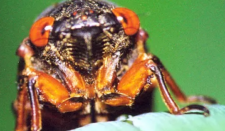
The red-eyed bugs with black bodies and translucent, orange-tinted wings stay above ground for a few weeks, mating and laying eggs, before they die. Their eggs then produce the next generation of cicadas.

Mercader said people are becoming excited about periodical cicadas this year for two main reasons:

• Numerous periodical cicadas from two different groups — Brood XIII, which emerges from the ground every 17 years and Brood XIX, which comes up every 13 years — are appearing this year. Though the geographic areas where those broods appear are adjacent, there is little overlap and only small areas of central Illinois are expected to see both broods. The two broods last emerged at the same time in 1803.

• Broad XIX periodical cicadas will be present in a large geographic area, appearing in “quite a few” states.

Where are periodical cicadas expected to appear this year?

Different broods of cicadas emerge in different parts of roughly the eastern half of the United States in different years. Other species of cicada show up every summer.

Cicadas have not been seen in the far West.

Many of this year’s cicadas have already come up from the ground.

States anticipated to see periodical cicadas this year are Alabama, Arkansas, Georgia, Illinois, Indiana, Iowa, Kentucky, Louisiana, Michigan, Mississippi, Missouri, North Carolina, Oklahoma, South Carolina, Tennessee, Wisconsin and Virginia.

As reported in the Topeka Capital Journal

Third-party United Kansas registered in Kansas after gathering nearly 20,000 signatures

0

United Kansas met the requirements to become a registered political party in the state, one of only three minor political parties active in the state, according to the Kansas Secretary of State’s Office.

The party started canvassing for supporters two months ago to get to the statutorily required 19,548 signatures, or 2% of the total votes cast during the last gubernatorial election. United Kansas follows No Labels Kansas, which was recognized in January as a minor party, and the Libertarian Party of Kansas, which has been recognized since 1992.

The party says its mission is “to unite Kansas under shared values and common goals” and that it values multiparty dialogue, grassroots community efforts and inclusivity for all Kansans. It says its key issues are fostering business-friendly environments, affordable health care, quality education and continuous funding, fostering civic engagement, infrastructure modernization and environmental protection.

In a letter on its website, United Kansas’s party chair Jack Curtis advocates for fusion voting to transform the Democratic process to make it more collaborative.

“By allowing them to cross-nominate candidates, we ensure that these parties have a genuine stake in the electoral process rather than be sidelined as a potential spoiler. This not only amplifies diverse voices but also encourages major parties to adopt more moderate and inclusive stances, leading to a more balanced political environment,” Curtis wrote.

Curtis is joined in party leadership by vice chair Sally Cauble, a former Republican State Board of Education member, and treasurer Aaron Estabrook, an Independent former member of the Manhattan City Commission and USD 383 Board of Education.

The party will be able to select candidates for the November elections through a convention or caucus by June 3. It will be able to hold statewide primaries for office if its candidate for governor gets more than 5% of the vote statewide.

As reported in the Topeka Capital Journal