Monday, March 16, 2026
Home Blog Page 809

The Difference Among Determinate, Semi-Determinate and Indeterminate Tomatoes 

0

            Tomatoes are often classified as determinate, semi-determinate or indeterminate.  Determinate plants produce one large crop and then virtually nothing thereafter.  They are favored by commercial growers that want to harvest most of the fruit from one picking.  They then use succession plantings where a new crop is planted on a set schedule to have fruit production throughout the season.  Mature plants are smaller than other types and can be planted closer together to get the most tomatoes from a set space.  Primo Red is a variety that is strongly determinate.

            Indeterminate plants are the traditional tomatoes that never stop growing.  They are capable of producing fruit throughout the season unless disease stops production or until frost kills the plant.  They do best with support as they can reach six feet tall when staked or caged.

            Semi-determinate plants are more compact than indeterminate types but are also capable of producing fruit throughout the season.

            Most of the varieties available to home gardeners are either indeterminate or semi-determinate.  Though both are capable of producing fruit throughout the season, our hot Kansas summers often cause a dry spell in production of both types.  Tomatoes are less likely to set fruit when night temperatures remain above 75 degrees and day temperatures are above 95.  Hot, dry winds make the situation worse.

            Gardeners with limited space will likely prefer indeterminate or semi-determinate types to stretch out the harvest season.  If there is space, you may want to grow a combination of all three with the determinates used to produce a large harvest for canning or tomato juice and the remainder for fresh eating.

Ward Upham, Extension Agent
After Keystone oil spill, Kansas Democrats want to cancel tax exemptions when pipelines leak

0

The Keystone is Washington County’s biggest source of property taxes for schools and other local government, but the company didn’t pay for 10 years

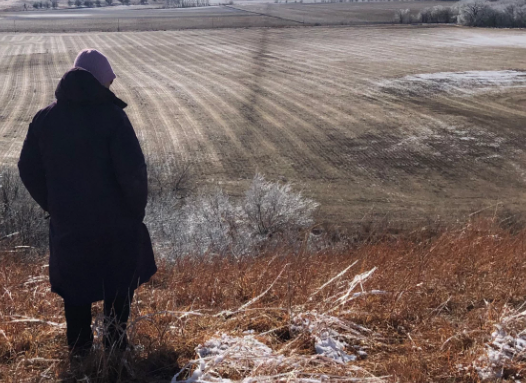
After the Keystone spilled more than half a million gallons of crude oil onto native prairie and cropland and into a creek, some Kansas lawmakers want oil companies to forfeit their tax exemptions when pipelines burst.

Right now, energy companies that lay pipelines in Kansas get to skip out on the first 10 years of paying taxes to school districts, county governments and other local units of government along their routes.

A group of 21 Democratic state lawmakers want to tweak Kansas law so that the exemption ends immediately if a pipeline carrying substances such as oil or natural gas spills or leaks within those 10 years.

“If you want state dollars to do a project, then you have to prove to be good stewards of our state’s land,” state Rep. Rui Xu said. “A spill like the Keystone spill obviously does not satisfy that.”

He expressed some frustration that the proposed legislation wouldn’t apply to the current Keystone situation. The bill can’t function retroactively. Additionally, the Keystone pipeline’s decade of freedom from property taxes recently ran out.

But companies still enjoying that freedom for newer pipelines or planning to capitalize on it for future ones would need to keep their pipelines spill-free for the full decade.

In the case of a spill or leak within that time frame, a company wouldn’t just forfeit the rest of the 10-year exemption — it would have to cough up back taxes for all the previous years that the pipeline was exempt.

The money would get split up among the schools and other local taxing units along the route.

One leg of the Keystone pipeline runs north to south through Kansas, from Washington County on the Nebraska border down through Clay, Dickinson, Marion and Butler counties to Cowley County on the Oklahoma border.

Another leg cuts diagonally across the northeast corner of the state through Marshall, Nemaha, Brown and Doniphan counties.

The effect of the Keystone finally landing on the tax rolls was particularly dramatic for Washington County, where the pipeline instantly became the biggest source of local tax revenue. The Washington County News reported last month that two school districts, the county and other local units of government will collect more than $1.9 million from TC Energy this year.

The Keystone is TC Energy’s largest oil pipeline system. It carries a non-conventional crude oil called diluted bitumen, or dilbit, from Alberta to Illinois, Oklahoma and Texas.

That dilbit from the Canadian tar sands doesn’t behave like regular crude oil, and poses special risks and challenges when it spills.

TC Energy said this week that bad welding and other problems contributed to the Keystone’s largest spill ever when the pipeline burst Dec. 7 in Washington County.

The company is under a federal order to continue analyzing what happened and whether other sections of the north-south stretch of pipe through Kansas are similarly vulnerable.

The Pannbacker family in Washington County, whose farm was left partly covered in crude oil from the spill, has expressed frustration that the federal government allowed TC Energy to resume pumping oil through the segment in late December, even as the investigation into what went wrong continues.

Celia Llopis-Jepsen covers the environment for the Kansas News Service. You can follow her on Twitter @celia_LJ or email her at celia (at) kcur (dot) org.

The Kansas News Service is a collaboration of KCUR, Kansas Public Radio, KMUW and High Plains Public Radio focused on health, the social determinants of health and their connection to public policy.

Barrel Racers Hear About Kansas Horse Council Services

0
Frank J Buchman
Frank Buchman

“The Kansas Horse Council serves as one voice, defending, and developing opportunities for equine owners in Kansas.”
Kassidy Schumann, Kansas Horse Council (KHC) office assistant, spoke at the National Barrel Horse Association (NBHA) Kansas District 5 meeting in Clay Center.
With headquarters in Manhattan, the KHC monitors state and national policies affecting equine ownership and management, Kassidy said. Justine Staten serves as the KHC executive director.
Kassidy grew up on a cow-calf operation near Lecompton, working all areas of agriculture. She was on the national reserve champion hippology (study of horse) team at Denver’s 2022 National Western Livestock Show. While a KHC intern, Kassidy is studying agricultural communications-journalism at Kansas State University.
“The Kansas Horse Council promotes all horse breeds and disciplines,” Kassidy emphasized. “The KHC educates about equine health, wellness, industry, working, regulatory, sports, and leisure activities for Kansas equine enthusiasts.”
A non-profit organization founded in 1992, the KHC is supported by memberships, license plate sales, and fundraising.
“EquiFest is the main KHC’s main fundraising activity and is scheduled this year at Salina, March 16-19,” Kassidy said. “EquiFest was founded in 1998 to represent all breeds and disciplines, providing entertainment and education.”
Organized by request of the Kansas Board of Agriculture, the KHC’s first mission was advocating for passage of limited liability laws for domestic animal activity.
“The KHC helped coordinate a world championship endurance race at Rock Springs 4-H Camp, south of Junction City,” Kassidy said. “Competition featured a 100-mile course with 86 horses entered from 16 countries.”
Considerable work has been done establishing, improving, initiating access, and monitoring horseback riding trails in Kansas. “This has been through cooperation with the Back Country Horsemen of Kansas and the Department of Wildlife and Parks,” Kassidy said. “The KHC is now offering a joint membership with the Back Country Horsemen of Kansas.”
An equestrian trail guide for Kansas is currently being updated for release this spring.
“The Horsemanship Rewards Program recognizes KHC members with awards for hours logged riding and working with horses,” noted Kassidy.
“Work has been done through the Kansas Board of Agriculture and Ag Summit to recognize equine as a major economic driver in Kansas,” Kassidy related. “The first equine economic impact report since 1996 was completed last year.”
“Agritourism is being supported by the KHC in cooperation with the Kansas Department of Commerce,” Kassidy noted.
Horse Care 101 is a KHC event produced with Kansas State University’s Veterinary Department. “Temple Grandin, animal science professor, animal behaviorist, and autism activist, will be a featured speaker this year,” Kassidy said.
The Kansas Horse Council Foundation is a 501c tax-exempt organization established in 2003 to offer scholarships to young equestrians. “We have awarded $174,000 in scholarships to date,” Kassidy said.
Kansas Horse Council license plates are now on more than 2,000 Kansas vehicles, according to Kassidy.
“There is a one-time fee of $50 to the state of Kansas with an additional $30 annual cost,” she said. “You don’t have to be a KHC member to have the license plates which help support scholarships and other activities.”
A typical day in the KHC office includes phone calls on a wide range of topics. They could be about fence laws, animal welfare, saddle club interests, business insurance, or legal issues.
“We also host and participate in zoom calls and webinars on national issues. educational topics, and group needs,” Kassidy said.
The Kansas Horse Council is developing a marketing plan for introductory public interface equine experiences. Efforts are also directed toward expanding Kansas liability laws to recognize spectators as participants in equine or domestic animal activities.
“We’re working to define horses as livestock in all regulatory interpretations and developing equine venues, amenities, and improvements,” Kassidy said. A student KHC advisory board is being organized to collaborate with the KHC directors.
As a reminder, Kassidy noted that EquiFest of Kansas is the primary KHC fundraising event scheduled at Salina March 16-19. “This year, we have extended the event to four days with free admittance on Sunday,” she pointed out.
Barrel racers and all horse enthusiasts were encouraged to join the Kansas Horse Council.
“After joining you will receive a one-million-dollar personal excess liability policy on your horses,” Kassidy said. “KHC members get purchasing discounts from Kansas and national dealers, reduced liability law sign cost, and more.
“So, I urge you to get involved, join, volunteer, and participate in the Kansas Horse Council,” Kassidy Schumann invited.
A KHC display at the meeting featured membership forms, license plate details, and horse-related handouts. KHC information and tokens were given to all banquet attendees at their meal place setting.
Additional information is available at www.kansashorsecouncil.com.

CUTLINE
Kassidy Schumann, Kansas Horse Council office assistant, spoke about services of the organization at a National Barrel Horse Association Kansas District 5 banquet.

Plants Recommended for Kansas 

0

            If you have had trouble finding a listing of plants recommended for Kansas, visit our web page devoted to this topic. We have links to a wide variety of plants including iris, daylilies), fruit, vegetables, turfgrass, low-maintenance roses and tree recommendations.  The tree recommendations are broken out by areas of the state. We also list recommended low water use plants. You can find this page at http://hnr.k-state.edu/extension/info-center/recommended-plants/

 We also have images of hundreds of the following:

            – Varieties of iris, daylilies, roses and peonies found in the University Gardens Collection Gardens at http://www.k-state.edu/gardens/gardens/collections/  (Ward Upham)

Poisonous Plants

            Some of the plants we commonly use in our homes, gardens and landscapes are poisonous. We often have requests from parents who want to make sure their plants are safe for young children.

            The following poisonous plant list came from various University websites.

Flowers:

caladium (all parts)

cardinal flower (all parts)

castor bean (seeds and leaves)

daffodil (all parts)

flowering tobacco {Nicotiana} (leaves and flowers)

four-o-clock (roots and seeds)

foxglove (all parts)

hellebore (all parts)

iris (all parts)

lantana (unripe fruits and leaves)

larkspur {Delpinium} (all parts)

lily of the valley (all parts)

lupine (all parts)

monkshood(all parts)

poppy (all parts except ripe seeds)

snowdrop (bulb)

spurge (milky sap)

star-of-Bethlehem (all parts)

sweet pea (seeds, seedlings, and pods)

tulip (bulbs)

Houseplants:

Chinese Evergreen

anthurium (all parts)

aloe (sap if ingested)

calla lily (all parts)

croton (seeds, leaves, and stems)

crown-of-thorns (milky sap)

dieffenbachia (all parts)

elephant ear (all fig (leaves, fruits, and sap)

Jerusalem Cherry (all parts)

mistletoe (all parts)

Philodendron (all parts)

Fruits:

apple (bark, leaves, seeds)

pear (bark, leaves, seeds)

apricot (bark, leaves, seeds, pits)

peach (bark, leaves, seeds, pits)

nectarine (bark, leaves, seeds, pits)

plum (bark, leaves, seeds, pits)

cherry (bark, leaves, seeds, pits)

avocado (leaves, unripe fruit, bark, and seeds)

Landscape plants

azalea (leaves and flowers)

black locust (all parts)

Boston ivy (berries)

boxwood (leaves and twigs)

buckeye (leaves, shoots, bark, flowers, and seeds)

burning bush (all parts)

cherry (leaves, twigs, bark, and seeds)

clematis (leaves)

elderberry (roots, stems, bark, leaves, and unripe fruits)

English ivy (all parts)

golden chaintree {Laburnum} (all parts)

holly (berries and leaves)

horsechestnut (all parts)

hydrangea (leaves and buds of some species)

Kentucky coffee tree (seeds, fruit pulp, leaves, twigs)

oak (acorns, leaves, and young shoots of some species)

poison sumac (all parts)

privet (all parts)

rhododendron (leaves and flowers)

Virginia creeper or woodbine (berries)

yew {Taxus} (all parts except the fleshy red cover on the seed)

wisteria (all parts)

Vegetables:

potato (green skin, buds, and sprouts on tubers, also fruits and foliage)

rhubarb (leafy blade, not the leaf stalk)

            For more information, consult the following references.

Common Poisonous Plants and Mushrooms of North America, Turner and Szcawinski, Timber Press, Inc. ISBN 0-88192-179-3

Potentially Poisonous Plants in the House and Garden, http://www.northcarolinahealth.com/poisonous-house-plants-and-vegetables.php

Ward Upham, Extension Agent

Drought’s impact felt throughout beef chain, analyst says

0

A lengthy drought that impacted the beef supply chain in 2022 is going to have its fingers on cow-calf producers and feeders in 2023, according to Lance Zimmerman, a senior beef analyst at RaboResearch Food and Agribusiness team.

Globally protein supplies are trending upward, he said. The beef side of the balance sheet will be steady at best with U.S. ranchers making adjustments to their cowherds because of reduced pasture and forage.

“From a supply standpoint, when you look at what’s happening with the U.S. beef production system, it’s simply a matter of having an overdue bill in terms of cattle numbers contraction,” he said.

Black swan events at the Tyson plant in Holcomb, Kansas, in 2019, were followed by the economic shutdown the COVID-19 pandemic in 2020. Then in 2021 and early 2022, the industry was able to get back on track, he said.

“Then the drought doubled down. Everything got sped up because we ran out of resources at the pasture level,” Zimmerman said.

Backgrounders and feedlots were also affected, as they had less feed to finish. Ranchers are moving cattle much quicker to the feeders and ultimately processing plants.

“Flip the script to 2023 and not just is the fed slaughter going to be lower to the tune of probably 1 million head, but you’re also going to have a reduction in cow slaughter as well, declining 400,000 head or more,” Zimmerman said. “As you round that up, you’re going to have nearly a 1.5 million head reduction in cattle slaughter.”

He projects beef production will be down 4% year over year, and analysts project Brazil and Australia to have an increase in production. Mexico is likely to have a smaller increase but all those three countries will not make up for the loss in U.S. production, he said.

From a demand standpoint, it is always based on retail dollars. “What we all fight for downstream—from retail and food service—create the pie so to speak,” he said.

The retailer, restaurant operator, distributor, packer, feeder and cow-calf producer are all fighting for one slice of the pie, which means the larger the pie more money is available for each sector, he said.

While prices in 2022 were not at the record highs, they were within 20 to 25 cents a pound of the previous high set in fall 2021.

The poultry and pork industry both faced unique production challenges in the first half of the year, he said.

Combined with the strong demand for protein, those factors helped push up beef prices but the story started to change in the second half of the year.

“We got to the second half of the year and things started changing for all three (protein producers),” Zimmerman said. “Chicken breasts really came off their earlier highs and pork prices normalized. These prices were considerably softer on the aggregate, even while retail meat and poultry prices tended to hold a little more steady.”

Retail shoppers, in the face of increasing inflation that has upped all of their costs, are making adjustments in their budgets and buying less expensive cuts of beef, and he sees that continuing in 2023. That translates into a 1- to 2-pound reduction per person, and that will be enough to soften demand some. With tighter supplies, it will continue to keep retail prices higher and he expects wholesale beef prices to hold.

Grain price impact

Rabobank’s analysis showed global grain and oilseed prices nearly doubled from May 2020 to May 2022 due to strong demand, supply concerns and geopolitical uncertainty mostly tied to Russia’s ongoing invasion of Ukraine. With a lingering drought and uncertainty in the Black Sea, Rabobank analysts believe those prices will remain relatively high in 2023.

Zimmerman believes those factors will continue to limit margins for producers. Those producers who depend on feed grains will also be impacted by higher energy costs that have escalated fuel and fertilizer costs. Packers and processors will also feel the pinch and that will decline their purchasing power.

In addition, costs that crept up in 2022 associated with borrowing, shipping and labor are expected to remain a part of the 2023 equation.

The boxed beef cutout averaged $265 per hundredweight in 2022, and Zimmerman expects it to be about $270 in 2023. Fed steer prices told a similar story. After averaging $144 this year, he projects them to be $159 per hundredweight in 2023. How it all impacts cow-calf producers remains variable as they have had to adjust herd size as a result of drought

“If we weren’t in an environment where feed prices were still incredibly high the drought would still likely play out and still be a major factor in these markets all the way through next year to a certain extent. I think you could see more optimism and more bullishness, perhaps, in those calf feeder cattle markets.”

That optimism is offset by the uncertainty of a drought that has impacted corn and other feed supplies or forage in a pasture has left “a little bit of a dark cloud” in the industry.

Each year adds a new chapter in beef production because when it comes to trends of expansion and liquidation, it has the tails that can drag out for quite a while. Even if there is a 400,000 head reduction in 2023, the cow slaughter numbers are still likely to equate to a culling range above 12%, compared to 13.4% in 2022. A return to below 11% is when the market is signaling a stabilization in numbers.

Ranchers were also selling heifers as they culled herd size and it will take time to restore that stock, he said.

“As we look at the data, our expectation is that we’re probably not going to be able to use the word expansion in our vocabulary until we get into 2024 and probably the second half of 2024 at best,” Zimmerman said, adding it means the first full calendar year of expansion would not occur until 2025 or 2026 at the earliest.

Processing expansion

Beef has taken note of the expansion of pork and poultry plants and that has helped those sectors to be able to react quicker to market forces. Several beef plants have announced plans to add capacity and Zimmerman said ranchers should be encouraged by new plants planned for North Platte, Nebraska; Amarillo, Texas; and near St. Louis, Missouri. Those facilities in the long range should strengthen all beef sectors including with competitive prices. It also means more opportunities to export beef.

Advice to ranchers

Zimmerman, who grew up on a Kansas family farm, says producers should heed the tried-and-true advice of reviewing expenses and making sure capital expenditures fit their needs.

If a cow-calf producer has 500 head or fewer and the long-term return is $100 a head, that means about $50,000 a year in income and would be tough to support a household of four people, Zimmerman said. Regardless of whether it is a cattle feeding, stocker-grower, backgrounder or cow-calf operation, the producer must closely look at every dollar spent. As calf prices go up there is a desire to expand but it must be met with a realistic bottom line.

“Every penny we spend needs to have a revenue expectation assigned to it,” he said. “If you’re going to spend $6,000 on a bull, I think that’s fine as long as you recognize what the bull brings to your breeding program to add value to the calf crop on the back side.”

The expectation should be instead of getting three to four breedings from the bull, he should provide six to seven breedings.

Today’s producers have software programs, as an example, to help track expenses.

“The volatility has increased so make sure you arm yourself with risk management tools,” he said.

Ten years ago future markets could help some ranchers, but today the U.S. Department of Agriculture offers a risk management program that can benefit smaller operators. Also, there are forage and rangeland insurance programs that can mitigate risk.