Sunday, March 29, 2026
Home Blog Page 971

Tomatoes (or Lack Thereof) and Fall Hummingbirds

0

Our garden each year consists of 6 tomato plants, and some years, that’s all. Each winter, using a tried-and-true family recipe, we make tomato soup. So, all our tomatoes, minus a few for BLT’s are cut-up and frozen in one-gallon freezer bags for this winter’s soup. I usually plant my tomatoes early, mid- March to early April, using “Walls-of-Water,” plastic gadgets filled with water that provide each plant with its own little greenhouse. I’ve learned that here in Kansas, planting that early gets them setting fruit and producing tomatoes before the obnoxious hot weather. I plant “indeterminate” tomato plants which will live and continue to produce fruit until frost, allowing for a nice fall harvest also.

As most of you have already noticed, this year has not been a “tomato year” as a Master Gardener friend of mine puts it. My tomatoes were planted later than usual because I had knee surgery, so I have not even put any into the freezer yet. Shirley Buller, my Master Gardener friend from Montezuma, Kansas explains that tomatoes will not set fruit when the temperature stays above 75 degrees. So, since the weather got so hot so early, and the fact that the temperatures barely get as low as the mid 70’s at night, combined with the horribly hot days, tomato plants are just not yielding fruit. Her advise is to keep the plants well-watered and well-fertilized until the weather begins to cool, then prepare for a nice fall harvest of tasty Kansas tomatoes. Adding too much nitrogen when fertilizing often results in massive plants but few tomatoes. But this year, Shirley says that extra watering can result in leaching away of nitrogen reserves, so adding a LITTLE nitrogen now may be beneficial.
……………………………………………………………………………………………………………………………..

Each year here in Inman, we see one or two hummingbirds in the spring or in the fall, then we’ll hustle to get a feeder up but never see them again. Late last August that scenario repeated itself, we put up a couple feeders, and four of the little buggers hung-out here with us until they left to go south. In researching hummingbird “gurus” here in KS, I was told to contact Chuck Otte, Agriculture and Natural Resources Agent for Geary County. He says that hummingbirds here in KS “leisurely” begin meandering south in late July; the adult males first, followed by the adult females then this-years young. Otte also says winds and weather fronts & patterns help determine when they leave for their winter digs in southern Mexico or northern Central America. I just assumed they would all go together in one large group, especially so the youngsters could safely follow, but he says that’s not the case.

When talking hummingbirds, feeding them always enters the discussion, and Otte had lots of advice. He advises feeding hummingbirds straight sugar water, mixed one-part sugar to four parts water; NO red food color, NO honey, NO sugar substitutes or other additives, just straight sugar water. Don’t mix the syrup stronger than that, as hummingbirds get most of their water from the syrup they drink. They are attracted to the color red, so it may be helpful if the feeder is red, but avoid yellow on the feeder as yellow attracts bees and wasps. Put the feeders up in late July to begin attracting fall travelers.

Our feeders have been up a week, but with no hummingbirds yet. I spoke with Chuck yesterday and he said he has lots already at his home near Junction City, so his advice for all of us “fall hummingbird hopefuls” is to keep the faith, so we’re looking for fall hummingbirds with our fall tomatoes. Continue to Explore Kansas Outdoors.
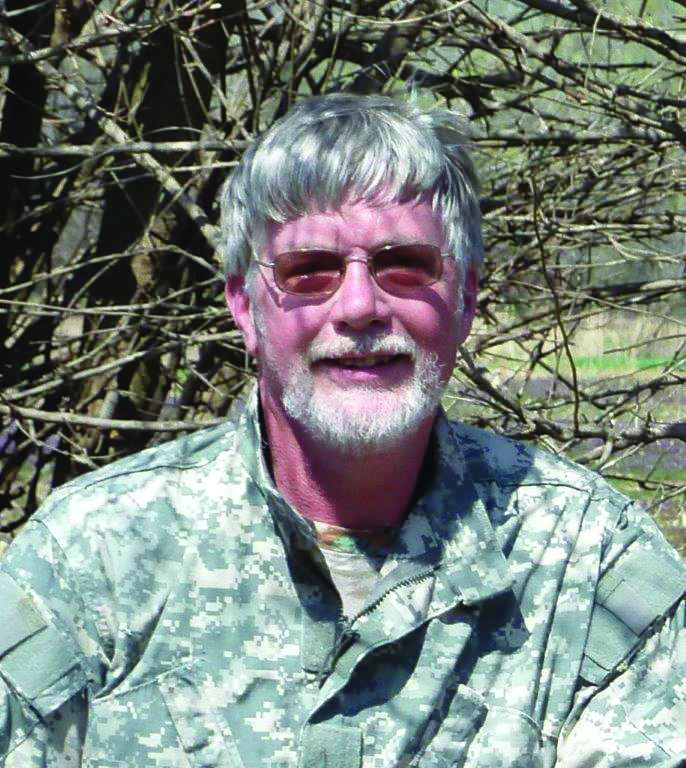
Steve can be contacted by email at [email protected].

Sizzling Home Fries

0

Serves: 4

Cooking Time: 20 minutes

What You’ll Need:
  • 2 teaspoon paprika
  • 1 teaspoon garlic powder
  • 1 teaspoon salt
  • 1/2 teaspoon black pepper
  • 6 red potatoes (about 2 pounds), scrubbed and cut into 1-inch chunks
  • 2 onions, chopped
  • 1/3 cup vegetable oil

What To Do:

  1. In a large bowl, combine paprika, garlic powder, salt, and pepper; mix well. Add potatoes and onions; toss to coat evenly.
  2. In a large skillet over medium-high heat, heat oil. Add potato mixture to skillet; cover and cook 10 minutes.
  3. Increase heat to high, uncover, and cook 8 to 10 additional minutes, or until potatoes are tender and golden, stirring occasionally.

Myths associated with urinary incontinence

0

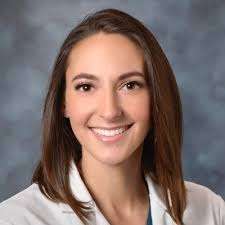
As a practicing urologist who is double board certified in urology and female pelvic medicine and reconstructive surgery, I see a lot of patients with urinary incontinence. And while it is extremely common, many myths surround the topic. Sadly, even though more patients in the U.S. suffer from overactive bladder than diabetes, there is very little education surrounding incontinence and other pelvic floor disorders.

One common misconception I hear is “you have to drink eight glasses of water.” Says who? Was it your doctor? Maybe. There are a few medical conditions where you need to drink extra water, kidney stones being one of them. However, the more you drink, the more you urinate. So, if you are having urinary issues, the first step is likely to cut back on fluids and simply drink when you are thirsty.

It is also important to note that some bladder medications can be dangerous. Anticholinergics are the most prescribed group of medications for urinary leakage with urgency and overactive bladder. Recent studies have shown an association between these drugs and dementia. If you take these drugs, you may be up to 50 percent more likely to get dementia. The risk increases with age and with longer medication use. The good news is there are newer, safer medications available, which are often covered by your insurance. Be sure to review your medication list with your doctor and confirm if the medications you are taking are right for you.

Additionally, not all bladder leakage is the same. There are several types, and they are treated differently. If you leak with activity, like coughing, laughing, sneezing or exercise, a simple office procedure or same day surgery may be appropriate. On the other hand, if you are making constant trips to the bathroom or having leakage with a strong urge to urinate, a medication, Botox injection or implantable bladder pacemaker may be the answer. Keeping a bladder diary of how much you drink, when you urinate, and what you are doing at the time of leakage can be a tool to help determine which type of leakage you have. Bladder diaries are free and available online or may be provided by your doctor.

Lastly, I wish more people knew that incontinence is not normal. It is not a part of aging that must be accepted, or a consequence of childbirth that cannot be helped. If you or someone you know suffers from urinary incontinence or other pelvic floor disorders, please talk to your urologist. There are many treatments available to help you improve your quality of life.

Lauren Wood Thum, M.D. is a contributing Prairie Doc® columnist. She is double board certified in urology and female pelvic medicine and reconstructive surgery with a practice based in Sioux Falls, South Dakota. Follow The Prairie Doc®…based on science, built on trust, at www.prairiedoc.org and on Facebook featuring On Call with the Prairie Doc® a medical Q&A show streaming live on Facebook most Thursdays at 7 p.m. central.

Wheat Scoop: USW trade team visit to Kansas reinforces the importance of trade relationships with top customers from Colombia

0
Kansas Wheat

Contact: Marsha Boswell, [email protected]

For audio version, visit kswheat.com.

Farmers aren’t the only ones who keep a close eye on Mother Nature’s shenanigans during the growing season. Around the world, grain buyers, millers and bakers track the progress of the U.S. wheat crop, eagerly awaiting the quantity and quality of each year’s harvest. Moving past the headlines and putting these critical customers in direct contact with the U.S. wheat industry is the job of U.S. Wheat Associates (USW) – the industry’s export market development organization.

To do so, USW invests funding from USDA Foreign Agricultural Service export market development programs to bring trade teams of overseas customers and stakeholders to the United States each year. These visits provide important selling points in a world marketplace where Kansas wheat producers compete against their counterparts in Canada, Argentina, Australia and the Black Sea.

“While harvest results differ from county-to-county and state-to-state, America’s hard-working farm families produce enough wheat every year to fill our tables while still supplying world wheat trade,” said Aaron Harries, vice president of research and operations for Kansas Wheat. “Coordinating local visits connect our customers with the dependable folks who work to provide the right kind of wheat for their specific end-use needs.”

On the heels of a team of next-generation flour millers and commodity buyers from the Middle East and North Africa, Kansas Wheat recently hosted a team of senior managers and wheat buyers from five Colombian flour mills and the leader of Fedemol, the Colombian milling and wheat food industries association. Over nine days, these customers also visited Washington state and Ohio.The team had a busy day in Kansas on Friday, July 29. At the Kansas Wheat Innovation Center, the team received an overview of the Kansas wheat industry and an HRW crop update before touring the facility. The team also had a briefing by the neighboring IGP Institute.

After lunch, the team traveled to Salina to tour the Cargill terminal elevator and the Kansas Grain Inspection Service station. Back in Manhattan, the team also visited Engrain, which provides innovations in milling and baking that improve bread volume, optimize pasta texture and enrich baked goods.

The in-person visit to Kansas and other wheat states reinforces the reliable reputation of U.S. wheat and helps maintain exports to this important customer. Colombia is currently the largest destination for U.S. wheat in South America. The United States enjoyed a 30% market share in the 2021 calendar year at nearly 20.14 million bushels (548,000 metric tons), up from 22% the prior year. Colombia imports U.S. wheat through ports on the Gulf of Mexico that receive U.S. HRW and SRW and ports on the Pacific Ocean that receive U.S. SW wheat.

Within Colombia, wheat is not a profitable crop, driven by climate. Most wheat farms are located in the southern part of the country and do not exceed four acres. As a result, average wheat production over the last 10 years is less than about 14.7 bushels (400,000 metric tons). Less than half of this locally grown wheat is purchased by the milling industry with the majority of domestic production consumed directly in rural areas.

However, Colombians do enjoy their wheat foods. In the 2021 calendar year, Colombian wheat consumption totaled 62.24 million bushels (1.83 million metric tons). The majority of that wheat – 76% – was consumed as bread or pastries, above the Latin American average of 69%. Cookie and cracker consumption made up 9.5% and 14.5% was consumed as pasta.

And this market still has room to grow. Colombian per capita wheat and bread consumption remain the lowest in South America, about half that of neighboring countries. For example, bread consumption was 56 pounds per capita per year, compared to 215 pounds in Chile.

This combination of growth opportunities, favorable importing logistics and increasing market share make teams like this one from Colombia an important activity for Kansas Wheat and other state wheat commissions to work with USW to showcase the reliability, quality and value of the wheat grown here in the Heartland every year.

Learn more about the different trade teams USW has organized this summer at https://www.uswheat.org/wheatletter/u-s-wheat-customer-trade-teams-are-back/.

###

Written by Julia Debes for Kansas Wheat


KU News: $2 million gift supports KU Geology Field Camp, scholarships

0

From the Office of Public Affairs | http://www.news.ku.edu

Headlines

Contact: Michelle Strickland, KU Endowment, 785-832-7363, [email protected]; Michelle Keller, KU Endowment, 785-832-7336, [email protected]; @KUEndowment
$2 million gift supports KU Geology Field Camp, scholarships
LAWRENCE — Generations of University of Kansas students have roamed the rocks at the KU Geology Field Camp in Cañon City, Colorado. And because of the fond memories of a geology alumnus, generations more will experience the camp’s unique, indelible learning environment.
The Harrison Family Fund at the Douglas County Community Foundation gave a $2 million gift to the Harrison Family Geology Field Camp Operating Fund to ensure the camp will continue its mission of giving students hands-on field experience. The gift also provides five $5,000 scholarships each year to offset students’ costs to attend.
Students are based at a camp facility on 35 acres north of Cañon City. They work in various nearby project areas while taking a class in field geology, a course every KU geology major must complete to graduate. Field geology has been taught in the area since 1922 and recently celebrated its centennial.
Robert “Bob” Harrison of Lawrence, who received a degree in geology from KU in 1938, had great memories of his time there. His son and daughter-in-law, Phil and Beth Harrison, knew the field camp experience held a special place in Bob’s heart. Before his death in 2011, he expressed his wishes that part of his estate be used to help ensure the future of the field camp.
The first significant contribution from the Harrison Family Fund was made in 2018. The Blue Ridge mapping area, one of the most important project areas, was threatened. The property was up for sale and could have been lost to a developer dividing the land. The Harrison Family Fund at the Douglas County Community Foundation gave a gift to enable the KU Department of Geology to buy the Blue Ridge property, 600 acres of land outside of Cañon City, to preserve this one-of-a-kind geology project area.
“When the students attend the geology camp, they actually get to ‘do geology’ and see the actual metamorphosis of the rocks they have been studying,” said Beth Harrison, a former music educator. “They speak about the rocks they have seen with the same passion that I speak about music.”
Doug Walker, Union Pacific Resources Distinguished Professor in the Department of Geology, said the field camp experience is essential to geology majors and that the Harrison Family Geology Field Camp Operating Fund will provide not only maintenance but supplemental funds for faculty and teaching assistants because teaching field camp is an undertaking unlike any regular campus course.
“For four to six weeks, we live there and go out and teach 10 hours a day, out with students, walking around. It’s a constant hands-on experience and a huge jumping-off point for students,” Walker said. “There probably aren’t many other capstone courses that have as many contact hours with faculty as this course. We are so grateful to Beth for helping make this happen.”
Dalton Pell, an incoming senior from Los Angeles majoring in geology, is a Harrison field camp scholarship recipient and attended the camp for three weeks in June. He said he was immediately drawn to the geology program at KU during his first visit to campus.
“It’s the sciences, it’s outdoors, and I love being hands-on. It’s everything I love in one academic field,” Pell said.
Pell said that KU students are lucky to have a place to call their own. And attending camp means forming bonds with fellow campers that can last a lifetime.
“It’s really valuable to work with people in a real-world environment where it’s not an air-conditioned classroom all the time,” he said. “It’s challenging, and for us to work on it together is really important. I wouldn’t give back any of it, and it’s not something many people can say they’ve done.”
-30-

————————————————————————

KU News Service
1450 Jayhawk Blvd.
Lawrence KS 66045
Phone: 785-864-3256
Fax: 785-864-3339
[email protected]
http://www.news.ku.edu

Erinn Barcomb-Peterson, director of news and media relations, [email protected]

Today’s News is a free service from the Office of Public Affairs