Wednesday, January 28, 2026
Home Blog Page 4554

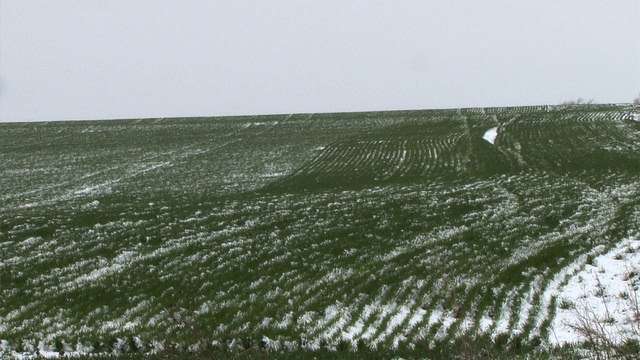
Winter Wheat Hardiness

0
The Kansas Wheat Yield Calculator app, available for iPhone and Android devices, can be used to predict wheat yield at any time during the growing season.

By Ryan Flaming, County Extension Agent, Agriculture & Natural Resources

Can warm temperatures at this time of year cause wheat to break dormancy and become more susceptible to cold temperatures that may come over the following days? At what temperatures do we start worrying about wheat breaking dormancy and being at risk of cold injury later?

To the first question, the answer is yes. Very warm temperatures can cause wheat to break dormancy at this time of year. As to the second question, there are no hard and fast numbers to go by. When daytime highs get into the 50’s or warmer and lows are above freezing, most wheat varieties will green up and lose some of their winter hardiness. When this occurs, wheat can regain some level of winter hardiness if temperatures gradually get colder again.

The best case scenario is if there is just one or two days of unusually warm temperatures, then a gradual drop of 10-20 degrees over the following week. Most wheat varieties grown in Kansas can easily survive these conditions.

The worst case scenario is if daytime temperatures are very warm and nighttime temperatures remain above freezing for several days during the winter, then temperatures plunge into the low teens or below in just one day, as they did in late January of 1989. Some varieties may break dormancy under these conditions, and then be unable to withstand a sudden return to bitterly cold temperatures.

Each time the wheat breaks dormancy in the winter, it loses a little of its winter hardiness once temperatures get cold again and the wheat re-hardens. The more often these warm spells occur, the longer they last, and the more often wheat breaks dormancy, the less winter hardiness the wheat will have. Winter hardiness levels also start to decline later in the winter.

There may be some winterkill already this winter in areas that have been dry, with little or no snow cover. Having the wheat green up and lose some of its winter hardiness will not help that situation. Still, the biggest risk will be where temperatures go suddenly from extremely warm to extremely cold, the soils are dry and with little or no protective cover, soils are fluffy, and the wheat is weakened by drought, insect damage, or diseases.
Tomato Test: Fruit Size

0

As we noted last week, Tom Fowler, Horticulture Specialist with the
University of Missouri Extension Service, took data on a large tomato
planting in both 2013 and 2014. His study included 47 different
varieties in 2013, including those that some of our K-State Research &
Extension Master Gardeners test for us. The test was repeated in 2014,
but some varieties were lost due to cold weather. Also, not all
varieties tested last year were tested this year and so we ended up with
21 that were tested both years. Of those, only 16 were slicing
tomatoes. This week we will look at total yield.
The top ten varieties for total yield are listed below. We have
included the top 10 for 2013, the top for 2014, and the top when these
two years are combined. We will only consider those tomatoes which were
grown both years. We did not include cherry tomatoes or other small
fruited types such as Roma. Weight is given in pounds. We had 16
varieties that met these criteria.

2013
Number Variety Weight
1 Big Beef 135.8
2 Beefmaster 134.8
3 Red Bounty 115.4
4 Black Krim 114.2
5 Scarlet Red 107.6
6 Supersonic 102.2
7 Rutgers 102.0
8 Jet Star 100.0
9 Celebrity 96.0
10 Hy Beef 93.6

2014
Number Variety Weight
1 Celebrity 73.0
2 Crista 70.4
3 Jet Star 59.0
4 Beefmaster 54.2
5 Hy Beef 52.8
6 Rutgers 47.0
7 BHN 961 46.8
8 Supersonic 45.0
9 Florida 91 41.8
10 Red Bounty 39.8

2013 & 2014
Number Variety Weight
1 Beefmaster 189.0
2 Celebrity 169.0
3 Big Beef 166.6
4 Jet Star 159.0
5 BHN 961 157.6
6 Red Bounty 155.2
7 Crista 153.6
8 Rutgers 149.0
9 Supersonic 147.2
10 Hy Beef 146.4

Note that we combined both years and took the total weight of
fruit. The data is interesting with Big Beef being the top variety in
2013, but not even making the list in 2014. Also, though Amana Orange
is consistently our largest tomato, yield is so low it did not make the
top 10 in yield for either year. (Ward Upham)

Rabbit Resistant Flowers

0
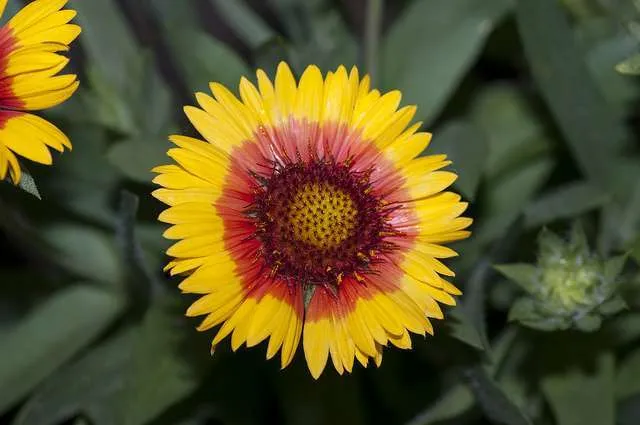
Photo credit: Nikonian Novice

Rabbits can cause a great deal of damage to plants in Kansas.
Though fencing is a very effective control, it may be too unattractive
for some uses. In such cases, using plants that are less likely to be
attractive to rabbits can be helpful. Note that these plants are
resistant; not immune to attack. Young plants or those that are
succulent due to overfertilization are more likely to be damaged.
Also, the unavailability of other food sources can result in
rabbits feeding on plants that are normally rejected. A list of flowers
considered resistant to feeding damage by rabbits include artmesia,
aster, bee balm, begonia, blanket flower, bleeding heart, candytuft,
columbine coreopsis, crocus, daffodil, dahlia, daylily, ferns, gloriosa
daisy, herbs (except basil), iris, lamb’s ears, pincushion flower, red
hot poker, surprise lily, sweet violet, verbena and yarrow. This
information came from a University of Arizona publication titled “Deer
and Rabbit Resistant Plants.” Other resistant plants including trees,
shrubs, groundcovers and vines are also
listed in this publication. This publication is available at
http://tinyurl.com/y8sfgo2 (Ward Upham)

Dormant Oil Sprays for Fruit Trees

0

There are a number of dormant sprays used on fruit to control
various diseases and insects, but a dormant oil spray is designed to
control scale insects. If you have a problem with scale, now is the time
to start looking for an opportunity to spray. Normally spray should be
applied by March 1, especially with peaches and nectarines.
Apples are tougher, and application may be delayed up to the green
tip stage. Temperatures need to be at least 40 degrees so spray has a
chance to dry before freezing. If the spray does freeze before it dries,
plant injury can occur. Applying the spray during the morning will help
insure that it dries properly. Thorough coverage of limbs, branches, and
twigs is vital for good control. Note that it is much easier to achieve
good spray coverage if the tree is pruned before spraying.


By: Ward Upham

Approaching Time for Peach Leaf Curl Control

0
Photo credit: Maja Dumat

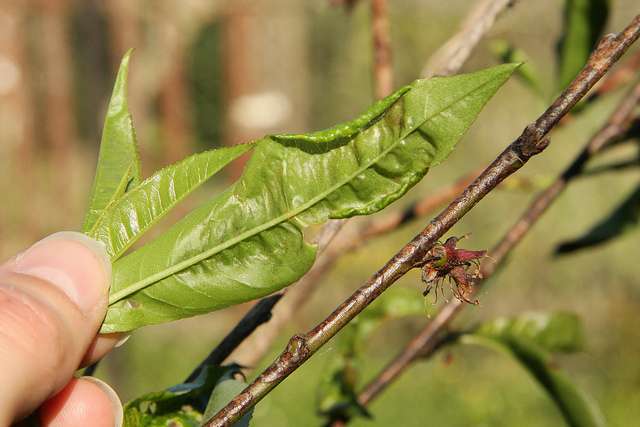
If you have ever seen emerging peach leaves that are puckered,
swollen, distorted and reddish-green color, you have seen peach leaf
curl. Uncontrolled, this disease can severely weaken trees due to
untimely leaf drop when leaves unfurl in the spring. Fortunately, peach
leaf curl is not that difficult to control if the spray is applied early
enough. However, by the time you see symptoms, it is much too late. As a
matter of fact, fungicides are ineffective if applied after buds begin
to swell. Don’t spray when temperatures are below 40 degrees or will
fall below freezing before the spray dries. Usually we can wait until
March to spray but an extended warm period in February that encourages
early bud swell may require spraying in late February.
Though peach leaf curl can be controlled by a single fungicide
application either in the fall after leaf drop, it is more commonly
controlled in the spring. There are several fungicides labeled for this
disease including Bordeaux, liquid lime sulfur, and chlorothalonil
(Ortho Garden Disease Control, Fertilome Broad Spectrum Fungicide,
GardenTech Fungicide Disease Control, Gordon’s Multipurpose Fungicide,
and Daconil). Thoroughly cover the entire tree during application. Note
that it is much easier to achieve good spray coverage if the tree is
pruned before spraying. (Ward Upham)