Tuesday, January 27, 2026
Home Blog Page 4568

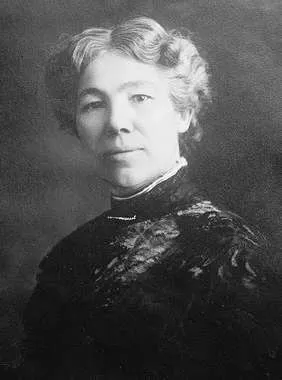
Chronicles of The Farm Woman: Relief

0
Farm woman

Farmers in ever increasing numbers are haunting the relief office.  Much independence is sacrificed as they mount those steep stairs.  When a farmer has a little money in the bank, a crib of corn and a mow of alfalfa, five or six milk cows in the back pasture, a couple of litters of pigs, 200 pullets and a cave full of fruits and vegetables, when he has all these he is as independent as nobody’s business.

Debt, first of all, shears us of much of our independence.  Especially debts that cannot be met when due.  Three years without a crop pushes us toward despair.  No grain means no chicken feed.   And this year no garden has driven us to ascend the stairs to the relief office to ask for aid.

Farmers want work.  As they apply they are referred to the WPA in Topeka.  In one specific instance the case worker made an investigation one month ago and recommended that the farmer be given work.  She supposed her recommendation had been carried out.  A near-neighbor discovered quite by accident that the last chicken had been exchanged for flour and the flour almost gone.  Somewhere in the mill this man’s name reposes – his credit gone.  Work relief, his very last hope, does not come because he has not yet been certified.

This man is a neighbor.

If I were not a Republican already this one instance would convert me.

Don’t Fall Off Your Cycle 

0
lee pitts

I am occasionally asked how long do I think these good times in the cow business will last. I am a good authority to ask because I once had a class in economics in college, although it was early in the morning and I slept through most of it. As I understand it, economics is the study of how to get a job at a university as an economist. An economist being a person who likes math but doesn’t have the necessary social skills to be a theoretical mathematician. To fool people into thinking they know something the rest of us don’t, economists use words like elasticity of demand, suboptimal spending and disposable income. As if there’s any other kind.

Economists tell us that the production of every commodity goes through a “cycle” and there are signs to determine which phase of the cycle you are in. You need to know these signs or you just might fall off your cycle and injure yourself. The stages and signs of each cycle are:

Stage 1, “Yahoo, we’re rich!” Also known as consolidation, this stage occurs when the number of cows is at its lowest because two of your four neighbors declared bankruptcy and sold all their cattle. This phase is easily identifiable because range bulls cost five thousand dollars, bred heifers cost more than your last pickup, and any old bitty down to her last tooth that is pregnant is worth three thousand bucks. Speaking of pickups… there are actually cowboy sightings at used car lots.

All the advertisements for bull sales are in full color, ring men are wearing brand new 100X Stetsons and are staying in Best Westerns instead of Motel 6. Cowmen buy fake Russell bronzes and actually take their wives with them when they go to the NFR or the NCBA convention. Before you know it ranch wives are under the care of a beautician and are buying dishwashers and new carpet for the first time since the Eisenhower administration. School age kids are sent away to military school in New Mexico.

Columnists write in cow periodicals that this time it’s different and we’re never going to see another poor day. This stage can last anywhere from six minutes to two calf crops.

Stage 2, “Hello, Mr. Banker. Remember me?” During this expansionary phase there’s more beef in the market and prices start dropping like cows on some bad weed. Wranglers get worn a little longer and instead of that new roof you promised your wife, you just help her patch the old one. She does, however get new carpet… in the truck. Horses are rediscovered as four wheelers are parked to save on fuel costs, fences are spliced with saddle strings, old rusty wire and baler twine and you rediscover the joys of begging for money down at the bank.

Stage 3, “Watch out below.” The sharp fall in prices triggers an even bigger cull rate which creates “The Big Wreck.” As prices fall way below the cost of production rural bars are the only businesses making any money and hay is tossed out begrudgingly only to cows that look like they might starve to death in the next week without it. Ranch families eat at home instead of dining out at the auction market cafe and Ramen noodles are served at brandings. Ranch parents have to start raising their own kids again and their sons are pulled out of military school in Roswell. Parents worry about losing the family ranch and having to go live in appliance cartons in big cities, like North Platte, Parma or San Angelo.

Stage 4, “Want to buy some Amway?” Ranchers unwillingly “retire” and those that stay in business do so only by adjusting their beans-to-beef ratio. Kids are allowed to wear shoes only in winter, the bull battery consists of your best calves that you left as bulls, furniture you bought in the rich days is burned for fuel, and a day of shopping consists of stealing fast food packets of sugar, catsup and coffee creamer at McDonalds. Wives get yet another job in town and sell Amway on the side. A pickup load of cowboys is caught trying to sneak into Mexico in search of employment. Credit cards come in the mail that are pre-declined.

Even an economist should be able to tell what part of the cattle cycle we are in currently.

wwwLeePittsbooks.com


Is Your Car Environmentally Friendly?

0
Photo courtesy of Getty Images

(Family Features) You may take steps to reduce your environmental impact through the products you purchase and simple household actions, such as recycling – but what about the car you drive?


“Basic vehicle maintenance, as well as a few helpful driving tricks, can go a long way toward protecting the environment, extending vehicle life and improving fuel economy,” said Rich White, executive director, Car Care Council.


The experts with the Car Care Council suggest these easy ways to turn your car into a mean, green driving machine – for your wallet and the environment.


  • Hang onto your current vehicle and limit the number of new cars you buy over the course of a lifetime. Extending vehicle life is as simple as taking care of your vehicle properly. You’ll gain years of reliable service without monthly car payments and higher insurance rates.


  • Follow a vehicle service schedule including fuel-saving steps like keeping tires properly inflated, replacing air filters regularly and using the correct motor oil. Routine maintenance helps reduce emissions and fuel consumption, saving money at the pump.


  • Recycle or properly dispose motor oil, tires, batteries, fluids and other vehicle components to help protect the planet when performing vehicle maintenance or repairs.


  • Drive green and recognize that how you drive has a lot to do with fuel economy. Avoid sudden starts and stops and go the speed limit. Jerky and aggressive driving decreases your miles per gallon (MPG) and increases wear and tear on your vehicle. Minimize unnecessary miles by combining errands in one trip.


  • Perform needed maintenance, providing general maintenance and having clean air filters will help your car pollute less and burn less gas. With a proper tune-up, you can save four percent on the cost of gas and up to 40 percent by replacing a faulty oxygen sensor. Simply changing the car’s air filter can improve vehicle performance.


  • Lighten the load by getting the junk out of the trunk and the excessive things out of your car. Extra items weigh the vehicle down and cause an increase in gas usage. Of course, emergency items such as a spare tire, flashlight and a first-aid kit should always have a place inside your car.


  • Check your vehicle’s gas cap and avoid unnecessary fill-ups. Loose, damaged or missing gas caps cause millions of gallons of gas to evaporate into the air every year. Topping off your gas tank when filling up your car can also release harmful vapors into the environment.


The Car Care Council’s free customized service schedule makes it easy to be green, drive smart and save money. For more information about this schedule, tips on environmental awareness, as well as the popular digital Car Care Guide, visit www.carcare.org.


Bobcat Trapping Tips

0

I drove back a craggy rutted lane that follows a mostly-dry creek bed into a

pasture dotted with big overgrown cedars. The creek bed winds around through

the pasture like a long slithering snake and is lined the whole way with thick

prickly locust trees and bent-over willows, making for a rather unfriendly pasture

but excellent bobcat habitat. The pasture borders an alfalfa field on one side, and

the fence separating the two forms and “L” shape, and the lane where I was

driving turns and follows that fence around the front of the pasture. At the corner

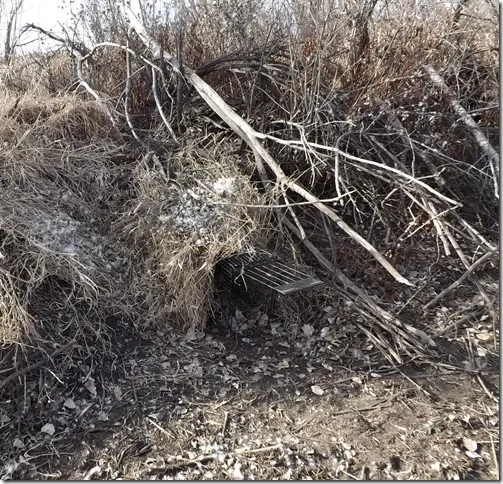
where the fence and lane turn, a nice big male bobcat awaited me in a cage trap

placed there.

In trapping, nothing is more important than placing traps at just the right

locations where you know from tracks, etc. that critters are traveling. I knew from

experience that the lane along the creek was a favorite travel route of bobcats. I

catch one at that same place most years, so a trap there stood a good chance of

connecting. But when trapping bobcats, there are also some other things you can

do to turn the odds in your favor.

Bobcats are nothing more than oversized, wild housecats and behave much the

same. If needing to describe bobcats in one word, that word would be finicky.

What grabs and holds their attention today might not garner a second glance

from them tomorrow, so the more different looks and smells you can give them

the better. I use a variety of smells at each trap. A dab of sweet smelling lure

placed just above the trap, a different skunky smelling lure high on a post or tree

limb where it will be picked up and carried by the wind, and a spray of bobcat

urine nearby are some ways I do that.

Cats’ are known to hunt with their eyes a little more than coyotes, so the more

intriguing things you can give them to look at the better. If using a foothold trap, I

will dig a big obnoxious looking hole then put a piece of fur, a rabbit carcass or a

tuft of feathers down deep in the hole to make them wonder what’s there. When

using a cage trap, I’ll wire a rabbit, duck or goose carcass in the very front of the

cage as though they were hiding there. Above, out-of-reach on a tree limb or bush

I’ll hang a goose wing from a piece of fishing line so it will twirl and flap in the

breeze. I’ve heard of trappers hanging all sorts of things to get their attention,

including CD’s which will flash in the sunlight or moonlight as they spin. I collect

down stuffing from old feather pillows and as a finishing touch I’ll toss a handful

of it into a nearby cedar tree or bush. To any critter passing near, that sticks out

like wearing white socks with black pants, or like white tape on the broken nose

piece of your glasses.

When I first started trapping in Kansas, catching a bobcat seemed as impossible as

catching a marlin from Kannapolis Lake. With a little advice from other

experienced trappers, lots of time spent in the woods and a few of the above

tricks I now catch a few each season….Continue to Explore Kansas Outdoors!

Steve can be contacted by email at [email protected]

Sweet Potatoes, The Versatile Vegetable

0

(Family Features) If you’re looking for a little variety to spice up your life, cooking with a versatile veggie such as the sweet potato may give your menu the satisfying kick you crave, along with a healthy dose of the nutrients your body needs.


Unlike many vegetables with a peak season that comes and goes, sweet potatoes can be found at your local grocery store year round with a consistent quality and freshness. Because they are available fresh, canned or frozen, sweet potatoes offer the ultimate flexibility for healthy and delicious menu options at any meal.

With virtually no fat and low in sodium, sweet potatoes, or yams, fit perfectly into a low-carb lifestyle, with major nutritional bonuses to boot. In addition to being a source of vitamin B-6, iron, potassium and fiber, the sweet potato provides twice the recommended daily allowance of vitamin A and more than one-third of the requirements for vitamin C.


Sweet potatoes also rank significantly lower than white potatoes in the glycemic index, which explains why many carb-counting diets encourage substituting sweet potatoes for white potatoes.


sweet potato soupCreamy Smoked Sweet Potato Soup

Winner in the “Fresh” Category

Servings: 6–8

Courtesy of Samantha Foglesong, New Orleans, La.


4          extra-large sweet potatoes (about 5 pounds)

4          cups seafood stock

2          cups heavy whipping cream

3/4       teaspoon kosher salt, divided

1/2       teaspoon ground cinnamon

1/4       teaspoon ground nutmeg

1          pound fresh jumbo lump crabmeat, picked free of shells

1          tablespoon fresh lemon juice

1/8       teaspoon crushed red pepper

2          tablespoons unsalted butter, melted

1          tablespoon thinly sliced chives


Prepare smoker to 200°F.


Smoke sweet potatoes 2 1/2–3 hours. Let cool, and peel.


In large Dutch oven, combine sweet potatoes, stock and cream. Blend on high speed with an immersion blender until smooth.


Heat over medium heat, and add 1/2 teaspoon salt, then cinnamon and nutmeg. Strain mixture through fine-mesh sieve into large bowl; discard solids.


In medium bowl, combine crab, lemon juice, red pepper, remaining salt, butter and chives.


Divide soup among bowls and top with crab mixture.


Sweet Potato S’moresSweet Potato S’mores

Winner in the “Canned” Category

Servings: 6

Courtesy of Michele Carl, Masonville, Colo.


1          cup pecans

1          cup almonds

3/4       cup honey, divided

1/8       teaspoon vanilla extract

12        dried pitted dates

1/8       teaspoon salt

1/2       teaspoon ground cinnamon, divided

1          tablespoon unsalted butter

2          cans (15 ounces each) sweet potato puree

1/2       cup apple cider

1/8       teaspoon ground ginger

1/8       teaspoon ground nutmeg

1/8       teaspoon ground cloves

1/2       cup minced crystallized ginger

2          cups miniature marshmallows

Dark chocolate shavings for garnish


Preheat oven to 170°F.


In food processor, pulse pecans and almonds until chopped. Add 1/4 cup honey, vanilla, dates, salt, 1/4 teaspoon cinnamon and butter, and process until finely chopped.


Spread in thin layer on parchment-lined baking sheet. Bake until crispy, about 3 hours. Let cool, and cut into 3-inch squares.


Reduce oven to 250°F. Spray a 13-by-9-inch baking dish with nonstick cooking spray.


In food processor, combine sweet potato, apple cider, remaining honey, ginger, nutmeg, cloves and remaining cinnamon; process until smooth. Stir in crystallized ginger.


Transfer to prepared baking dish, and cook 1 hour. Stir well, and cook 30 minutes more. Let cool to room temperature.


Increase oven to 300°F.


Spray rimmed baking sheet with nonstick cooking spray. Spread 1⁄2-inch layer of sweet potato butter on each cracker. Top with marshmallows, and place on prepared baking sheet; bake 10 minutes.


Sprinkle with chocolate shavings and serve.


Piquant Sweet Potato Quiche

Winner in the “Frozen” Category

Servings: 6

Courtesy of Karen McGowan, Houston, Texas


1          bag (15-ounces) frozen sweet potato fries, thawed

1/4       cup melted unsalted butter

1 1/2    cups shredded Havarti or Monterey Jack cheese

1          jalapeno pepper, seeded and diced

2          cups shredded Swiss cheese

2          cups chopped cooked ham

1/4       cup finely chopped fresh chives

4          large eggs, lightly beaten

1          cup half-and-half

1 1/2    teaspoons salt

1/2       teaspoon smoked paprika

1/2       teaspoon ground black pepper

1/4       teaspoon cayenne pepper


Preheat oven to 425°F.


Spray 10-inch pie dish with nonstick cooking spray.


Pulse sweet potato in food processor until shredded. Transfer sweet potato to sieve and press with paper towels to remove excess moisture.


Press potato into bottom and up sides of prepared pie dish. Brush with melted butter and cover with aluminum foil. Bake until edges of crust are golden brown, 20–25 minutes. Remove from oven and let cool on wire rack. Reduce oven to 350°F.


Add Havarti cheese, jalapeno, Swiss cheese, ham and chives to crust in one layer.


In medium bowl, combine eggs, half-and-half, salt, paprika, pepper and cayenne. Pour evenly over cheese mixture and cover with aluminum foil.


Bake until knife inserted into center comes out clean, 30–40 minutes. Let cool 5 minutes before serving.


Tips for perfect sweet potatoes

These prize-winning recipes show you how easy it is to create unique dishes with versatile, nutritious sweet potatoes. Before you get started, remember these tips from the Louisiana Sweet Potato Commission:


  • Fresh sweet potatoes can be stored for up to a month at 55°F to 65°F, but should not be refrigerated until after they are cooked.
  • Always use a stainless steel knife when cutting a sweet potato; using a carbon blade will cause the yam to darken.
  • One 15-ounce can of sweet potatoes equals one cup of fresh sweet potatoes.
  • Canned sweet potatoes are precooked, so add them at the end of a recipe.


For more prize-winning free recipes, or to enter your recipe in the national Louisiana Sweet Potato Commission’s 2015 Sweet Rewards Recipe Contest, visit www.sweetpotato.org.

Source: Louisiana Sweet Potato Commission