Friday, January 30, 2026
Home Blog Page 274

Service that shapes the lives of Veterans and their families

0
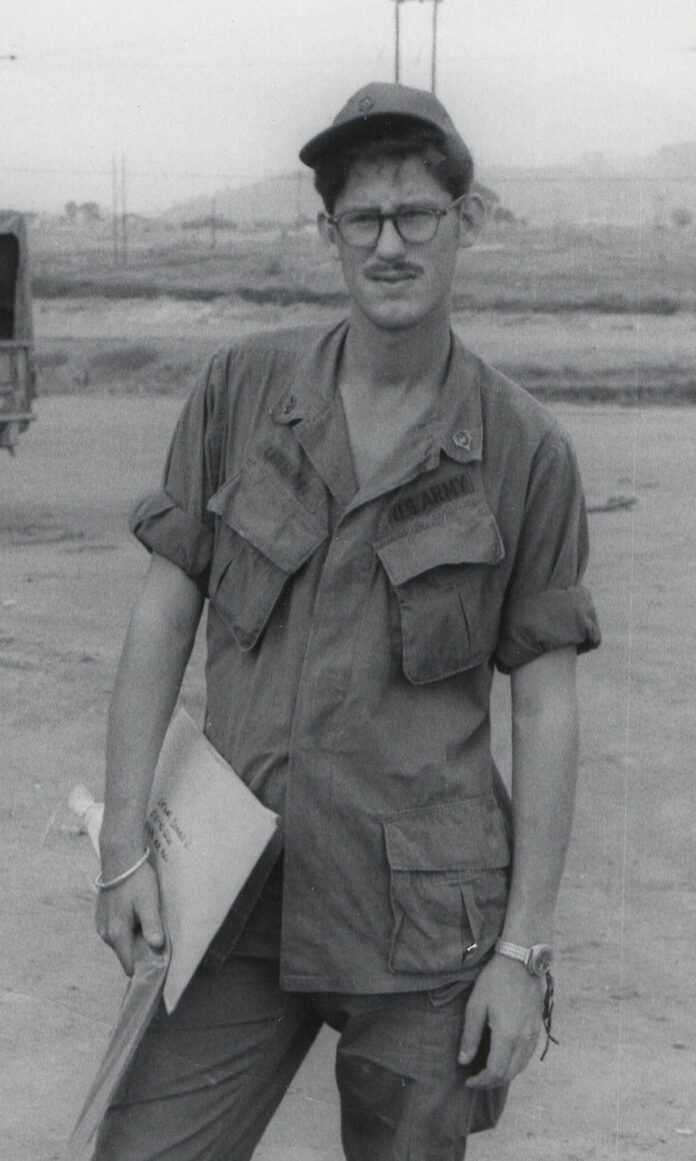
Don Urban in Vietnam

By Lori Rankin
Guest writer

Here we are at that time of year again. Not Thanksgiving or Christmas. Veterans Day, November 11th. A date set aside to honor and celebrate all men and women who have served the United States of America in military service. This includes those who have served not only in wartime, but in peacetime. It isn’t a day to only remember the service men and women who aren’t with us any longer. It is a day to thank the living veterans for their service.
I am old enough I can’t remember when I first understood there was a Veterans Day or even that there was a military. I suspect it was when I started school, and we learned about it in class. It was probably during that same time frame I began to understand the people in my life who served our country. Most did not talk about their service. It would be many years before I realized the sacrifices they made. The sacrifices that all veterans make.
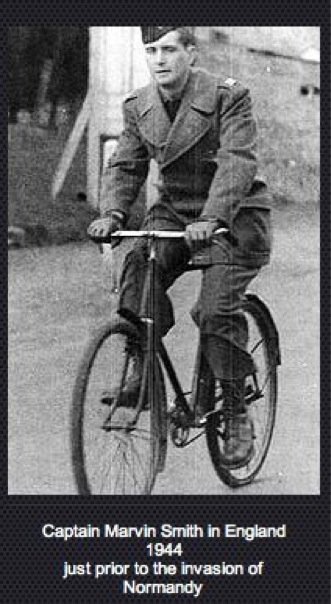
The first veteran I knew was my grandpa, Anfred Smith. The quiet, reserved farmer who worked hard for his family and community did not like to talk much about his service. He felt his part in World War II was so minimal and so many more sacrificed more than him, he didn’t like to place himself in their company. He was so very proud of his big brother, Marvin Smith, a Bronze Star recipient, and would talk about him. Marvin was an Army Captain and participated in the Normandy invasion, wounded at Saint-Lo. Like many of his generation, my grandpa chose to put the memories aside and move on with life. Great Uncle Marvin was different than most; while building a life after the war, he also shared his experiences. Perhaps the thing he said that stuck out most to me was when he is quoted by Steve Rabey in Faith Under Fire, “It made me appreciate life itself and made me want to live life more fully.” Both he and my grandpa had completely different experiences during World War II. However, both appreciated life and lived full lives, influencing so many.
Another veteran who was a large influence in my life was my Uncle Don Urban. He married my Aunt Jan after he served in the Vietnam War. He did not talk about Vietnam, in fact, I’m not even sure when I discovered he had served and been there. It wasn’t until shortly before he passed away this year that I learned more about what he did as a radio operator, how he came to have that job, and how he spent his time while being deployed. During his service, he was instrumental in handling communications between soldiers and family members, supporting military radio and voice communications. For a time, he was assigned to a Military Affiliate Radio Station. He seemed to become more open to talking about it as he aged and his life with us was slipping away. I can’t be sure how that time influenced his life. Perhaps his reluctance to talk about it was heavily weighed by how these soldiers were treated when they returned. Perhaps it was the things he knew happened there. Even though they were very different, like my grandpa, he taught me what being strong means, how to help others, and to be passionate about things you like and believe in.
I am grateful to know many others that have served and think of them and their service often. Several of my classmates from high school joined the military after graduation, Delbert Lowe, Mike Rodgers, Debra (Weber) Lee, Jamie Lough, and David Wilcoxson. I have met other veterans over the years, Zach Armitage, Kenny White, Herb Duncan, Lyndell Duncan, Tom Taverner, Pete Tacket, and Don Beckstrom among them. They each served in different branches, different times, different lengths of service, different ways, and in war and in peace. They all have/had a respect for our country that is unwavering. They each faced sacrifices to serve; being away from family, physical and mental health, time.
Remember our veterans and their sacrifice not only on November 11. Continue to show your thanks by displaying the flag, serving in your community, voting, donating or volunteering with veteran organizations. There are so many wonderful organizations that serve veterans and can use our support. I encourage you to research and find one, ask them how you can help. Some local organizations for you to check into: Kansas Honor Flight, Passageways, American Legions, American Legion Riders, Midwest Battle Buddies.
Passageways, Ltd. (316-721-1316, www.passagewaysltd.org) is an organization you may not be as familiar with. They specifically work with our Veterans who find themselves homeless. They help find shelter, whether it is in their own Passageways Living Center or through networking to find local landlords willing to work with these veterans. They help set up households when the veterans are ready to move into their own apartments and houses. They provide food, cleaning and hygiene supplies, household items and furnishings. They help connect veterans with mental health services and employment also. They do not get any financial assistance from government programs. That means our communities, us, make this happen. They have many opportunities available weekly that volunteers can help with, from helping a vet move to picking up donated furniture as well as financial assistance.
There are so many of our veterans that are no longer with us. According to the Department of Veterans Affairs, as of 2024, there are only 66,143 out of over 16 million who served during World War II still living. There are approximately 18 million living veterans. This Veterans Day, think about your friends, family, and neighbors who have served. Speak their name. Reach out to them on this day to show your appreciation. Have a conversation with them. Ask them about their service. Visit with them about what is going on in the military today. Live a life that is worth their sacrifice for protecting our freedoms.


Don Urban in Vietnam
Anfred Smith in Hawaii

Lovina Attends Local Christmas Bazaar and the Family Readies for Winter

0
Lovina’s Amish Kitchen
Lovina Eitcher,
Old Order Amish
Cook, Wife &

Mother of Eight

The last few days have been rainy. The many, many leaves that have not been picked up are now matted to the wet grass. It will be more of a challenge to use the leaf blower now.

Joe started the coal stove on Saturday. I think it happens every year that as soon as we have the coal stove going, it warms up. The temperature has been in the 60s since. It won’t last long, I’m sure, but for now we have the windows open to let some heat out.

It isn’t many years that we could wait to start the stove until November. We did use the propane lights, and that helped a lot to put some heat in the house. We would like to put in a wall heater for the weeks that it isn’t cold enough to start the coal stove, but we just need a little heat to take the chill out of the house. With it being rainy I had to dry the clothes in the basement, so it was nice to have heat down there for that.

Saturday, Joe and I drove to town with our horse Midnight and the buggy. We had a table at the Christmas bazaar to sell my cookbooks, including the one that came out this year. I also baked 24 loaves of bread on Friday to take along to sell. I felt like I don’t have time to be sitting there all day, but needless to say my work was still all here when I came home!

Lord willing, we plan to be at the Honeyville Christmas Bazaar with my cookbooks on December 7 from 8 a.m. to 3 p.m. The address is 4445 S 900 W, Topeka, IN 46571. It’s a heated building with food vendors and lots of parking. Come join us!

The rest of the family went to help daughter Elizabeth and Tim with framing in walls for bedrooms in their garage and putting in newer windows. With it getting colder they are so eager to get out of their house since the windows need to be shut more often. 

Our whole family except Susan and Ervin attended church Sunday in a neighboring church district. We all went in honor of our daughter Verena’s special friend Daniel. He started following instructions in preparation for baptism. The attached garage was filled to capacity with many visitors. The young couple who hosted church have everything handicap accessible since he is paralyzed and is in a wheelchair. With our three children in mobility scooters and sister Emma’s sons also in scooters, plus three more there with wheelchairs, it was a challenge to make enough room for everyone for the service. I guess the saying proved true “There’s always room for one more”! It was so nice to have granddaughters Abigail, Allison, and Andrea take turns to come sit with me awhile. Andrea, 2, fell asleep on me just before church services ended. Denzel (Dustin and Loretta), 2, sat with me for a short time. He loves shaking hands with the ministers, and he also likes to sing. While he was sitting with Grandpa Joe, I had to smile when we were done with a song and Denzel’s little voice was still singing solo. 

When my grandchildren all come here they like to play “church.” I have four little church benches and they will sit on there. They put a few chairs facing the benches for the ministers. Curtis (Ervin and Susan), 5, always wants to be the minister. He stands there and preaches! I love sitting back and watching them, and it is just so cute to see them imitate what they see. 

So we always need to be good examples for these little innocent children. They are watching us closer than we realize. God bless their little hearts! 

Last Tuesday all the girls came here for the day, and we decided to go help my sister Verena. We took brunch and a late lunch in and we cleaned out sister Susan’s closets. Sister Verena had been dreading to do this job alone. The girls folded all Susan’s clothes and put them in totes until Verena figures out what to do with it. Susan passed away in January 2021, and Verena wanted to get this done awhile already. It brought back so many memories of Susan. She was only 44 and still so young. Rest in peace, dear sister. You are still missed! 

We also swept and mopped the floors for Verena. The children had fun running down the hill in her yard. Verena was so glad for the help and to have that task done. 

Treasure your loved ones. God did not promise how long our stay here on Earth is. May his many blessings be yours! 

Caramel Apple Cider 

1/4 cup heavy cream

1/4 cup brown sugar

3 cups apple cider

1/2 cup water

Bring cream and brown sugar to a boil in a medium saucepan over medium heat. Stir in cider and water, heating just until cider begins to steam. Divide into 4 cups or mugs and top serving with 2 tablespoons of caramel whipped cream topping (recipe follows).

Caramel Whipped Cream Topping

1/2 cup heavy cream

1 tablespoon brown sugar

In a small bowl that has been chilled in the freezer or refrigerator, whip the heavy cream with brown sugar until soft peaks form. 

Lovina’s Amish Kitchen is written by Lovina Eicher, Old Order Amish writer, cook, wife, and mother of eight. Her three cookbooks, The Cherished Table, The Essential Amish Cookbook, and Amish Family Recipes, are available wherever books are sold. Readers can write to Eicher at Lovina’s Amish Kitchen, PO Box 234, Sturgis, MI 49091 (please include a self-addressed stamped envelope for a reply); or email [email protected] and your message will be passed on to her to read. She does not personally respond to emails.

Horticulture 2024 Newsletter No. 42

0
KSU horticulture

1712 Claflin, 2021 Throckmorton Plant Science Center
Manhattan, KS 66506 (785) 532-6173

Download and Print the Hort Newsletter
(Downloadable version)

HNR Website access: https://hnr.k-state.edu/extension/horticulture-resource-center/horticulture-newsletter/

ANNOUNCEMENTS:
Hort Newsletter Fall-Winter Schedule
For the months of November through February, the Hort Newsletter will switch to monthly distribution. You can expect a summary of the month’s gardening topics the first Monday of each month during this time.

The 74th Annual Kansas Turf & Landscape Conference is December 4 & 5 (Wednesday & Thursday) at the Hilton Garden Inn, Manhattan. The conference is an excellent way to learn about turf and landscape management, visit with old friends, network with new ones, and see all the latest products and supplies from local and national vendors. The conference has been approved for commercial pesticide recertification hours:
1 Core hour
3A – 7 hours
3B – 7hours
GCSAA education points and International Society of Arboriculture CEUs will also be available by attending the conference. For more information, visit:
https://www.kansasturfgrassfoundation.com/

VIDEO OF THE WEEK:
Extend the Life of Garden Tools

Protect your tools with proper maintenance including end of the season clean-up.

GARDEN TO-DO
Check soil temperature at our Weather Data Library. Spring flowering bulbs can be planted as long as the soil temperature stays above 40 degrees F.

VEGETABLES
Cool-Season Vegetable Hardiness
Don’t be fooled by the term “cool-season”. Not all cool-season crops will tolerate the winter in Kansas without protection. Semi-hardy crops such as Chinese cabbage, collard, mustard and radishes, can survive light frosts. However, when temperatures drop into the 20s, they will start to show signs of damage.

Cabbage, broccoli, cauliflower, carrots and other hardy vegetables will survive temperatures into the low 20s before showing damage.

Row covers can be used to protect your cool-season garden. Learn more about season extension from the Kansas Garden Guide.

FLOWERS
Perennial Garden Clean-Up
If you’re feeling the urge to tidy up the perennial garden keep a few things in mind. Ornamental grasses and some herbaceous perennials can be left intact to provide seasonal interest. Dried foliage brings texture and color to the otherwise barren landscape while also insulating the plant crown. Wildlife can benefit from seed heads left to develop on the plant.

If your plants had disease/pest issues during the growing season that plant material should be removed and disposed of to prevent spreading. Dried ornamental grasses near structures can present a fire hazard so removing the above ground growth is recommended in this scenario.

TREES
Fall Color on Trees
Many gardeners are aware leaves are responsible for making food for plants through the process of photosynthesis. Chlorophyll in the leaves captures energy from the sun resulting in their green pigment. Chlorophyll production slows down this time of year because the amount of daylight decreases. With this change in chlorophyll, the green leaf color of trees begins to fade allowing other pigments to be visible.

If tree leaves are turning orange/yellow, that indicates the presence of xanthophylls and carotenes. Tannins produce brown colors and anthocyanins create red/purple colors. These pigments are present year-round but are only noticed when the green from the chlorophyll fades. This is the reason for fall color in trees.

Fall color varies by tree species as well as environmental conditions. Certain oaks and maples put on a brilliant display with a variety of colors, but some species only show one color before leaf drop. The level of pigmentation is different among each species. Fall leaf color can be cut short by frost and freezes, but even the summer weather has a role with the fall display. If you notice the same trees looking different this fall than last, it is likely an environmental factor that is at work.

MISCELLANEOUS
Caring for Plants Indoors
If you moved sensitive plants indoors recently to save them from the sudden temperature drop you may be wondering, now what??? Hopefully you were able to transition your plants to the indoors, but if not, they may go through a period of shock. Symptoms may include: yellowing leaves, dieback and wilt. Some plants won’t survive the shock if it is extreme. Others will recover over time and with proper care. It is expected that plants intended for a tropical location, or just a warmer USDA zone, will not perform their best indoors. Here are some tips for providing the best conditions possible to get them through the winter.

Water and Fertilizer
Whether indoors or out, the amount of light decreases into fall and winter resulting in slower plant growth. This means the fertilizer and water needs will decrease. Only provide water when the soil is dry about one-inch deep. Fertilizer can be applied at ¼ the recommended rate in November and again in February. Plants in smaller containers often require water more frequently but less fertilizer because they have less soil. This varies based on species so do your homework and research individual plant needs.

Temperature
Temperature is another important factor for growing plants indoors. If the temperature drops below 50 degrees F, leaves of more sensitive plants may begin to yellow. Keep this in mind if you adjust the thermostat during times when nobody is home such as vacations.

Humidity
Relative humidity is the amount of moisture in the air. When the humidity is lower, plants release more water from the leaves. Many common indoor plants prefer high relative humidity. To increase the relative humidity, you can create a microclimate by grouping plants closer together. Another option is to place a shallow container below each plant and fill it with water. Elevate the container by placing some gravel in the saucer so the plant isn’t soaking directly in the water. Misting plant leaves is often recommended, but is not a practical strategy to effectively increase humidity.

Light
Indoor plants should receive bright, indirect light either from a window or grow lights. Avoid placing plants too close to windows that are drafty or next to heat vents. Some indicators that your plants are not receiving enough light include:
Elongated internodes (space between leaf/stem unions)
Pale foliage color on new leaves
Dieback of older leaves
QUESTION of the WEEK
Too Many Acorns
My lawn is being littered with acorns and I cannot keep up with gathering them. Is there a way to prevent my tree from dropping so many acorns?

Similar versions of this question come through for various tree species related to the mess they make. Our first point is to pay careful attention to the details of plant growth and fruiting habits during the selection phase of landscaping. Choose trees and place them appropriately in the landscape to avoid these issues.

In theory, there are products that can make acorns abort before they enlarge, but the timing is critical and very difficult to achieve with consistency. The efficacy of these products will also vary from one species to another since the fruiting habit differs. The investment of these types of products is not usually worthwhile.

Rest assured, cleaning up all the acorns in the lawn and landscape is not a required task since squirrels and other animals will usually do the job for you. There are tools available to assist with gathering acorns such as a garden rake and lawn vacuum. The approach each gardener takes will vary.

Contributors:
Cynthia Domenghini, Instructor and Horticulture Extension Specialist
Kansas State University Extension Specialists
Kansas Garden Guide

Division of Horticulture
1712 Claflin, 2021 Throckmorton
Manhattan, KS 66506
(785) 532-6173

For questions or further information, contact your local extension agency.
This newsletter is also available on the World Wide Web at:
http://hnr.k-state.edu/extension/info-center/newsletters/index.html

The web version includes color images that illustrate subjects discussed. To subscribe to this newsletter electronically, send an e-mail message to [email protected] listing your e-mail address in the message.
Brand names appearing in this newsletter are for product identification purposes only. No endorsement is intended, nor is criticism implied of similar products not mentioned.
K-State Research and Extension is committed to making its services, activities and programs accessible to all participants. If you have special requirements due to a physical, vision or hearing disability, or a dietary restriction please contact Extension Horticulture at (785) 532-6173.

Cynthia Domenghini, Ph.D.
Instructor; Horticulture Extension Specialist
Department of Horticulture and Natural Resources
Kansas State University
1712 Claflin Rd.
Manhattan, KS 66503
785-340-3013
[email protected]

Kansas 4-H names Volunteers of the Year

0
KSU horticulture

State’s largest youth development program reports 5,586 volunteers in the past year

MANHATTAN, Kan. – A Shawnee County woman who helped a youngster overcome allergies to be able to show sheep and goats, and a Harvey County woman who says she’s inspired by the joy she sees in youngsters’ faces when they win awards for their projects, have received recognition from the Kansas 4-H Youth Development program as outstanding volunteers.


Kate Langworthy of Topeka is the 2024 Kansas 4-H Volunteer of the Year, while Lisa Golubski of Newton has received the 2024 Outstanding Lifetime Volunteer Award.


The Kansas 4-H program, which has its headquarters on the Kansas State University campus in Manhattan, reports that 5,586 Kansans provided direct volunteer service in the program year that ended on Sept. 30, 2024.


“Volunteers are critical to our organization; we can not deliver the 4-H program without them,” said Kansas 4-H Youth Development Program Leader Sarah Maas, noting that the 2024 North Central Regional 4-H Volunteer Survey indicates that the top reasons volunteers give their time is to make a difference in their communities and support their children.


More than 90% of those who responded to the survey reported that they taught youth new skills and had planned learning experiences. Also, 88% said they had made a connection within their community as a result of their volunteer experience.


Kansas 4-H Volunteer of the Year


Langworthy has volunteered for the Silver Lake 4-H Club each year since 2018. She said she’s inspired by having had adults who helped during her own 4-H years: “I want to repay the investments that were made in me.”


Langworthy has volunteered for the county fair, a livestock sale, craft fair, Operation Christmas Child, homecoming float committee and more. She has mentored youth who have documented the history of the club and helped youth prepare for speech competitions and presentations.


She is also a trainer for officer leader training and co-superintendent of the Round Robin Showmanship competition.


Langworthy recalls a time when a young girl wanted to show sheep and goats in the showmanship event, but was allergic to both animals. Langworthy and her sister – who were the superintendents – developed a scoring metric to designate points for knowledge and handling that allowed the youngster to participate safely.


“The real value of volunteerism is helping to form productive adults,” Langworthy said. “Youth who build relationships, learn skills and engage in their community become adults who do the same, and those are the building blocks of a successful society. Volunteers who invest time and energy into teaching the next generation are figuratively and literally shaping the world of the future.”


“I credit my time in 4-H as a large part of my success in my personal and professional life, and to have my contribution to the futures of others recognized is a wonderful feeling.”


2024 Outstanding Lifetime Volunteer


Anne Pitts, the Harvey County 4-H and Human Development agent, says she wouldn’t be able to reach the number of youth the county does without volunteers like Golubski.


“Lisa is a great volunteer and one that I can call upon to help work out problems,” Pitts said.


Golubski was a nine-year 4-H member with the Neosho Valley 4-H Club in Morris County, and has been the 4-H leader or co-leader in Harvey County since 2013.


“I am very humbled and honored to receive this award,” she said. “4-H was an extremely important part of my life growing up, so I am thrilled that I get to witness and assist other families that choose 4-H to be part of their lives.”


In 2017, Golubski helped to lead her club through a merger with another club. She is lauded by 4-H members and families for her organizational skills, as well as a commitment to community service, leadership, knowledge and fellowship.


She has helped to lead or organize such events as Club Days, the county achievement banquet, the county food booth, Taste of Newton Fundraiser Dough Maker and various family recruiting events.


“With 4-H, I think one of the neatest and most joyful parts of volunteering comes in a couple of ways,” Golubski said. “The first is when new families with young children decide to join 4-H. The children are often shy or quiet…seeing these young ones overcome those fears and develop confidence as motion makers or even club officers is awesome to witness.”


“The second part that comes to mind is the pure joyfulness the 4-Hers of all ages get when they have earned a blue or purple ribbon. That definitely never gets old.”


To learn more about opportunities available to Kansans through 4-H, visit www.kansas4-h.org.


-30-


FOR PRINT PUBLICATIONS: Links used in this story

Kansas 4-H Youth Development, www.kansas4-h.org


K‑State Research and Extension is a short name for the Kansas State University Agricultural Experiment Station and Cooperative Extension Service, a program designed to generate and distribute useful knowledge for the well‑being of Kansans. Supported by county, state, federal and private funds, the program has county extension offices, experiment fields, area extension offices and regional research centers statewide. Its headquarters is on the K‑State campus in Manhattan. For more information, visit www.ksre.ksu.edu. K-State Research and Extension is an equal opportunity provider and employer.


Story by:

Pat Melgares

[email protected]


More information:

Sarah Maass

785-532-5800

[email protected]

No Rain

0

As I am writing this column I glanced at my weather app on my phone and it has no rain chances for at least the next 10 days. It’s important for trees, shrubs, turf and perennials to go through fall and into winter with a moist soil. Since we’ve had an extremely dry period, it is a good idea to thoroughly water young trees, shrubs, and evergreens before the soil freezes. It won’t hurt to water your large established trees too.

Roots do not go dormant as quickly as the above growth. While the tops of plants go dormant or stop growing as it cools down, roots continue to grow throughout the fall and even into December if the soil temperatures are warm enough.

To encourage fall root growth, provide adequate moisture until the soil freezes. Check the soil around your trees. If the top few inches are dry, moisture is needed. For trees and shrubs, moisten the soil to a depth of eight to 12 inches or more while taking care not to overwater. Lawn grass only requires about six to eight inches of moist soil going into the winter.

A long screwdriver is an excellent tool to measure soil moisture. If you can push the screwdriver into the soil easily, this indicates the soil is moist. However, if you can still push the screwdriver in but meet resistance, this indicates the soil is dry. After a rain, it may be easy to push a screwdriver in the soil a few inches, then becomes more difficult. This indicates how far the rain infiltrated into the soil.

Keep in mind roots are less cold hardy than stems. Roots surrounded by moist soil are less likely to suffer cold temperature injury because moist soil holds more heat than dry soil. Frost penetration is deeper and soil temperatures are colder in sandy or dry soils.

When twigs and stems die in a tree or shrub, we are aware it’s happening. When roots die, we cannot see the dead roots and are not aware roots are dying. This could be one explanation why one tree establishes quickly while another is slow to establish or dies.

Plants going into winter with adequate fall moisture are also less likely to suffer damage from winter drying. Plant tissue, particularly the green needles of evergreens, can lose moisture during winter. Most moisture is lost on warm, sunny, windy winter days.

Moisture lost from plants during winter cannot be replaced by the roots, either because the soil is frozen or because roots do not function at soil temperatures below 40 degrees F. This is why fall moisture, either from rain or irrigation, is important.

When woody plants go into winter water stressed, their tissue can be killed by winter drying. This is easy to see on evergreens when needle tips, or entire branches turn brown in late spring. Some evergreens survive and new growth covers up the damaged growth. Other evergreens are killed by winter desiccation.

The leaf and flower buds on deciduous plants, those that drop their leaves, as well as small twigs on woody ornamentals may be killed by winter desiccation. This can result in sparse flowering or leafing. Plants may be forced to produce secondary buds which uses stored food within the plant and may lead to stress.

So, keep the soil around trees, shrubs, turf and perennials moist up until the soil freezes and water if necessary. A good way to water trees and shrubs is to take a soaker hose and lay it upside down around the dripline or tips of where the branches extend because this is where most of the roots that take up water are located. Building a water-holding dike several feet away from the trunk does little to meet that tree’s soil moisture needs. The large roots near the trunk provide stability, but take up very little water or nutrients.

If dry conditions continue into late fall, irrigation can continue monthly from October through December or until the ground freezes.


Mulch trees and shrubs with a two to four inch layer of wood chip mulch to help conserve soil moisture. Keep the mulch a foot away from the trunk to avoid voles making a home in the mulch and gnawing on the trunk. It’s also important mulch layers are not too deep. Roots that grow into the mulch will be killed by cold winter temperatures, further stressing a tree.