Monday, January 19, 2026
Home Blog Page 105

Data driven decisions to improve herd performance

0

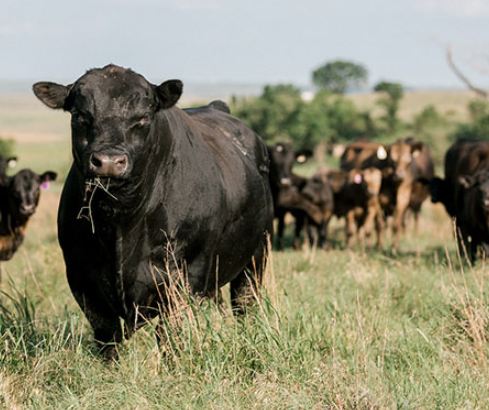
K-State beef cattle experts advocate for data as a valuable decision-making tool.

Like a coach studying game statistics to unlock a team’s potential, it’s equally important for cattle producers to track herd data to make informed breeding, feeding and marketing decisions.

Understanding what data matters most can be overwhelming. That’s why Kansas State University’s Beef Cattle Institute veterinarians Brad White and Bob Larson, along with agricultural economist Dustin Pendell – shared insights on setting data priorities for beef operations in a recent episode of Cattle Chat.

Although every operation is different, there are a few core metrics that are universally important. “These include pregnancy percentage, weaning weights, death loss percentage and sickness rate,” Larson said.

Tracking these numbers annually helps producers evaluate progress and catch potential issues early, he added.

“It’s really important to monitor whether we’re improving the herd, or if we’re already doing well, in order to maintain that success, and look for areas where problems may be creeping in before we fully recognize them,” Larson said.

White emphasized the connection between production data and rising input costs.

“Maintaining balance between expenses and performance is a challenge, especially as production costs continue to climb,” White said. “You can’t always target both decreasing expenses and increasing production.”

The experts agreed that the producer’s goals will influence what numbers matter most, but all producers need to be aware of the relationship between cost and return.

“You should always manage your expenses, but you also have to pay attention to the market conditions,” Pendell said. “Are they at record highs? What is the cost of putting on additional weight, and how does that compare to the price you’ll receive?”

Once a cattle operation reaches a profitable level, making further improvements requires closer attention to detail, said Larson.

“At that point, you really have to sharpen your pencil and weigh the cost-benefit of every input,” Larson said. “Some expenses don’t offer much return, while others — like nutritional inputs — can make a significant difference in maintaining body condition.”

Larson noted that if cows maintain consistent body condition year-round, additional feed may not be necessary. Tracking core data points — such as pregnancy rate, weaning weights, death loss and sickness — can help identify where changes are needed or confirm what’s working.

“These numbers help you monitor progress and catch potential problems early,” he said.

White added that as production stabilizes, cost-efficiency becomes harder to achieve —especially with today’s higher input costs.

With rising input costs and more complex decisions at higher production levels, K-State veterinarians and economists alike point to data tracking and cost analysis as useful tools for evaluating herd performance and input value.

To hear the full discussion about record keeping and advice on consumer demand, listen to the BCI Cattle Chat podcast online.
Managing weather-related problems in the vegetable garden

0

Warm temperatures and heavy rainfall can significantly affect the growth and yield of home vegetable crops.

Not all problems in the vegetable garden are caused by insect pests or diseases. Hot temperatures and heavy or inconsistent rainfall can lead to deformed fruit and low yields. Iowa State University Extension and Outreach horticulture specialists discuss common weather-related issues in the vegetable garden and offer tips for managing them.

According to Aaron Steil, consumer horticulture extension specialist, high temperatures, particularly those above 90°F during the day or 75°F at night, can cause blossom drop in crops such as tomatoes, peppers and green beans. Flowers may fail to form or fall off before pollination, leading to reduced yields.

“Temperatures above 85°F can delay ripening in vegetables like tomatoes, peppers and eggplant, causing fruit to remain green longer. Cool-season crops like lettuce, spinach and peas often stop growing altogether,” said Steil. “While soil is typically cooler than the air temperature, if it exceeds 86°F, potato tubers stop forming. Heat also causes incomplete or poor pollination in vine crops like cucumbers and squash, resulting in misshapen produce.”

Flavor is also affected by hot weather. Cucumbers may taste bitter, and crops like melons and carrots may have reduced sweetness as sugars are used at a higher rate in the heat, Steil noted.

Managing heat stress in crops is challenging, but Steil recommends deep weekly watering when conditions are dry to reduce plant stress and promote deep, resilient roots. Adding a layer of mulch helps lower soil temperatures and reduces water lost to evaporation.

Heavy or inconsistent rainfall can also cause problems in the vegetable garden.

“Tomatoes, particularly large-fruited varieties, may crack from rapid growth, especially under high temperatures and direct sunlight,” said Steil. “Cabbage heads can split after heavy rainfall as excess water creates internal pressure from quick uptake.”

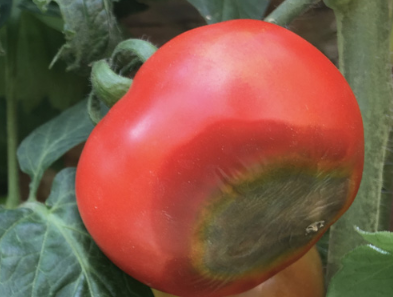
Inconsistent rainfall can lead to blossom end rot in tomatoes, peppers and summer squash. This begins with a brown or black spot on the fruit’s blossom end (bottom) because of a calcium deficiency. “The deficiency is caused by wide fluctuations in soil moisture, which impairs calcium uptake by the roots, he said. “Secondary infections follow, causing the fruit to rot.”

While rainfall cannot be controlled, consistent soil moisture can reduce these issues. During dry periods, water deeply once a week. Mulch can also help reduce evaporation from the soil surface. If fruit shows signs of blossom end rot, discard it. Damaged produce with no signs of decay is still edible, but ensure it is used or processed quickly, as it will not store well.

Ready or not: It’s time to plant the fall vegetable garden

0

Fall crops may be seeded directly or transplanted, says K-State horticulture expert.

It may be mid-summer, but veteran gardeners know it’s time to start planning the fall vegetable garden.

“Fall gardens may face additional pressures of pests and heat, but the flavor that comes from these late season crops are often better (than summer crops),” said Kansas State University horticulture expert Cynthia Domenghini.

She notes that gardeners should count the number of days to harvest, as well as the crops’ tolerance to frost, before deciding when to plant fall crops. Crops may be seeded directly, or transplanted into the garden.

“Growing transplants is a good choice when the temperature is too warm for starting seeds in the ground, assuming you have grow lights and space available for starting them indoors,” Domenghini said.

She provides some tips for successful fall crops:

  • When seeding crops directly into the garden, plant slightly deeper than recommended in the spring to take advantage of the cooler soil temperatures and moisture available.
  • Water more frequently to prevent the seeds from drying out.
  • Overhead watering often causes soil to crust, making it more difficult for young, tender plants to emerge. Prevent this by applying a light sprinkling of vermiculite or compost over the row after seeding, or use a soak hose or drip irrigation right next to the row to allow water to slowly seep into the ground.

Domenghini also suggests a timeline for planting fall crops:

Mid- July

Plant potatoes if you can find seed stock or have saved seed potatoes. Do not use freshly dug potatoes as they have built-in dormancy that will prevent growth. Also, grocery store potatoes are often treated, so they don’t sprout.

Cabbage, broccoli and cauliflower can be started from seed at this time. Choose a protected place where the soil can be kept moist and rabbits will not bother them. This will not be where they will grow the entire season; these crops will be transplanted in August.

Late July

Seed beets, carrots and beans.

Late July to early August

Seed spinach and long-season maturing lettuce. Leaf lettuce will be seeded later.

Second week of August

Transplant cabbage, broccoli and cauliflower to their final location.

Mid to late August

Seed radishes and leaf lettuce. There is no need to fertilize these crops before planting. Side-dress two weeks after transplanting, or four weeks after sowing seed, by applying two tablespoons of a 16-0-0 or one tablespoon of 27-3-3, 30-3-4 fertilizer (or something similar) per plant.

More information about fall gardening is available in the Kansas Garden Guide, available online from the K-State Research and Extension bookstore.

Domenghini and her colleagues in K-State’s Department of Horticulture and Natural Resources produce a weekly Horticulture Newsletter with tips for maintaining home landscapes and gardens.

Interested persons can subscribe to the newsletter, as well as send their garden and yard-related questions to Domenghini at [email protected], or contact your local K-State Research and Extension office.

Farm Families of the Year Recognized

0

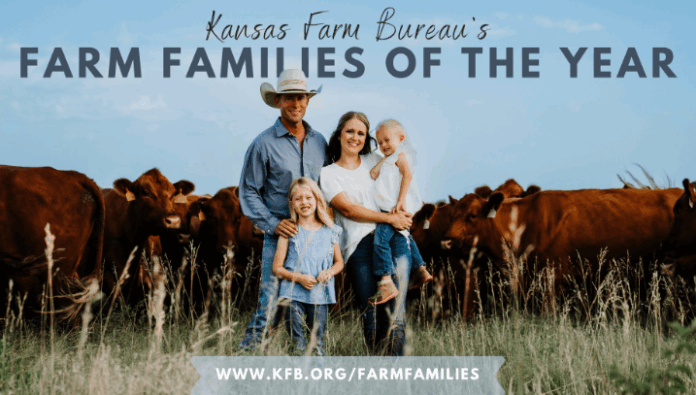
A group of families across Kansas have been recognized as a “Farm Family of the Year”.

Each year, Kansas Farm Bureau recognizes outstanding Farm Bureau families who have distinguished themselves through participation in Farm Bureau programs and leadership, family activities, community and civic service, as well as displaying good farm operation management. These Farm Family of the Year winners receive an attractive Farm Family of the Year yard sign, which will be presented to the winning family at the county annual meeting. Counties may also choose to give other recognition items at their discretion. The families are also honored at the Kansas Farm Bureau Annual Meeting in Manhattan. Honorees will receive special recognition, a commemorative gift and invite for immediate family to the recognition banquet.

Congratulations to the following families for being named KFB’s 2025 Farm Family of the Year winners:

  • Mike and Peggy Blaes, Montgomery County
  • Jason and April Coover, Lincoln County
  • Pat and Lori Elpers, Kingman County
  • Kendall and Melinda Hodgson, Rice County
  • Kacie and Johnathon Lockyear, Cowley County
  • Jason and Haley Nelson, Jewell County (pictured)
  • Joseph and Theresa Neville, Sedgwick County
  • Russell and Tiffany Rezac, Pottawatomie County
  • Carolyn and (the late) Lloyd Wulfkuhle, Douglas County

Learn more about the Farm Family of the Year program at www.kfb.org/farmfamilies. Follow along on KFB’s Facebook and Instagram to learn more about these families in the coming weeks.

Heat stress sets back weed control efforts

0

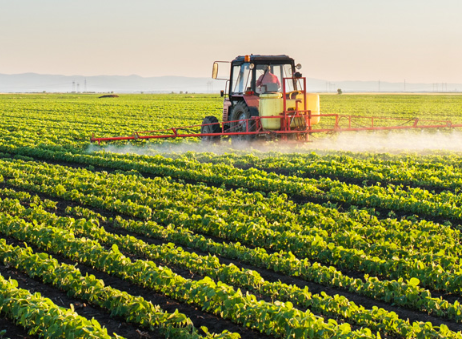
High temperatures and drought-stressed crops are reducing herbicide performance and allowing weeds to take hold.

Kansas producers are facing weed management challenges in grain sorghum, wheat stubble and soybean fields, according to Kansas State University weed management specialist Sarah Lancaster.

Lancaster said there aren’t many post-emergence herbicide options for grain sorghum currently on the market.

“Aim is labeled for post-emergence use in grain sorghum, but it’s only effective on very small pigweeds,” Lancaster said. “2,4-D and dicamba are probably the most effective on Palmer amaranth, but they can also cause injury to grain sorghum, such as lodging and brittle stems.”

According to Lancaster, Aim and Huskie have a better chance at being effective if the weeds are small.

“By small, I mean four inches or less,” she said. “The Huskie label specifically states four inches, and coverage is important. The smaller the weed, the better your chances of success.”

Humid conditions can improve herbicide performance significantly, according to Lancaster.

“If the plants are not growing well, the herbicides are not going to work as well,” Lancaster said. “We’ve seen temperatures into the upper 80s, which can reduce herbicide effectiveness, but we’ve also had high humidity across much of the state which generally increases efficacy – especially for contact herbicides like glufosinate (Liberty).”

Lancaster expressed particular concern about wheat stubble fields, where Palmer amaranth, kochia and volunteer wheat are rapidly emerging. She said timely herbicide applications are essential to prevent weeds from going to seed.

“I’ve seen fields that are just green with palmer amaranth, kochia and volunteer wheat,” she said. “Timely applications are crucial.”

While newer tools like drones are gaining interest, Lancaster cautions that they may not be as effective or reliable as some producers hope.

“Drone applications are not as straightforward as some may think,” she said. “There are very few products actually labeled for this type of application.”

For more guidance, Lancaster recommends the K-State Agronomy eUpdate and the Chemical Weed Control Guide as essential resources for producers navigating this challenging season.

Brand names mentioned in this article are for identification purposes only and are not intended to represent an endorsement of any specific product.