Wednesday, February 11, 2026
Home Blog Page 407

The tomato is a beloved and beautiful fruit that disguises itself as a vegetable.

0

So many options! The tomato is a beloved and beautiful fruit that disguises itself as a vegetable. Botanically speaking, tomatoes are defined as fruits because they form from a flower and contain seeds (like a strawberry, for example). They’re most often utilized like a vegetable in cooking, however, thus nutritionists typically consider tomatoes to be a vegetable.

With more than 10,000 tomato varieties available, planting the perfect tomato can be challenging. All varieties will benefit from mulch!


Tomatoes perform best with regulated soil moisture. Mulch provides many benefits in the garden including maintaining moisture levels, suppressing weeds and moderating soil temperatures. Exposed soil may develop a crust on the surface from repeated wet then dry conditions. A crusty soil surface restricts air flow and inhibits water absorption. A layer of mulch can prevent the soil from crusting over.


Straw mulch is a popular choice for tomatoes. Avoid using hay as it introduces weed seeds. A thin layer (2-3 inches) of dry, herbicide free, grass clippings can be used. If the lawn was treated with quinclorac (Drive), the clippings should not be used as mulch.


KU News: Law students serve Kansans pro bono and new research about online PE classes

0

From the Office of Public Affairs | http://www.news.ku.edu

Headlines

KU Law students make 2024 honor roll for pro bono service
KU Law defines pro bono work as uncompensated, law-related work that benefits the public, such as through a nonprofit organization or government agency. The students’ services included working for legal aid offices like Kansas Legal Services and Legal Aid of Western Missouri, prosecutor’s offices including the U.S. Attorney’s Office, the Disability Rights Center of Kansas and the U.S. Department of the Interior.


Study: Students found online physical education ‘awkward,’ which can help educators design better PE classes

High school students who experienced schooling during the pandemic have multiple preferences for how they would like to have PE classes conducted. This information could help educators design classes that ensure more participation and more physical activity throughout the students’ lives.


Full stories below.


————————————————————————


Contact: Emma Herrman, [email protected]

KU Law students make 2024 honor roll for pro bono service
LAWRENCE – Forty-five University of Kansas School of Law students provided more than 1,580 hours of free legal services during the 2023-2024 academic year, with 26 of them earning a spot on KU Law’s Pro Bono Honor Roll.


The students’ services included working for legal aid offices like Kansas Legal Services and Legal Aid of Western Missouri, prosecutor’s offices including the U.S. Attorney’s Office, the Disability Rights Center of Kansas and the U.S. Department of the Interior. Students also represented individuals in the KU Court of Parking Appeals, prepared tax returns for members of the community and served as court-appointed special advocates for children in foster care.


“Lawyers have special responsibilities to our clients and society,” said Meredith Schnug, clinical associate professor and associate director of the Legal Aid Clinic. “By engaging in pro bono service, law students have a unique opportunity to serve their community while gaining valuable hands-on experience.”


KU Law defines pro bono work as uncompensated, law-related work that benefits the public, such as through a nonprofit organization or government agency.


Last year, the American Association of Law Schools (AALS) established a Pro Bono Honor Roll. Schools within the AALS may nominate and recognize one student annually for this honor. This year, KU Law nominated Kylie Hance, Class of 2025. In her time at KU Law, Hance has completed more than 394 hours of pro bono service by participating in the law school’s expungement clinic, traffic court and Volunteer Income Tax Assistance (VITA) program. Last summer, she devoted her time to serving Kansans through the Low Income Taxpayer Clinic at Kansas Legal Services.


“My pro bono opportunities helped me discover an interest in tax law,” Hance said. “It is important work that allows people to have access to services they would not otherwise receive. I hope to continue to be involved in other pro bono work as I move forward in law school and my career.”


The following students completed 15 hours or more of pro bono service during the 2023-2024 academic year. Students are listed by name, graduation year and hometown:


Cecilia Bailey, 2025, Springfield, Missouri
Elm Beck, 2024, Kansas City, Kansas
Amanda Brauninger, 2025, Tulsa, Oklahoma
Kaitlyn Cairns, 2025, Andover
Dane Caster, 2025, Inman
Kate Duggan, 2025, Overland Park
Emily Featherston, 2024, Overland Park
Matt Firnhaber, 2024, Olathe
Matthew Goldhammer, 2026, Salina
Shannon Greene, 2024, McLouth
Kylie Hance, 2025, Leawood
Keegan Heany Fredrick, 2026, Fredericksburg, Virginia
Rachel Holt, 2026, Omaha, Nebraska
Will James, 2025, St. Charles, Missouri
Skylee James, 2025, San Diego, California
Keirn Kinnan, 2026, Lenexa
Hayley Koontz, 2024, Benton
Grace Lahr, 2025, Scottsdale, Arizona
Jude Lane, 2026, Siloam Springs, Arkansas
Caitlin McPartland, 2024, Prairie Village
Evan Norkey, 2026, Olathe
Liz Oltjen, 2026, Leawood
Bethany Pace-Danley, 2024, Denver, Colorado
Josie Pennington, 2024, Neosho, Missouri
Kathleen Rothfelder, 2025, Westminster, Maryland
Tanya Singh, 2025, Manhattan

In addition, 17 students were honored with Pro Bono Distinction for completing 50 hours or more of pro bono service throughout their law school career. Collectively, members of the Class of 2024 completed 2,436 hours of pro bono service during their time in law school.

Students who received Pro Bono Distinction were recognized at the law school’s Hooding Ceremony on May 11:


Vincent Amiri, 2024, Leawood
Elm Beck, 2024, Kansas City, Kansas
Brooke Brownlee, 2024, Shawnee
Jc Carter, 2024, St. Charles, Missouri
Emily Featherston, 2024, Overland Park
Matthew Firnhaber, 2024, Olathe
Jamie Gallagher, 2024, Oak Lawn, Illinois
Emily Gay, 2024, Grimes, Iowa
Shannon Greene, 2024, McLouth
Hayley Koontz, 2024, Benton
CyLeigh Maroney, 2024, Guthrie, Oklahoma
Caitlin McPartland, 2024, Prairie Village
Bethany Pace-Danley, 2024, Denver, Colorado
Josie Pennington, 2024, Neosho, Missouri
Makaela Stevens, 2024, Scott City
Chloe Thompson, 2024, Dodge City
Alden Vogel, 2024, Lenexa

-30-

————————————————————————

The official university account for X (formerly Twitter) is @UnivOfKansas.

Follow @KUnews for KU News Service stories, discoveries and experts.


————————————————————————


Contact: Mike Krings, 785-864-8860, [email protected]

Study: Students found online physical education ‘awkward,’ which can help educators design better PE classes

LAWRENCE — High school students who do not want to feel like they are on display, especially during physical education classes, found themselves in that situation when the pandemic forced education online. A study from the University of Kansas demonstrates that students largely found online physical education classes awkward and had a number of preferences for how they experience the classes — both of which influence their confidence in being physically active.


“A lot of studies before were focused on students who chose to do PE online,” said Ken Murfay, assistant teaching professor of health, sport & exercise sciences in KU’s School of Education & Human Sciences. “With the pandemic there was a lot more synchronous learning where people were online together. We wanted to see what they preferred and one of the things that affects our physical activity is our emotional state at the time of the event.”


Murfay led a qualitative study in which authors interviewed 40 high school students who took part in online PE classes during the pandemic. In addition to finding online PE awkward, they shared preferences that can help educators design classes that boost students’ physical activity self-efficacy by ensuring teachers, peers and people with varying skill levels lead demonstrations.


The COVID-19 pandemic forced a class that is inherently in-person to online settings. Similarly, previous research in physical education had largely not addressed online versions of the class.


The study, co-written by Sarah Pyszczynski of KU and Heather Erwin of the University of Kentucky, was published in the Journal of Teaching in Physical Education.


One main theme of the study’s findings was students found online PE awkward. When on camera, respondents saw themselves more than they would in person, which often led to feelings of insecurity or that others were watching them too.


“You’re looking at yourself on camera and probably judging yourself more than you would in person,” Murfay said. “Your mind can take things to a bad place pretty quickly in that situation.”


Students expressed several preferences in how they wished to take part, if required to do online PE. They largely preferred asynchronous learning, in which they were not doing activities at the same time as others, or in which they could do assignments on their own and record them by video or in a log.


They also expressed if they were required to be on camera, they only be required to show their faces or only see themselves and the instructor, but not the rest of the class.


Respondents also displayed several themes in how they prefer demonstrations to take place. In an online setting they were nearly evenly split on whether they prefer to watch a teacher demonstrate activities or watch an online video.


For in-person settings, students were split again on whether they preferred to see a teacher, who some considered the professional who had more expertise demonstrate activities, or if they’d rather see a student or someone closer to their own skill level lead demonstrations.


Very few expressed a preference for watching video demonstrations in person.


Of respondents who said they prefer seeing students demonstrate activities, the majority reported they’d rather see a student of the same or lower skill level than their own “in the wild.” For example, seeing a student perform an exercise in the weight room would more likely make them think they could do the same.


The findings’ importance lies in how they can help educators design classes that boost students’ physical activity self-efficacy — that is, their confidence to be physically active. Not only will that boost participation in class, but research has shown that individuals who have higher physical activity self-efficacy tend to be more physically active, which can help maintain a healthy body weight and increase chances of people being physically active throughout their lifetime, Murfay said.


The study results can also help educators design better courses for both in-person and online settings, especially should the latter be required again. Murfay, who has published research that found physical education instructors influence students beyond their school years, said future research can further delve into use of technology in PE classes and the social comparisons that students make in classes, including whether students compare themselves to peers of higher, lower or similar skill levels.


“In any educational environment, you want students to be comfortable,” Murfay said. “And you often have to go out of your way to do that. In the online environment, students felt like they were on display, and it’s a PE best practice to not have students on display like a situation of having only one soccer game happening with one ball, rather than having several games going simultaneously.


“For best results, the findings show we should mix it up — having teachers and students of all skill levels demonstrate.”


-30-


————————————————————————


KU News Service

1450 Jayhawk Blvd.

Lawrence KS 66045

Phone: 785-864-3256

Fax: 785-864-3339

[email protected]

http://www.news.ku.edu


Erinn Barcomb-Peterson, director of news and media relations, [email protected]


Today’s News is a free service from the Office of Public Affairs

KU News: Recent KU graduate from Lee’s Summit receives Fulbright Award, scientists describe ancient arachnid

0

From the Office of Public Affairs | http://www.news.ku.edu


Headlines


Recent KU graduate receives Fulbright Award; 3 others named alternates
One recent University of Kansas graduate accepted a prestigious Fulbright award as a teaching assistant in Austria, and two other alumni and a doctoral candidate were named alternates to study or conduct research abroad. The Fulbright program is the flagship international educational exchange program sponsored by the U.S. government and is designed to increase mutual understanding between Americans and people of other countries. The Fulbright U.S. Student Program operates in more than 160 countries worldwide.


Ancient arachnid from coal forests of America stands out for its spiny legs

More than 300 million years ago, all sorts of arachnids crawled around the Carboniferous coal forests of North America and Europe. These included familiar ones we’d recognize, such as spiders, harvestmen and scorpions — as well exotic animals that now occur in warmer regions like whip spiders and whip scorpions. But there were also quite bizarre arachnids in these habitats belonging to now extinct groups. Even among these stranger species now lost to time, one might have stood out for its up-armored legs.


Full stories below.


————————————————————————


Contact: Christine Metz Howard, [email protected]

Recent KU graduate receives Fulbright Award; 3 others named alternates
LAWRENCE – One recent University of Kansas graduate accepted a prestigious Fulbright award as a teaching assistant in Austria, and two other alumni and a doctoral candidate were named alternates to study or conduct research abroad.


Finn Finnerty, who graduated in May with a degree in foreign language education, accepted a U.S. Teaching Assistantship through Fulbright Austria. Alicia Houser, a doctoral candidate in history; Theresa Read, a recent graduate in chemistry and biochemistry; and Samantha Bryant, an education alumna, were named alternates for Fulbright Awards.


The Fulbright program is the flagship international educational exchange program sponsored by the U.S. government and is designed to increase mutual understanding between Americans and people of other countries. The Fulbright U.S. Student Program operates in more than 160 countries worldwide.


Since the program’s inception in 1946, KU has had nearly 500 students selected for Fulbright awards. KU International Affairs coordinates the applications for Fulbright grants.


“The Fulbright Program offers exceptional opportunities to teach, pursue a graduate degree or conduct research abroad,” said Rachel Sherman Johnson, KUIA director of internationalization and partnerships. “KU’s applicants put together creative and academically rigorous proposals and were outstanding representatives of the university in this year’s highly competitive application cycle.”


Recipients of Fulbright grants are selected based on academic or professional achievement as well as their record of service and demonstrated leadership in their respective fields. Fulbright grants provide funding for round-trip travel, maintenance for one academic year, health and accident insurance and, where relevant, tuition.


The 2024-2025 Fulbright recipients and alternate:


Finn Finnerty was selected for two Fulbright awards. They were offered an English teaching assistantship in Germany and a U.S. Teaching Assistantship through Fulbright Austria. Finnerty has accepted the Fulbright award in Austria, where they will be teaching English and U.S. culture this fall. From Lee’s Summit, Missouri, Finnerty graduated in May with a bachelor’s degree in foreign language education and minors in German and Spanish. Their parents are Miranda and Scott Finnerty.


Samantha Brant was named an alternate to study and conduct research in education at Durham University in the United Kingdom. Her research explores how a school’s curriculum and instruction are perceived by intermediate and middle-level students. From Topeka and currently living in Kansas City, Missouri, Brant received a master’s degree in education from KU in 2015. Her parents are David and Deba Brant.


Alicia Houser was selected as an alternate to study and conduct research in history in Tanzania. Her research examines how women have transformed Moshi, Tanzania, from a town built to serve colonial purposes into an African urban center of commerce and transportation. Houser is a doctoral candidate in history. She has a master’s degree in public and international affairs from the University of Pittsburgh and bachelor’s degrees in international relations and African studies from Austin College. Her parents are Bryan Houser and Janice Hileman.


Theresa Read was selected as an alternate to study and conduct research in chemistry in Sweden. She proposed enrolling in Uppsala University’s master’s program in chemistry for renewable energy. Read lives in Shawnee and graduated in May with bachelor’s degrees in chemistry and biochemistry. Her husband and son are Justin and Dalamar Read.


-30-

————————————————————————

The official university account for X (formerly Twitter) is @UnivOfKansas.

Follow @KUnews for KU News Service stories, discoveries and experts.


————————————————————————


Contact: Brendan M. Lynch, 785-864-8855, [email protected]

Ancient arachnid from coal forests of America stands out for its spiny legs

LAWRENCE — More than 300 million years ago, all sorts of arachnids crawled around the Carboniferous coal forests of North America and Europe. These included familiar ones we’d recognize, such as spiders, harvestmen and scorpions — as well exotic animals that now occur in warmer regions like whip spiders and whip scorpions.


But there were also quite bizarre arachnids in these habitats belonging to now extinct groups. Even among these stranger species now lost to time, one might have stood out for its up-armored legs.


The ancient critter recently was described in a new paper published in the Journal of Paleontology, co-written by Paul Selden from the University of Kansas and the Natural History Museum of London and Jason Dunlop from the Museum für Naturkunde Berlin.


“Douglassarachne acanthopoda comes from the famous Mazon Creek locality in Illinois and is about 308 million years old,” said lead author Selden. “This compact arachnid had a body length of about 1.5 centimeters and is characterized by its remarkably robust and spiny legs — such that it is quite unlike any other arachnid known, living or extinct.”


The KU researcher said Carboniferous Coal Measures are an important source of information for fossil arachnids, representing the first time in Earth’s history when most living groups of arachnids occurred together. Yet, the fauna was still quite different to today.


“Spiders were a rather rare group, only known at that time from primitive lineages, and they shared these ecosystems with various arachnids which have long since died out,” said co-author Dunlop. “Douglassarachne acanthopoda is a particularly impressive example of one of these extinct forms. The fossil’s very spiny legs are reminiscent of some modern harvestmen, but its body plan is quite different from a harvestman or any other known arachnid group.”


This led the two scientists to conclude it doesn’t belong in any of the known arachnid orders.


“Unfortunately, details such as the mouth parts cannot be seen, which makes it difficult to say exactly which group of arachnids are its closest relatives, Selden said. “It could belong to a wider group, which includes spiders, whip spiders and whip scorpions. Whatever its evolutionary affinities, these spiny arachnids appear to come from a time when arachnids were experimenting with a range of different body plans. Some of these later became extinct, perhaps during the so-called ‘Carboniferous Rainforest Collapse,’ a time shortly after the age of Mazon Creek when the coal forests began to fragment and die off. Or perhaps these strange arachnids clung on until the end Permian mass extinction?”


According to the team, Mazon Creek fossil locality is one of the most important windows into life in the late Carboniferous, producing a wide range of fascinating plants and animals. The present fossil was discovered in a clay-ironstone concretion in the 1980s by Bob Masek and later acquired by the David and Sandra Douglass Collection and displayed in their Prehistoric Life Museum.


“The genus name Douglassarachne acknowledges the Douglass family, who kindly donated the specimen to the Field Museum of Natural History in Chicago for scientific study once it became apparent that it represented an undescribed species,” Dunlop said. “Then, acanthopoda refers to the unique and characteristic spiny legs of the animal.”


-30-

————————————————————————


KU News Service

1450 Jayhawk Blvd.

Lawrence KS 66045

Phone: 785-864-3256

Fax: 785-864-3339

[email protected]

http://www.news.ku.edu


Erinn Barcomb-Peterson, director of news and media relations, [email protected]


Today’s News is a free service from the Office of Public Affairs
Grief: There is No Prescription

0

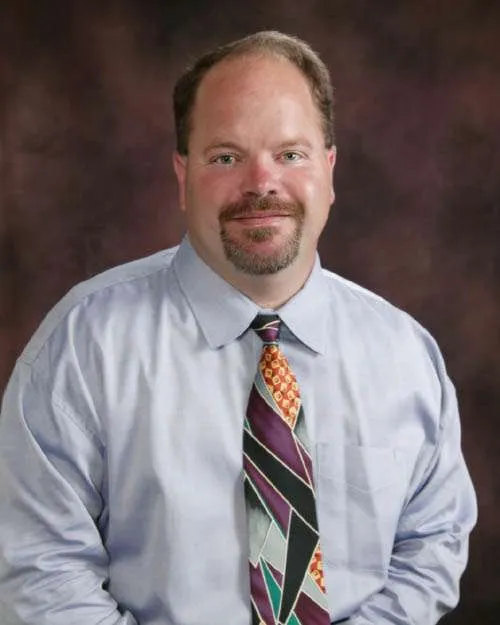
As unique is our loss is as unique is our grief. What do we do when one day we can smile, laugh, and look back at memories with fondness and thankfulness for the life we shared with our loved one; the next day we feel paralyzed by our pain and sadness? We feel broken and feel as though we may never be our “old self” again? We may not like the answer…we feel what we feel. There is no twelve steps, timeline or prescription for our grief. New research supports that as unique as we are as humans, as unique as our relationships are, as unique as our brains, is as unique as how we will process our grief.

By allowing ourselves to feel what we feel and becoming curious about those feelings we can, with time, heal. We may not ever be our “old self” again but we can become a new self. A new self that has become more resilient, more self-aware and has more compassion for ourselves and likely for others. We do not have to become bitter but we can feel angry. Anger is a common feeling to have when we are experiencing grief but so is laughter and sadness. By allowing ourselves to release our anger through healthy means such as exercising, journaling, writing a letter we can move through this feeling. By laughing when we feel like it we can release endorphins and increase our serotonin which in turn helps us feel good. By crying when we feel sad we can release stress through the actual tears coming from our eyes. Those tears chemical makeup are different than the tears our eyes naturally produce for moisture. By allowing our sad tears to flow we can help release that sadness out of our body. We may feel exhausted after this release but then while listening to our bodies, we rest.

Suppressing our feelings is not only not good for our mental health it is also not good for our physical health. We are more likely to suffer from chronic illness if we are not processing our thoughts and feelings in a healthy manner. Some tips for caring for yourself while experiencing grief are:

· Get adequate rest: 7-9 hours of sleep per night

· Drink water: Half your body weight in ounces

· Eat healthy meals and snacks: Eat the rainbow fruit, vegetables, protein and healthy carbs

· Talk to someone: Find a therapist and/or a grief support group

· Build a support system: It is okay to need others during this time and allow them to support you

· Say no when needed: Do not overwhelm yourself with too many stressful tasks or events

· Don’t isolate: Do things you enjoy and with others who bring you joy

· Move your body: Go on walks or to the gym

· Get in touch with nature: Spend time outside and in the sunshine

· Journal: Write down how you feel

· Give yourself time: Don’t shame yourself when you have a hard time

· Plan things ahead: Put things on the calendar that you can look forward to

· Honor their memory: Think of how you would like to me memorialize your loved one

· Read a book on grief: Understanding your Grief by Alan D. Wolfelt, Ph.D.

Amanda Kriens, CCHW is a community health worker at Avera Behavioral Health in Brookings, SD. Amanda provides outpatient community health worker services to children, adolescents, families and adults. Her services are personalized to help those dealing with anxiety, depression, abuse, stress, cultural diversity, interpersonal issues and trauma related to sexual violence. Her practice includes cognitive behavioral therapy, mindfulness and solution-focused therapy, and helping patients find additional community resources. Follow The Prairie Doc® at www.prairiedoc.org and on Facebook and Instagram featuring On Call with the Prairie Doc®, a medical Q&A show providing health information based on science, built on trust, streaming live on Facebook most Thursdays at 7 p.m. central

KU News: KU’s Master of Public Administration now available online

0

From the Office of Public Affairs | http://www.news.ku.edu


Headlines


Contact: Sydney Bannister, School of Public Affairs & Administration, 785-864-2143, [email protected], @KUSPAA

KU’s Master of Public Administration now available online


LAWRENCE — The University of Kansas recognizes how family and work commitments, health or mobility limitations, and other responsibilities can create barriers to education and career advancement. With the goal of creating degree programs that are accessible to everyone with the ambition to succeed, KU’s Master of Public Administration (MPA) is now available online.

This MPA program is offered through the KU School of Public Affairs & Administration, which was recently ranked in the top 26 overall best public affairs programs in the nation and No. 1 in local government management by U.S. News & World Report. These online courses are taught by the same highly regarded faculty and expert instructors and meet the same rigorous educational standards as on-campus programs — but offer more flexibility for students to study whenever and wherever is most convenient. This online program is accredited by the Network of Schools of Public Policy, Affairs, and Administration (NASPAA).

“The Jayhawk Global MPA connects nationally recognized faculty to an engaging and online curriculum,” said Maja Husar Holmes, director and professor of public administration at the School of Public Affairs & Administration. “KU is excited to bring the highly ranked MPA program closer to the leaders who want to advance public service in their communities.”

According to the U.S. Bureau of Labor Statistics, the job outlook for social and community service managers is projected to grow 9% from 2022 to 2032. Earning a master’s degree online from KU, students join a community that focuses on practice- and research-informed coursework, peer-to-peer learning and public sector collaboration to prepare students for successful careers. By the end of the coursework, graduates will be ready to lead and manage in public governance; participate in and contribute to the public policy process; analyze, synthesize, think creatively and make decisions; articulate and apply public service perspectives; and communicate and interact productively with a diverse and changing workforce and citizenry.

A Master of Public Administration (MPA) online from KU prepares students to manage and lead public-serving organizations, especially at the state and local levels. This program specializes in the ethics, knowledge, critical thinking and professional skills needed to serve diverse communities, combining theoretically grounded coursework and practical application to produce graduates who can lead, innovate and problem-solve in public and nonprofit settings.

Graduate certificates — city and county management and public and nonprofit management — allow students to broaden their knowledge in a specific area and learn the most up-to-date theory and techniques used in practice. These certificate programs are a great way for public administration professionals to enhance their skills while earning credit that can count toward the full MPA degree.

Through Jayhawk Global, the university’s education innovation center, KU plans to offer many more online degree opportunities, giving more students the chance to earn a globally recognized degree that signals prestige, quality and career readiness.

-30-

————————————————————————


KU News Service

1450 Jayhawk Blvd.

Lawrence KS 66045

Phone: 785-864-3256

Fax: 785-864-3339

[email protected]

http://www.news.ku.edu


Erinn Barcomb-Peterson, director of news and media relations, [email protected]


Today’s News is a free service from the Office of Public Affairs