Sunday, February 15, 2026
Home Blog Page 452

Best Practices for Lawn Maintenance

0
John Deere

Lawns are growing which means many of us have resumed maintenance. Here are
some guidelines for lawncare to minimize your costs and the environmental impact.
Proper maintenance is a proactive approach to reduce weed growth and other stresses
to the lawn.

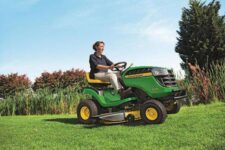
Optimal mowing height depends on the type of grass, lawn
use and time of year. Mow at the high end of the
recommended range for each species to improve drought
resistance by encouraging deeper roots. Only one-third of
the grass leaf should be cut at a time. Removing more
results in physiological stress and possible heat or cold
injury. If the lawn has become overgrown and needs more
than one-third removed it will need to be done gradually with
a few days between each mowing.

Mowing frequency should be based on the growth rate of the
lawn. Following a set schedule may result in excessive
clippings left on the grass. Proper timing of mowing means
the grass clippings are shorter and can be returned to the
lawn. This contributes nitrogen back to the lawn. Long clippings can block sunlight to
the live turf and promote disease so they should be bagged and removed.

Maintaining a sharp blade on the mower is essential for a clean cut. A dull mower blade
tears the grass and causes the tips to turn whitish.

Mow using a different pattern each time to prevent soil compaction and turf wear from
the mower wheels. The grass blades lean the direction of the mower’s path so changing
the pattern each time allows the grass to stand more upright.

Trees can be severely damaged if bumped by the mower. Even what appears to be a
minor wound can result in death for the tree. Cultivate the soil surrounding trees to
prevent grass and weeds from growing up close to the trunk.

Watering

Apply water in the early morning. Nighttime watering promotes disease development.
Wait as long as possible between watering. Signs the turf needs water include: darker
bluish-green color and footprints remain in the lawn when someone walks across rather than leaf blades bouncing back in place. Soak the soil to a depth of 6-8 inches and wait for signs more water is needed.

Fertilizing

Fertilize only to maintain a moderately green color during favorable weather and
minimally or not at all during times of weather stress. Over-fertilizing increases the water
and mowing requirements. Do not fertilize when heavy rain is expected and never dump
excess fertilizer into storm drains or sewers. The timing of fertilizer applications should
be based on turfgrass species.
• Fescue and bluegrass – September and November (optional in May)
• Bermudagrass and zoysiagrass – between May and August
• Buffalograss – June
Watering the Landscape

0

Whether establishing a new landscape or enjoying mature trees and shrubs from years
ago, water is a concern for gardens of all stages.

Considerations for the New Landscape

• Steep slopes encourage water runoff and erosion. Choose drought tolerant
groundcovers, trees and shrubs for these locations. Consider terracing to further
prevent erosion and water loss.
• Wind increases the amount of water loss through transpiration. Creating a screen
with a fence or low water use trees and shrubs can protect more sensitive plants.
• Trees can shade the landscape and reduce the
soil and air temperature thus reducing amount
of water lost. Choose low water use trees.
Research turfgrass species prior to planting to
understand their water requirements. Avoid
species that are high water users and design
turf areas with efficient irrigation.
• Design the landscape so plants with similar
water requirements are together. A low water
use plant situated in a high-water area will
result in the plant receiving too much water which can cause damage and waste.
• Choose drought tolerant plants for south or west-facing areas of the landscape
where there is maximum sun exposure.
Considerations for the Established Landscape
• Water deeply, but no deeper than the root zone, and slowly to avoid runoff.
Water infrequently to promote deeper root growth
• Loosen the soil and add mulch. Soil compaction decreases water absorption.
Mulch can help prevent compaction. Mulch can also be used to create a basin
around trees to help contain water near the root zone.
• Monitor irrigation system for leaks and malfunctions. If you don’t have a smart
irrigation system, be sure to turn the irrigation off when we have rain.
• Maintain weeds so there isn’t competition for the water applied.

Find out more in our KSRE Publication Water and Conservation in the Home
Landscap

Is it Tomatoe Time yet?

0

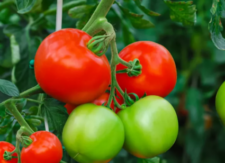
Tomatoes are the most popular home garden vegetable, and
all spring gardeners are eager to get them into the garden.
Optimal growing temperatures for tomatoes range from 70- to
75-degrees F during the day and 60- to 65-degrees F at night
making late April to May a safer time to transplant. Cold garden
soils do not promote growth in tomatoes and plants will have to
be protected if there is a danger of frost when planted too
early.

This is a great time to do some tomato planning, however.
Remove any remaining plant debris from the garden. When the
soil is not saturated work compost into the top six inches. Plan
enough space in the garden to provide tomatoes up to two feet between plants. This will
promote air flow and reduce the risk of disease. If possible, use an area of the garden
where tomatoes, peppers, eggplant, potatoes and tomatillos have not been grown for
the past three years. This is called “crop rotation” and will help prevent the spread of
diseases/pests that have overwintered in the soil.

Plan for how you will support your plants. This depends in part on
the type of tomato. Determinate varieties have more compact
growth and can typically be supported by traditional tomato cages
commonly sold at garden centers. Sturdy tomato cages can be
made using wire fencing. Indeterminate varieties can reach over
five feet tall. It is still important to provide support for these vines
so they are not lying on the ground. In this case staking or
trellising and pruning may be necessary.

Many problems with tomatoes are exacerbated by wet, humid
conditions. Providing good airflow within each plant and between
plants as well as consistent and properly-timed water minimizes this risk. Water on the
leaves and water splashing onto plants from the soil are two occurrences that can
spread disease. Using drip irrigation or a soaker hose reduces this problem and enables
the gardener to provide consistent moisture to the targeted area.

When the time is right to purchase tomato transplants, select dark green, short,
compact plants with sturdy stems about as thick as a pencil. Plants that outgrown their
container may be root bound and suffer shock when transplanted. Planting guidelines
will be highlighted later in the month, or you can read more by following the link to our
KSRE Tomato Publication.

Fertilizing Fruit Trees

0

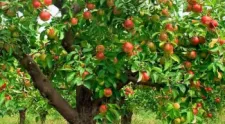
Before applying fertilizer in the spring, a soil test should be completed if one hasn’t been done for several years. The best time to fertilize established fruit trees is when they enter the bloom period. Nitrogen is typically the focus which can be applied with a lawn fertilizer. Choose a high nitrogen fertilizer without herbicides or preemergence included.

Young trees require less fertilizer than established trees.

• 1-2-year-old tree = ¼ cup
• 3-4-year-old tree = ½ cup
• 5-10-year-old tree = 1 – 2 cups
• More than 10 years old = 2 – 3 cups

Spread the fertilizer on the soil surface, away from the trunk, but beneath the canopy.
Water the fertilizer in well and evaluate the tree for further fertilization needs.