Tuesday, December 30, 2025
Home Blog Page 6

Why Armadillos Are Invading Kansas and Freaking Everyone Out

0

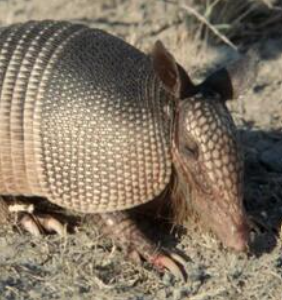
Something strange is happening on the plains of Kansas. Picture this: you’re driving down a country road, and out of nowhere, a strange, armored creature scuttles across your headlights. No, it isn’t a prehistoric relic or a visitor from another world—it’s an armadillo! Once a rare sight, these quirky animals are now popping up everywhere in Kansas, leaving locals surprised, confused, and sometimes even a little unsettled. But why are armadillos suddenly marching north into the Sunflower State? The answer is as bizarre and fascinating as the creatures themselves.

The Unexpected Arrival of a Southern Wanderer

Just a few decades ago, spotting an armadillo in Kansas would have been the stuff of tall tales. Native to South and Central America, the nine-banded armadillo was historically a creature of the warm, humid south. Now, however, sightings have exploded in Kansas, with reports from city parks, rural fields, and even suburban backyards. This sudden arrival has caught many Kansans off guard, sparking both fascination and fear. The armadillo’s odd appearance—with its bony shell and tendency to jump when startled—has even inspired urban legends and social media buzz across the state.

Climate Change: The Great Enabler

One of the primary reasons for the armadillo’s invasion is the shifting climate. Winters in Kansas have become milder over recent years, with fewer deep freezes that would once have killed off these warm-weather creatures. Armadillos are highly sensitive to cold, so as the average temperature rises, their range steadily expands northward. Scientists point to climate records showing a clear trend: as frosty nights decrease, the armadillo’s playground grows. This is a vivid example of how even modest climate shifts can trigger surprising ripple effects in wildlife populations.

Highways to the Heartland

Armadillos aren’t just wandering north by accident—they’re following the ribbons of highways, railways, and cleared land humans have carved through the landscape. These corridors make it easier for armadillos to travel long distances, avoiding dense forests or impassable prairies. As Kansas’s infrastructure has grown, so too has the opportunity for armadillos to explore new territory. Observers have even noted that freshly built roads seem to act like armadillo superhighways, quickly drawing them into regions where they were never seen before.

Food and Survival: The Kansas Buffet

Kansas offers the perfect menu for a hungry armadillo. With its abundance of insects, grubs, and worms, the state’s soil is a smorgasbord for these natural foragers. Armadillos use their keen sense of smell to locate food underground, rooting through lawns and gardens with their pig-like snouts. This has been great for armadillos but less so for Kansas homeowners, who sometimes wake up to find their yards riddled with holes. Yet, the rich pickings mean armadillos are thriving and multiplying at an astonishing rate.

Surprising Adaptations and Resilience

What makes armadillos such successful invaders? For starters, they are incredibly adaptable. Their tough armor protects them from most predators, and their ability to dig allows them to create burrows for shelter. Armadillos also have a quirky reproductive strategy: each litter is made up of genetically identical quadruplets, boosting their numbers quickly. These traits, combined with their insatiable curiosity and willingness to explore, have helped them survive—and even flourish—in Kansas’s changing landscape.

The Human Reaction: Fear, Fascination, and Frustration

The arrival of armadillos has sparked a whirlwind of emotions among Kansans. Some people are delighted to see such an unusual animal in their backyard, quickly snapping photos and sharing stories online. Others feel uneasy, worried about the damage to gardens, golf courses, and even the risk of disease—since armadillos are known carriers of leprosy bacteria, though the risk to humans is extremely low. Still, the shock of seeing an “alien” creature in familiar surroundings has stirred up excitement and anxiety in equal measure.

Impact on Local Wildlife and Ecosystems

The appearance of armadillos in Kansas is more than just a curiosity; it has real consequences for local ecosystems. Armadillos compete with native animals like skunks, raccoons, and opossums for food and shelter. Their digging can disrupt the habitats of insects and small ground-nesting birds. Scientists are watching closely to see if the armadillo’s presence will tip the balance of Kansas’s intricate web of life. In some cases, armadillos may even help by eating pests, but their long-term impact remains uncertain.

Armadillos and Disease: Separating Fact from Fear

One of the more alarming rumors about armadillos is their connection to leprosy, a disease that conjures up ancient fears. While it’s true that armadillos can carry the bacteria that cause leprosy, the risk of transmission to humans in Kansas is vanishingly small. Most experts agree that direct contact is rare, and simple precautions—like avoiding handling wild armadillos—are more than enough to stay safe. Still, the association has fueled a mix of fascination and worry, adding to the armadillo’s mysterious reputation.

Can We Coexist with Kansas’s Newest Residents?

As armadillos continue to march across Kansas, the big question is how people will adapt. Some communities are learning to live with these oddball neighbors, focusing on ways to protect gardens and lawns without harming the animals. Wildlife agencies offer tips for deterring armadillos, such as fencing and humane traps, and encourage people to appreciate the unique role these creatures play in the ecosystem. The key may be understanding—not fear—as Kansans adjust to life alongside their unlikely new residents.

A Glimpse Into the Future: What Comes Next?

With armadillos now firmly established in Kansas, experts predict their numbers will only grow in the coming years. Will they keep moving north, reaching Nebraska or even farther? Only time will tell. What’s clear is that the story of the armadillo in Kansas is still unfolding—a living reminder of how quickly nature can surprise us, and how adaptable both animals and people must be in a world that’s always changing. What unexpected creature might show up next in your backyard?

Ten We Kan! Award winners for 2025

0

Ten people from around the state have been recognized by the Kansas Sampler Foundation in 2025 for their efforts to preserve and sustain rural culture.

The Kansas Sampler Foundation, an Inman-based non-profit, has been presenting We Kan! award plates since 1993. Recipients are chosen from the We Kan! network which is made up of community leaders, doers, entrepreneurs, volunteers and rural advocates, including those involved in state government, who desire to help rural communities be the best they can be at being themselves.

The ten to receive awards in 2025 were Cheryl Adelhardt, Harper (You’ve Given Your All); Kylee Bergstrom, Seneca (Yo, VIP, You’re Kicking It); Steve and Jane Fry, Elk Falls (For Lifting All); Caryl Hale, Norton (Your Open Heart); Shelly Hansel, Harper County (Loud and Proud); Sarah Kessinger, Marysville (Front and Center); Nick Levendofsky, Courtland (Secretary of Swagriculture); Susan McKenzie, White City (Whatever is Needed); Trisha Purdon, Independence (You’re Our Rural Champion); and Laura and Kaydee Riggs-Johnson, Winfield (Making Kansas Cool as Heck).

Director Marci Penner said, “These are people who are making intentional and extra efforts to help improve their communities or lives of their constituents. Because they don’t seek credit for their contributions, the manner in which we bring family and friends together to surprise them with the award, in their home environment, makes it a special event.”

The artist of the individual award plates if Stacy Barnes of Greensburg.

To see a list of all previous We Kan! award winners go to kansassampler.org.

Despite winter’s chill, gardeners can still prep for spring

0
Storing potatoes, testing old seed make December’s to-do list.

Gardeners who may be getting antsy for spring can still find plenty to do during winter’s colder months, says Kansas State University horticulture expert Cynthia Domenghini.

For starters, she says, it’s a good time to check in on the conditions in which potatoes are being stored.

“Ideally, potatoes should be stored in a cool garage or basement where the relative humidity is 90% and the temperature is between 40-45 degrees Fahrenheit,” Domenghini said.

Potatoes can be stored for long periods of time if the temperature remains below 40 F, but Domenghini notes that the starches begin converting to sugars, which alters the flavor of potatoes.

“If this happens in your storage area, keep the potatoes at room temperature for 2-3 days prior to consuming and the desired flavor should return,” she said.

If stored above 45 F for prolonged periods of time, potatoes will begin to sprout. If the relative humidity is too low, potatoes will become soft and shriveled. Domenghini said storing potatoes in perforated plastic bags will help to maintain higher humidity levels.

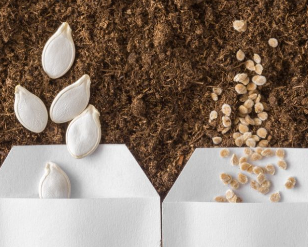
Domenghini also notes that winter is a good time to test whether old garden seed is still viable for the spring garden.

“Seed typically remains viable for about three years if kept in cool, dark, dry conditions, though there are exceptions,” Domenghini said. “For example, members of the carrot family (carrots, parsnips and parsley) have short-lived seeds that are usually good for only 1-2 years.”

A publication from the Colorado State University extension service, Storing Vegetable and Flower Seeds, has more detailed information about the longevity of specific species.

If unsure about your seed’s viability, here’s how to test it this winter:

  • Place 10 seeds on a paper towel moistened with warm water. Cover with a second moistened towel.
  • Roll up the towels and place them inside a plastic bag with several holes. Keep the bag in a warm location, such as the top of the refrigerator.
  • Remoisten the towels with warm water, as needed.
  • After one week, check for germination. Remove sprouted seeds and check again after another week.

“The percentage of seeds that sprout indicates the germination rate,” Domenghini said. “You can decide if this rate is acceptable, or if purchasing new seed is warranted.”

Domenghini and her colleagues in K-State’s Department of Horticulture and Natural Resources produce a weekly Horticulture Newsletter with tips for maintaining home landscapes and gardens.

Interested persons can subscribe to the newsletter, as well as send their garden and yard-related questions to [email protected], or contact your local K-State Research and Extension office.

Protect your identity this holiday season

0

It’s the season of giving, but make sure you don’t give identity thieves the gift of your personal information, says Andrew Zumwalt, University of Missouri associate teaching professor and Certified Financial Planner.

Thieves can use information such as your Social Security number, credit card data or account logins to open accounts, make purchases, drain funds or commit other fraud in your name, Zumwalt said. “Identity theft can damage your finances, credit score and reputation, and it often takes months to repair that damage.”

During the holiday season, more people are shopping, both online and in stores, which means more financial transactions, creating more opportunities for thieves to intercept data or slip in fraudulent activity unnoticed, he said. With busy schedules, gift hunting, travel and holiday stress, people may pay less attention to red flags such as suspicious emails, fake offers and other scams.

Protect your identity during the holidays

  • Review bank and credit statements promptly to catch unauthorized charges.
  • Be suspicious of unexpected emails or texts about package deliveries, tax refunds or “holiday deals,” especially from unknown senders.
  • Limit how much personal information you keep in your wallet or purse; avoid carrying sensitive documents unnecessarily.
  • When shopping online, double-check website URLs and avoid unfamiliar retailers.
  • Make photocopies of your credit cards, front and back, and put in a secure location.
  • Use strong passwords on your computer.
  • Check your credit reports at least once a year. You can get a free credit report annually: Fill out a request online or call 877-322-8228.
  • Make photocopies of your credit cards, front and back, and put them in a secure location.

If you suspect your identity has been stolen

  • File a report with the Federal Trade Commission at FTC’s Identity Theft website or call 877-438-4338.
  • Place an fraud alert on your credit report by contacting one of the three nationwide credit reporting agencies: Equifax, 800-685-1111; Experian, 888-397-3742; or TransUnion at 888-909-8872.
  • Notify the fraud departments at your credit card issuers, bank and other places where you have accounts.

Hemp Industry Applauds White House Leadership, Calls for Congressional Action to Protect 325,000 Jobs and Multi-Billion Dollar Sector

0

Today, Hemp Industry and Farmers of America (HIFA) would like to express deep gratitude to the White House for its leadership and engagement on critical issues facing the hemp sector. President Trump’s executive order gave vital breathing room to the hemp industry – farmers, business owners, and consumers, from seniors to veterans. The Executive Order highlights “the challenging legal landscape, including the recent changes to full-spectrum products,” and the need for commonsense regulatory solutions – not prohibition. Following months of productive dialogue between White House staff and representatives from the Hemp Industry Farmers Association (HIFA) and other industry leaders, stakeholders are optimistic that meaningful action is within reach to preserve an industry valued at between $30-70 billion.

The hemp industry has faced significant regulatory uncertainty in recent weeks, after Congress put hemp on the chopping block, an agricultural sector that supports more than 325,000 jobs across farming, manufacturing, distribution, and retail. Following this detrimental ban, the Hemp Industry is aligned with the White House’s call to improve access and inform standards of care. Over the past several months, HIFA and other industry representatives have participated in substantive meetings with White House officials to discuss pathways forward that balance regulatory concerns, public safety, and economic realities. The President’s Executive Order signals that the time for action is now, with the future of American hemp agriculture hanging in the balance. HIFA plans to double down on our outreach to Congress and expand support among elected officials.

This isn’t just about policy — it’s about people. Hundreds of thousands of hemp jobs are at stake across the country,” said HIFA Executive Director Brian Swensen. “We thank the President and White House staff for their time, their attention, and their willingness to engage with our team and industry leaders over these past months. Now we’re calling on Congress to step up and work with us to implement common-sense solutions everyone agrees are necessary, starting with a two-year extension on the existing one-year ban. Together, we can ensure this industry continues to thrive and support hundreds of thousands of American families for generations to come.”

Farmers, small businesses, and families from coast to coast are facing devastation after Congress. A hidden anti-hemp provision in the government funding package is leaving communities across the nation scrambling for answers. Thanks to their ill-judged approach, Congress has created a desolate future for the estimated $30-70 billion hemp industry.

Contact: Hemp Industry & Farmers of America
[email protected]