Wednesday, January 21, 2026
Home Blog Page 141

KU News: New 2025-2026 Self Memorial Scholars, School of Education & Human Sciences Distinguished Alumni Award recipient

0

From the Office of Public Affairs | https://www.news.ku.edu

Headlines

KU announces new 2025-2026 Self Memorial Scholars

LAWRENCE – Twenty students have been selected to receive the University of Kansas Madison and Lila Self Memorial Scholarship for the 2025-2026 academic year, a merit-based, $10,000 award to outstanding seniors transitioning into their first year of a master’s or doctoral program at KU in fall 2025. Recipients include students from De Soto, Hiawatha, Kansas City, Lawrence, Louisburg, McLouth, Olathe, Overland Park, Pratt and Topeka.

School of Education & Human Sciences to honor 2025 Distinguished Alumni Award recipient

LAWRENCE — The University of Kansas School of Education & Human Sciences will honor alumnus Jason Booker with one of its top awards this spring. The deputy athletics director for external affairs at Kansas Athletics will be recognized with the 2025 Distinguished Alumni Award on May 17 at the school’s spring convocation ceremony. Booker previously worked for the Kansas City Royals and recently served as chair of the board for the Kansas City Sports Commission and Foundation.

Spencer Museum announces KU Common Work of Art for 2025-2026

LAWRENCE — The Spencer Museum of Art at the University of Kansas has announced “Haunted by the Ghosts of Our Own Making” by Hollis Sigler as the KU Common Work of Art for the 2025-2026 academic year. The painting, on display in the museum’s Michaelis Gallery, complements the KU Reads book, “The Anthropocene Reviewed: Essays on a Human-Centered Planet” by John Green. Together the KU Reads selection and KU Common Work of Art serve as entry points to inspire curiosity and generate enthusiasm for scholarly inquiry across disciplines, providing opportunities for the KU community to come together for engaged discussion and discovery in the classroom and beyond.

Study finds giving pre-service social studies educators practice in teaching difficult topics boosts confidence

LAWRENCE — Four pre-service teachers designed and delivered a lesson on “Night,” Elie Wiesel’s seminal Holocaust survival memoir, in a new University of Kansas study. The lesson, performed in a mixed-reality simulator, found the teachers did not have instruction on teaching difficult topics, but their confidence in teaching difficult material improved. “We need to better prepare our teachers for when they feel afraid of addressing certain topics,” said Anna Yonas, assistant professor of curriculum & teaching. “We’ve found that when that happens, they rely more heavily on teacher narrative and don’t leave time for student discussion.”

KU faculty honored as 2025 Kemper Fellows for Teaching Excellence

LAWRENCE — Teaching is integral to the University of Kansas’ mission to educate leaders, build healthy communities and make discoveries that change the world. This spring, five KU faculty members were honored with the William T. Kemper Fellowship for Teaching Excellence award, recognizing their commitment and contributions to teaching excellence on KU Lawrence’s campus.

Full stories below.

————————————————————————

Contact: Daniel Rivera, Self Graduate Fellowship, 785-864-7249, [email protected]
KU announces new 2025-2026 Self Memorial Scholars

LAWRENCE – Twenty students have been selected to receive the University of Kansas Madison and Lila Self Memorial Scholarship for the 2025-2026 academic year.

The Self Memorial Scholarship is a merit-based scholarship that is awarded to outstanding seniors from KU who will be transitioning into their first year of a master’s or doctoral program at KU in the fall 2025 semester. Students who were selected demonstrated achievement in leadership and scholarship, capable of envisioning and attaining goals that require energy and tenacity.

The Self Memorial Scholarship provides each recipient with a $10,000 scholarship award, $1,000 professional development award, leadership and career development training, and an opportunity to be a part of an interdisciplinary cohort of graduate students. The leadership and career development training, the Scholar Development Program, complements the specialized education and training provided by the graduate programs.

Madison and Lila Self were deeply motivated by the idea that developing and investing in young leaders was vital for a successful future. The Selfs began their legacy of supporting graduate students in 1989 with the establishment of the Madison and Lila Self Graduate Fellowship. Since 1991, the Self Graduate Fellowship has supported over 220 doctoral students.

The Self Memorial Scholarship was launched and permanently endowed in 2014. The first Scholars were awarded in 2018. Since 2018, the Self Memorial Scholarship has supported nearly 100 graduate students. The overall mission of Self Graduate Programs is to provide funding and development opportunities for exceptional graduate students who demonstrate the promise to make significant contributions to their field of study and society as a whole.

The new Self Memorial Scholars for 2025-2026:

Adam Baruth of De Soto: bachelor’s degree in aerospace engineering from KU; incoming master’s student in aerospace engineering.
Jenna Ghannam of Louisburg: bachelor’s degree in speech-language-hearing from KU; incoming master’s student in speech-language pathology.
Archisa Ghimire of Olathe: bachelor’s in speech-language-hearing from KU; incoming master’s student in speech-language pathology.
Bhavik Goplani of Dubai, United Arab Emirates: bachelor’s degree in computer science, minor in math from KU; incoming master’s student in computer science.
Trent Gould of Overland Park: bachelor’s degree in computer science from KU; incoming master’s student in business administration and business analytics.
Rachael Hampton of Lawrence: bachelor’s degree in sociology and applied behavioral science from KU; incoming master’s student in sociology.
Sian Helfrich of Pratt: bachelor’s degree in architectural engineering from KU; incoming master’s student in structural engineering.
Jolie Hilgedieck of Columbia, Illinois: bachelor’s degree in accounting from KU; incoming master’s student in accounting.
Edona “Donna” Kraja of Bar, Montenegro: bachelor’s degree in accounting and international business from KU; incoming master’s student in accounting.
Lakyn Leupold of Hiawatha: bachelor’s degree in atmospheric science pollution from KU; incoming master’s student in atmospheric science.
Max Linares of Fayetteville, Arkansas: bachelor’s degree in organ performance and church music from KU; incoming master’s student in music (organ and church music).
Jake Makela of Lindenhurst, Illinois: bachelor’s degrees in English and women, gender & sexuality studies from KU; incoming doctoral student in women, gender & sexuality studies.
Maddie Peterson of Edmond, Oklahoma: bachelor’s degree in speech-language-hearing from KU; incoming master’s student in speech-language pathology.
Chase Perkins of Topeka: bachelor’s degree in ecology & evolutionary biology from KU; incoming master’s student in ecology & evolutionary biology.
Casey Queen of Omaha, Nebraska: bachelor’s degree in aerospace engineering from KU; incoming master’s student in aerospace engineering.
Christopher Raithel of McLouth: bachelor’s degree in accounting, minor in business analytics from KU; incoming master’s student in accounting.
Maria Luisa Segares of San Jose, Costa Rica: bachelor’s degree in electrical engineering from KU; incoming master’s student in electrical engineering.
Daisy Torres of Kansas City, Kansas: bachelor’s degree in speech-language-hearing from KU; incoming master’s student in speech-language pathology.
Megan Tucker of Plano, Texas: bachelor’s degree in speech-language pathology from KU; incoming master’s student in speech-language pathology.
Holly Wilson of Kansas City, Missouri: bachelor’s degree in social work from KU; incoming master’s student in social work.

-30-

————————————————————————

Why do university graduates wear caps and gowns? Learn more about the history

behind hoods, tassels, stoles and more on this latest KU News Service podcast episode.

https://whenexpertsattack.libsyn.com/regalia-is-for-scholars-not-just-kings

————————————————————————

Contact: Aspen Grender, School of Education & Human Sciences, [email protected]
School of Education & Human Sciences to honor 2025 Distinguished Alumni Award recipient

LAWRENCE — The University of Kansas School of Education & Human Sciences will honor alumnus Jason Booker with one of its top awards this spring.

Booker will be recognized with the 2025 Distinguished Alumni Award on May 17 at the school’s spring convocation ceremony at Allen Fieldhouse.

“Jason’s career reflects the kind of leadership and impact we hope to inspire in all our graduates,” said Rick Ginsberg, dean of the school. “We’re proud to honor his outstanding accomplishments.”

Booker earned his bachelor’s degree in sport management from the school at KU in 1999. He currently serves as deputy athletics director for external affairs at Kansas Athletics, where he has led transformative growth across multiple areas since his return to the university in 2021. With nearly 30 years of experience in the sports business industry, Booker’s work spans marketing, licensing, premium seating and corporate partnerships, including seven years as senior director of corporate partnerships and broadcast sales for the Kansas City Royals. Prior to joining the Royals, Booker spent time at TCU, the University of Oklahoma and the University of South Carolina.

Since rejoining KU, Booker has played a pivotal role in marketing and sales strategies for major facility projects, including the $445 million reimagining of David Booth Kansas Memorial Stadium and the $55 million renovation of Allen Fieldhouse. Under his leadership, Kansas Athletics has seen a 47% increase in ticket revenue and 40% overall revenue growth in just four years.

He also oversaw the creation of Jayhawk Creative Services, an in-house agency supporting creative, design and social media for all athletic programs. Additionally, Booker serves as sport administrator for Kansas women’s soccer and led the hiring committee of head coach Nate Lie, who won the Big 12 Championship in his first season.

In addition to his professional accomplishments, Booker has dedicated significant time to community leadership. He recently served as chair of the board for the Kansas City Sports Commission and Foundation, where he helped bring the 2023 NFL Draft, the 2026 FIFA World Cup and multiple NCAA championships to the Kansas City region. He also serves on the Lawrence Chamber of Commerce board, strengthening connections between Kansas Athletics and the local business community.

The Distinguished Alumni Awards are the highest honor the School of Education & Human Sciences bestows upon its alumni. Award recipients demonstrate ongoing, exceptional professional, academic or research achievement and contribution to the community at the local, state, national or international levels.

-30-

————————————————————————

KU News Service is now on BlueSky.

Follow for KU News Service stories, discoveries and experts.


https://bsky.app/profile/kunewsservice.bsky.social

————————————————————————

Contact: Elizabeth Kanost, Spencer Museum of Art, 785-864-0142, [email protected]
Spencer Museum announces KU Common Work of Art for 2025-2026

LAWRENCE — The Spencer Museum of Art at the University of Kansas has announced “Haunted by the Ghosts of Our Own Making” by Hollis Sigler as the KU Common Work of Art for the 2025-2026 academic year. The painting complements the KU Reads book, “The Anthropocene Reviewed: Essays on a Human-Centered Planet” by John Green.

Both Green’s text and Sigler’s painting incorporate autobiographical references while pondering the larger question of what it means to be human in the modern era. Together the KU Reads selection and KU Common Work of Art serve as entry points to inspire curiosity and generate enthusiasm for scholarly inquiry across disciplines, providing opportunities for the KU community to come together for engaged discussion and discovery in the classroom and beyond.

Celka Straughn, Spencer Museum director of academic programs, said shared themes from both selections include memory, hope, illness, survival, wonder and distinguishing facts from misinformation.

“Sigler’s painting and Green’s essays cast light on a subject to make it visible from multiple perspectives,” Straughn said. “Their work encourages us to look behind the curtain of what might seem invisible, such as the consequences of human actions in the age of the Anthropocene.”

Sigler was diagnosed with breast cancer in 1985. From the 1990s until her death in 2001, her art focused on her personal struggle with cancer as well as the disease’s effects on society. “Haunted by the Ghosts of Our Own Making” focuses on dichlorodiphenyltrichloroethane, the insecticide more commonly known as DDT. The painting presents a theatrical stage with curtains parted to reveal a sunset backdrop and a performance of ghostly skeletal servers attending a diner-less table prepared for a feast. Scratched faintly above are the letters “DDT” and a crop-duster spraying the scene. Sigler inscribes her message around the handmade frame: “Although the use of DDT has been banned by the Government for years, its long-term effects are now being recognized. The cancer-causing potential of pesticides in use today may be hidden for years to come.”

“Haunted by the Ghosts of our Own Making” is on view in the Spencer Museum’s Michaelis Gallery as part of the “Empowerment” exhibition. The Spencer Museum is free to visit and open to the public six days a week.

Resources for expanding conversation about the KU Common Work of Art are available online.

-30-

————————————————————————

KU provides fire, rescue and law enforcement training across Kansas.


https://ku.edu/distinction

————————————————————————

Contact: Mike Krings, KU News Service, 785-864-8860, [email protected]
Study finds giving pre-service social studies educators practice in teaching difficult topics boosts confidence

LAWRENCE — If practice makes perfect, teachers should not be expected to teach difficult topics to students without a chance to rehearse in a low-stakes setting. Yet that commonly happens, and a new study from the University of Kansas found that when pre-service teachers designed and taught a lesson on a seminal text about surviving the Holocaust, they inconsistently used historical source analysis, relied on lessons they received years ago and said they were afraid of what might happen teaching the subject matter.

Social studies teachers routinely guide lessons on difficult topics like the Holocaust. But most research on how they teach focuses on veteran teachers who have received professional development to provide them new skills or supports. Anna Yonas, assistant professor of curriculum & teaching in KU’s School of Education & Human Sciences, led a study examining how four pre-service social studies teachers designed and led a lesson about “Night” by Elie Wiesel, an influential narrative about surviving the Holocaust, in a simulated practice environment.

The research was published in the journal The Social Studies.

Without instruction on traumatic history instruction, the pre-service teachers tended to rely on what they remembered about the Holocaust from their own education, Yonas found.

“There is a representative body of research that suggests novice teachers are still developing subject matter expertise, but not much has looked at how they teach in practice,” Yonas said. “I want to know more about how we can allow pre-service teachers to learn in practice before they are teaching difficult topics to real students in real classrooms.”

Yonas chose “Night” because research has shown it is the most commonly read book by American high school sophomores. The pre-service teachers gave the book lesson in a mixed-reality simulated classroom, a technology designed by the Flexible Learning through Innovations in Technology & Education Center at KU. The study examined how they delivered the lesson and how they described the supports they believe would help them teach the subject matter, then measured their confidence in covering the curriculum before and after.

The subjects took varying approaches to the lesson. Two reported they ran out of time to complete what they hoped to cover, one taught about the history of antisemitism, and one did not mention Jewish people at all.

Following the lesson, all said they were not sure how to address the Holocaust and had not had training in traumatic history instruction — teaching subject matter that was not only traumatic at the time but has the potential to be traumatic for students and teachers in the present.

All four attempted to manage students’ expectations, noting that the subject matter would be difficult and that some might find it upsetting.

“They said across the board they didn’t know how to address this subject matter, and surprisingly, two were even afraid of doing so because they didn’t know what to do if a student made antisemitic comments while discussing the material,” Yonas said.

However, all four pre-service educators indicated that their confidence level in teaching difficult subject matter increased after practicing in a simulated setting. Taken together, the results showing inconsistency in historical source analysis, teaching a lesson from the perspective of the oppressors, improved confidence following the simulation and other factors indicate training in traumatic history instruction and opportunity for practice should be a part of teacher preparation programs, Yonas said.

She has also published research that found an increasing number of states have mandates requiring teachers to cover genocide but lack guidelines in how they should do so.

Yonas, who is continuing research into how novice social studies teachers conduct lessons on similar subject matter before and after practice sessions, said the current findings can help teacher programs better prepare future educators by giving them instruction in how to address difficult subject matter and by providing opportunities to practice before leading their own classrooms.

“We need to better prepare our teachers for when they feel afraid of addressing certain topics. We’ve found that when that happens, they rely more heavily on teacher narrative and don’t leave time for student discussion,” Yonas said. “I would argue for preparation that involves practice. It doesn’t have to be a simulation but something in a low-stakes setting where they can learn with support about the basics of teaching traumatic history.”

-30-

————————————————————————

Each of Kansas’ 105 counties receives KU Medical Center outreach.

https://ku.edu/distinction

————————————————————————

Contact: Elizabeth Barton, Office of Faculty Affairs, [email protected]
KU faculty honored as 2025 Kemper Fellows for Teaching Excellence

LAWRENCE — Teaching is integral to the University of Kansas’ mission to educate leaders, build healthy communities and make discoveries that change the world. This spring, five KU faculty members were honored with the William T. Kemper Fellowship for Teaching Excellence award, recognizing their commitment and contributions to teaching excellence on KU Lawrence’s campus.

The 2025 William T. Kemper Fellowship for Teaching Excellence recipients:

Giselle Anatol, director of the Hall Center for the Humanities and professor of English.
Jennifer Delgado, associate teaching professor of physics & astronomy.
Sean Gullickson, associate teaching professor of Spanish & Portuguese.
Eileen Hotze, associate teaching professor of molecular biosciences.
Pamela Keller, clinical professor of law.

Each honoree received a surprise visit in class or during a departmental meeting from either Chancellor Douglas A. Girod; Amy Mendenhall, vice provost for faculty affairs; or Meagan Patterson, associate vice provost for faculty affairs. These unannounced visits allowed the instructors to be celebrated in front of their students and colleagues.

The Kemper fellowships recognize outstanding KU faculty whose teaching guides students in gaining crucial skills, embracing academic and professional challenges, developing learning strategies and improving long-term success. Each of the five awardees will receive $7,500 from the William T. Kemper Foundation (Commerce Bank, trustee) for demonstrating teaching excellence, innovation and student-centeredness, which is essential to the success of KU.

“Excellence in teaching is central to KU’s mission and integral to our students’ experience,” Girod said. “This year’s Kemper Fellowship for Teaching Excellence recipients include some of our finest educators and mentors, each of whom are worthy of our recognition and thanks. I look forward to celebrating these outstanding teachers at our annual awards ceremony, and I invite our entire academic community to join us.”

The five Kemper Fellows will be honored alongside the winners of KU’s other annual teaching awards at the annual University Teaching Awards event in September.

About the 2025 Kemper Fellows

Summaries below include portions of each fellow’s nomination packet, highlighting their strengths in teaching and mentorship.

Giselle Anatol

Anatol shapes not only the classes she teaches, but also the teaching culture of her department and other units through her leadership of the Hall Center for the Humanities.

Her teaching and student mentorship balances high expectations and rigor with passion, fun and support as she encourages students to extend their learning beyond the classroom through sharing publishing and award opportunities. Students describe her as “one of the most consistently inspiring instructors I’ve had here at KU.” Anatol’s teaching and mentorship have been recognized with multiple awards at the department and university levels, including the Byrd Graduate Educator award and the Mabel S. Fry teaching award.

Jennifer Delgado

Delgado’s students describe her as an exceptional teacher who supports students within and beyond the classroom and makes complex material understandable and enjoyable. Her pedagogy emphasizes student agency and creative projects where students are able to demonstrate mastery of course content in multiple ways. Delgado has significantly influenced her department’s curriculum design, aligning content and skill development across courses. She also supports graduate student instructor training and organizes community events such as “telescope nights,” extending her impact beyond KU.

Sean Gullickson

Gullickson oversees undergraduate degree program assessment of student learning for the Department of Spanish & Portuguese, contributing to the department’s recognition with a campuswide degree assessment award. His expertise has also been shared at the university level through participation in the task force on degree-level learning outcomes, alternative assessment working groups and Mellon Scholars program. Gullickson consistently receives positive student feedback on his innovative approaches to teaching and grading in language learning. Beyond teaching, his positive influence on the culture can be felt within his department through collaborations with faculty and training of graduate student instructors.

Eileen Hotze

According to student feedback, Hotze makes large classes engaging and provides a wealth of resources to aid students in learning. Although she teaches students across a range of majors, they often remark that Hotze believes in them more than they believe in themselves. Her dedication to student success is evident in and out of the classroom through her dedication to student mentorship. Hotze’s curriculum design emphasizes scaffolding and instructional alignment to ensure student success in future courses. She also integrates hands-on research experiences, demonstrating creativity and innovation in her teaching.

Pamela Keller

As the director of the lawyering skills and moot court programs, Keller has been a key contributor to the School of Law’s skills-based curriculum. The programs merge theoretical rigor with real-world application of principles of legal reasoning, legal writing, oral advocacy and professionalism. Both programs prioritize individualized feedback and mentoring to students. Students noted that Keller “gives incredible, detailed feedback on our writing” and “always works to make students think more deeply about their writing.” In both her classroom teaching and her work as a moot court coach, Keller demonstrates attention to student improvement over time, continuously refining her courses based on student feedback and developments in the legal field.

-30-

————————————————————————

KU News Service

1450 Jayhawk Blvd.

Lawrence KS 66045

[email protected]

https://www.news.ku.edu


Erinn Barcomb-Peterson, director of news and media relations, [email protected]


Today’s News is a free service from the Office of Public Affairs

KU News: Carillonneurs Congress will ring in week of summer events on the Hill

0

From the Office of Public Affairs | https://www.news.ku.edu

Headlines

Carillonneurs Congress will ring in week of summer events on the Hill

LAWRENCE — The University of Kansas’ historic Campanile will serve as the setting for a gathering of the Guild of Carillonneurs in North America from June 10 to 14, offering the community an opportunity to enjoy a series of free public carillon concerts. A KU-hosted concert is planned at 6 p.m. June 10.

Profit motivation of social media companies may compel them to inject bias and create polarization, study finds

LAWRENCE — Social media companies thrive on the subtle influencing of users’ behavior. “It is of interest to social media companies to nudge users in such a way that their engagement level increases, but as a result, echo chambers are created and the level of polarization increases,” said Debabrata Dey, University of Kansas business researcher and author of the new study “Polarization or Bias: Take Your Click on Social Media.”

KU Engineering students win Traffic Bowl Competition

LAWRENCE — The KU-Institute of Transportation Engineers traveled to Memphis, Tennessee, in April to compete in the 2025 Missouri Valley District Institute of Transportation Engineers Traffic Bowl Competition, where they took home first place. Students Mahgam Tabatabaei, doctoral candidate in civil engineering from Karaj, Iran; Moses Azu, graduate in civil engineering from Cape Coast, Ghana; John Devore, junior in civil engineering from Wichita; and Aayush Karki, graduate in civil engineering from Sunsari, Nepal, served as representatives from the student group.

Students recognized for contributions to KU Libraries

LAWRENCE — A pair of University of Kansas student employees who do vital work maintaining physical and digital collections and two KU Libraries Student Ambassadors were honored among their peers and supervisors at the annual Dean’s Award for Student Employee Excellence luncheon May 1 in Watson Library. The honorees are students from Lawrence, McPherson, Shawnee and St. Louis.

Full stories below.

———————————————————————–

Contact: Fally Afani, School of Music, [email protected]
Carillonneurs Congress will ring in week of summer events on the Hill


LAWRENCE — The University of Kansas’ historic Campanile will serve as the setting for a gathering of the Guild of Carillonneurs in North America this summer, offering the community an opportunity to enjoy a series of free public carillon concerts.

The School of Music will host the Guild of Carillonneurs 82nd Annual Congress from June 10 to 14, drawing members and attendees from across the country.

The KU Campanile is a staple of the university and a familiar sound for students, alumni and Lawrence residents. During the conference, the public is invited to roll out picnic blankets and set up lawn chairs to listen to concerts throughout the week.

Events begin with a KU-hosted concert at 6 p.m. June 10, with additional events to be announced at the conference website.

Additionally, the school will offer workshops and recitals for GCNA attendees.

“We’re thrilled to welcome carillonists from around the world to KU as we kick off the 75th anniversary of the Campanile. It’s a real honor to host some of the finest performers in the field, who will fill our campus with music from the bells that have meant so much to this community for generations,” said Elizabeth Berghout, associate professor of church and organ music. “This will be the third time KU has hosted the GCNA congress — after 1956 and 1997 — and we’re excited to carry that tradition forward in 2025.”

About the Campanile

Designed by architect Homer Neville, a student in the 1920s, and Edward Delk, the Campanile was dedicated at Commencement on May 27, 1951. The bell tower is 120 feet high and built of Kansas limestone. The carillon, played by keyboard-operated hammers, has 53 bells cast by an English foundry established in the 1360s. The bells chime the quarter hours and hours; concerts are performed by the university carillonneur, students and guest artists. A major renovation of the bells, the Campanile and the grounds was completed in 1996.

What is a carillon?

A carillon is a concert instrument made of bronze bells that are played from a keyboard. The keyboard and bells are typically situated high up in bell towers, their sound soaring over the surrounding area. A carillon has at least 23 bells of different sizes that are tuned chromatically. The performer, called a carillonneur, plays a variety of music — popular hits, classical music, music composed especially for the carillon, folk songs and national anthems. With skillful control of the keys and pedals, the carillonneur can achieve evocative sounds and great expressiveness. Carillons developed through a series of advancements in timekeeping and bell-ringing over the last 500 years. Today, there are more than 675 carillons in over 30 countries. Nearly 200 of them are found throughout North America.

For more information, please contact [email protected].

————————————————————————

KU spent $78.9 million across Kansas on research-related goods and services in FY23.

https://ku.edu/distinction

————————————————————————

Contact: Jon Niccum, KU News Service, 785-864-7633, [email protected]
Profit motivation of social media companies may compel them to inject bias and create polarization, study finds

LAWRENCE — Social media companies thrive on the subtle influencing of users’ behavior. Nudging, so to speak.

“It is of interest to social media companies to nudge users in such a way that their engagement level increases, but as a result, echo chambers are created and the level of polarization increases,” said Debabrata Dey, the Davis Area Director of Analytics, Information, and Operations and the Ronald G. Harper Professor of Artificial Intelligence and Information Systems at the University of Kansas.

“In this study, we create a robust, quantitative framework of how the echo chambers are created because of a platform’s nudging strategy.”

For his new study titled “Polarization or Bias: Take Your Click on Social Media,” Dey set up a microeconomic model to study whether a platform’s profit motivation compels it to adopt a user-targeting strategy that injects bias and creates polarization. His research also finds that if a policymaker tries to crack down on polarization, it could end up making the platform switch to bias instead.

The research appears in the Journal of the Association for Information Systems.

“The biggest surprise we found is that polarization and bias act as substitutes toward the platform’s profit,” said Dey, who co-wrote the paper with Atanu Lahiri of the University of Texas at Dallas and Rajiv Mukherjee of Texas A&M.

“If you nudge everybody to one side and nobody to the other side, then that reduces polarization because you don’t have conflict. However, because there is only one side, the nudging strategy then becomes completely biased.”

According to the study, polarization occurs when users get split along their pro-attitudinal narratives and start doubting the legitimacy of counter-attitudinal ones. Bias occurs when a platform’s user-targeting strategy starts favoring one narrative over its alternative. This opens the door to misinformation and half-truths to propagate through the network of users.

“For the social media platform, it can generate more money using either polarization or bias, and typically their first choice is going to be polarization. But if you want to cut down on polarization, and if you put some penalty on the level of polarization that the social media platform creates, it will then shift to bias to get that extra profit,” he said.

Dey’s paper states that recent estimates indicate about 4.8 billion people around the world make regular use of social media platforms, spending each day an average of over two hours on social media activities. While researching this topic, his team found several field studies looking at polarization within platforms. But at a macro level, they didn’t address the issue of incentives.

“Since economics is a subject of incentives, we thought that an economic tool will be useful in understanding if there is any motivation or not. If there is, then people might work on those motivations … but let’s first try to see if there are any motivations,” he said.

Ideally, a social media platform should not have any bias, Dey notes. It should expose its users to both sides of a narrative. But this being a normative study, Dey doesn’t speculate whether the polarization/bias approach is actually good or bad. And neither does he speculate whether social media platforms are acting on these economic incentives.

“Chances are they would, but we don’t take a stand on that,” he said. “Our stand is that there is ample incentive for social media companies to behave in a manner others are alleging how they behave.”

A KU faculty member since 2022, Dey specializes in artificial intelligence and information systems. He has also recently focused on issues related to public policy.

Dey believes CEOs of social media platforms could use this research to address concerns users might have about the manipulation inherent in the medium.

“Optics are very important for social media companies,” Dey said. “Even if you have incentives to be polarizing or biased, you don’t want people to know about it. You don’t want people to get really frustrated with a platform that they have adopted already and leave and go to another one.”

-30-

————————————————————————

Research at KU powers 54 active startups with more than half based in Kansas.

https://ku.edu/distinction

————————————————————————

Contact: Emma Herrman, Department of Civil, Environmental & Architectural Engineering, [email protected]
KU Engineering students win Traffic Bowl Competition

LAWRENCE — The KU-Institute of Transportation Engineers (KU-ITE) traveled to Memphis, Tennessee, in April to compete in the 2025 Missouri Valley District Institute of Transportation Engineers (MOVITE) Traffic Bowl Competition, where they took home first place.

University of Kansas students Mahgam Tabatabaei, doctoral candidate in civil engineering from Karaj, Iran; Moses Azu, graduate in civil engineering from Cape Coast, Ghana; John Devore, junior in civil engineering from Wichita; and Aayush Karki, graduate in civil engineering from Sunsari, Nepal, served as representatives from the student group.

“Being part of KU-ITE as secretary and treasurer has been a rewarding experience,” Karki said. “It’s been an incredible journey, and winning the competition was surreal. I’m proud to represent KU and MOVITE at the 2025 ITE Collegiate Traffic Bowl this August.”

The 2025 MOVITE Traffic Bowl Competition hosts teams from the Missouri Valley District of ITE chapters. Teams from Arkansas, Iowa, Kansas, Nebraska and Oklahoma all competed for a chance to represent their team at the national competition later this year. Now district champions, the KU-ITE team will travel to Orlando in August to compete against the remaining 10 district winners from the U.S. and Canada at the ITE International Conference.

“My involvement with KU-ITE has been filled with engaging events and valuable conference experiences,” Tabatabaei said. “Now, while other students are preparing for finals and summer break, we’re working on the final round. We are so honored to represent the MOVITE district at the ITE International Conference in August.”

During the MOVITE Traffic Bowl Competition, the KU-ITE team answered questions from a broad range of transportation-related topics, including traffic operations, planning, roadway design, engineering policies and more in a “Jeopardy”-style quiz. Preparing for the competition involved an in-depth review of ITE references. As a team, the KU-ITE representatives practiced with mock questions in a challenging experience that strengthened both technical knowledge and teamwork.

“I haven’t been a part of KU-ITE for long, but I have had a great time,” Deovore said. “Everyone is so welcoming and willing to help you get involved. With the competition over, I feel a lot of relief, but I am focusing all my attention on preparing for Orlando in the fall.”

Poster research award

Additionally, Tabatabaei received an award for the second year in a row during the annual MOVITE poster competition. In 2024, she took home first place for her research on driver behavior adjacent to shared lanes such as HOV lanes. This year, she took home second for her poster on defining different clusters of congested traffic conditions to classify density values.

“Being involved in KU-ITE has provided other fantastic opportunities for me, such as participating in the annual MOVITE poster competition,” Tabatabaei said. “I’m very honored to have received an award for two consecutive years.”

-30-

————————————————————————

Each of Kansas’ 105 counties receives KU Medical Center outreach.


https://ku.edu/distinction

————————————————————————


Contact: Kevin McCarty, KU Libraries, 785-864-6428, [email protected]
Students recognized for contributions to KU Libraries

LAWRENCE — A pair of University of Kansas student employees who do vital work maintaining physical and digital collections and two KU Libraries Student Ambassadors were honored among their peers and supervisors at the annual Dean’s Award for Student Employee Excellence (DASEE) luncheon May 1 in Watson Library.

KU Libraries Dean Carol Smith said in her remarks that student workers averaged about 1,200 hours of work per week across all major offices and divisions of KU Libraries while providing essential services to the Jayhawk community. Student employees grow transferable workforce skills and also gain career experience in library fields.

Levi Cromwell, a senior in history and classics from McPherson, was honored with a DASEE award for his contributions to Cataloging and Archival Processing, particularly his efforts with the libraries’ extensive collection of journals and other serials.

Cromwell has worked at KU Libraries for four years, collaborating on projects in Watson, Anschutz, Spencer Research Library, Murphy Art and Architecture Library, and Gorton Music and Dance Library, with tasks ranging from the physical relocation of volumes to proofreading foreign language titles letter by letter. He’s also been entrusted with special projects handing sensitive materials as a vital part of the team responsible for working with tens of thousands of items.

“We’re the people in the back who are processing a lot of the materials, just making sure that everything in the databases is lined up,” Cromwell said of cataloging work. “We’re rotating the collection of books. You have books that are being sent off to the (Library Annex) that, you know, aren’t being used as much, so the library can stay fresh and stay relevant to what people want and how people actually use the library.”

Oliver Grotegut, a senior in linguistics and sociology from Shawnee, received a DASEE award for his work in Cataloging and Archival Processing. Working with record groups within the University Archives at the Kenneth Spencer Research Library, Grotegut inventories and describes records from various departments and organizations across campus, helping to preserve the history of the university.

Grotegut’s innovation in creating new spreadsheet tools and revitalizing workflows has enriched library processes, and his descriptions are used daily by library patrons to access campus records.

In her remarks, Smith said Grotegut’s record group descriptions will be used to create online accessibility tools that can be utilized for decades to come.

“I went looking for a library job because I wanted to work in libraries, and this has really solidified for me that that is the career field I want to go into long term,” Grotegut said.

The KU Libraries Student Ambassadors Program (KULSAP) connects students with libraries leadership to promote student input and involvement in library services and programming. Allison Bell, a linguistics and German studies major from Lawrence, and Margaret Baechle, an English major from St. Louis, were honored with KULSAP Service Awards at the DASEE ceremony.

Baechle and Bell have both contributed to special projects and served as leaders through their work with KULSAP.

Baechle served as president of KULSAP for two years, building awareness of libraries services to support her fellow students.

Bell took part in the KU Reads Common Book selection committee, reviewing nominated book selections.

Both Baechle and Bell participated in the libraries’ Student-Led Curation project, working with three other students and two KU librarians throughout the academic year to create their own library collection. The students decided on a collection theme, developed a materials list, worked on a LibGuide and assembled a display of selected materials for a launch event during the spring semester.

“I love working at Watson,” said Baechle, who is also a libraries employee. “This is probably the best job I’ve ever had. I love my co-workers and the environment that we’ve created at Watson and just for KU Libraries. It’s such a big group of people, and I’ve met so many awesome employees and staff, and I just think it’s such a great place to work.”

Camaraderie and a sense of connection have made the libraries an important part of Bell’s time at KU, making the recognition among peers special.

“I love being able to kind of just share this experience with people who are in a similar position and understand how important libraries are,” she said.

Cash prizes were awarded to the winners, who were selected by a committee including members of the KU Libraries Board of Advocates.

Former KU Libraries dean Lorraine Haricombe established the DASEE awards to recognize the dedication and quality service student employees provide.

————————————————————————

KU News Service

1450 Jayhawk Blvd.

Lawrence KS 66045

[email protected]

https://www.news.ku.edu


Erinn Barcomb-Peterson, director of news and media relations, [email protected]


Today’s News is a free service from the Office of Public Affairs
Fruit Sauce

0

By the time the night wraps up, I ‘might’ know the dish focus of this column. My husband, Ervin, and I just returned from a whirlwind trip back to Kansas City, MO, Cameron, Platte City and Harrisonville We started/ Friday night revisiting all our good memories and funny stories about George Short covering his 91 years in Platte County, Missouri. It was a good time with family and friends as we retold stories and memories from the life of this fine man.

Late Friday night we journeyed on up to Cameron, to the home of my sister, Judy. The following morning was supposed to be a big balloon lift-off over the city. The smoke coming down from Canada canceled the event until Sunday. So we set our alarms for 6am and got up to watch about 38 balloons take off. It was an absolutely beautiful sight, drinking our morning coffee while watching the balloons pass over and land. I sat there thinking about my mother, Betty, who had a deep passion for hot air balloons. Mom adored them, and through the years she collected various art forms of hot air balloons.

We circled the city of KC so I could spend a few minutes at Trader Joe’s. I’ve never seen it as busy as it was today. I spent quite a bit of funds on items at this store. One thing for sure we won’t run out of fresh maple syrup, sweet n’ sour sauce and several other items for a while.

As we left town we circled around to Harrisonville; to call upon relatives experiencing a loss this past week. It was quite a full weekend, with the hot air balloons taking first place and Trader Joes in a quick 2nd!

In the recipe department I’d like to pull from the simplicity of cooking. Sometimes we try to enhance foods too much in an effort to ‘find something new’. A few herbs, spices, fresh fruits and vegetables can take something ordinary into a spectacular dish.

Fresh fruit is so refreshing in the heat of the summer, but why stop there, add chopped fresh mint and a fruit sauce to take it to a whole new level. So this week is a simple fruit sauce to implement in a variety of applications.

Visit the markets picking up the freshest produce, rise early with the sun and

caress the day with the perfect cup of coffee, good friends, and positive reflections. Tap into new experiences and enjoy! Simply yours, The Covered Dish.

Orange Fruit Sauce

1 cup sour cream

3 tablespoons granulated sugar

1/8 cup squeezed orange juice, (from the orange)

½ teaspoon cinnamon

1 tablespoon grated/zested orange peel

Mix the sauce together with a whisk and/or spoon. Cover and refrigerate.

This goes great with fruit kabobs or over the top of a bowl of fruit. Allow guests to put together their own choice of fruits on a skewer, then provide the dipping sauce. This yields enough for 6-8 kabobs.

Reading and Interpreting Kansas Fishing Reports and Forecasts

0

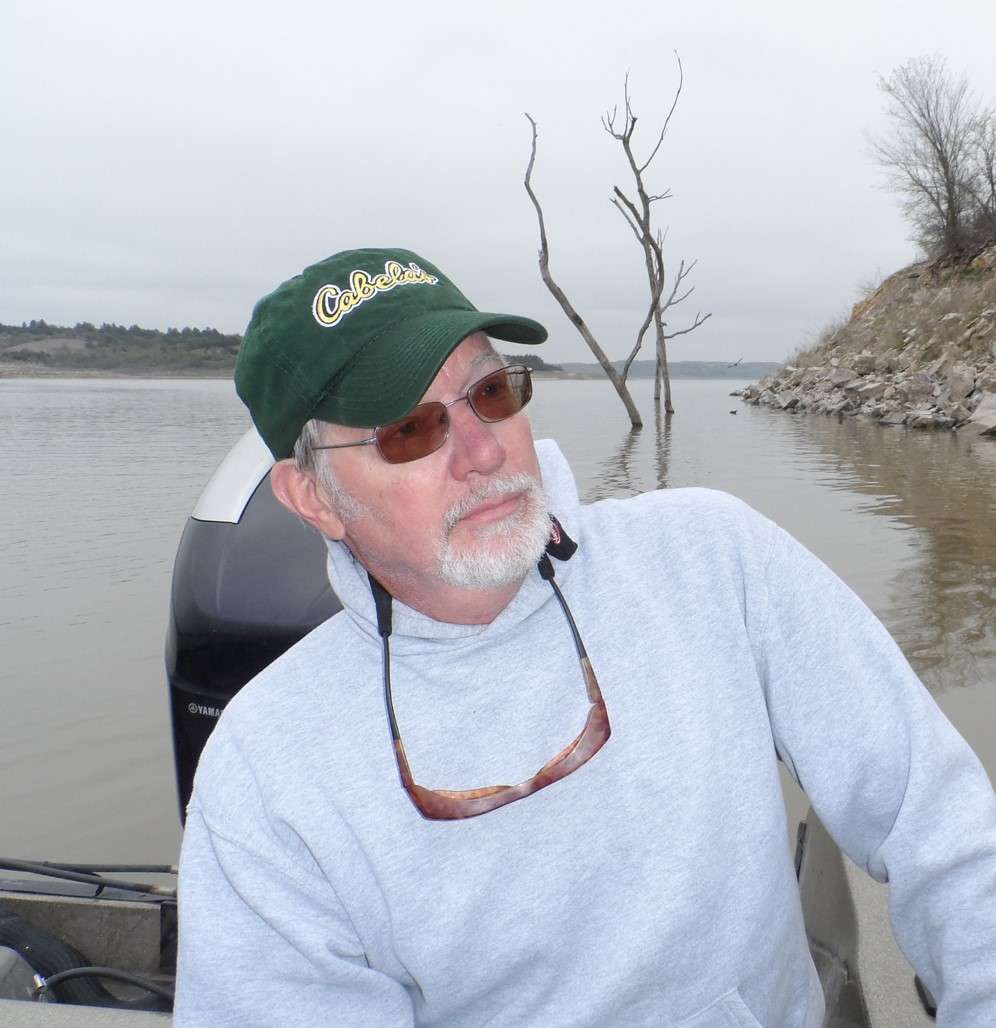
Unlike hunting seasons, fishing never really ends here in Kansas. Yes, different times of the year bring with them differing success rates for different species, but there is good fishing to be had year around here in the sunflower state if you know where to go and how to do it. The Kansas Dept of Wildlife, Parks and Tourism (KDWPT) puts together and maintains fishing reports and fishing forecasts to help you with that. I spoke with the KDWPT Fisheries Biologist in my area and got a crash course in reading and interpreting their fishing reports and forecasts and learned more about how they put them together.

Kansas fishing reports and forecasts are found on the website, www.ksoutdoors.com FISHING REPORTS are simply information gathered by biologists from fisherman, marinas etc. at each lake and reservoir about how best to catch each species of fish in that impoundment. Fishing reports are updated weekly from March through October as information is received. Fish sampling occurs on all Federal Reservoirs and State Lakes, and on some community owned lakes and ponds, and annual FISHING FORECASTS are generated from that data. These forecasts predict fishing success for each species at all Kansas Federal Reservoirs and State lakes and rank each water impoundment for these species.

To access fishing REPORTS, go to the website, click on fishing, then on reports. From the list of regions, choose the region that contains the lake or reservoir you want to check, then click on the appropriate lake. To view fishing FORECASTS, click on forecasts, then from the list of fish species shown, click on the species you want to know about, then you will be given a choice of all lakes, ponds and reservoirs sampled for that species.

Down the left side of the forecast is displayed a list of all lakes or reservoirs sampled for the species you chose. The first category will be “Density Rating” and is the number or fish over 8 inches found in each net or trap. The next two categories are “Preferred Rating “and “Lunker Rating,” and display the number of fish over 10 inches and over 12 inches respectively found when sampling. The next category called “Biggest Fish” is simply the weight of the largest fish caught in the sample. The next category called “Biologists Rating” rates the

impoundment as Excellent, Good, Fair or Poor according to information available to the biologist, and it may not reflect all the other categories if information is known about the fish populations there that weren’t necessarily reflected in the samples captured. The last category is “3 Year Average,” and is the average number of fish over 8 inches captured over the last 3 years of sampling. The lakes are listed by the density rating; the more fish over 8 inches captured in sampling, the higher that lake is ranked.

Fishing reports and forecasts are obviously not infallible, but are both good tools to help fishermen decide where and how they might want to spend their time and efforts. Remember, fishing success also depends on weather, which includes a myriad of different factors. So, grab a kid, a spouse or a friend and take someone fishing this year as you continue to Explore Kansas Outdoors!

Steve can be contacted by email at [email protected].

“Teen Mental Health”

0

The start of summer brings a sense of excitement for many teens. Take a moment to reflect back to your teen years. As we reminisce, we can likely all say that our adolescent years were a unique and informative time of our life. Mental wellbeing habits are often formed during this time as teens strengthen their social and emotional skills, laying a foundation of habits for the rest of their life. Consider what habits you perhaps formed during this time and what supports you had or needed when you were a teen.

There are a variety of important skills that can enhance positive mental wellbeing, and by encouraging teens to practice them, it increases the likelihood of them utilizing them throughout their life. Mental health and physical health are interconnected, so when we encourage physical self-care, we also encourage mental self-care. Healthy nutrition, exercise, and staying active help to maintain positive mental wellbeing. Emotional self-care can also impact mental wellbeing, and it can be practiced through staying active in enjoyable hobbies, music, journaling, play, or spending time outdoors.

Another important factor impacting mental wellbeing that teens face today is the growing use of social media. Having open conversations with teens about their social media use and how it can impact their mental health is crucial to supporting positive mental wellbeing. The Family and Youth Services Bureau guides parents to educate themselves on social media platforms, have an open-minded conversation about the benefits and risks of social media use, establish rules about privacy and boundaries, model healthy social media use to teens, encourage a balance of social media use with other activities, understand critical thinking and media literacy skills, and provide a safe space for teens to come to parents about managing difficult situations like cyberbullying.

One of the most impactful things adults surrounding teens can do to support positive mental wellbeing is allowing themselves to be vulnerable enough to talk openly about mental health with teens. Mental health stigma is a large influence in deterring individuals from seeking help, and in order to combat this stigma, open and truthful conversations can encourage teens to not fear discussing their own mental health challenges. These conversations can open the door to understanding what is going on in a teen’s life, providing opportunity to practice healthy skills to promote positive mental wellbeing.

Understanding brain development can also help adults recognize how to support positive mental health for teens. The pre-frontal cortex in the brain allows us to critically think, make sound decisions, and control our impulses; however, this part of the brain is still developing during adolescence and into early adulthood. This helps us understand why impulses and risk-seeking behaviors are common among teens. Having open conversations with teens allows for discussion of harm reduction strategies to reduce risk-seeking behaviors. Harm reduction seeks to meet teens where they are at in a nonjudgmental way. An example of this might be helping a teen access professional support services to manage mental health concerns and learn healthy coping skills.

As you think of teens in your life and reflect back on yourself as a teen, consider what type of supportive adult would have positively impacted you during that time. You have the ability to provide a sense of connection and hope for a teen. You have the choice to be a caring adult in the life of a teen that guides them to practicing healthy skills to establish positive mental health for years to come.

Curstie is a private independent practice licensed social worker and holds a Master of Public Health degree. She is the Associate Director at the Center for Rural Health Improvement (CRHI) at the University of South Dakota. Curstie owns Mindful Matters, LLC where she provides mental health services and promotes trauma-informed care to her clients. Follow The Prairie Doc® at www.prairiedoc.org, and on social media. Watch On Call with the Prairie Doc, most Thursday’s at 7PM streaming on Facebook and listen to Prairie Doc Radio Sunday’s at 6am and 1pm.