Thursday, January 22, 2026
Home Blog Page 151

Kansas Trade Mission to Mexico Aims to Boost U.S. Beef Cattle Genetics Exports

0
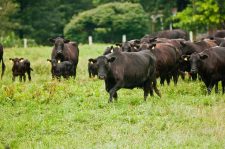
Photo credit: U.S. Department of Agriculture

In early May, a delegation of U.S. livestock genetics and agriculture leaders representing Kansas, Missouri, New Mexico, Idaho, and the Senepol Cattle Breeders Association traveled to Aguascalientes, Mexico, to advance trade partnerships and expand the global reach of U.S. beef cattle genetics. Delegates from Kansas included Dr. Justin Smith, Kansas Department of Agriculture Animal Health Commissioner; Dr. John Nelson, KDA field veterinarian; and Thad Geiger, Geiger Cattle, Troy, Kansas.

Mexico remains the largest agricultural trade partner for the state of Kansas, with trade totaling $1.85 billion in 2024. As global trade relationships evolve, this mission emphasized the importance of continued collaboration, especially in livestock and genetics.

“Expanding U.S. beef cattle genetics exports and understanding Mexico’s evolving feedlot operations are essential to fostering resilient supply chains,” said Suzanne Ryan-Numrich, KDA Director of Ag Marketing. “While we work to promote beef cattle genetic exports, we also aim to better understand the needs and priorities of our Mexican counterparts.”

The delegation took part in trilateral discussions with the Confederación Nacional de Organizaciones Ganaderas and the Canadian Cattle Association, where they addressed shared industry concerns including trade barriers, inspection protocols, and threats such as the New World screwworm, a pest that poses a risk to livestock and has disrupted cross-border trade.

The delegation also conducted site visits to cattle breeding operations and regional feedlots and engaged with industry during the Feria Nacional de San Marcos, one of Mexico’s most prominent agricultural expos.

“The trip gave me a deep appreciation for the resilience of Mexican cattle producers who operate successfully in challenging conditions,” said Geiger. “The trilateral discussions underscored how closely our industries are connected. Our strengths complement each other, and strong partnerships benefit both sides of the border.”

This trade mission is part of KDA’s mission to support Kansas producers and agribusinesses, including facilitating opportunities for producers to market and sell livestock genetics both domestically and internationally. These missions are made possible through KDA’s membership in U.S. Livestock Genetics Export, Inc., with funding provided through the USDA Market Access Program.

For more information, visit KDA’s international market development webpage at agriculture.ks.gov/international or contact Ryan-Numrich at [email protected] or 785-564-6704.

###

Tomato Talk: Stake plants to keep fruit off ground, reduce risk of disease

0
K-State horticulture expert outlines options for giving tomatoes a lift.

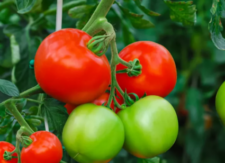
Late May and early June are an important period for one of home gardener’s favorite crops – tomatoes.

Kansas State University horticultural expert Cynthia Domenghini said tomatoes need support to remain upright. If left to grow on the ground, she notes, tomatoes receive less airflow and are at greater risk for disease.

“Support structures keep the fruit off the ground, which helps reduce contamination from contact with soil,” Domenghini said.

Is there a right or wrong way to support tomatoes? “Maybe…” Domenghini said.

For small, container tomatoes, traditional cages purchased at local stores can be effective. The cages often come in fun colors, but tend to be more expensive than building your own. “The support they provide is minimal and often insufficient for most tomato varieties,” Domenghini said.

She suggests home gardeners build their own cages using concrete reinforcing mesh.

“With a roll 150 feet long and five feet tall, you can create multiple tomato cages and trellises to support climbing plants,” she said. “The openings between the wires are large enough to fit your hand through for harvesting and allow even large slicing tomatoes to slide through.”

To make your own tomato cage, cut the wire to the desired length and create a cylinder that will wrap around the plant. As an example, Domenghini notes that cutting wire to a length of six feet will make a cage that is almost two feet in diameter.

Wrap the cut wires around the other end of the panel to make a cylindrical shape. “To keep the cage in place, you will need at least one or two wooden stakes,” she said. “Hammer them into the soil several inches and attach the cage to them using wire or garden tape.”

Another support method is a trellising system known as ‘basketweave’ or ‘stake and weave.’ With plants in a row, place a t-post in the ground between every few plants, and a t-post at the beginning and end of each row.“When plants are about one foot tall, tie a strand of twine to the t-post at one end of the row,” Domenghini said. “Walk the length of the row holding the twine and wrapping it around each t-post as you pass.”

At the end of the row, she adds, wrap the twine around the t-post and return to the start while again wrapping the twine around each post.

“As you come upon plants, they should be carefully placed between the strings for support,” Domenghini said. “When you reach the starting point, cut the twine and secure it to the t-post. As the plants grow, add twine higher up on the posts in the same pattern. Twine should be added every 8-12 inches, or at least before the plants begin to droop.”

Domenghini and her colleagues in K-State’s Department of Horticulture and Natural Resources produce a weekly Horticulture Newsletter with tips for maintaining home landscapes and gardens.

Interested persons can subscribe to the newsletter, as well as send their garden and yard-related questions to [email protected], or contact your local K-State Research and Extension office.

Does it matter when I put mulch around my tomato plants?

Great question! We know mulch is a temperature regulator. Typically, we think of it as a good thing, as it keeps the soil from getting too hot during the summer.

However, that also means that if applied early in the spring, it is going to slow down the soil from warming up when our warm season veggies really need it to. It may also retain too much moisture due to slower evaporation rates.

So, it is best to wait until the soil has warmed up, usually late-May to early-June, before adding mulch around tomato plants.

— Cynthia Domenghini, Kansas State University horticultural expert, [email protected]

Green beans: how to grow it

0

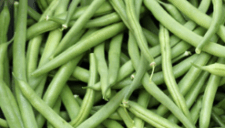
Snap beans, also called “green beans” or “string beans” (although most modern varieties do not have strings) are harvested when the pods contain immature seeds, and the pods are still succulent.

Types: Snap beans can have green, purple or yellow (wax beans) pods, and can include both the rounded and the flat-types (romano).

Growth Habits: Bean growth habits include bush beans, pole beans, and half-runners (shorter than pole beans). Pole beans are twining vines growing up to six feet and sometimes taller that must be supported. Pole beans flower continuously, producing new pods all through the season, while bush beans tend to produce all their pods within one to three weeks.

Fun Fact: Records of growing and eating beans have been found in Egyptian tombs and in the Old Testament.

Planting

Sowing: Plant the seed directly into the garden once the danger of frost is past and the soil is thoroughly warm. Choose a site within the garden that did not have beans growing in it the previous year. Plant about 1-inch deep and 2-to-4 inches apart within the row for bush beans. In drier areas of the state, they may be planted in double-rows with the rows 6 inches apart. Pole beans should be planted 4-to-6 inches apart (or 4-to-6 seed in hills spaced 3 feet apart) and should be provided with a trellis for the plant to grow onto. If you have not grown beans for the past few years, using a Rhizobium inoculant on the seed can increase yield.

Timeline: Plant beans after the chance of frost has passed. Days to harvest range from 50 to 70 days.

Plant Care

Trellising: Pole bean supports should be put in place at planting time. Make a simple trellis of six-foot stakes and twine, or set up a teepee of bamboo poles or long branches. Plant seeds in a row in front of the trellis, or in a circle around a teepee trellis.

Watering: Keep the soil moist but not soggy; allow the soil surface to dry up to a half-inch deep between waterings. On average beans will require about 1 inch of water per week. Be sure that beans are kept moist during and after bloom, to get the best yield and well-shaped pods.

Mulching: Mulching can help keep the soil evenly moist, as well as decrease weeds.

Weeding: Frequent, shallow cultivation will kill weeds before they become a problem. Beans have shallow roots, so do not hoe deeply.

Fertilizing: Beans are a legume, and do not need extra nitrogen fertilizer.

Pests and Diseases

Major Pests

  • Cutworms: Cutworms chew stems at the soil line, leaving the severed tops uneaten.
  • Bean Leaf Beetles: Bean leaf beetles feed on leaves, especially young tender ones. Feeding on seedlings is especially damaging and can kill plants. For more information, view Watch for Bean Leaf Beetles.

Major Diseases

  • Root-Rotting Pathogens: The plants begin to brown and die from the soil up, and eventually collapse.
  • Leaf Spot Diseases: Anthracnose, rust and bacterial lead spot diseases. More common in plantings with poor air circulation or overly dense rows. Not planting beans in the same spot from year to year can help reduce these diseases.

Minor Diseases

  • Powdery Mildew and Downy Mildew: Disease common in hot weather. Leaves and pods can become covered in a whitish mold.
  • Viruses: Viruses spread from one plant to another by insects. They can cause unusual coloring and strangely puckered leaves.

Harvest

Harvest: Snap beans can be picked at any stage of pod formation until the shape of the individual seeds inside becomes apparent, causing the pods to bulge. After this stage, the pods are typically less juicy and more fibrous. However, the pods can be picked at this more advanced stage and shelled to use the soft fresh bean seeds. Pick beans after the dew is off the plants, and they are thoroughly dry. Picking beans from wet plants can spread bean bacterial blight, a disease that seriously damages the plants. Be careful not to break the stems or branches, which are brittle on most bean varieties. After the last harvest, remove all plants from the garden, to decrease future disease problems.

Average Yield: 3 to 4 pounds per 10-foot row.

Storage and Preparation

Storage: Store beans in a relatively cool and humid place, ideally with temperatures around 45°F. They can tolerate a few days in the refrigerator, but then will develop watersoaked spots or browning.

Cooking Tips: Green beans are delicious when lightly blanched (cooked just long enough for them to darken their color). For more details see our Pick it! Try it! Like it! resource for green beans.

Nutrition Facts: High in protein, low in calories, high in fiber, low in fat and high in Vitamin B.

Hay, forage conditions improve with rainfall

0

Hay and forage conditions improved across the state with recent rainfall, setting the stage for promising hay yields and rangeland conditions for livestock grazing, according to Texas A&M AgriLife Extension Service experts.

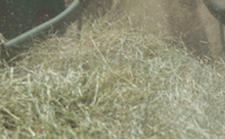
First cuts of hay are in progress in many parts of the state, and producers are optimistic about prospective yields throughout the hay growing season.

“Currently, if anyone has already harvested or is preparing to harvest (hay) its most likely a majority volunteer annual ryegrass,” said Vanessa Corriher-Olson, Ph.D., AgriLife Extension state forage specialist and professor in the Department of Soil and Crop Sciences, Overton.

“I anticipate most first harvest will occur in the next two to three weeks. Most of Central Texas and East Texas has had good moisture recently, so that’s setting us up for a good first harvest.”

Corriher-Olson said producers’ 2025 hay season harvest outcomes will be “heavily dependent” on fertilizer applications and rainfall. Models suggest favorable rainfall in the upcoming months.

“According to the U.S. Drought Monitor, East Texas should have good growing conditions through the end of July,” she said. “Fingers are crossed.”

East Texas benefits from rain

Rain showers across East Texas have helped the emergence of Bermuda grass.

“We’ve had a lot of producers baling ryegrass and planting coastal Bermuda grass, which is a good thing,” said Truman Lamb, AgriLife Extension agent for agriculture and natural resources, Anderson County. “There have been a lot of folks doing soil tests, which we have been stressing for years. As the cost of fertilizer goes up, producers can’t afford to be over-applying or under-applying fertilizer.”

Hay prices for fertilized round bales in East Texas have been steady in the $60-$70 per bale range, while non-fertilized round bales are around $45 per bale.

“If the rain keeps coming, we will be OK,” Lamb said. “We are carrying over a lot of hay from last year. I’ve even seen hay still standing in the field and hasn’t been moved.”

Cattle producers will be watching hay yields to gauge how many bales to have on hand to fulfill herd feeding needs this winter. Lamb said producers are holding back enough heifers for replacement in their herds but continue selling cows and calves to take advantage of record-high cattle prices.

Brazos Valley optimism

Further south, producers shared a similar outlook despite drying conditions.

“Speaking with producers, they are positive about their first cutting due to the lack of a ‘late freeze’ that we can commonly see in late March, even early April,” said Chadd Caperton, AgriLife Extension agent for Brazos County. “The dryer weather is not good for growth but has allowed earlier access to baling the ryegrass to give summer forages an early start.”

Summer forages have benefited from favorable temperatures, Caperton said, but pastures and rangeland do need rain. Areas received some rainfall but it was not enough for continued forage production and below normal levels for this time of the year.

Caperton said most producers consider the first cutting a good start to their forage production season, but “they are also hesitant and less optimistic about early to mid-summer growth based on the current weather patterns.”

Texas is experiencing a neutral El Niño-Southern Oscillation, which typically means rainfall and temperatures are near their long-term averages.

Corriher-Olson said warm-season perennial grasses have broken dormancy and are actively growing.

“Some pastures likely still have some cool-season annuals that are being grazed,” she said. “It will be important as we move into summer that producers manage their stocking rates to reduce overgrazing prior to or during potential drought conditions.”


Flesh-eating screwworm could devastate livestock. What Kansas leaders are doing

0
  • The New World Screwworm, a flesh-eating parasite, is spreading northward through Mexico, posing a threat to U.S. livestock.
  • The USDA has suspended live cattle, horse, and bison imports from Mexico to prevent the screwworm’s entry.
  • Kansas lawmakers are supporting legislation to increase funding for a sterile fly program in Mexico to combat the screwworm.
  • A screwworm outbreak in the U.S. could devastate the livestock industry, particularly in Kansas, a leading beef producer.

    The return of a flesh-eating parasite to Mexico poses a threat to livestock production in the United States, and the Kansas congressional delegation is speaking up and taking action.

    The New World Screwworm is rapidly spreading northward through Mexico despite interdiction efforts, according to the U.S. Department of Agriculture. If it reaches the U.S., the results could be devastating for ranchers and the broader economy.

    “Due to the threat of New World Screwworm I am announcing the suspension of live cattle, horse, & bison imports through U.S. southern border ports of entry effective immediately,” U.S. agriculture secretary Brooke Rollins said in a May 11 post on X. “The last time this devastating pest invaded America, it took 30 years for our cattle industry to recover. This cannot happen again.”

    U.S. Rep. Tracey Mann, R-Kansas, said he was glad to see the response by President Donald Trump’s administration.

    “We’ve got to make sure and take every step we can to make sure that it never reaches the United States,” Mann told The Capital Journal on May 15. “Kansas would be dramatically impacted if it ever does, and so I appreciate President Trump and secretary Rollins being proactive in sealing the border to incoming beef while they are working with the Mexican government and others are working to make sure that the outbreak and the scope and size of the outbreak is reduced.”

    What is the New World Screwworm?

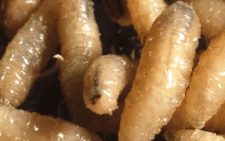
    The New World Screwworm is actually a fly but gets its name from its maggot larvae. The female fly lays eggs on a wound or opening, which hatch into maggots that burrow into living flesh of livestock.

    “The name screwworm refers to the maggots’ feeding behavior as they burrow (screw) into the wound, feeding as they go like a screw being driven into wood,” according to the USDA’s Animal and Plant Health Inspection Service. “Maggots cause extensive damage by tearing at the hosts’ tissue with sharp mouth hooks. The wound can become larger and deepen as more maggots hatch and feed on living tissue. As a result, NWS can cause serious, often deadly damage to the animal.”

    Sterile insect technique eradicated screwworm in US

    Known as NWS, the pest was eradicated from the United States in 1966, according to APHIS. USDA scientists in the 1930s and 1940s worked to develop the sterile insect technique, which started being implemented in the 1950s.

    Scientists used radiation to sterilize male flies, which were mass produced and released into the wild. When the sterilized male flies mate with a wild female, the result is unfertilized eggs. Over time, the population declines until it is ultimately eradicated.

    The insects aren’t modified through genetic engineering.

    While the screwworm eradication programs established a barrier at the U.S.-Mexico border, there were recurrent outbreaks in the U.S. The two countries then worked together to eradicate the screwworm in Mexico, pushing the barrier to that country’s southern border by 1986.

    For decades, the U.S. has worked in Central America, particularly in Panama, to maintain a biological barrier containing the pest to South America. But NWS detections in Panama started rising in 2023 and the pest has since been re-introduced farther north.

    What Kansas congressmen and USDA are doing about screwworm in Mexico

    The USDA said effective eradication requires a three-pronged approach of active field surveillance, limiting animal movement and dispersal of sterile insects.

    Mann said the U.S. needs to be proactive about the screwworm threat.

    “One of the ways they fight against New World Screwworm is by introducing sterile flies into some of these infected areas by the tens of millions,” he said. “That process is underway in southern Mexico and other parts of Mexico. Our government is supporting that, as we should, but let’s make sure that never enters our country.”

    Mann said legislation has been introduced in Congress to increase funding specifically for a sterile fly program targeting the screwworm in Mexico.

    “We are doing many, many good things,” he said. “We want to make sure that we have the funds available to continue to do those things if and as they’re needed in the future.”

    One bill in the U.S. House is co-sponsored by U.S. Rep. Derek Schmidt, R-Kansas, and U.S. Rep. Sharice Davids, D-Kansas. That bill has a companion version in the U.S. Senate. In posts on X, U.S. Sens. Jerry Moran and Roger Marshall have indicated they are monitoring the situation.

    The legislative effort, which is being led by Texas congressmen, would provide $300 million to build a new sterile fly production facility in the U.S.

    Kansas is a top producer of livestock

    Mann said the Big First district is “the No. 1 beef producing district in the country.”

    USDA statistics from the 2022 census of agriculture show Kansas’ 1st Congressional District is the country’s top producer of cattle and calves, with about $11 billion in sales. That contributed to the Big First being the top producer in the entire livestock and poultry category, with a market value of nearly $13 billion.

    Statewide statistics put the cattle and calf industry in Kansas at nearly $14 billion in sales in 2022, which was second in the country behind Texas. The state’s nearly $16 billion total for livestock and poultry was fourth in the U.S.

    “We got to make sure that the New World Screwworm — and other diseases — don’t enter our country,” Mann said. “Because it would devastate our herds, devastate our feed yards. Very large negative impact to our state if we ever saw a large outbreak.”

    A screwworm outbreak could be devastating

    The USDA estimated as of 1996 that eradication of the screwworm provided an annual economic benefit of $796 million to producers and $2.8 billion to the broader economy.

    The USDA in January performed an economic analysis of a 1976 screwworm outbreak in Texas. About 1.5 million cattle were infested in that outbreak, in addition to other livestock.

    The USDA said “an NWS outbreak roughly the scale of the 1976 outbreak could cost Texas producers $732 million per year and the Texas economy a loss of $1.8 billion.”

    While a new outbreak in the U.S. could be devastating, the federal government was able to quickly respond to an outbreak nearly a decade ago. That re-emergence in the Florida Keys in October 2016 was controlled using a release of sterile flies, which had the screwworm successfully eradicated by March 2017.

    That was the first local infestation in the U.S. in more than 30 years.

    As reported in the Topeka Capital Journal