Tuesday, February 3, 2026
Home Blog Page 333

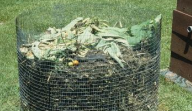
Composting: What to Add

0

The most efficient compost has the right combination of carbon (browns) and nitrogen
(greens) ingredients. Examples of browns include dried items such as leaves, twigs, straw,
wood chips and sawdust. It is best to chop up the dried materials to expedite decomposition.

Examples of greens are coffee grounds, egg shells, fruit/vegetable scraps and fresh plant
parts. Manure from farm-type animals (cows, sheep, etc.) is another green waste that can be added. Pet waste should not be used in compost.

Layer the compost pile alternating between six to eight inches of brown waste and two
to three inches of green waste until the pile reaches three to five feet tall. You can wet
down each layer of “browns” as you build the pile. This combination of materials creates
an ideal environment for microorganisms that promote decomposing.

Should I Compost My Tomato Plants?

There are some common problems that occur with tomatoes which can easily spread to next year’s garden if the compost heap does not reach adequate temperatures for a long enough period of time to kill the spores. A compost pile that is not properly balanced with
the amount of greens and browns and/or one that is not maintained to promote air circulation will not decompose as quickly. If compost is used before it is fully decomposed, diseases can easily spread to the plants it is supposed to be supporting.

If you suspect, or know, your current plants are harboring a disease, it is safest to destroy them when they have finished producing, rather than composting them.
Fall Armyworms

0

Though often found in agricultural crops, fall armyworms can be present in certain
turfgrass species and we’ve had a few reports of them recently.

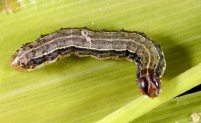
Description: Young larvae are ½ to ¾ inches long. Mature larvae can reach 1½ inches
long. Fall armyworms can be identified by the inverted “Y” on top of the dark head. Adult
moths are ½ inch long. The two front wings are brown-grey. Males have more dark
markings than females.

Life Cycle: As a tropical insect, fall armyworms are not able to overwinter in Kansas limiting them to 2-4 generations each year. Moths migrate to their seasonal home and lay hundreds of eggs in clusters. Larvae hatch and begin feeding. Once established, new generations can occur every 23-25 days.

Damage: Larvae feed on grass blades. Heavy infestations will occasionally chew the blades to the crown. Though the damage may be unsightly it does not typically kill the grass. Regrowth of the turfgrass can be expedited with rain and/or irrigation. To read more about fall armyworm and control options access our publication from the Horticulture Resource Center: Fall Armyworm. Learn more from K-State Entomology: Fall Armyworm.

Mulch Rings Around Trees

0

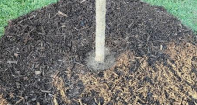
A mulch ring is a circular border surrounding the base of a tree. Recommendations for proper tree planting include a mulch ring that covers the soil beneath the tree canopy.

One benefit of using a mulch ring around trees in a lawn area is to prevent maintenance equipment from coming too close and damaging the trunk. Plants grown directly
beneath the tree canopy compete for water and nutrients. A mulch ring keeps the soil covered without creating competition.

Use organic mulch, if possible, for the same reasons it is selected for planter beds in
general. The mulch ring around trees in a lawn should be at least three to six feet in
diameter depending on the overall size of the tree. Ideally the mulch ring should extend
to the drip line of the tree. This means the ground beneath the entire canopy of the tree
should be covered protecting the majority of the plant roots.

Create a flat, donut-shaped ring of mulch around the tree leaving a 4–6-inch diameter circle of bare soil at the center so mulch isn’t right up next to the trunk to prevent rotting. The mulch should be 2-4 inches deep and reapplied annually. If applied too deep (more than four-inches) the mulch can actually restrict oxygen from the soil and negatively affect root development.

Hunter Education Courses Are Available!

0

Fall hunting opportunities are right around the corner! Kansas hunter education equips new hunters with the information needed to hunt safely and ethically within the state. Anyone born on or after July 1, 1957 must be certified in an approved hunter education course before they can hunt in Kansas.  Ensure you and your hunting partners are certified in hunter education, and set your sights on a safe and successful season.

Classes are limited and fill up quickly. Register now!

Kansas hunter education is available in three different course formats:

Traditional Course

Internet-Assisted (Hybrid) Course

NRA Complete Online Course (available to those age 16+)

Learn more about Kansas hunter education requirements and exemptions at https://ksoutdoors.com/Services/Education/Hunter/General-Information