Thursday, February 5, 2026
Home Blog Page 359

Public Health Advisories for Kansas Lakes Due to Blue-Green Algae

0

The Kansas Department of Health and Environment (KDHE) and the Kansas Department of Wildlife and Parks (KDWP) have issued a public health advisory due to blue-green algae.

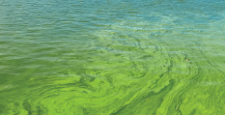
A harmful algal bloom (HAB) may look like foam, scum or paint floating on the water and be colored blue, bright green, brown or red. Blooms can develop rapidly; if the water appears suspicious or there is decaying algae on the shore, avoid contact and keep pets away. These toxins can be absorbed by ingestion, inhalation of aerosols and even skin contact. Symptoms vary depending upon the type of exposure (e.g. direct contact, ingestion, inhalation) but can include rash, vomiting, diarrhea, fever, sore throat, and headache. If you, or your pets, come into contact with algae rinse the area with clean, fresh water. Suspected HAB-related health incidents, whether human or animal, regardless of season, should be reported at kdhe.ks.gov/1163.

Active Advisories

Warning

  • Gathering Pond, Geary County
  • Harvey County East Lake, Harvey County
  • King Lake, Lyon County

Watch

  • Atchison City Lake #9, Atchison County (Added July 12)
  • Cedar Bluff, Trego County (Added July 12)
  • Eagle Lake (Bel Aire), Sedgwick County
  • Lake Afton, Sedgwick County (Added July 12)
  • Marion Lake (Reservoir), Marion County
  • Melvern Outlet River Pond, Osage County (Added July 12)
  • Rooks Co. SFL, Rooks County

Lifted

  • Lovewell Lake, Jewell County
  • Webster Lake, Rooks County
  • Woodland Park Pond (Mount Hope), Sedgwick County

Hazard status indicates that a harmful algal bloom is present, and extreme conditions exist.

When a hazard is issued, KDHE recommends the following precautions be taken:

  • Signage should be posted at all public access locations.
  • It is recommended that either a portion of the lake or the entire lake or zone, be closed to the public.
  • In some cases, the adjacent land should be closed as well. Actual setback distances will be determined on a site-specific basis, if necessary.
  • When partial closures (i.e., beach or cove) are issued, the remaining lake or zone area will carry a warning status.

Warning status indicates that conditions are unsafe for human and pet exposure.  Contact with the waterbody should be avoided.

When a warning is issued, KDHE recommends the following precautions be taken:

  • Signage should be posted at all public access locations.
  • Inhalation of spray or aerosols may be harmful.
  • Lake water is not safe to drink for pets or livestock.
  • Lake water, regardless of blue-green algae status, should never be consumed by humans.
  • Water contact should be avoided.
  • Fish may be eaten if they are rinsed with clean water and only the fillet portion is consumed, while all other parts are discarded.
  • Do not allow pets to eat dried algae.
  • If lake water contacts skin, wash with clean water as soon as possible.
  • Avoid areas of visible algae accumulation.

Watch status means that blue-green algae have been detected and a harmful algal bloom is present or likely to develop. People are encouraged to avoid areas of algae accumulation and keep pets and livestock away from the water.

When a watch is issued, KDHE recommends the following precautions be taken:

  • Signage should be posted at all public access locations.
  • Water may be unsafe for humans/animals.
  • Avoid areas of algae accumulation and do not let people/pets eat dried algae or drink contaminated water.
  • Swimming, wading, skiing and jet skiing are discouraged near visible blooms.
  • Boating and fishing are safe. However, inhalation of the spray may affect some individuals. Avoid direct contact with water, and wash with clean water after any contact.
  • Clean fish thoroughly with potable water and eat fillet portion only.

Advisories are Lifted when cell densities and toxin concentrations dissipate to levels below the Watch thresholds.

KDHE investigates publicly accessible bodies of water for blue-green algae when the agency receives reports of potential algae blooms in Kansas lakes. Based on credible field observation and sampling results, KDHE reports on potentially harmful conditions.

If you observe a scum or paint-like surface on the water, small floating blue-green clumps or filaments in the water, or if the water is an opaque green, avoid contact and keep pets away. These are indications that a harmful bloom may be present. Pet owners should be aware that animals that swim in or drink water affected by a harmful algal bloom or eat dried algae along the shore may become seriously ill or die.

For information on blue-green algae and reporting potential harmful algal blooms, please visit kdhe.ks.gov/HAB and check out our interactive story and informative video.

Kansas authorities warn public about tolling scams after turnpike goes cashless

0

KANSAS CITY, Kan. (KCTV) – Now that physical tollbooths are a thing of the past for Kansas, drivers may be more susceptible to scams claiming they have unpaid digital tolls.

According to the Douglas County Sheriff’s Office, the FBI’s Internet Crime Complaint Center has warned multiple states about increased text scams attempting to mimic toll collection services.

In these texts, scammers will claim to be toll collectors and inform unsuspecting commuters that they owe money for recent travels. The links they provide can install malware, share sensitive information or send money to the scammers.

With the Kansas Turnpike Authority (KTA) converting to cashless tolling on July 1, 2024, anyone traveling through Kansas might be at risk of falling for one of these scams.

""

Raising Happy and Healthy Chicks: Essential Tips and Products

0

Getting started raising poultry is both exciting and rewarding in many ways. If you’re a hobby farmer or a beginner, an important key to health and growth is making sure they’re being raised in the ideal conditions. This article will dive into the essentials of poultry brooders and heating plates as well as the importance of proper nutrition, including vitamins and minerals, and how they play a part in you raising healthy baby chicks.

Creating a Safe and Warm Environment: Chick Brooders or Heating Plates

A brooder is an enclosed space that can be heated to provide a ‘safe space’ for chicks, who can stay warm in it until they grow feathers and no longer need such a carefully controlled artificial environment. In the first weeks of their lives, chicks are highly vulnerable and sensitive to things that can interfere with their normal functions: a well designed brooder is made to keep them snug, dry and protected from drafts.

When you set up the brooder, consider using high-quality materials so that it’s durable, actually holds temperature and has easy access to maintain and clean. Those are key to preventing disease. The same thing is true of ventilation.

For those looking for reliable options, Hatching Time chick brooders cater to the needs of both small-scale and large-scale poultry keepers. These stackable brooders are designed to provide a controlled environment for your chicks. Notably, Hatching Time brooders come equipped with built-in space heaters on each level, ensuring that the chicks receive consistent warmth throughout the brooding period.

Heating plates are a newer option for a brooder setup. Heating plates are used inside a tub, bin, or enclosure to create a warm space that mimics the natural warmth provided by a mother hen, promoting better sleep and natural behaviors in chicks. Adjustable heating plates for chicks also offer great advantages such as:

  1. Safety: Heating plates significantly reduce the risk of fire hazards compared to heat lamps. They provide a safe and consistent heat source that chicks can snuggle under.
  1. Energy Efficiency: Powered by an electric heating system, the plates are energy-efficient reducing the electricity, yet not reducing the warmth that’s created for the chicks, meaning that the system remains efficient.Available as different sizes to suit varying brooder sizes.
  1. Adjustable Height: Heating plates are designed to be adjustable, depending on the different growth stages of the growing chicks, so that at all stages the chicks are maintained at a comfortable distance from the heat.

Check out these heating plates from Hatching Time that are safe, energy efficient and will provide consistent heat for your chicks within your chosen brooder set up.

Essential Nutrition: Food, Vitamins, and Minerals

Proper nutrition is necessary for a healthy chick, and helps support healthy growth. This growth is essential because growing baby chicks are especially prone to disease, so strong nutrition helps to develop a fully functional immune system, giving the young birds the best possible start. There are several aspects of chick nutrition worth highlighting.

  1. Starter Feed: Use a high-quality starter feed made for chicks with a good balance of protein, fats and carbohydrates. Starter feed needs to have at least 18-20% protein content to promote fast growth. High-quality starter feeds also contain natural amino acids which promote healthy growth in muscle development.
  1. Fresh, Clean Water: Chicks should have free access to fresh, clean water at all times Ensure the chicks receive plenty of water, by keeping the correct watering system, this ensures they receive their required amount of water for optimal health.
  1. Grit: When chicks begin eating more solid foods, providing grit helps them break down the food in their gizzard. Providing grit is especially important when introducing your chicks to grains and other new solid foods.

While dietary balance is crucial, some vitamins and minerals are especially important in chick development and long-term health. Here are a few of them:

  1. Vitamin A: Vitamin A is great for developing healthy skin and mucous membranes. It also supports eye health and a deficiency can lead to poor eyesight, being vulnerable to infections and poor skin health.
  1. Vitamin D: Normal bone growth and optimal calcium absorption is boosted with a Vitamin D supplement. Vitamin D deficiencies can also result in rickets in chicks. Exposing the chick to more sunlight will increase Vitamin D production in the chick, but supplementary Vitamin D is usually given too.
  1. Vitamin E: As an antioxidant, vitamin E protects against cellular damage. It also stimulates the growth of the chick’s immune system and aids in muscle growth and development. Deficiency leads to depressed muscle development and weakened or suppressed immune reaction.
  1. Calcium and Phosphorus: The developing bones of the chicks need calcium, and while they do have traces of it from their eggs, they need more. Add a small amount of phosphorus to their meals to support this mineral. Start early so that they can grow strong bones that will support egg formation later in life.
  1. Iron: Iron is used by red blood cells to pass oxygen throughout the body. If there’s not enough iron, chicks can become anemic. This will slow their growth and development. Making sure there’s enough iron in a chick’s diet will give the bird a healthy circulatory system so that oxygen is transported properly to the body.

Simply feeding a diet rich in such vitamins and minerals will help you produce very healthy chickens who thrive and reach their full potential.

Best Practices for Raising Chicks

Here are a few more best practices to follow to ensure your chicks will grow into happy backyard birds:

Monitor Health: Always check your chickens often for illness or distress. Behavioral signs can include lethargy, tossed or messy feathers, or unusual poop. Again, looking for things early can be key to preventing disease, and help you keep a healthy, happy flock.

Keep it Clean: Maintain the cleanliness of your brooder and keep it dry. Always remove the wet bedding and waste daily as retention of moisture inside the brooder promotes the growth of fungi and bacteria which might cause respiratory infections in the chicks and other health problems.

Slow Temperature Adjustment: When they get more feathers, adjust your thermometer settings closer to ambient temperatures. Try 5°F (2.8°C) per week as a good rule of thumb.

Socialization: Allow chicks to interact with one another to develop good social behaviors. Socialization is important to reduce stress and for healthy development.

If you want to raise the healthiest and happiest chicks ever, you must start with giving them the correct environment and nutrition. Buy a good quality chicken brooder with a heat lamp or heating plates (safe heating plates in a chicken brooder setup). Above all, give them nutritious food and vitamins and mineral supplements to actively make them as healthy as they can be.

Happy chick raising!

Harvesting Melons

0

To get the highest sugar content possible, allow melons to ripen completely on the vine. Color is a common indicator of ripeness for cantaloupes, watermelons and honeydews. Other signs vary among the varieties.

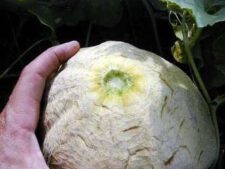
Cantaloupes will easily separate from the vine when it’s time to harvest. If you have to twist to get the melon to detach from the vine it is not fully ripe. The skin should begin to yellow in contrast to the solid green of immature fruit. There should be a musky fragrance and the end of the fruit opposite where the vine attaches should be soft.

Watermelons change from green-white to yellow and the glossy coat turns dull when
they are ripe. The tendril where the fruit attaches to the vine will turn black. Cut the fruit
from the vine leaving about two inches of the tendril attached to the fruit.

Honeydews do not easily separate from the vine when ripe. When the fruit changes
from pale green to light yellow and the end of the fruit opposite the vine attachment is
soft it is time to harvest. There will also be a sweet aroma from a ripe honeydew.

After harvest, cantaloupe can be stored in the refrigerator for two weeks. Watermelons
can be stored at room temperature for one week or in 50-60 degrees F for two to three
weeks. Honeydews can be stored for two weeks at 50 degrees F.

When to Pick Tomatoes

0

Tomatoes are the most popular vegetable grown in Kansas. And that’s because they can be used in so many different ways — sliced fresh, in salads, made into salsa, spaghetti sauce, and much more! But, what’s the best time to pick them?

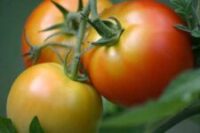
Everyone wants to know “when should I pick my tomatoes?” And, although we all like to see them in this beautiful dark, red color, we really don’t need to wait that long. And sometimes we can actually get into trouble while waiting too long to pick our tomatoes. Once the tomatoes starts to show a little blush of color we can go ahead and pick that tomato, take it into the house, and ripen it on the counter or tabletop and it will go ahead and continue this beautiful red color.

If we wait too long, we might actually run into some problems that we can avoid. Like cracking, which is a very common problem. It’s caused when there’s so much water going into the tomato that the skin actually splits. We can try to remedy that with using mulch to try to keep the soil moisture even, and by providing regular,even watering. We can even see cracking sometimes after a really heavy rain.

Another problem is blossom end rot, and you can see it here. It looks like a dark, sunken leathery patch, and this too can be caused by problems with watering.

Sometimes when we leave tomatoes on the vine during extremely hot weather, they may turn kind of a gaudy orange color instead of the pretty red color that we like. This is because at temperatures over ninety five degrees, that red pigment doesn’t develop. And that’s another good reason to let your tomatoes ripen in the house where it’s a cooler temperature, so we get a nice red color.

You do want to let them fully develop that beautiful red color before you refrigerate them. Once you put the tomatoes into the refrigerator, that stops the ripening process. If you have a lot of tomatoes, you can go ahead and either can or freeze them, to use in the winter months. There’s so many things that you can do with frozen and canned tomatoes.

If you have questions on tips about growing or preserving tomatoes, you can also contact your local extension office.

This feature story prepared with Evelyn Neier, Kansas State University Research and Extension Youth Specialist. Produced by the Department of Communications at Kansas State University. For more information, visit our website at: http://www.kansasgreenyards.org