Friday, January 30, 2026
Home Blog Page 244

Red Cross urges safety during winter conditions

0

Temperatures below freezing and snow are among hazards throughout the region

A major winter storm is impacting millions of people in the central and eastern regions of the U.S. and the American Red Cross is urging those impacted to follow the safety steps below.

Snow has already fallen in much of Kansas, and significant snowfall is in the forecast for Oklahoma in the coming days. Temperatures below freezing have settled in. The storm has left hundreds of thousands of people without power or heat, caused dangerous road conditions, closed schools and forced the cancellation of thousands of flights.

PLEASE GIVE BLOOD The dangerous wintry conditions moving across the country this week have already caused the cancellation of about 100 blood drives and this number is expected to grow as the storm continues. As a result, more than 2,000 blood donations have gone uncollected so far in the new year. Where it is safe to do so, we encourage people to schedule a blood donation appointment by using the Red Cross Blood Donor App, visiting RedCrossBlood.org or calling 1-800-RED CROSS (1-800-733-2767).

WINTER SAFETY Stay warm indoors. If your home becomes too cold, go to a public library, shopping mall or warming center.

  • Use care with space heaters and fireplaces to prevent fires. Keep anything that could catch fire at least 3 feet from the heat. Turn portable heaters off when you leave the room or go to sleep.
  • Use battery-powered lights and flashlights instead of candles to prevent fires.
  • To prevent carbon monoxide poisoning, don’t use an oven to heat your home.
  • Carbon monoxide kills. If you start to feel sick, dizzy, or weak, get to fresh air right away.
  • If you must go outside, wear layers of loose clothing, a coat, hat, mittens and water-resistant boots. Use a scarf to cover your face and mouth.
  • Check on loved ones and neighbors to make sure they are staying warm, particularly if they are older or live alone.
  • Be careful walking on snow or ice and avoid overexertion when shoveling snow. If possible, work with a partner and take frequent breaks.
  • Stay off the roads when possible. If you become stranded, stay in the vehicle and wait for help.

Stay warm to avoid frostbite and hypothermia. Your nose, ears, cheeks, chin, fingers and toes are often the first areas affected.

  • Signs of frostbite include pain, numbness or a change in skin color.
  • Signs of hypothermia, which can be deadly, often include shivering, confusion, drowsiness and slurred speech.
  • Act fast and get out of the cold immediately if you see signs of hypothermia or frostbite.
  • Get emergency medical care right away.

POWER OUTAGES If you’re using a generator to power your home, please keep it outside and away from doors, windows and vents to prevent carbon monoxide poisoning.

  • Keep the generator dry and don’t use it in wet conditions.
    • Never use a generator, grill, camp stove or other gasoline, propane, natural gas or charcoal-burning device inside a home, garage, basement or other partially enclosed area: Keep this equipment outside and away from doors, windows and vents, which could allow carbon monoxide to come indoors.
    • Operate the generator on a dry surface and don’t touch a generator with wet hands.
    • Turn the generator off and let it cool down before refueling. Gasoline spilled on hot engine parts could catch fire.
    • Plug appliances directly into the generator. Never plug a generator into a wall outlet.
    • Carbon monoxide kills. If you start to feel sick, dizzy or weak, get to fresh air right away.

During a power outage, unplug appliances and electronics to avoid damage from power surges. Leave one light on, so you’ll know when power is restored.

  • Use flashlights or battery-operated lanterns — not candles to avoid fires.
  • Don’t drive unless necessary. Traffic lights will be out, and roads could be congested.

To prevent illness, keep food cold. When in doubt, throw it out.

  • Eat fresh, perishable foods first.
  • Keep refrigerator and freezer doors closed as much as possible to help keep food cold.
  • Use coolers with ice if necessary.
  • Measure the food temperature in your refrigerator and freezer with a thermometer. Throw out perishable food that has been warmer than 40 degrees Fahrenheit.

HOME FIRE SAFETY Red Cross Disaster Action Teams have responded to numerous single and multi-family home fires in recent days. Learn what to do should a fire start in your home.

Download the free Red Cross Emergency app for real-time alerts, open Red Cross shelter locations and expert advice on wildfires in both English and SpanishSearch “American Red Cross” in app stores or go to redcross.org/apps.

About the American Red Cross: The American Red Cross shelters, feeds and provides comfort to victims of disasters; supplies about 40% of the nation’s blood; teaches skills that save lives; distributes international humanitarian aid; and supports veterans, military members and their families. The Red Cross is a nonprofit organization that depends on volunteers and the generosity of the American public to deliver its mission. For more information, please visit redcross.org or CruzRojaAmericana.org, or follow us on social media. 
Heed safety precautions when using heaters

0

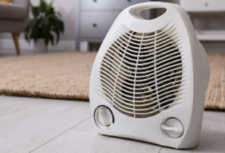
Space heaters and fireplaces can help keep temperatures comfortable during cold weather. However, all types of heating equipment can be fire hazards if safety precautions are not taken.

According to the National Fire Protection Association, home heating fires happen most often in December, January and February, accounting for almost half of all home heating fires. Heating equipment is the second leading cause of home fires and home fire injuries, and it is the third leading cause of home fire deaths.

“Space heaters and other types of portable heaters are a great way to heat a single room, or supplement a building’s main heating system, or even make outdoor activities more comfortable
when temperatures are colder than normal,” said Leslie Woolington, Mississippi State University Extension Service risk management and loss control manager. “But you need to make sure you use them safely.”

Woolington suggested safety precautions for using an electric, propane or fuel-fired space heater, either indoors or outdoors:

  • Keep heaters at least 3 feet away from anything that can burn, including upholstered furniture, bedding, curtains, clothing, insulation, cardboard and papers.
  • Never leave heaters on when unattended. Turn heaters off, unplug electric heaters, and turn off portable propane cylinders when leaving the area.

People should take the same precautions with fireplaces. The National Fire Protection Association recommends taking these additional precautions when using any type of heating equipment:

  • Ensure children and pets stay 3 feet away from heating equipment.
  • Have chimneys and heating equipment cleaned and inspected by a professional once a year.
  • Have stationary heaters, water heaters and central heating equipment installed by qualified professionals.
  • Always use the fuel specified by the manufacturer for fuel-fired heaters.
  • Use a sturdy fireplace screen to keep sparks from flying into the room. Allow ashes to cool before putting them in a metal container. Keep the container a safe distance from the house.
  • Test smoke alarms at least once a month.

Mississippi’s Chief Deputy Fire Marshal Connie Dolan said space heaters should only be used as a supplemental source of heat.

“Space heaters are intended only to give your home a little more heat when needed,” Dolan said. “They can easily overload circuits, causing a power failure or fire.”

Dolan pointed out that electric space heaters require a lot of power to run and draw high currents, which is why they should always be plugged directly into a wall outlet.

“Small-gauge, low-quality extension cords cannot handle the high currents that space heaters use,” she said. “Many space heaters draw around 1,500 watts or more and should never be used with an extension cord. The high currents of electricity going through an extension cord can cause the extension cord’s insulation to melt, which could lead to a fire.”

When purchasing an electric space heater, Dolan said consumers should look for units with these features:

  • A tip-over safety switch. This switch automatically turns the heater off if it is tipped over.
  • An Underwriter’s Laboratory, or UL, mark. This mark is the most common independent safety certification in the U.S. and indicates the device has been tested and approved.
  • A thermostat. Thermostats let the user set a temperature and allow the heater to turn off when the desired temperature is reached.
  • A long power cord. Make sure the cord is long enough to allow the heater to be a safe distance away from anything combustible.
  • A sturdy handle. This allows the heater to be safely moved.

When using a fuel-fired space heater, Dolan offers these safety tips:

  • Use fuel intended for indoor use. Never use gasoline. Safe types of fuel are propane, kerosene and natural gas. Always follow the manufacturer’s instructions when filling a heater with fuel.
  • Never use an unvented, fuel-fired space heater indoors. These heaters can cause carbon monoxide poisoning, which can lead to death. They can also emit nitrogen oxide, which can cause respiratory problems.
  • Use sealed combustion units. These are much safer to operate than other types of fuel-fired space heaters.
  • Hire a professional to install vented gas heaters near an outside wall. Have these heaters professionally inspected once a year.
  • Install a carbon monoxide detector if using any type of fuel-fired space heater.

For more information about heating safety and other fire safety measures, visit the National Fire Protection Association website at https://bit.ly/2IrQjrk.

Starting Onions Indoors

0
If grown from seed, onions need to be started indoors 10 to 12 weeks prior to the transplant date. Onions are typically planted in mid- to late-March to avoid the summer heat. Place seeds ½ to 1-inch apart in a tray filled with seed-starting media. Keep the tray in a warm location (75-80 degrees F) until seeds germinate. When the seedlings are one to two-inches tall, move the tray to a cooler location (60-65 degrees F). Provide adequate light and use a water-soluble, general-purpose fertilizer no more than once per week when seedlings reach two to three inches in height.
Starting Garden Transplants from Seed
It’s not too early to begin gathering seeds for the spring garden. Select seeds from reputable sources to ensure high quality, healthy seeds.
Starting transplants for the vegetable garden typically requires four to eight weeks from seeding to transplant date. Visit the Kansas Garden Guide where you can find the Average Expected Planting Calendar to know when the best start date is for seedlings intended for transplanting into the garden.
Always use a disease-free, soilless planting media or seed-starting mix for seeds. The containers for seed-starting can be individual cups, trays or even recycled containers as long as they have drainage holes in the bottom. Fill the container with a couple inches of media and then lightly cover the seeds with the mix after planting. Keep the soil moist until the seeds germinate and keep the containers under lights in a warm location.
When the seedlings have grown two to four small leaves, they are ready to be transplanted into small pots. This will allow them to continue growing until it’s time to transplant into the garden.
It’s important to give plants time to harden off before transplanting. This should typically be started about ten days before the transplant date and involves gradually acclimating the seedlings to the outdoor conditions by reducing the amount of water the plants receive while slowly increasing their exposure to the outdoor conditions. This prevents the plants from experiencing transplant shock so they can continue normal growth when they are transplanted.
  

From Aardvarks To Zebras

0
lee pitts

I don’t usually do obituaries but I’d like to make an exception in this case because the deceased is, and was, a childhood hero of mine.

If you know anything at all about horses you’ll recognize the name Dr. Robert Miller who died at 97 years of age on November 16, 2024. (The way deadlines fell this is the soonest I could get the news of his passing to you.) Dr. Miller didn’t die at the peak of his obituary value because he outlived his contemporaries but in my opinion he certainly deserved more mention in the animal press than he seems to have gotten.

I’ve known his name ever since high school because the world renowned large and exotic animal veterinarian founded the Conejo Valley Veterinary Clinic which was the first large animal practice in the region. His animal hospital received the American Veterinary Hospital Association’s Animal Hospital of the Year award in 1969 and was about 30 minutes from where I grew up on the northern edge of southern California.

I don’t know who was a more famous veterinarian, Dr. Miller or Baxter Black, but both left a lasting legacy in the print media, let alone all their other accomplishments. During his 50-year-plus career, Dr. Miller authored 23 books on equine health and behavior, a memoir called “Yes, We Treat Aardvarks” that should be in the library of everyone who loves animals and good clean humor. He contributed to numerous veterinary and equine publications like Western Horseman and also served on the editorial staff of Veterinary Medicine and was the magazine’s long-running “Mind Over Miller” columnist. Working well into his nineties Dr. Miller was a prolific veterinary and cowboy cartoonist and humorist who went by the moniker “RMM.”

With all this exposure you can imagine my shock when he called me up once to find out how I had become a syndicated columnist because he wanted to do the same. I was amazed that this famous writer, who was often referred to as America’s James Herriot, felt he hadn’t already done enough for one lifetime.

But it wasn’t just his writing that Dr. Miller will be remembered for. He was the “father of foal imprinting” and traveled the world revolutionizing the concept of imprint training and early learning as it pertains to newborn foals and for being an early adopter of relationship-based horsemanship, a movement that involves handling, training, and riding equines using humane, scientifically proven, noncoercive methods. As a practitioner and clinician, Dr. Miller visited six continents conducting horsemanship clinics and teaching imprint training, which has been implemented in stables, breeding programs, zoos, wildlife sanctuaries, and game preserves worldwide. He continued to travel, write, and lecture into his nineties.

Even that is not why and how I knew of Dr. Miller. Growing up I frequently read stories in our local newspaper about Dr. Miller saving the life of all kinds of animals from A to Z. From aardvarks to Zebras. Speaking of newspapers, he once did a rumenotomy on a bison to remove a swollen copy of the liberal LA Times. The massive Sunday edition had caused a near fatal impaction of the rumen and I’m sure the bison was very ill after trying to digest the slop printed by the Times.

Dr. Miller had notable clients including Circus Vargas, Jungleland, and Pacific Ocean Park and when Hollywood had a sick animal on their hands it was Dr. Miller they called. He was instrumental in helping advance the practice of veterinary medicine on all manner of domestic and exotic species. Reading about some of those episodes and encounters I think is one reason why I wanted to become a veterinarian as a youngster. When I saw the lions at Jungleland I was amazed that anyone would even consider being in the same cage with them.

Dr. Miller was a brilliant man with great compassion, wide-ranging interests, and insatiable curiosity, who loved and lived life to the fullest up until his passing. He died holding the reins of his favorite mule, Scooter, and is survived by his wife of 68 years, Debby. I’m sure all the animals he saved and the horses he made life better for threw Dr. Miller one great big celebration of his life once he passed through St. Peter’s gate.

Starting Garden Transplants from Seed

0
It’s not too early to begin gathering seeds for the spring garden. Select seeds from reputable sources to ensure high quality, healthy seeds.
Starting transplants for the vegetable garden typically requires four to eight weeks from seeding to transplant date. Visit the Kansas Garden Guide where you can find the Average Expected Planting Calendar to know when the best start date is for seedlings intended for transplanting into the garden.
Always use a disease-free, soilless planting media or seed-starting mix for seeds. The containers for seed-starting can be individual cups, trays or even recycled containers as long as they have drainage holes in the bottom. Fill the container with a couple inches of media and then lightly cover the seeds with the mix after planting. Keep the soil moist until the seeds germinate and keep the containers under lights in a warm location.
When the seedlings have grown two to four small leaves, they are ready to be transplanted into small pots. This will allow them to continue growing until it’s time to transplant into the garden.
It’s important to give plants time to harden off before transplanting. This should typically be started about ten days before the transplant date and involves gradually acclimating the seedlings to the outdoor conditions by reducing the amount of water the plants receive while slowly increasing their exposure to the outdoor conditions. This prevents the plants from experiencing transplant shock so they can continue normal growth when they are transplanted.