Monday, January 12, 2026
Home Blog Page 27

Wheat Scoop: Thanksgiving Roundup

0
Kansas Wheat

For the audio version, visit kswheat.com.

The familiar scents of baking rolls and warm pies signal the arrival of Thanksgiving each year, reminding us how food brings comfort, memories and connections. As kitchens fill with the aromas of rising dough and toasted crusts, wheat plays a quiet but essential role in celebrations across Kansas and the United States. National Bread Month also falls in November, highlighting wheat’s importance in both holiday meals and everyday cooking. This season reflects the work of Kansas wheat farmers who harvest year in and year out, providing the flour, dough and mixes families rely on to bring their favorite recipes to life.


In Kansas, that connection between local fields and family traditions is personal. Many families pass down recipes that have been used for generations. Whether a meal is shared with a large gathering or a small group, baked traditions help anchor the season. As you prepare for Thanksgiving, Kansas Wheat offers a collection of holiday recipes featuring rolls, cakes and specialty items to help inspire your celebration. No matter what your table looks like this year, we are grateful for the Kansas farmers who grow the wheat behind every roll, crust and slice.


Cheesy Garlic Drop Biscuits


Turn your dinner table into something extra tasty with Cheesy Garlic Drop Biscuits. This recipe begins with a simple drop-biscuit dough mixed with shredded cheese and garlic, then spooned onto a baking sheet and baked until golden. The result is a tender, flavorful biscuit that pairs beautifully with Thanksgiving leftovers or stands on its own as a savory side for your holiday meal.


Turkey Gravy


This Turkey Gravy Recipe is easy to prepare and full of classic holiday flavor. Made with simple ingredients and built from the rich drippings of your Thanksgiving turkey, it delivers a smooth and savory gravy that comes together quickly on the stovetop. Once you try this homemade version, you may never want to go back to a jar again.


Turkey Noodle Soup


Turn your Thanksgiving leftovers into something warm and comforting with this hearty turkey noodle soup. The recipe uses chopped cooked turkey, sautéed vegetables and a well-seasoned broth to create a cozy bowl for the days after the holiday. Serve it with egg noodles or spoon it over leftover mashed potatoes for extra richness.


Mini Cherry Cheesecakes


These Mini Cherry Cheesecakes have a homemade graham cracker crust topped with a smooth and creamy filling and finished with a bright spoonful of cherry pie topping. They are festive, easy to serve and perfect as a bite-size dessert for Thanksgiving gatherings or weekend treats.


Pumpkin Pie Cake


Pumpkin pie cake combines the flavor of a classic pumpkin pie with the simplicity of a cake. A rich, spiced pumpkin filling bakes beneath a buttery cake topping, creating a warm dessert that fits perfectly with fall flavors. It is quick to assemble, crowd friendly and ideal for serving along with or instead of traditional pies.


Check out EatWheat.org for more quick-and-easy recipes for families with lots on their plate in addition to answers on wheat production practices and stories of wheat farmers. The Learn section tackles subjects like what is gluten, what are the different types of flour and what are some of the tools farmers use. Consumers can also “Get Inspired” with family activities like salt dough handprint ornaments, gingerbread houses and wheat décor. And be sure to come back after Thanksgiving for recipes that help you put all those leftovers to good and tasty use.

 

“Strengthening Paths to Safety: Supporting Domestic Violence Survivors”

0

When someone escapes domestic violence, their journey to healing has only just begun. As physicians, you are often the first professionals to recognize signs of abuse and can play a pivotal role in connecting survivors to lifesaving resources.

This is especially crucial in rural communities where you may be the only health care provider for miles and where stigma around domestic violence can be particularly strong. Recent research conducted across South Dakota and Iowa shelters with 47 survivors—focusing primarily on rural and Native American survivors—reveals crucial insights about the supports needed to rebuild lives after abuse.

Research in health care settings suggests that many abuse victims may disclose their situation to a health care provider before seeking specialized services, making physicians crucial gatekeepers to support resources. Below we discuss several of the key needs identified by survivors that would help them on their pathway to healing.

Housing emerged as the most fundamental need. “I have a place to live. I’m not afraid that I don’t have a place to sleep at night,” explained one Native survivor. Rural survivors faced even greater housing challenges, with one Native participant sharing: “I got assistance for the deposit, but I’m kind of struggling with the utilities.” Without stable housing, survivors often face impossible choices between houselessness or returning to abusive relationships.

Transportation barriers create profound isolation, particularly for rural Native survivors. “If they had a bus or something to bring us here, then more people would be willing to come,” noted one rural Native survivor. Another rural Native participant explained: “I think we mostly just need help with gas cards” to get to services that may be located far away.

Mental health support is essential, with many survivors defining healing in terms of emotional well-being. “I guess being able to talk without breaking down emotionally,” explained one Native urban survivor.

Physical health needs intertwine with trauma recovery. “I was really in bad shape. I had to stay in bed for a while and then go back to the hospital,” shared a rural Native survivor.

As medical providers, being aware of how abuse manifests in medical complaints, chronic pain, unexplained injuries, anxiety, depression and missed appointments can help identify patients in need of intervention. Pediatric screening is equally important, as children’s health often reflects the safety of their home environment. Documenting findings thoroughly and creating a safe, private space for disclosure increases the likelihood that survivors will seek help when ready.

The consistent support of trauma-informed advocates proves transformative. “It’s been a lifesaver. You’re around people who know what you’re going through,” expressed a Native urban survivor. The role of physicians can be to support these survivors in connecting with local advocacy services. Reaching out to your local agency and requesting information on their services, brochures to share with patients, and a greater understanding of local support opportunities provides an essential way to support your patientshealth.

Prevention remains far more effective than intervention after trauma occurs. As trusted figures in rural communities, your advocacy can be particularly powerful in breaking cycles of violence where resources are scarce, but community connections run deep.

What can you do today to make a difference? Connect with your local domestic violence organization and invite them to come tell you about their services and leave fliers in your office. Have this as a resource to share with clients who you identify may be in need. If you do not know who your local provider is, you can find them at: https://www.thehotline.org/get-help/directory-of-local-providers/

Bridget Diamond-Welch, Ph.D., is an associate professor and the Director of the Office of Research & Innovation in the School of Health Sciences at the University of South Dakota. Her research specializes in improving system response to interpersonal violence, specifically domestic violence, sexual assault and sex trafficking. Her work examines what survivors need to heal and seek justice, and how systems can improve to meet these needs. Recent publications include Journal of Forensic Nursing, Public Health Reports, Child Abuse & Neglect, and Journal of Interpersonal Violence. Her work has been funded by NIJ and OVW. Follow The Prairie Doc® at www.prairiedoc.org Facebook, Instagram, YouTube and TikTok with the Prairie Doc®, a medical Q&A show (most Thursdays at 7pm on YouTube and streaming on Facebook), 2 podcasts, and a Radio program (on SDPB, Sundays at 6am and 1pm).

Dormant Landscapes

0

As our season cools down and plants go dormant we start to see dead foliage on the perennial plants we have in our landscapes. Some people think this needs to be removed now. It is not necessary to clear-cut the perennial garden after the first freeze of the season. Leaving the leaves, stems, dried flowers, and seed heads of many perennials provides more interest through the winter months. Leaving the plant materials also provides an extra layer of protection for the crown and root system of the perennial. Plus, the dead stems and leaves collect fallen leaves, adding even more protection. Leaving the plant material in place and removing it in early spring instead of fall also helps provide food and protection to native pollinators, beneficial insects, and wildlife, such as birds.

While it is largely beneficial to leave the foliage in place through winter, removing plant material in the fall after it has naturally died back should be done for perennials with disease or insect pest issues during the summer. Additionally, those perennials that tend to be weedy or spread aggressively by seed benefit from late-season deadheading and clean-up to prevent them from being too weedy.

Russian Tea Cakes / Mexican Wedding Cookies

0

This week I’ve chosen one of my favorite cookies of all times. And oh so very simple from the ingredients to the baking. I’ve chosen it as my subtle celebration of my son, Phillip’s wedding this Friday, the 21st. I am as bubbly as a kid on Christmas morning. Phillip and Paige wanted a small wedding, without all the expense and over the top ‘stuff’. Boy do I understand their viewpoint. They are having the ceremony for immediate family only, then a reception a couple hours later. When I realized the ‘gap’ space we might have I threw myself into entertaining mode, realizing our grandparents would enjoy someplace to relax for an hour or so before the party begins.

Nothing over the top, but I thought a batch of Mexican Wedding Cookies would be appropriate and delicious. A little coffee, a sweet treat and a recliner should fill the bill.

This simple buttery cookie has been around for a very long time. I don’t recall my mother making them, but they were one of my favorite cookies. Hey, you can’t beat the butter, right? Known by lots of different names, the cookie is found in many countries. It’s a bit like a calzone from Italy, or the Runza, all are basically the same, just a little different filling,

This week I’ve thought about my parents and what joy they would find in the celebration of their grandson’s marriage. I’ve always been one to value cherished family items. My mom, kept many family heirlooms, but I’m the one who was always digging out grandmother’s china, or the old quilts because it meant so much to me. When Phillip exchanges his vows he does so with his

grandfather’s wedding band. As we begin the reception the bridal table will be covered in a crocheted ‘Richardson’ family tablecloth.(That’s my mother’s side of the family.) The pendant the bride will be wearing is from my mother’s 25th anniversary,

Indeed, it will be a glorious day, memories will be made, and our hearts will be so full of happiness and joy.

As you begin to plan the cookies for the season, don’t overlook these little charmers. They will please the palate, as they shake a little powdered sugar on your once perfect attire. Oh, one more thing, for some reason I always see these sweet treats served in a metal tin, much like the Manor Fruitcake tins.

Happy Baking, don’t forget to work on that Thanksgiving shopping list! Simply yours, The Covered Dish.

Mexican Wedding Cookies or Russian Tea Cakes

1 cup butter, do not melt

½ cup powdered sugar

¾ cup finely chopped English Walnuts

2 ¼ cups flour

1 teaspoon vanilla

Additional powdered sugar for rolling the cookie

Preheat oven to 350 degrees. Cream the butter into the ½ cup of powdered sugar. I usually use a mixer on this recipe. Follow up with the remaining walnuts, flour and vanilla. Roll into balls about the size of a walnut. Place the cookies on a parchment covered cookie sheet. Bake 12-14 minutes, watch carefully, being cautious not to let them get brown. Cool slightly and roll into powdered

sugar. Consider rolling a second time for a good coat. This should yield 3-4 dozen cookies.

Fur at its Best

0

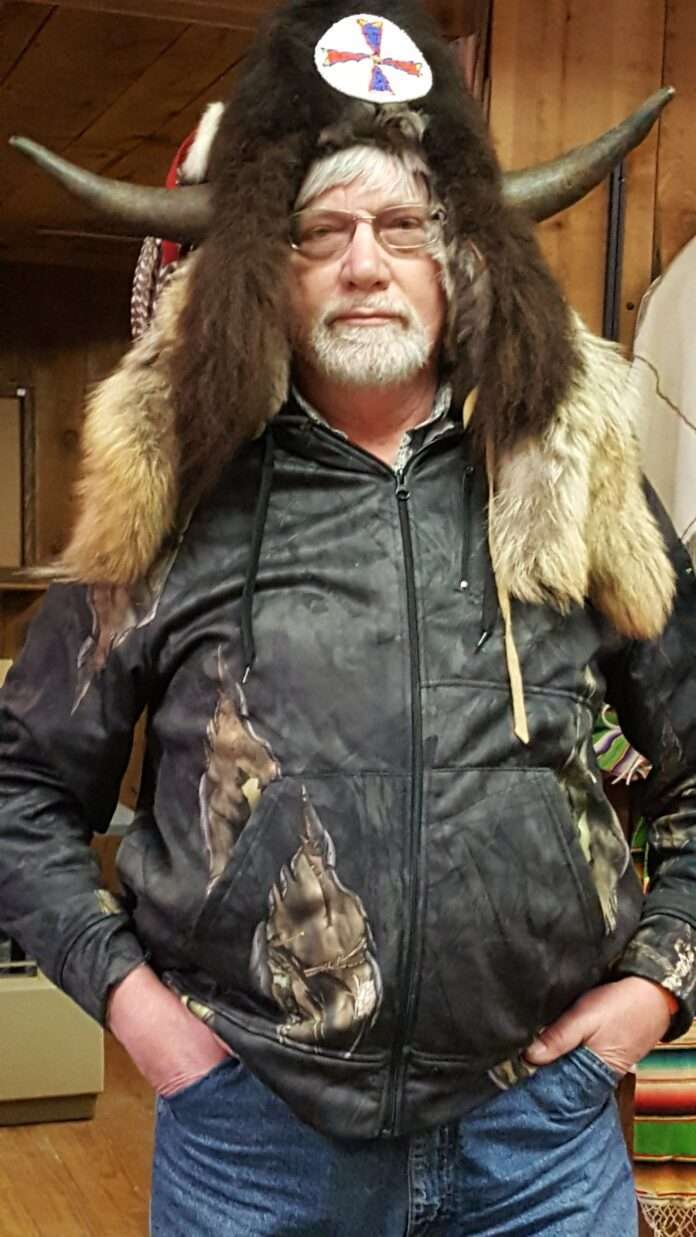
A term tossed around by trappers and by people who work with fur is the word “prime.” When a fur-bearing animal’s fur is at its very best it’s called prime. An animal’s fur pelt has thick, dense “underfur” similar to the down feathers on a bird that insulates the animal from the cold. That dense underfur is protected by long “guard hairs” that grow long and thick above it. The pelt is considered prime when that underfur is at its thickest and the guard hairs are at their longest. Hunters and trappers get the most benefit from harvesting furbearing animals when their fur is at it very best, or prime.

Animals fur is always prime at the coldest part of the year, so it seems a safe assumption to think temperature is what brings a fur pelt to become prime. Temperature affects fur quality, but temperature actually has nothing at all to do with fur primeness. The primeness of fur is controlled by a long scientific term called photoperiodism, meaning the amount of light in a 24-hour period. Light is absorbed through the animal’s retina’s, so when the winter days become short with fewer hours of daylight, that information is transmitted to the animal’s brain, triggering seasonal responses like turning the fur of a weasel or hare from brown to white, signaling for bears to seek their dens and causing fur-bearers pelts to become prime.

It’s no secret that furbearer’s pelts grow thicker and of better quality in parts of the north and west. For instance, a prime coyote pelt from Montana will be thicker and of better quality than a prime coyote pelt from South Carolina. Both pelts will be at their very best because of photoperiodism (the length of sunlight during the day) but the Montana coyote’s pelt will be thicker and better because of the longer, colder and more severe winters where it lives.

Photoperiodism also tells hibernating animals when to hibernate and triggers sexual responses in others, telling them when to search for mates and when to begin breeding.

The fur of Kansas furbearers becomes prime at different times and remains prime and in good condition for different lengths of time. Kansas racoons and coyotes will become prime around mid-November, followed by muskrats and beavers. Coyotes pelts begin to lose quality around mid-January or before as they begin to breed and to rub their shoulders and necks.

Fur primness is a major factor used by wildlife and parks personnel across the country when deciding trapping seasons. Since prime fur is also the highest quality and most valuable fur, seasons are set to coincide with when fur is prime. Kansas trapping seasons end mid-February for all furbearers except beavers and otters. Beavers and otters can be trapped until March 31 partly because their pelts remain prime slightly longer.

As we zip through all the various hunting, fishing and trapping seasons we enjoy, it’s easy for us Kansas outdoorsmen and women to take for granted and not to think about the subtle little ways God has designed all of Nature to work. The way He triggers animal’s fur coats to become prime and luxurious after a long, hot Kansas summer is just the tip of the iceberg…Continue to Explore Kansas Outdoors.

Steve can be contacted by email at [email protected].