Thursday, January 15, 2026
Home Blog Page 60

The power of breed diversity

0
K-State experts say a thoughtful crossbreeding plan can boost fertility, longevity and herd resilience.

If only breeding cattle were as simple as picking toppings at a burger bar—add a little of this, a dash of that and you’re set.

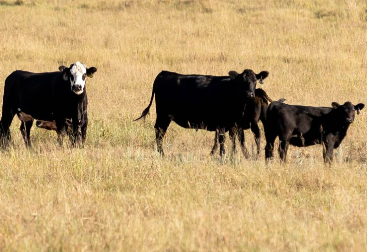
But as Kansas State University beef cattle experts reminded producers in a recent episode of the Beef Cattle Institute’s Cattle Chat podcast, crossbreeding takes more than guesswork. Done right, it can unlock the power of heterosis, also known as hybrid vigor — giving producers cows that stay in the herd longer, breed back easier and better withstand the challenges of the pasture.

“Heterosis is a good thing,” said Phillip Lancaster, a cattle nutritionist. “There are two things to keep in mind: if it gets too complicated and you backcross too much, you can lose the benefits. And it depends on which breeds you’re crossing. You get the most advantage when you cross Bos indicus with Bos taurus (cattle origins), for example.”

Lancaster cautioned that heterosis must add measurable value. “If the cross doesn’t perform as well as one of the breeds by itself, then it isn’t worth it,” he said.

Veterinarian Bob Larson emphasized the importance of breed complementarity. “It comes down to how well you can manage the plan you have for genetics,” he said.

Veterinarian Todd Gunderson added that producers should start by identifying the traits that matter most to their operation.

“The question is, what traits are most important to you, and where can you best get those?” he said.

That focus on priorities, the experts explained, connects directly to how producers approach breed diversity. Lancaster noted that while many breeds today share similar carcass goals, opportunities still exist for producers who look beyond the average.

“Most breed associations have similar end goals now,” he said. “That’s why it’s important to find individual animals that bring something different — something that helps you reach your specific operational goals.”

The discussion on breed diversity, heart disease and more is featured in the latest episode of the BCI Cattle Chat podcast.

Wheat Scoop: Request a 2025 Recipe Book

0
Kansas Wheat

Contact: Marsha Boswell, [email protected]

For the audio version, visit kswheat.com.

Looking for new inspiration in the kitchen this fall or wanting to add a fresh twist to your favorite family meals? Be sure to request your copy of the 2025 Kansas Wheat Commission Recipe Book. This year’s edition features the winning entries from the 2025 National Festival of Breads (NFOB), making it a must-have for recipe collectors and home bakers alike.


“The National Festival of Breads celebrates the tradition of baking bread at home,” said Cindy Falk, Kansas Wheat nutrition educator and festival co-director. “This year’s winners shared not only the results of experimenting with new flavor combinations or ingredients, but also the joy of baking for family and friends. We hope you are inspired by the top recipes from this year’s competition to create something original in your own kitchen!”


The cover recipe for 2025 is Vegan Bakery-Style Orange Chocolate Chip Muffins, created by Sarah Meuser of New Milford, Connecticut. With bright citrus and sweet chocolate in a plant-based format, the muffins bring an indulgent yet wholesome twist to fall baking. The recipe earned Meuser the Quick Bread Category Champion.

The Yeast Bread Category Champion is Cranberry Hard Apple Cider Bread by Janet Gill of Canton, Ohio. Combining tart cranberries with the mellow flavor of cider, the loaf captures the cozy taste of autumn gatherings.


Also included in the recipe book are other top recipes from the NFOB, including Foolproof FAUX-caccia Biscuits by Susan Simpson of Harrington, Delaware, Hot Honey, Date and Goat Cheese Beer Bread by Janet Gill of Canton, Ohio, Shirley Temple Scones by Michele Kusma of Columbus, Ohio, and Texas Fruitcake Scones by Felice Bogus of Raleigh, North Carolina. The book also features Chocolate Praline Povitica, Jalapeño Cheddar Roulade, Lemon Meringue Spirals, Pimento Cheese Pull-Apart Bread with Hot Honey, Sticky Pear Claws and Wicked-Good Bread, all of which received honorable mention recognition.


“We love hearing how bakers use these recipes throughout the year, whether they become your family’s new favorite or the next ribbon-winning entry at your county fair,” Falk said. “You can count on these recipes to work, and the creative ingredient combinations, shapes and undeniable taste make these recipes perfect for any fall celebration.”


Recipes for each year’s book are hand-selected by teams of judges and tested by Falk at the Syngenta Speak for Wheat Test Kitchen at the Kansas Wheat Innovation Center in Manhattan. Volunteers and extension agents also assist with testing and distribution, ensuring the book reaches communities across Kansas and beyond.


The National Festival of Breads, sponsored by King Arthur Baking Company® and Kansas Wheat, continues to highlight the role of home bakers in America’s breadbasket. Additional support comes from Stafford County Flour Mills, Kansas Soybean Commission, Kansas Corn Commission, Hy-Vee of Manhattan and the Manhattan Convention & Visitors Bureau.


Request a free copy of the recipe book at kswheat.com/recipebook or explore this year’s recipes online at nationalfestivalofbreads.com/recipe.

Horticulture 2025 Newsletter No. 18

0
KSU horticulture

1712 Claflin, 2021 Throckmorton Plant Science Center
Manhattan, KS 66506 (785) 532-6173

Access the Hort Newsletter online

ANNOUNCEMENTS
K-State Garden Hour: Keys to Successful Community Garden Spaces
Wednesday, October 1, 12:00 (noon) – 1:00 PM CST
Register to attend this free live webinar at the following link: K-State Garden Hour

Community gardens are vital spaces for growing healthy food, fostering community connections and enhancing personal well-being. Join Laura Phillips, Meadowlark District Horticulture Agent, as she explores the evolution of community gardens, common pitfalls to avoid and offers guidance on establishing and sustaining a successful garden in your neighborhood.

Follow the link provided to register for this free, live webinar and to access the recorded archive of past K-State Garden Hour webinars.
https://hnr.k-state.edu/extension/consumer-horticulture/garden-hour/

K-State Garden Hour
K-State Garden Hour is hosted by K-State Research and Extension horticulture staff across the state of Kansas. We hope you’ll join us on the first Wednesday of each month at noon for some horticultural refreshment and training. Sessions are recorded and posted here after each event.
hnr.k-state.edu

Kansas Turf & Landscape Conference
The 75th Annual Kansas Turf and Landscape Conference will be held on December 3 and 4 (Wednesday and Thursday) at the Hilton Garden Inn, Manhattan. The conference is an excellent way to learn about turf and landscape management, visit with old friends, network with new ones, and see all the latest products and supplies from local and national vendors.

The conference has been approved for commercial pesticide recertification hours:
1 Core hour
3A 7 hours
3B 7 hours
GCSAA education points and International Society of Arboriculture CEUs will also be available by attending the conference.

Download a copy of the program, get exhibitor information or register online at:
https://www.kansasturfgrassfoundation.com/
Register before November 21 to receive a discounted rate.

GARDEN TO-DO
Remove plant debris from garden, compost healthy material
Prepare houseplants to bring indoors
Dig sweet potatoes before first frost

VEGETABLES
Fall Planting: Asparagus & Rhubarb
Asparagus and rhubarb are traditionally transplanted in mid-March through mid-April. However, they can be moved successfully in the fall if you wait until the tops have turned brown.

After frost hits and the asparagus and rhubarb tops turn brown, cut them back to the ground and prepare the soil as you would for spring planting. Dig the plants and relocate as needed. Water well and add mulch to the rhubarb so the roots do not heave out of the soil during winter. Since asparagus is planted deeper it does not require mulch.
If you are purchasing new asparagus plants, they can be planted from early October through mid-November. Begin with healthy crowns from a reputable source.
Visit these K-State resources for more information:
Asparagus: http://www.bookstore.ksre.ksu.edu/pubs/mf319.pdf
Rhubarb: http://www.bookstore.ksre.ksu.edu/pubs/ep99.pdf

Peppers from the Garden
Peppers can last several weeks stored in the fridge especially if they are kept moist. They can also be frozen for longer term storage. Cut the peppers into slices or chunks and place in a single layer on a baking sheet. Freeze for one hour. This is called “flash freezing”. The pepper pieces can now be stored in a freezer bag and won’t stick together in a clump. Although frozen peppers may be soft or even mushy when defrosted, they maintain their flavor and work great for cooking.

FLOWERS
Clean up Iris Beds this Fall
Removing debris from iris plantings is important to help minimize problems. Iris borer eggs and iris leaf spot survive in plant debris through the winter. By removing debris from the garden, you reduce the spread of these problems the following growing season.
Healthy iris leaves can be left intact; they do not need to be cut back.

TURF
Should You Let Turf Grow Tall in the Fall?
Some people believe taller grass in the winter provides insulation for the plant crowns and protects them from freezing temperatures. This can cause problems when the tall grass blades fall over and create a matted environment perfect for winter diseases.
The best way to prepare turf for winter is to provide adequate care and ensure your plants are healthy. This requires action year-round including fertilizing, watering and mowing. Follow recommendations for the variety of turf you are growing, but overall, maintaining the proper height throughout the year is best.

These are the recommended mowing height ranges (in inches) for home lawns in Kansas:
Tall fescue: 2.5 -3.5
Kentucky bluegrass: 2-3
Buffalograss: 2-3
Bermudagrass: 1-2
Zoysiagrass: 1-2

Mowing height can vary within species during specific times of the year. For example, warm-season grasses may be mowed taller during late summer and early fall so they can store more carbohydrates for the winter. It may also help to reduce the occurrence of cool-weather diseases. However, the taller height should still be within the recommendation.

MISCELLANEOUS
Pruning Trees and Shrubs
Woody plants are actively building up their storage of sugars as leaf drop approaches. Pruning in the fall limits the amount stored reducing the amount of energy the plants have available through dormancy. Also, pruning now may encourage woody stems to send out new growth that will be more susceptible to freeze damage during winter.

With the exception of removing dead or diseased branches, it is best to save pruning until after winter. For shrubs that bloom in spring, pruning in the fall can reduce flowering. Spring-flowering shrubs, such as forsythia, lilac, flowering quince, almond, beautybush, deutzia, pyracantha, mock orange, cotoneaster, weigela, viburnum and witch hazel should be pruned after they bloom.

Summer-blooming shrubs, such as hydrangea, rose of Sharon, butterfly bush and crepe myrtle, can be pruned in early spring because the blooms establish on new growth. With a few exceptions, most deciduous trees respond best to late winter/early spring pruning. Proper timing of pruning allows trees to go into dormancy healthy, without increased stress from pruning.

Finding an Arborist
Unfortunately, part of growing plants is dealing with damage and death. For trees, this often requires professional help due to the plant size and safety concerns. Extension agents and specialists across the state get many questions each week about whether or not a tree with damage from storms or other stress can be saved. Extension agents can support homeowners by helping to identify problems with trees but when large limbs threaten to drop, especially over structures, parking and areas people are present, it’s time to consult a certified arborist for advice.

Certified arborists are professionally trained and have experience managing trees in the landscape. The continuing education required ensures they are up to date on current techniques, problems and strategies. They also have the insurance necessary to support their decisions.

Whether you are facing tree removal or not, pay attention to your property’s canopy. If you have mature trees, consider adding younger trees to the area. This will take away some of the sting as trees need to be removed allowing the younger trees to take their place. Managing the existing trees properly and choosing the right trees for your landscape are important to protect your investment.
Locate a certified Kansas arborist: Kansas Certified Arborists
Learn more about why hiring an arborist is important: Trees are Good

QUESTION of the WEEK
Unripe remaining tomatoes
What should I do with the tomatoes that remain on my plants but aren’t ripening?

Remaining tomatoes can be left on the vine to ripen as long as there isn’t a frost in the forecast, but ripening is slow at this time of year.
Green tomatoes that are full-sized can be harvested and placed in a paper bag to continue ripening indoors. You may notice a white, star-shape on the bottom of mature green tomatoes. Green tomatoes can also be used for a variety of recipes.
Tomatoes with blemishes or cracks in the skin should be discarded to avoid contaminating others. Store ripe tomatoes on cardboard trays with newspaper between layers if stacked. If possible, keep the temperature close to 55 degrees F. Check periodically for rotting and remove tomatoes as needed.
Contributors:
Cynthia Domenghini, Horticulture Instructor
K-State Turfgrass Extension
Kansas Garden Guide

Division of Horticulture
1712 Claflin, 2021 Throckmorton
Manhattan, KS 66506
(785) 532-6173

For questions or further information, contact: [email protected].

This newsletter is also available on the World Wide Web at:
http://hnr.k-state.edu/extension/info-center/newsletters/index.html

The web version includes color images that illustrate subjects discussed. To subscribe to this newsletter electronically, send an e-mail message to [email protected] listing your e-mail address in the message.
Brand names appearing in this newsletter are for product identification purposes only. No endorsement is intended, nor is criticism implied of similar products not mentioned.
K-State Research and Extension is committed to making its services, activities and programs accessible to all participants. If you have special requirements due to a physical, vision or hearing disability, or a dietary restriction please contact Extension Horticulture at (785) 532-6173.


Cynthia Domenghini, Ph.D.
Instructor, Horticulture and Natural Resources
Kansas State University
[email protected]

Nothing represents Halloween like a Jack-O-Lantern!

0
KSU horticulture

Nothing represents Halloween like a Jack-O-Lantern! Decorating and carving the pumpkin is a great activity and also you can teach your children how to handle utensils in a safe manner. After carving you want it to last as long as possible to continue to enjoy the season. The biggest concerns in keeping pumpkins are preserving moisture loss and preventing pathogens for as long as possible. There are a few steps that we can take at home to aid in our quest to preserve our pumpkin décor for as long as possible.

· After purchasing your pumpkin wash it in a 10% bleach solution before carving (9-parts water to 1-part chlorine bleach)

· Make sure the pumpkin is completely dry before carving

· Handle the pumpkin as little and as gingerly as possible

· Cut a hole in the rear of the fruit as small as is necessary, instead of the top

· Remove all of the guts and dry the inside of the pumpkin

· Once the pumpkin is carved, submerge in a 10% bleach solution for 24 hours, dry completely

· Seal the cuts with Vaseline or vegetable oil to prevent moisture loss (caution, these products are flammable, do not use a real candle)

· Place the pumpkin in a protected area away from direct sun, rain, and frost

· Use a glow stick or an electric candle to light. Candles create heat, shortening shelf-life

· Using a spray bottle, spray your creation down with the 10% bleach solution every day

If you employ all of these, your pumpkin should last between 8 and 11 days so do not carve too soon! If you paint or use markers to decorate your pumpkin it will last much longer. Enjoy your Jack-O-Lantern and have a safe Halloween!

Pumpkin Pudding

0

What a beautiful beautiful weekend it has been here in the Ozark Mountains. This weekend I drove over and helped my daughter in law (to be) in the addressing of wedding invitations. Just driving over to Cape Fair, MO is breathtaking as your eyes wander off over the mountain tops. The rolling hills and the views just seem to call out. Parts of some of the trees are taking on their fall colors, not the whole tree, just pieces her and there. I visited with someone this week who told me last week we received around 7.25 inches of rain, at least in the Indian Point area. It was wonderful to receive even if it did come with lots of lightening and thunderstorms.

As I made the 25 minute drive across the county today thoughts of fall just kept drifting through my mind. Being the cook that I am , lots and I mean lots of recipes have been calling out for me to prepare. The pumpkin pudding was always present at our church in Claycomo, Missouri, located next to the Ford Motor Plant. Our good friend, Judy Willoughby always brought this to fall and early winter dinners. I looked forward to it each and every time. Especially if there was a little vanilla ice cream or whipped cream to dollop over the top. It is an easy recipe to put in 2, 8×8 pans instead of making a large 9 x 13. Now days I either take one half to the neighbors or over to the kids house. I don’t think I’ll ever learn how to cook for only 2 people. For example, there’s a large pot of vegetable soup in the garage refrigerator tonight. Perhaps I’ll make this pumpkin dessert and have them stop by tomorrow and pick up some soup to go with it for supper.

There are not a great deal of instructions on this pumpkin pudding, except it’s great to serve when it is still warm. And if you were entertaining on a Friday night it could easily be made Thursday and merely re-heated at dessert time.

It works well with about any menu. Personally; I require a good cup of coffee with mine, even if it is decaf. Speaking of decaf, I ‘think’ I shared this tip with you earlier this year, but if I didn’t this is a good time to remind everyone. I am not usually a fan of Starbucks coffee, but I picked up a package of decaf on a sale rack one day. On Valentine’s evening we concluded the meal with crepes and coffee. Everyone asked if they were drinking full strength coffee because it tasted so good. I’m now a strong

advocate for this brand, especially when served of an evening. As many of you are aware, finding a decaf coffee that’s got much body is hard to find.

I can’t jump in and tell you that I did a million things this weekend because I didn’t. I made every attempt to just enjoy the moments and what was surrounding me. Saturday night found us at my husband, ErvIn’s, class reunion in Springfield, MO, today with family and Monday focuses on household odds and ends and perhaps a little pumpkin baking! Next weekend I travel to Kansas City to call upon my nieces and nephews, and watch a little football. Hm…might have to find time for a stop at an orchard or two as I travel. Good Bread, cheese and apples, perfect meal.

Settle into the moments and ignore the chores, I’m already looking forward to morning and drinking coffee on the screened in porch! Simply yours, The Covered Dish.

Pumpkin Pudding, 12-16 persons

(Judy Willoughby)

2 (15 oz.) cans pumpkin pie filling

½ teaspoon salt

2 tablespoons pumpkin pie spice

3 eggs, lightly beaten

1 cup sugar

14 ounce can sweet condensed milk

Topping

1 yellow cake mix

1 ¼ sticks melted butter

1 cup chopped pecans, walnuts will also work

Mix all the pudding ingredients together and place in a greased 9 x 13 baking dish. You can omit ½ cup of sugar and use 2 tablespoons of molasses; however it tends to make the pudding darker. You might consider subbing with ‘real’ maple syrup too, this works good for diabetics.

Gently, sprinkle the cake mix over the top of the pudding. Over this place the chopped pecans, and then drizzle the melted butter evenly over the top. Place

in a 350 degree oven and bake for one hour. Serve with whipped cream, ice cream, or straight cream. Even extra maple syrup or warm caramel sauce would be good for a garnish, just not too much.

Serve warm, and enjoy-