Friday, January 30, 2026
Home Blog Page 277

Here Come the Hawks

0

At breakfast this morning, a friend remarked about the number of hawks he recently saw covering a newly-cut soybean field. Ah, I thought, it’s time for the annual raptor migration through Kansas to begin.

I love watching hawks hunt and I love observing how they’ve learned to interact with farm equipment as it rolls across fields and stirs up rodents and small birds that scurry about and often end up as a snack for the hawk. Our raised deer blind overlooks a grass waterway that grows up in giant sunflowers and pigweed by summer’s end, becoming a nice secure travel way for deer, but making them hard to spot during hunting season. I try to mow that area every fall, and every year as I mow the last swath of thick weedy cover, fat field mice scatter everywhere and I think to myself “Man, could the hawks be feasting here!” A few years back I happened by a nearby field of soybeans being cut. What caught my eye was the enormous number of hawks all around the field, just as exactly as my friend had described; I counted to thirty-some then lost count. I rolled into the field and talked with one of the combine drivers about the hawks. He said they had suddenly appeared as if from nowhere when they started cutting and had been there since. The soybean plants were extra tall and thick that year, and as they ripened and dropped their foliage, it left several inches of duff covering the ground between the rows; perfect cover for field mice and rats looking for warm concealment. As the combines lumbered through the field, they forced all those rodents from their cozy quarters and the hawks were feasting.

Each year about this time, we begin to see an extraordinary number of hawks of all varieties as they migrate south toward warmer climates. The extent of our Kansas winter will largely determine whether they stay here for a spell or move on south, and our milder-than-normal winters of late have been a huge draw to migrating hawks. The hawks I observed hunting the soybean stubble field that year, and the ones my friend observed lately were obviously migrants that were getting a good meal whether they stayed or not. The vast acreages of new wheat fields will be a huge draw too, as mice, voles and insects become vulnerable to the hawk’s keen eyes in the short new wheat. Another plus is the type of air currents and thermals that blow through the plains states. North winds coming down from Canada are utilized by all types of hawks, saving them precious energy by being able to soar. So in summary, the mild winters, the open fields and the beneficial wind currents all make Kansas a popular place to see hawks of many varieties this time of year.

One common hawk we see here every winter is the Northern Harrier. They are large hawks with wide white bands across their broad square tails and are often seen gliding effortlessly mere feet above CRP fields and pastures. We also get an influx of Red Tails from northern states as they come here for our milder winters. Swainson Hawks on their way to Argentina stop in Kansas by the thousands. Rough-Legged Hawks migrate from Canada to the western US, including Kansas. Ferruginous Hawks may be seen here as they travel from Western Kansas to parts of the South Eastern US and to Florida. All these truly make for a kaleidoscope of raptors in our Kansas sky.

This article wouldn’t be complete without emphasizing the important role raptors play in our agricultural environment. Raptors get blamed for everything from low pheasant and quail populations to stealing chickens and everything in between. Yes, we all know that hawks and especially owls will steal a chicken or two given the chance, but in actuality, hawks prey on mice, rats, snakes and possums that eat quail and pheasant eggs and newly hatched young. (FYI, feral and stray cats are the worst predators alive for killing young game birds and song birds.) Owls are huge rat and mice hunters and also eat skunks that carry rabies. If not for these raptors in our midst, rodent populations would devastate farmer’s crops and our environment as a whole. And for the record, killing a raptor of any kind is illegal in Kansas!

You can’t go afield this time of year without spotting hawks silently hunting low over patches of CRP and milo stalks, waiting patiently atop power poles for prey to reveal themselves or putting on shows of acrobatic excellence as they soar above us on the fall breezes. I once overheard a raptor rehabilitator tell someone “We as humans have encroached on them, so the least we can do is let them live with us.” Continue to Explore Kansas Outdoors!

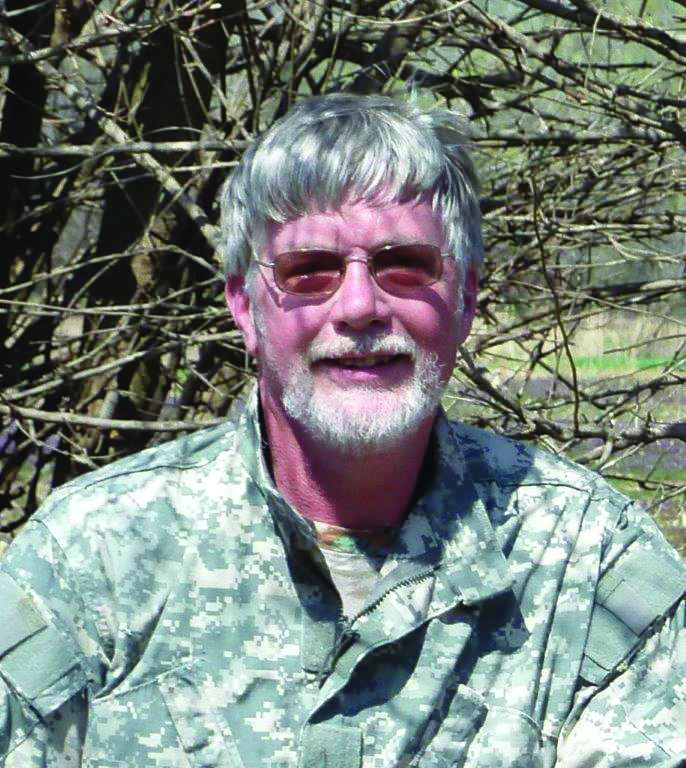
Steve can be contacted by email at [email protected]
Leftover Pumpkins

0

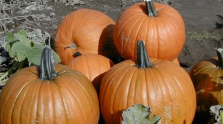
Pumpkins make lovely decorations but when the season comes to an end, they
can become a wasteful problem. After Halloween many people toss their pumpkins and gourds into the garbage where they are later routed to the landfill. The lack of oxygen in the mounds of garbage prevents organic matter from breaking down. Consequently, the
pumpkins contribute to the problem of overflowing landfills.

If you’re not able to compost in your own yard, look for a communal location. Many cities have a site where green waste can be discarded. In Kansas there are arboretums and other
sites that specifically accept pumpkins in November. They will take care of the composting for you to minimize landfill waste.

Some farms accept pumpkin donations after the season to use as a feed source for their animals. However, if you treated your pumpkins, such as with bleach, wax or paint, they should not be fed to animals due to the risk of toxicity. Check the restrictions for pumpkin donations to protect the health of the animals.


Garden Mums

0

Garden mums (Chrysanthemum sp.) that have finished flowering can be cut back to two to three inches. Apply a layer of mulch over the top for protection through the winter. It is also okay to leave the top growth intact through winter.

This can provide insulation for the crown. Regardless of fall maintenance practices, garden mums should not be allowed to dry out during the winter. If there has not been any precipitation in the form of rain or snow, it may be necessary to apply supplemental water.

Massive safety recall hits Volvo and Mack trucks

0

The NHTSA has announced a recall involving over 185,000 vehicles from Volvo and Mack Trucks. This extensive recall addresses potentially serious electronic control unit (ECU) malfunctions that could affect crucial vehicle systems, leading to increased accident risks.

Discover the details and understand what steps you should take if your vehicle is impacted.

Key Points of Recall:

ECU Malfunctions: Faulty ECUs could disrupt multiple safety systems, including ABS, stability control, and collision mitigation.
Risk of Accidents: Reduced functionality of crucial safety systems could significantly raise the likelihood of crashes.
Widespread Impact: Extensive range of models from 2020 to 2025 affected, covering both Volvo and Mack branded trucks.

Fuel pump concerns in Paccar Trucks with Cummins Engines
October 28, 2024
A crucial recall has been issued by the NHTSA for thousands of Paccar tractors, specifically models equipped with Cummins X15 diesel engines. An identified risk of fuel pump leaks could lead to unexpected engine stalls, posing a serious risk on the road.

Check whether your vehicle is affected and what actions to take to ensure safety and compliance.

Key Points of Recall:

Fuel Pump Leaks: Potential for engine stalls due to fuel pump issues in critical truck models.
Immediate Risk: The defect presents an immediate hazard of stalling, increasing the likelihood of accidents.
Broad Spectrum of Models: Multiple 2025 models of Kenworth and Peterbilt trucks are included in this recall notice.


Reno County Lights Courthouse Green in Support of Operation Green Light for Veterans

0

Reno County proudly announces that the Reno County Courthouse has been illuminated green as part of Operation Green Light for Veterans, a nationwide effort by counties, the National Association of Counties (NACo), and the National Association of County Veterans Service Officers.

From November 4-11, 2024, across the country there will be county buildings and landmarks illuminated green to show support for veterans and raise awareness around the resources available at the county, state, and federal levels to assist veterans and their families.

Now in its third year, Operation Green Light is expected to draw hundreds of counties to participate. “The county role in administering services for veterans includes County Veterans Service Officers helping fellow former service members access more than $52 billion in federal health, disability and compensation benefits each year, as well as other services supporting the approximately 200,000 service members who transition into civilian communities annually,” according to Operation Green Light.

“Participating in Operation Green Light allows Reno County to support and honor our veterans, not only by raising awareness of the sacrifices they’ve made, but also fostering a sense of community that shows these veterans that they are valued and appreciated,” said Reno County Commission Chairman Randy Parks. The Reno County Veterans Memorial is located at 209 Des Moines Ave, in South Hutchinson, featuring the names of veterans from Reno County or those who called Reno County home. Their website address is https://renocountyveterans.com/

Residents, businesses, and other organizations are encouraged to participate by simply changing one light bulb inside or outside their home to a green bulb. By shining a green light, veterans can know that they are seen, appreciated, and supported, and open conversations can be held about the needs of veterans and the services that support veteran communities.

Counties and residents across the country are sharing their participation on social media using the hashtag #OperationGreenLight. For more information on Operation Green Light, go to https://www.naco.org/program/operation-green-light-veterans