Friday, January 30, 2026
Home Blog Page 276

Aggie Wish List

0
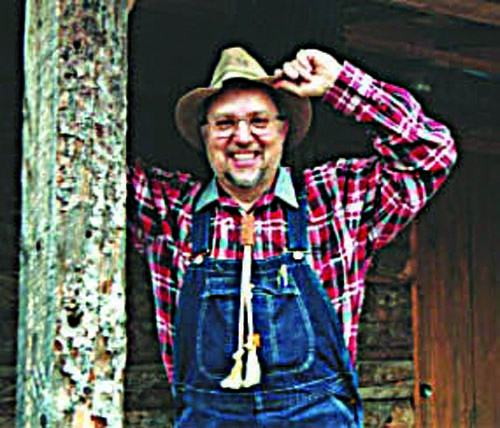
Thayne Cozart
Milo Yield

Web: www.miloyield.com

Hardly a day goes by that there isn’t scientific news somewhere about a new advancement in genetic manipulation. For instance, recent news said that scientists are genetically modifying pigs so their internal organs can be successfully transplanted into needy humans.

The seed industry has for years used genetic manipulation to create new seeds that offer improvements in crop growth, yields and quality.

Likewise, the meat animal sector of agriculture has for years been doing genetic manipulation through cloning, embryo transplants, disease prevention, new crossbreds, etc.

All the above discussion about aggie genetic manipulations got me to thinking about an “Aggie Wish List” for still newer genetic manipulations that could solve some big and persistent problems for crop and livestock production.

Through a process called “CRISPR gene editing,” scientists can often clip and splice specific-trait genes from one organism to another. So, I’m advocating to use CRISPR technology to achieve my Aggie Wish List. Here’s the list of problems I’m talking about and my suggested genetic solutions.

• Eastern Redcedar invasion: Cedar trees are overtaking many productive farm and ranch lands. The trees are ugly, virtually worthless, nutritionally-void, rapidly-spreading, fire-fostering, water-sucking landscape parasites.

I want science to solve this problem by splicing highly-nutritious alfalfa genes into cedar trees, thereby making the cedar needles as palatable and nutritious as alfalfa hay. Just think about seeing cattle herds, sheep flocks, even deer herds fighting to devour cedar trees.

And, scientists can go one step further and splice genes for giraffe long legs and long necks into meat goats so those new edible critters can graze on the tops of cedar trees. My suggested name for the new meat animal is the Giroat.

Why, with this new technology, within a decade pastures throughout the land will be more productive and profitable.

• Sericea lespedeza and Caucasian Bluestem: These two aggressively invasive plants are endangering the highly productive rangelands of the Flint Hills. Cattle will scarcely touch sericea. It’s hopelessly expensive eradicate with herbicides. Caucasian Bluestem, likewise, is almost inedible for cattle. It replaces the nutritious native rangeland grasses like big and little bluestem, Indiangrass, switchgrass, and side-oats gramma.

So, scientists could partially fulfill my Aggie Wish List by splicing the nutrition genes and nitrogen-fixing genes of red clover into sericea. Then grazers would prefer it. The new grass would provide nitrogen for the soil, too. To improve Caucasian Bluestem, I request that the genes for eastern gama grass, which cattle love, be spliced into the plants. With just those suggested improvements, the invasive species encroachment into the Flint Hills would be solved.

• Cockleburs, pigweed and bindweed: These three immensely costly, absolutely worthless weeds are chronically impossible to eliminate from U.S. crop fields. So, solving that problem is high on my Aggie Wish List. Genetic manipulation can come to the rescue.How about scientists splice the cocklebur gene for easy growth in any soil, and the pigweed genes for prolificacy and abundant yields, and the bindweed gene for persistency and deep-rooted drought resistance into our standard grain crops of wheat, corn, soybeans, and grain sorghum? That way all those crops immediately become more prolific and profitable.

Then they splice the weak genes from a mamby-pamby plant like an orchid — that’s about impossible to keep alive — into the three worthless weeds. That way within one growing season under harsh field conditions, the miserable three weeds will wither and die out forever.

• Johnsongrass: Johnsongrass, which should be the state grass of Oklahoma, is a persistent nuisance grass that thrives in fields, fence-lines and road ditches. However, it is highly prolific and hardy, but not very nutritious for grazing. So, on my Aggie Wish List is having the best traits of sugar cane spliced into Johnsongrass. That way cattlemen have a new, easy-to-propagate, highly nutritious grass for their cattle.

• Crabgrass and Foxtail: Folks trying to have presentable lawns have been fighting crabgrass and foxtail forever. Both nuisance grasses are annuals, ugly, drought resistant, and highly efficient seed producers. So, gene spicing to the rescue on my Aggie Wish List.

The gene-manipulators should splice the genes for lovely green color and nice texture from Kentucky bluegrass and the genes for drought resistance and aggressive growth in bermudagrass and splice them into the crabgrass and foxtail. The world would end up with a wonderfully green, fine-textured, drought-resistant lawn grass. And a new market would open up. I suggest naming the new grass Perfecto.

***

The last item on my Aggie Wish List has nuthin’ to do with genetics, but everything to do with the profitability of the nation’s farms and ranches. That item is commodity price.

Every year the U.S. spends vast sums of money to improve crop and livestock productivity. And, admittedly, progress is made incrementally. But, sadly, history shows that increases in productivity have minor correlation to profitability. One day’s downturn on the commodity boards of trade can wipe out all the profitability made from decades of productivity gains.

So, it’s clear the real progress to be made in profitability is to improve commodity prices. But, I’ve yet to see an economic research project with the stated goal of improving prices. Increasing ag exports has proven unreliable for improving profits. Increasing domestic use to improve price is equally spotty.

Nope, the answer to aggie profitability lies in national policy. And, I’ve yet to see a thin research dime spent trying to find and enact a national farm commodity price policy.

***

So, I admit, all the items on my Aggie Wish List are fantastical and doomed from the start.

Wish lists are seldom every fulfilled. But, that doesn’t keep me from wishing.

***

Finally, I got a real good soaking rain. Good for my newly-planted lawn. Bad for my shop under construction. Gotta take the bad with the good.

***

My words of wisdom for this week are: “We’ve turned back our clocks to standard time. The election is over. Now America needs to turn back to a time of standard politics.”

Have a good ‘un.

Easy Rice Casserole

0

OK, so; the big wild game column is on its’ way, but the rice side dish is the prelude. Usually I steer clear of canned soups, but in this recipe, it makes an outstanding rice dish, that goes in the oven. The only thing that has ever deterred me in any fashion with this recipe is the fact that it doesn’t double extremely well. If you do need more of the rice dish than what one recipe makes, be sure and give yourself plenty of time to get the double batch done.

I have always felt wild game was accompanied nicely with not only a ‘wild’ rice dish but also with dressings full of sage, sausage, fruit and nuts. I am not a ‘huge’ fan of venison, but I grew up on dishes of smothered rabbit and squirrel. It was quite funny one Thanksgiving, when I procured fresh rabbit for my mother, Betty. We didn’t eat it for the big dinner, but I did serve it a couple days later. The rabbit was farm raised and I had never seen such a huge bunnie! The other fun part was the fact that I didn’t have a recipe for smothered rabbit, in fact I had never made it before. Like many of you I went back in my memory to watching my mother and grandmother preparing it in the kitchen. Basically I took off from there. The only difference was the fact I like a little dry sherry or white wine in my smothered rabbit. It enhances the onions and mushrooms that go inside my reduction sauce. Mom never cooked it all the way on top of the stove, it was only a good browning, and then with the meat removed I deglazed the skillet and moved forward with a wine or sherry based cream sauce.

If we can get the temperature to drop a little more all of us will feel like a rice dish and wild game.

Bouncing back to the wild rice dish. Do remember you can always prepare your own ‘soup base’ for this recipe and not use the store bought. Rice could also be made the day before the dinner and simply reheated just before the meal. The butter amount could also be altered if the richness is not to your liking.

A regular steak or pork chop would suit the rice nicely. Throw in soft hot rolls and a delicious salad and the meal is complete. I could even handle the recipe with a chicken or fish main entree. If it’s fall . reach for a pumpkin or gingerbread parfait, for an easy yet delicious dessert. Pumpkin pie is one of the easiest pies out there, give that a try too.

I’m thinking about November presently. Thanksgiving is my favorite holiday and it will be the first without my dad at the table. He loved my holiday dinners, and cooking for him was one of my greatest joys. I knew if my dishes impressed his palate they would be a success.

Time to wrap up the column and complete a few things before bed. Have a dandy weekend, and productive week. Simply Yours, The Covered Dish.

Wild Rice Casserole

½ cup long grain rice, rinsed

½ cup wild rice, rinsed

1 can beef broth soup, 11.5 ounces

1 can French onion soup, 11.5 ounces

1 stick of butter

8 ounces mushroom pieces


Preheat oven to 350 degrees

Bake in greased 2 quart baking dish with a lid, covered for one hour, stirring after 30 minutes. Serves

4-6 persons.

Our first year of marriage we enjoyed this on Christmas Day, with small sauteed Brussel sprouts and steaks. We shared the meal with George and Sharon Short, at their first home in Platte City, Missouri. Wish we could do that day over again!


Geez I’m glad we don’t have those in Kansas

0

I’m always raving about all the wildlife and outdoor adventures we have here in Kansas, but much like an inverse bucket list, there are also things I’m glad we DON’T have here. The other night I watched a TV show about the Florida Everglades. The host of the show was there to try and catch a monster everglades bull shark, and as sort of a rite-of-passage, his local guides made him first swim with alligators and then help them catch a huge python snake which are an invasive species to the everglades and are wreaking havoc with its fragile ecosystem. I used to trap muskrats in the McPherson Valley wetlands just outside Inman, which involves wading around in marshes of cattails and marsh grass that look a little like areas of the Everglades. I’m eternally grateful I don’t have to keep my eyes peeled for gators and pythons; geez, I’m glad we don’t have those in Kansas.

I think Joyce and I must have been storm chasers in a previous life; when the tornado sirens blare and the TV weathers guys are yellin’ at us to get in our storm cellars or go to the basement, we’re bustin’ out lawn chairs and watching for the twister, despite the devastation they can cause. Some of the memories I’ll take with me to the grave are pictures and news footage showing all the absolute devastation caused by the hurricanes recently in North Carolina and Florida. So as much as I’d like to own some oceanfront property here in Kansas, I’ll take the occasional tornado that can wipe out parts of towns along its way over a hurricane or tsunami that can wipe out the entire state; geez I’m glad we don’t have those in Kansas.

Dad had a place in a nice “snowbird park” in Mesa Arizona, and one of the activities he enjoyed was picking oranges, lemons and grapefruits with other guys from the park. The Mesa and Scottsdale areas are havens for citrus fruit trees. There are acres of commercial orange groves within the Mesa city limits, plus many homeowners have citrus trees in their backyards like homeowners in Kansas have apple, apricot and pear trees. And like homeowners here, many people don’t want or use most of the citrus fruit from those trees. Each February a crew of guys from dad’s park would go one day each week and pick unwanted fruit for homeowners, then bag the fruit and take it back to the park and put it out for any residents who want it. Many of the homeowners even gave the guys gas money for picking and taking their unwanted fruit. It was a win-win deal all the way around, but the homeowners there seemed much more serious about getting rid of their unwanted oranges, lemons and grapefruit than homeowners here are about getting rid of their unwanted fruit, and I often wondered why. I found out it’s because of a rodent called a “roof rat.”

Roof rats are also known as black rats (but are not really black) and are slightly distinguished from other rats by the length of their tails which are longer than their bodies. Roof rats are historically thought to be the vermin that spread the Plague or Black Death during the Middle Ages. They were first noticed in the Phoenix AZ area in 2001, and have become a problem throughout the area because fresh fruit and especially citrus fruit is their favorite meal. I found a website maintained by Maricopa County AZ, which contains the cities of Phoenix, Scottsdale and Mesa, called www.roofrat.net. Its mission statement reads “To help neighborhoods work, donate quality fruit and eradicate roof rats.” On a list of roof rats preferred foods, the top 6 were citrus fruits, which according to the website they will even eat off the tree. To help eradicate roof rats, the website urges homeowners to “Promptly and completely pick all

fruit (ripe or not) on citrus and other fruit and nut trees and pick up all fallen fruit every season.” I was told that Scottsdale residents may even incur a hefty fine for not doing so. Roof rats nest in attics, hedges and even in trees.

Maybe writing this column was a lesson in just how good we Kansans have it compared to some other states. Yes, we have ticks and brown spiders which both require our respect. We have earth shattering thunderstorms and tornados, but not hurricanes. We have bull snakes, rat snakes and the occasional prairie rattler, but not gators and pythons. We have mice, rats and pack rats (which can be a problem if not discovered,) but not roof rats to eat the fruit off our trees and infest our neighborhoods. Geez I’m glad we don’t have those in Kansas!

Steve can be contacted by email at [email protected].

Spooky Stories of Kansas

0

It is that time of year, when all the ghosts, superheroes, and other costumes come out to play. The Halloween Season is upon us, and whether we like it or not, all of the festivities along with it. Although to be fair, I do enjoy seeing the kiddos so excited about something. In the true Spirit of Halloween, this article will take some time to look at the true spooky stories of the world around us. Now, whether you believe them or not is up to you, but it can still be pretty fun to see what kind of scary stories people can muster up in different regions of the places we live.

Around the Leavenworth area, there are a number of stories. As one of the most haunted towns in Kansas, Leavenworth is a part of the greater Kansas City metropolitan area, with a historic River Town atmosphere. The local hotel, built upon the bones of an old religious high school has plenty of stories to tell. Not to mention, around Fort Leavenworth, ghostly riders of Calvary legions have been spotted and interacted with for a long time.

Now, of course, we can’t talk about haunted Kansas without mentioning Atchison. One of these spooky places around the state, Atchison celebrates its haunting history every year. They offer haunted trolley tours throughout the town not to mention the infamous Sallie House. Stories of a young couple in the ’90s renting the house take a rather violent turn. The house is currently available for daytime visits or overnight stays. Although with all of the stories that I’ve read about it, I don’t think I would go within a block of the place after dark. The house is also been the scene of many different documentaries, and movies, although there are many accounts of cameras not working properly near the area.

Or perhaps you’re from the more urban scene of Wichita. I’ve heard lots of stories of haunted places to visit but one of the more known areas is the Drury Plaza Hotel. There are whispers of past guests being trapped in the walls, murmuring to you during your stay. Now, whether or not you actually witness anything is up for debate, but the location certainly has lots of historical significance to offer an inquisitive guest.

Now if it’s haunted buildings that you’re looking for, look no further than Topeka Kansas where the large abandoned church commonly nicknamed the “Church of the Damned” resides. The church was subject to many vandalism and graffiti until its fiery end. In 2013, the church caught flame and a pretty significant one at that. The church itself was featured on an episode of an A&E reality TV series for its uncanny ability to attract bad occurrences.

For those of you in the Hutchinson area, you know that there are plenty of abandoned and potentially haunted areas around town. One story that I particularly enjoyed was the story of the librarian Ida Day Holzapel, who moved here from California and became head librarian at the Hutchinson Public Library. Seems pretty standard right? Until she decided to take a librarian job back in California and died in an auto accident on the first day of her new job. Legend has it, that she still works at the Hutchinson Public Library. Straightening bookshelves, and silencing obnoxious individuals with a hush of the wind.

Overall, these scary stories aren’t intended for you to necessarily believe. But they are a part of our folklore, and after all, telling scary stories around the fireplace is one of our oldest traditions as human beings. And beyond that, they’re just awfully fun. Have a Happy Halloween!

Decoding cuss words

0
Thayne Cozart
Milo Yield

Web: www.miloyield.com

This little story proves that there’s a lot that can be learned in the rural classroom — by students, teachers and administrators.

A second-grade boy, who wuz a rancher’s kid, started the school year with a new teacher. Before the first week of classes were over the lad’s teacher had sent him to the principal several times for using unseemly cuss words.

Finally, the principle decided to get to the bottom of the lad’s use of such profanity. “Where did you learn nasty words like the ones you’re using in class?” he asked the lad.

“From my father,” the lad innocently replied,

“Well, that’s surprising. But, at your tender young it’s still no reason for you to use them in school. I bet you don’t even know what those words mean.”

“I do, too,” the lad replied indignantly. “They mean the heifers are out of the pen again and are in with the bulls.”

***

A rural guy who seemed like a confirmed bachelor finally got married to a citified gal.

As the years passed, the wife tired of saying over and over again, “Sit up straight. Use your napkin. Close your mouth when you chew. Don’t take such big bites. Brush your teeth before you go to bed.”

Then, just when she thought she was finally got through with the training, along came the children!

***

Just when you think you’ve seen all the strange agricultural research going on in the world, you run across a true story like this one.

Here’s the gist of the research findings: “Using Artificial Intelligence to ‘decode’ the oinks and grunt of both free-range pigs and pigs in confinement, European researchers have developed an algorithm that when recorded and played for the pigs can keep them happier and more profitable.”

The scientists, from universities in Denmark, Germany, Switzerland, France, Norway and the Czech Republic, used thousands of recorded pig sounds in different scenarios, including play, isolation and competition for food, to find that grunts, oinks, and squeals reveal positive or negative emotions.

The algorithm demonstrated that pigs kept free-ranging outdoors with the ability to roam and dig in the dirt produced fewer stress calls than conventionally-raised pigs. Short grunts typically indicate positive emotions, while long grunts often signal discomfort, such as when pigs push each other by the trough. High-frequency sounds like screams or squeals usually mean the pigs are stressed, for instance, when they are in pain, fight, or are separated from each other.

The researchers believe that this method, once fully developed, could also be used to label farms, helping consumers make informed choices.

This research sounds goofy to me, but, I hope it works and didn’t cost too much.

***
Well, the election to determine our next president and congress is just around the corner. It’s a very important election. And, if you are like me, you’ve been inundated with all kinds of political “stuff,” from phone calls, to the mail box and the email box. All the “stuff” I’ve been sent, hasn’t changed my mind one whit. But, it’s been entertaining. So, I decided to include a sampling of just “stuff” contained in the political emails I’ve received in the last week. Here goes.

• “Tolerance will reach such a level that people will be banned from thinking, so as not to offend the imbeciles.” — Dostoevsky

• “The truth does not mind being questioned. A lie does not like being challenged.”

• “Idolizing a politician is like believing a stripper really likes you.”

• “No amount of evidence will ever persuade an idiot.” — Mark Twain

• “If you want the truth, don’t ask me. If you want it sugarcoated, go eat a donut.”

• “I disagree with you. It doesn’t mean I dislike you or that I’m mad at you. It just means that I like you. I won’t treat you disrespectfully just because we share differing opinions. Give me the same respect.” — attributed to Clint Eastwood

• “Remember: when something goes wrong in the circus, they send in the clowns to distract the audience. Well, something has gone very wrong with the American political circus, and the clowns are everywhere.”

• “The Dunning-Kruger Effect is a type of cognitive bias where people with little expertise or ability assume they have superior expertise or ability. This overestimation occurs as a result of the fact that they don’t have enough knowledge to know they don’t have enough knowledge.”

• You will continue to suffer if you have an emotional reaction to everything that is said to you. True power is sitting back and observing things with logic. True power is restraint. If words control you, that means everyone else can control you. Breathe and allow things to pass.” — attributed to Warren Buffett

• “Actions prove who someone is. Words just prove who they pretend to be.”

• “If it’s not yours, don’t take it. If it’s not right, don’t do it. If it’s not true, don’t say it. If you don’t know, shut up.”

• “The forest was shrinking, but the trees kept voting for the Axe, for the Axe was clever and convinced the Trees that because his handle was made of wood, he was one of them.” — Turkish Proverb

• “The sheep will spend it’s entire life fearing the wolf, only to be eaten by the shepherd.” — African Proverb.

***

I urge everyone to vote in the election. Folks ask me how I’m going to vote. I tell them I’m going to vote to try to re-establish the kind of Constitutional Republic, not a pure democracy, that our Founding Fathers strived to create and warned us pointedly about losing. That is a nation based on freedom, limited government and wide spread distribution of wealth, property and power.”

***

Words of wisdom for the week: “Voting the same — and expecting change — makes as much sense as having manure on your jeans and changing your shirt.” Have a good ‘un.