Wednesday, February 11, 2026
Home Blog Page 433

Histoplasmosis in Reno County

0

The Reno County Health Department has seen a few Histoplasmosis cases this year already, so they wanted to send out information about the infection and how to prevent it.

This is especially important due to the current season, where many individuals are landscaping and the weather is dry and windy.

What is histoplasmosis? Histoplasmosis is fungal infection that occurs when breathing in spores from a fungus called Histoplasma. This fungus is found in the environment, especially in soil that has a large amount of bird or bat droppings.

The CDC says most people who breathe in the spores don’t get sick, but those who do may have a fever, cough, and fatigue. Many people who get sick will get better on their own without medication. In some people, such as those who have weakened immune systems, the infection can become severe, especially if it spreads from the lungs to other organs.

Those most at risk, like people with weakened immune systems, those over 55 years of age and infants can protect themselves by the following steps.

1. Avoid certain activities. Avoid projects and activities that can expose you to it, such as cleaning barns or raising birds, especially if you’re at higher risk for disease.

2. Water down the area before you work. Before you dig into soil that can contain the fungus, soak it with water. This can help prevent the spores from being released into the air.

3. Wear a mask. Consider wearing a mask, such as an N95, while participating in high-risk activities.

Histoplasmosis can’t spread from the lungs of an infected person to anyone else.

Kansas Microbrewers have greater access to restaurants, bars and stores under new law

0

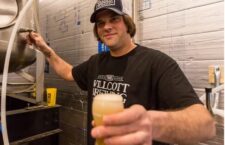
Gov. Laura Kelly signed a bill allowing small craft breweries to directly sell to retailers, restaurants and bars.

Kansas, like most other states, uses a three-tier system for alcohol sales where brewers sold to wholesalers, who then sold the product to vendors. Microbrewers said it can sometimes be challenging to get their product in local liquor stores or restaurants through wholesalers.

It also led to smaller issues for brewers, like having to sell their own product to themselves at retail prices in order to have vendor booths at local events.

“Local was being shunned or sidelined to promote and push ‘big label brands,’” said Sean Wilcott, a Holton-based brewer who helped organize brewers for the bill. “Because distributors are private businesses, even though we are under contract for them to sell our products, distributors have the legal right to choose what products they carry and promote, so they are working within the realm of the law by limiting our product exposure and promoting the big label brands.”

The legislation was supported by several small breweries, restaurants, local chambers of commerce and the libertarian-leaning advocacy group Americans for Prosperity Kansas.

On the opposite end, statewide wholesalers and retailer associations argued against the bill, arguing that microbreweries are more popular than ever and that challenging the three-tier system could ultimately harm the brewers the legislation seeks to protect.

“Large international brewers would control the market without the three-tier system, and the critical, independent distribution tier and small craft brewers would be completely locked out,” said Jason Watkins, executive director of the Kansas Beer Wholesalers Association.

Distributors and retailers blamed recent slumps that brewers blamed on unfair representation on an industry-wide downturn in beer consumption, and that craft brewers already have exceptions from the three-tier system that allow them to sell directly to the public.

Historically, Kansas has been slower to embrace alcohol as other states. Kansas maintained the illegality of alcohol for almost 20 years after the end of prohibition in 1929. It wouldn’t be until 1987 that Kansas allowed on-premise alcohol sales in bars and restaurants.

As reported in the Topeka Capital Journal

Preparing for Busy Months of Wedding Planning

0

Lovina’s Amish Kitchen
Lovina Eitcher,
Old Order Amish
Cook, Wife &
Mother of Eight

Sister-in-law Nancy’s 62nd birthday is on April 23. Brother Amos passed away suddenly six years ago, leaving Nancy a widow. May you have a wonderful birthday, Nancy!

Last Friday evening, Joe and I attended the school program at granddaughter Kaitlyn’s school. It was their last day of school for the season. I think there are 30 students in her school. Two of the students received their eighth-grade diplomas and are now done with their school years. They sang quite a few songs for us, and then we were served a Haystack supper afterwards. A haystack is layers of a variety of vegetables, toppings, and hamburger with taco seasoning. The teachers did a great job getting these children to harmonize with the singing. Kaitlyn loves to sing at home, and her siblings pick up on it and sing too. So precious! 

Ervin, Susan, and their six children came here after the program; I made popcorn, and we played games. Joe and I were the only ones home at the time, so we were happy to see them come over. 

On Thursday evening, we plan to attend the wedding supper for Norman and Katie Ann. We wish them a happy married life together with God in control. Son Joseph and his special friend Grace are evening servers at the wedding.

Katie Ann is a niece of daughter Elizabeth and Tim, so Elizabeth is cook at the wedding. Today, Elizabeth will leave Allison and Andrea here while she goes to help with wedding preparations. 

I know we will have a few busy months ahead here to prepare for daughter Lovina and Daniel’s wedding. This is the first of our girls getting married in the springtime. Everyone is out mowing and tilling gardens. I love this time of year! We haven’t planted more in the garden yet. We have a few cold nights forecasted for this week, so we will wait until next week. 

It was getting chilly in the house with no heat, so Joe started the coal stove again last night. Now I need to open a few windows because it’s too warm in here, which feels better than being cold. I told Joe that I have a hard time sewing when the house is chilly. 

Daughter Loretta and her sons Denzel and Byron came here this morning, so I’m glad it was warm for the little boys. Denzel couldn’t go to sleep until Grandpa Joe left for work. He sat at the table with Joe and ate breakfast with him. He looks like he feels so good sitting beside Joe in the early morning hours while eating breakfast.

Sunday, we had Fast and Prayer Day in preparation for communion services that we will have next Sunday, Lord willing. I made mashed potatoes, beef and noodles, and taco salad and cheese for our lunch. Daughter Loretta and Dustin and sons joined us for lunch. They brought baked beans along. 

For supper in the evening, Dustin brought chicken and pork loin, which the men grilled while we made mashed potatoes, beef and noodles (that was left from lunch), baked beans (leftover from lunch), and taco salad and cheese. Daughter Elizabeth, Tim, and their four children joined us for supper, and she brought apple pie. We had ice cream with the pie and also an easy cake that daughter Lovina made. She combined a box of angel food cake mix with a can of lemon pie filling and baked it at 350 degrees for around 30–40 minutes or until the cake was browned and started to split. 

It was a quick and very good cake. Next time, we will try strawberry or blueberry pie filling with it. It’s very simple and only requires two ingredients. 

God’s blessings to all!


Butter Cream Frosting

1 cup butter (room temperature)
4 cups powdered sugar
2 tablespoons vanilla
1/2 cup milk (or more if you want it thinner)

Beat butter, vanilla, and 1 cup of powdered sugar until smooth and creamy. Gradually add rest of powdered sugar and milk until thoroughly mixed. Makes about 5 cups.


King Ranch, Inc. announces strategic investment into Cobalt Cattle

0

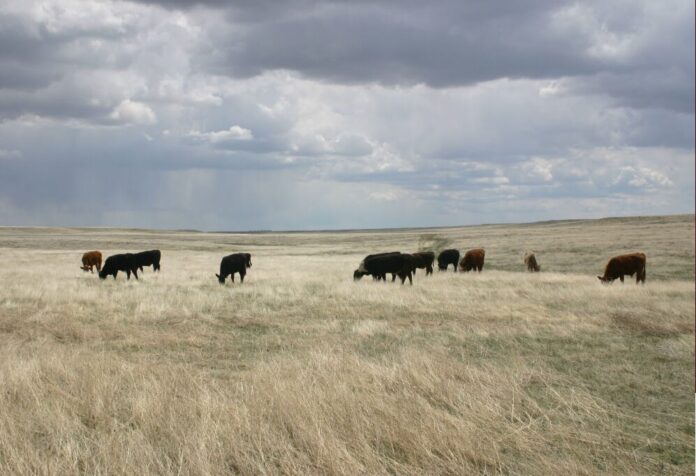
King Ranch, Inc., Houston, Texas, announced April 9 that it has acquired a 50% stake in CobaltCattle, the nation’s fourth-largest cattle feeding operation with six feedyards in Colorado, Kansas and Texas.

“We are excited about this opportunity and what it means for King Ranch’s long-term commitment to the beef industry,” said Robert Hodgen, CEO of King Ranch, Inc. “Cobalt Cattle is a clear leader in the cattle feeding sector with a highly seasoned and experienced management team. We look forward to leveraging our combined industry expertise while upholding our shared commitment to the highest standards of excellence.”

Strategic plan

The acquisition represents the next step in King Ranch’s long-term strategic vision to participate throughout various sectors of the beef industry, fortifying the entire value chain. An acquisition price was not disclosed.

“Our goal is to align with partners like Cobalt Cattle to consistently bring nutritious and delicious beef to the American consumer,” Hodgen said.

“We are proud to partner with King Ranch,” says Ejnar Knudsen, CEO of AGR Partners, Cobalt Cattle’s growth equity partner. “We are looking forward to continued success in the Cobalt Cattle business alongside an industry leader with a complementary strategic vision.”

“Cobalt Cattle looks forward to partnering with King Ranch and achieving the long-term benefits of working together while building an enduring legacy in the cattle industry,” says Joel Jarnagin, President and CEO of Cobalt Cattle. “King Ranch is well known and their desire to partner with Cobalt Cattle is a testament to the discipline and operational excellence the Cobalt Cattle team brings each day.”

Storied history

King Ranch has a long and storied history in the cattle business, including participation in some of the first cattle drives in the U.S., helping found industry associations such as the Texas and Southwest Cattle Raisers Association and developing the Santa Gertrudis breed of cattle.

Those same Santa Gertrudis genetics, crossed with Red Angus for over three decades, are uniquely bred to thrive in the harsh South Texas climate while delivering the high-quality, consistent eating experience that consumers have come to expect from U.S. beef.

Maximize garden space by growing vertically

0

K-State horticulture instructor says a vertical garden offers many benefits in addition to needing less space

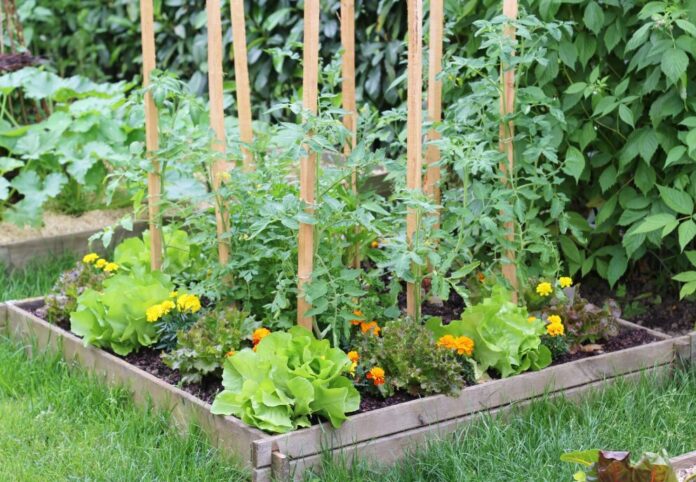
Kansas State University horticulture instructor Cynthia Domenghini says home gardeners can expand garden space by taking it to the next level…literally.

Domenghini said many crops can be grown vertically, including the more traditional tomatoes, pole beans and peas as well as vining crops such as cucumbers, melons, squash and gourds.

“Elevating plants off the ground increases the air flow which can help prevent disease,” Domenghini said. “Bringing the height of the produce up also makes harvesting easier.”

Domenghini recommends edible-pod and snow peas because those crops have longer vines and are therefore more appropriate for growing vertically than English (shelling) peas.

Bush-type vining crops produce short vines and are consequently less suitable for vertical growth. “Be mindful of crops that grow large fruit as they could damage the vine if grown vertically,” Domenghini said.

Supporting your vertical garden with a sturdy structure is also important. Domenghini suggests bamboo poles.

“Create a pup tent or A-frame structure by leaning two cattle panels or pallets together and securing them at the top. Alternatively, a single panel can be tied upright to T-posts for support. Plant vining crops at the base and train them to grow upward,” she said.

Domenghini and her colleagues in K-State’s Department of Horticulture and Natural Resources produce a weekly Horticulture Newsletter with tips for maintaining home landscapes and gardens. The newsletter is available to view online or can be delivered by email each week.