Thursday, February 12, 2026
Home Blog Page 456

Dividing Perennial Flowers

0
Some perennials may spread and take up too much space. Other perennials such as ornamental grass may develop a hole in the middle. This segment demonstrates the process involved in dividing perennials. Doing this every few years will help to rejuvenate them, and you can share the extra plants with friends.
Produced by the Department of Communications at Kansas State University. For more information, visit our website at: http://www.kansasgreenyards.org
Perennials are good plants because you can buy them once and they’ll grow for several years. However, after a few years you may see some changes in them. They may need to be divided so that they will stay vigorous. You may have patches where they are spreading and taking up too much space, so you’ll need to thin them. And, sometimes they’ll die out in the middle. So, if you rejuvenate them every few years, then you can keep that flowerbed looking as nice as when you first planted them.

Springtime is a good time to divide perennials because the roots can establish themselves quickly. They aren’t going through a lot of stress periods. Some plants such as iris and daylilies can be moved in July. Since they go through a resting period, the heat of the summer won’t bother them if they’re moved. But most perennials should be moved in the early springtime or fall to reduce stress for the plant.

Basically, you’re lifting the plants and dividing them into as many sections and you’d like or what is suitable. Mark the spot where the new plant will go, and dig up the soil. The plant should be set down at the same height, as it was earlier. It may need to be set slightly higher if the soil bed has been fluffed, which will settle over the season. So, you’ll need to make sure that the crown or growing point is at the proper location. For most perennials, it’s right at the soil level. However, peonies are usually set one or two inches below grade for ideal blooming periods.

Once you have your plant relocated in the ground, you’ll need to settle the soil by watering the plant. This will help settle the soil around the roots. And, some mulch around the plant will help hold moisture in the soil. It also keeps weeds down, and it helps to moderate the soil temperatures, as the plant is re-established. The mulch will also help in recovering from possible transplanting shock from being moved to a new location.

This feature story prepared with Gregg Eyestone, Kansas State University Research and Extension Horticulture Agent, Riley County. For more information, visit your local county extension office or visit our website at KansasGreenYards.org.

Hosta steps out of the shadows in 2024

0

Shining new light on a shady character

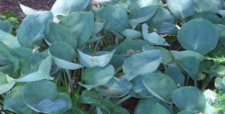
Perhaps no plant brightens a shady area more than hosta, said University of Missouri Extension horticulturist David Trinklein. The hardy perennial that thrives in shade is low-maintenance and easy to grow.

“It is little wonder, then, why hosta was selected by the National Garden Bureau as its Perennial of the Year for 2024,” said Trinklein. Its lush foliage comes in a variety of sizes, shapes, colors and variegation. Hosta is one of a few plants that brings attractive color to the shadiest of garden corners.

Horticulturists estimate there are more than 4,000 cultivars of hostas, he said. They range from miniatures such as “Baby Bunting” and “Tiny Tears,” which are several inches in diameter when mature, to giants such as “Sum and Substance” and “Emperor Wu,” with a height and spread of 48 inches.

Hostas usually fall into one of five categories based on height or leaf color, Trinklein said. These are dwarf, edger, ground cover, background and specimen-hostas of any height with colorful or unique leaves.

Leaf color varies between solid colors of green, blue and yellow, or variegated in any combination of these colors. Most variegated cultivars bear dark leaves with light or colored edges. A few cultivars are viridescent, changing from lighter to darker shades during the growing season. Others are lutescent and change from green to yellow. A very few change from yellow to white, a trait known as albescence.

Hostas also can be classified according to their leaf shape (strap, lance, egg, heart and circular) and leaf surface (flat, rugose, cupped-rugose, wavy undulate, contorted, piecrust or furrowed).

Like daylilies, hostas bear a compound inflorescence known as a scape. Individual flowers on the spike are lavender or white, depending upon cultivar. Some flowers are delightfully fragrant, adding further appeal to this attractive plant, said Trinklein.

Although most consider hosta a shade plant, relatively few cultivars thrive in deep, heavy shade. Most prefer several hours of morning sun followed by afternoon shade, or broken patches of dappled sunlight. Hostas’ aggressive roots compete well with the roots of most tree species.

Generally, blue-leafed cultivars need a shadier exposure. Green- and yellow-leafed cultivars can tolerate more sun. Most sun-tolerant cultivars will exhibit some leaf-edge burn if exposed to afternoon sun and Midwestern summer heat.

Some hosta cultivars take years to develop into a mature clump. Therefore, good soil preparation is a sound investment. Hostas prefer rich loam soil high in organic matter and slightly acidic. Good drainage also is important. Mix about 4 inches of organic matter deeply into the soil to prepare average soil. Well-rotted manure, compost, leaf mold or peat are good sources of organic matter. Plant in a 12-inch-deep hole that is 1 ½ times the cultivar’s mature diameter.

Divide dormant hostas for more plants, or buy established plants in nursery containers. To plant, remove the hosta from its container and free any tangled roots. Put the plant in the hole so that soil covers the roots at the same level as they were in the nursery container. Remember that soil settles when watered. If planting dormant divisions, soak the roots in water for about 30 minutes before planting. Always water thoroughly after planting.

Gardening experts disagree about the need to fertilize hostas. Some insist that most garden soils contain sufficient nutrients, making additional fertilizer unnecessary. Others maintain that hostas need more fertilizer. This group says to add a granular, complete fertilizer such as 12-12-12 or 5-10-5 early in spring, followed by two more applications about six weeks apart. Apply according to label directions and consider the cultivar’s stature and vigor. Do not fertilize hostas after mid-July. This could stimulate late-season growth and prevent the plant from hardening for winter, Trinklein said.

Hostas need about 1 ½ inches of water per week during summer. Burned leaf tips and drooping leaves are a telltale sign of too little water. If extra irrigation is required, water early in the morning to allow leaves to dry quickly.

Increase your hosta numbers by dividing the clump early in the spring when the shoots start to emerge from the soil. Most cultivars need about five years of undisturbed growth to establish the clump.

Slugs and snails typically chew small, round holes to feed on the leaves of plants. They leave a dried trail of slime as they move from one spot to another. Control slugs and snails by using poison baits containing measurol, metaldehyde or iron phosphate. Place pans filled with beer in the garden. Pests will crawl into the pan and drown. Deer also love hostas. Repellents, electrical fences, guard dogs and motion detectors control deer, to greater or lesser effectiveness.

Other than foliar nematodes, hostas are relatively disease-free. Hosta virus X (HVX) is a relatively new virus that has been getting a lot of publicity as of late, said Trinklein. Cultivars with light-colored leaves may show blue or green markings that usually follow the vein of the leaf into the surrounding tissue. This results in a mottled appearance. Leaves also may look lumpy or puckered.

Symptoms on cultivars with dark-colored leaves are harder to detect and may appear as light-colored mottling instead of colored streaks. HVX spreads by mechanically transferring from an infected plant to a healthy one, especially during propagation. There is no cure, and gardeners should rogue out infected plants, Trinklein said.

It is difficult to choose which of the 4,000 hosta cultivars to plant. Look for a cultivar that has won an award given by the American Hosta Society or the American Hosta Growers’ Hosta of the Year Award, said Trinklein. “Once considered a ‘green filler’ for shady areas, hostas are now the stars of shady landscapes,” he said.

Learn more about hostas on the American Hosta Society website at www.hosta.org.

K-State expert shares tips to keep Easter lilies blooming

0

Holiday favorite can continue to grow outside with proper care

Easter lilies, a traditional holiday symbol of hope and purity, may not yet be done for the year.

Kansas State University horticulture expert Cynthia Domenghini said that although Easter lilies are not reliably hardy in Kansas, a few simple steps can give them a chance to survive outdoors.

Those include:

  • After the flowers have faded, remove the flower stalk so that the plant’s energy doesn’t go toward making seed.
  • Keep the plant inside until the danger of frost is past. Keep soil moist, but never waterlogged. Don’t allow water to sit in the tray. Continue to fertilize.
  • The pot can be moved outside when frost is no longer a concern. Sinking the pot into the soil up to the brim and placing in dappled shade will help reduce watering. Continue to water and fertilize until the top growth dies down.
  • Choose a sunny, well-drained spot for planting. Good drainage is vital for lilies Incorporate organic matter, such as compost, into the soil to improve water holding capacity and drainage.
  • Plant the bulbs 6 inches deep and 12 to 18 inches apart and water well. Mulch to conserve moisture. New growth may appear later in the summer or the plant may stay dormant until the following spring.
  • Cover the plants in the fall after the foliage has died down with straw, pine needles, wood chips or other types of mulch to help protect the plant over winter. Use four inches of straw or three inches of any of the other materials.
  • Uncover the plants in the spring to allow new growth to appear, and fertilize according to results of a soil test.

Domenghini and her colleagues in K-State’s Department of Horticulture and Natural Resources produce a weekly Horticulture Newsletter with tips for maintaining home landscapes and gardens. The newsletter is available to view online or can be delivered by email each week.

Interested persons can also send their garden and yard-related questions to Domenghini at [email protected], or contact your local K-State Research and Extension office.

Managing a weed invasion in the home lawn

0

K-State expert urges proactive approach to preventing weeds

Fighting weeds in the lawn can be an all-season battle, but Kansas State University horticulture expert Cynthia Domenghini said preventive measures can be taken now to prevent a weed invasion later.

Below are common reasons why weeds invade lawns:

  • Improper mowing: Mowing too low and too infrequently thins the turf, allowing weeds to get started.
  • Improper watering: Frequent watering encourages weed seed germination, disease, thatch, and a shallow-rooted turf that is less competitive with weeds for soil moisture and nutrients.
  • Improper fertilizing: Fertilizing too much, too little or at the wrong time may benefit weeds more than grass.
  • Insect and disease Injury: Weeds rapidly invade lawns that are thinned by insects and diseases.
  • Compacted soil: Soil compaction is a hidden stress on the turfgrass root system. The grass is unable to compete effectively with weeds.
  • Excessive wear: Turf areas used for recreation and sports are subjected to wear and compaction.
  • Wrong kind of grass: The wrong kind of grass for the location will gradually decline and be invaded by weeds.
  • Environmental stress: Weeds often take over a lawn after it has been weakened and thinned from weather-related stress.
  • Thatch: Excessive thatch causes shallow-rooted grass and contributes to insect and disease problems.

Domenghini and her colleagues in K-State’s Department of Horticulture and Natural Resources produce a weekly Horticulture Newsletter with tips for maintaining home landscapes and gardens. The newsletter is available to view online or can be delivered by email each week.

Interested persons can also send their garden and yard-related questions to Domenghini at [email protected], or contact your local K-State Research and Extension office.

Compromise plan to address rural ambulance staffing challenges derailed by Kansas House

0

A compromise plan to address staffing challenges for rural ambulance service was tossed out last week by Kansas lawmakers, leaving in doubt how the Legislature will address the issue.

At issue is a regulatory requirement that ambulances operate with two medically credentialed attendants, which poses challenges for rural services.

“This is a bill that allows ambulances, particularly in rural areas, to move with only one EMT and one certified driver,” Rep. Fred Gardner, R-Garnett, said of Senate Bill 384. “Current regulation requires two EMTs. As we all know, rural health care is a problem. We’re short of people, and we struggle to keep our hospitals and our emergency medical services properly staffed.”

Gardner said the profession has lost workers in the wake of the COVID-19 pandemic. Additionally, services are stressed when ambulances need two EMTs to transfer a patient from a rural hospital to a metro area that can provide more specialized services.

After the League of Kansas Municipalities brought the bill request, legislators largely agreed that addressing the issue was necessary. But the House and Senate took different approaches that will likely have to be negotiated in a conference committee.

The plan favored by the Senate was touted as a compromise with industry professionals. The version favored by the House was derided as “dangerous” by Joseph House, executive director of the Kansas Board of Emergency Medical Services.

“SB 384 is not a policy the state of Kansas wants to enact,” House said in written testimony about the version of the bill favored by the House. “It unintentionally enables bad actors, unnecessarily places EMS providers at increased risk, and would prove to be nearly impossible to implement successfully.”

He urged lawmakers to support the board’s existing variance program, which is relatively new. The compromise language passed by the Senate would have authorized the board to grant permanent variances.

Rep. Stephen Owens, R-Hesston, didn’t like the idea of allowing but not requiring the board to grant variances.

“The board of EMS is being empowered to further regulate our EMS departments when what we need now is less regulation,” Owens said.

He urged the House to reject the compromise version of the bill. He blamed the problem on the state board and took issue with giving them more power.

“This codifies in statute a tremendous amount of authority in the board of EMS,” Owens said. “It’s important to understand that this problem exists because of decisions made by the board of EMS. It is a decision by the board of EMS to require two EMTs or higher certifications on ambulances. State statute only requires one.”

The version favored by the House would block the state board from requiring an ambulance in a city or county with a population of less than 50,000 people to have more than the statutory minimum.

Industry officials said that language appeared to eliminate the two-person requirement entirely, which could leave patients unattended in the back of an ambulance. If there were a driver, they wouldn’t have to have any specialized training in driving an emergency vehicle.

“The Kansas EMS Association understands and acknowledges there are struggles in the smaller counties and communities due to monetary constraints as well as the ability to recruit and retain volunteers and employees,” wrote David Adams, president of the Kansas Emergency Medical Services Association. “This bill will lead to unnecessary and needless suffering and deaths of our citizens.”

As reported in the Topeka Capital Journal