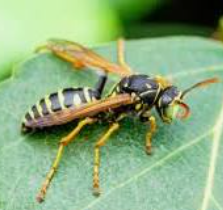
Deadly wasps in Kansas are far more complex than the dramatic stories that circulate every summer. While many people picture aggressive swarms or exaggerated stinging events, the reality of Kansas’s wasp species is rooted in ecology, physiology, and survival strategies shaped by the region’s prairies, farmlands, and river valleys. Kansas is home to several powerful wasps capable of delivering medically significant stings—including paper wasps, yellow jackets, hornets, potter wasps, and the imposing cicada killer. Their behavior is deeply influenced by heat, drought cycles, soil structure, and prey availability across the Great Plains.
Most “deadly” behaviors linked to wasps are misunderstood. Their potent venom, precise defensive strategies, and surprising intelligence contribute to an ecological role that often goes unnoticed. Yet these insects shape pollination networks, regulate pest populations, and influence biodiversity across Kansas ecosystems in ways most residents barely recognize.
Below are deep truths about deadly wasps in Kansas—insights that reveal their biology, venom, defense, and interactions far beyond the myths.
Kansas Hosts Multiple Wasp Species Capable of Delivering Dangerous Stings.
The State’s Hot Summers Amplify Wasp Activity
Kansas’s intense summer temperatures accelerate wasp metabolism, reproduction, and foraging. Higher temperatures cause colonies to expand rapidly, increasing the number of workers defending nests. This seasonal surge leads to more sting incidents—not because wasps become aggressive, but because human–wasp interactions increase dramatically.
Warmth strengthens pheromone signaling.
Colonies grow fastest in late July and August.
Yellow Jackets and Bald-Faced Hornets Are the Most Medically Significant
Yellow jackets build nests underground or inside voids, making accidental encounters common. Bald-faced hornets, meanwhile, construct large paper nests above eye level in trees. Both species possess potent venom capable of causing intense pain, swelling, and, in some individuals, life-threatening allergic reactions.
Their defensive responses are coordinated and fast.
These species contribute most sting-related medical visits.
Cicada Killers Look Scary but Are the Least Dangerous
Despite their intimidating size, cicada killers rarely sting humans. Their venom is designed for paralyzing cicadas, not for defense. Human stings occur only when females are grabbed or crushed.
Their appearance leads to unnecessary fear.
Behaviorally, they are gentle giants among wasps.
Kansas Wasps Use Highly Sophisticated Venom Anchored in Evolution
Venom Varifies Based on Species and Function
Yellow jacket venom contains enzymes, peptides, and neurotransmitter-like compounds that trigger immediate pain and prolonged swelling. Paper wasps have venom geared toward immobilizing caterpillars. Hornets produce venom intended for colony defense, creating systemic reactions when delivered in multiple stings.
The chemistry reflects each species’ ecological niche.
Venom complexity showcases evolutionary refinement.
Pain Is a Warning, Not a Killing Strategy
Pain-inducing venom keeps predators away from nests. It is not designed to kill large animals but to discourage repeat threats. Because Kansas hosts skunks, raccoons, birds, and rodents that raid nests, painful venom prevents constant predation.
Pain acts as a strong deterrent in prairie ecosystems.
Wasps rely on rapid warning more than lethal force.
Allergic Reactions Are Rare but Dangerous
True anaphylaxis is uncommon, but Kansas hospitals treat dozens of cases yearly. Reactions depend on individual immune sensitivity, not venom strength. Even a mild sting becomes dangerous if the immune system overreacts.
Awareness aids prevention.
Medical severity varies widely across individuals.
Many Deadly Wasps in Kansas Are Surprisingly Social and Highly Organized
Colonies Function as Superorganisms
Social wasps behave like a single coordinated entity. Workers, queens, larvae, and drones each perform specialized roles. Workers defend, forage, and repair the nest. Queens manage reproduction. Larvae influence adult behavior through pheromones.
This structure maximizes survival.
Social coordination drives colony success.
Chemical Communication Guides Every Action
Wasps use pheromones for alerts, recruitment, territory marking, and prey identification. When a nest is threatened, alarm pheromones spread through the air, triggering mass defense within seconds.
Kansas’s windy summers distribute these chemicals quickly.
This can escalate defensive encounters rapidly.
Social Hierarchy Reduces Internal Conflict
Queens regulate reproduction using pheromones. Workers perform age-based task schedules, shifting from nursing to foraging to defense as they mature.
This organization prevents chaos.
Stable hierarchy strengthens nest resilience.
Kansas Wasp Nests Are Engineered With Precision and Adapted to the Climate
Paper Wasps Build Open-Cell Nests for Heat Ventilation
Paper wasps create exposed umbrella-shaped nests that allow air flow—essential for surviving Kansas heat waves. Open cells help regulate larval temperature.
Nest engineering helps larvae survive extreme temperatures.
Climate shapes nest design.
Yellow Jackets Build Underground Fortresses
Kansas’s loamy and sandy soils allow yellow jackets to expand subterranean nests that remain hidden and insulated. These nests can house thousands of individuals by late summer.
Accidental encounters happen when people step near entrance holes.
Underground design creates effective defense barriers.
Hornets Create Complex Paper Spheres
Bald-faced hornets gather wood fibers and mix them with saliva to form durable nest walls. Their layered spheres protect colonies from predators, rainstorms, and temperature swings common in Kansas.
These nests show remarkable architectural precision.
Inner chambers remain stable despite external conditions.
“Aggressive” Behavior Is Usually Misunderstood in Kansas Wasps
Most Wasps Attack Only When Nests Are Threatened
Wasps do not randomly seek to sting. In nearly all cases, defensive behavior originates from perceived threats—a lawnmower coming too close, a branch shaking a nest, or a footstep near a ground entrance.
Human behavior triggers most defensive events.
Understanding nest placement reduces encounters.
Foraging Wasps Are Harmless
Wasps searching for food on flowers, fruit trees, or picnic tables pose minimal danger unless handled. Foraging individuals rarely sting because they are focused solely on collecting nectar or prey.
Stings rarely occur away from nests.
Foragers avoid conflict to save energy.
Late-Summer Wasp Behavior Is Driven by Nutrition
As colonies decline and natural sugars diminish, wasps seek carbohydrates aggressively. This leads to increased activity around human food and makes them appear more aggressive, though most still avoid conflict.
Nutritional stress alters behavior patterns.
This seasonal pattern leads to misunderstandings.
Deadly Wasps in Kansas Play Essential Ecological Roles
They Are Major Predators of Pest Insects
Paper wasps hunt caterpillars, beetle larvae, and crop-damaging insects. Yellow jackets consume flies, spiders, and scavenged carrion. Their predation helps control pest populations across Kansas farms and gardens.
Agricultural ecosystems rely heavily on these predators.
Wasp populations directly support crop health.
They Are Important Pollinators
Although overshadowed by bees, many wasps pollinate flowers while foraging for nectar. They move pollen across wildflowers, prairie plants, fruit trees, and native shrubs.
Their pollination contributes to biodiversity.
Kansas ecosystems benefit from this overlooked service.
They Maintain Scavenger Balancing
Yellow jackets remove dead insects and organic waste, reducing disease spread. Their scavenging accelerates nutrient cycling and maintains ecosystem health.
Wasps are vital cleanup agents.
Their overlooked role supports larger food webs.
Solitary Wasps in Kansas Are Mild-Mannered but Still Venomous
Cicada Killers Are Powerful Yet Peaceful
These enormous wasps dig tunnels in sandy soil to capture cicadas as larval food. Females sting only when directly provoked. Their venom paralyzes, not kills, and is weaker against humans.
Their size leads to exaggerated fear.
Behaviorally, they are calm and non-territorial.
Mud Daubers Are Shy Nest Builders
Mud daubers build cylindrical clay nests under eaves and inside sheds. They rarely sting because they have no colony to defend. Their venom subdues spiders for their larvae.
Mud daubers eliminate black widows and other spiders.
Their ecological contribution is substantial.
Potter Wasps Use Precision to Paralyze Caterpillars
These small wasps paralyze tiny caterpillars with surgical accuracy. They provision their young with encapsulated prey sealed inside mud vessels.
Their venom is highly efficient yet harmless to humans.
Solitary wasps represent a different behavioral spectrum.
Kansas’s Climate Strongly Shapes Wasp Life Cycles
Winter Kills All Workers—Only Queens Survive
After the first frost, workers die off, leaving mated queens to overwinter under bark, leaf litter, and sheltered crevices. This seasonal collapse resets wasp populations annually.
Cold extremes govern population resets.
Queens restart colonies each spring.
Drought Alters Nest Architecture
In dry Kansas summers, paper wasps and hornets adjust nest thickness to prevent larval desiccation. Moisture scarcity affects nest durability and brood success.
Climate-driven adjustments show wasp adaptability.
Weather plays a major role in survival rates.
Rainfall Influences Food Availability
Heavy rains increase caterpillar and insect activity, boosting wasp food supplies. Conversely, drought reduces prey and increases competition.
Climate cycles echo through wasp behavior.
Environmental patterns drive colony growth.
Wasp Intelligence Is Often Underestimated
They Recognize Faces—At Least Some Species Do
Paper wasps can differentiate between individual wasp faces, an ability rare among insects. This helps maintain colony stability by reducing internal conflict.
Recognition improves group cohesion.
Social memory supports nest security.
They Learn and Remember Food Sources
Wasps remember foraging sites, revisit reliable locations, and adapt based on prior experience. This contributes to their persistence around human structures.
Learning ability reflects advanced insect cognition.
Spatial memory aids survival.
They Evaluate Threat Levels Before Attacking
Wasps respond differently to mild disturbances, shadow movement, repeated vibrations, or direct nest contact. Their defensive reactions scale according to perceived danger.
This measured response reduces wasted energy.
Their behavior is more strategic than instinctive.
Human Activity Influences Wasp Danger More Than Venom Strength
Food Waste Attracts Wasps in Large Numbers
Leftover soda cans, meat scraps, fruit peels, and open trash bins draw yellow jackets and hornets toward human environments. This proximity increases sting incidents.
Proper waste management reduces encounters.
Food behavior shapes insect patterns.
Lawn Equipment Accidentally Disturbs Ground Nests
Mowers, trimmers, and heavy footsteps over hidden nests trigger rapid defense. Ground vibrations mimic predator attacks.
Awareness of nest locations reduces risk.
Most stings occur during yard work.
Construction and Habitat Disturbance Reduce Natural Nest Sites
Tree removal, soil disruption, and building expansion destroy suitable nesting areas, pushing wasps closer to human structures where conflict becomes more common.
Urbanization alters wasp distribution.
Coexistence requires better prevention strategies.
FAQs About Deadly Wasps in Kansas
Are wasps in Kansas truly deadly?
Most are not deadly, but allergic reactions can be life-threatening.
What species should people be most cautious of?
Yellow jackets and bald-faced hornets pose the biggest sting risk.
Are cicada killers dangerous?
No. They rarely sting and avoid confrontation.
Why are wasps more aggressive in late summer?
Food scarcity and colony stress heighten defensive behavior.
Do wasps benefit the environment?
Yes—through pollination, pest control, and scavenging.
Why do wasps attack in groups?
Alarm pheromones trigger coordinated defense.
How can stings be avoided?
Avoid nest disturbance, secure trash, and stay alert during yard work.
Do wasps return to old nests?
No. Only new queens overwinter, and they build fresh nests each spring.
Conclusion
Deadly wasps in Kansas are far more complex than their reputation suggests. Their venom chemistry, social structure, climate-driven behavior, and surprising intelligence reveal insects that are not mindless attackers but finely tuned ecological specialists. These wasps regulate insect populations, pollinate native plants, and maintain balance across Kansas’s prairies, towns, and forest edges.
Understanding their biology helps dispel fear and encourages safer coexistence. Whether flying low over prairie grasses or defending hidden nests beneath Kansas soil, these wasps embody a blend of danger, precision, and ecological significance that few people truly appreciate.