Tuesday, January 13, 2026
Home Blog Page 57

Ideas, advice to use pumpkins as more than just a jack-o-lantern

0

DIY fall season décor, recipes with pumpkins
Pumpkins are a big part of fall decorations and diet, so here are some ideas to help you best utilize them during the season, according to a Texas A&M AgriLife Extension Service expert.

Odessa Keenan, AgriLife Extension wellness initiatives coordinator for the Healthy Texas Program, Dallas, said pumpkins are a fall staple that can be utilized in décor and seasonal recipes. She offers some tips and suggestions for best using them for your Halloween decorations and fall recipes.

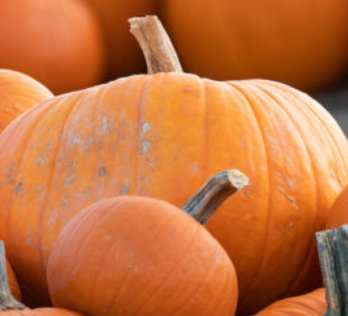
Pumpkins can be used in seasonal recipes or as fall décor option in so many ways, whether a jack-o-lantern, front porch decoration, fall table-scape arrangements, decoration around the fireplace or as props for family photos, Keenan said.

“There are many ways to maximize the usefulness of pumpkins,” she said. “They’re a big part of fall décor, including Halloween. They’re also a big part of many seasonal and holiday recipes. I try to find as many uses for them as I can.”

Pumpkin recipe ideas
Keenan said once the seeds and pulp are removed for use in food or drinks, they should be immediately refrigerated or prepared to avoid potential food safety issues.

“Once you carve a pumpkin and leave the pulp out for more than a couple of hours, you can assume it’s not good to eat,” she said.

Pumpkins can be used to make a host of seasonal treats and beverages, Keenan said.

Pumpkin puree is an easy way to utilize the pulp inside, she said. Puree can be used to make sweet treats like pies, parfait and cookies or savory snacks like hummus.

AgriLife Extension has a number of pumpkin recipes available through its Dinner Tonight program.

The puree should be stored in the refrigerator and will likely last around four days before spoiling, she said.

“How long it lasts in storage will depend on how fresh it was from the vine when you purchased it, its condition since and any potential for bacteria to exponentiate,” she said. “Canning the puree correctly can extend its shelf life up to four months.”

Keenan said pumpkin seeds can be a simple and healthy seasonal treat.

“Baking pumpkin seeds is yet another way to utilize the pumpkin,” she said. “You can experiment with different spice blends – savory, spicy and sweet – to find your family’s favorite, just be sure to watch for too much added sodium or added sugars.”

Prepping your pumpkin to cook or carve
Keenan does not recommend any chemical washes to prepare pumpkins for carving and pulp removal. Most pumpkins in retail settings are relatively clean for presentation, but some cleaning may be necessary when applying paint or other flare.

“Just make sure it’s cleaned under cool running water before cutting it,” she said. “It’s got a tough rind, so you could use a vegetable brush to clean the outside before you use it, if it’s excessively dirty.”

If you plan to use the pulp for cooking, make sure your hands, the carving area and tools are properly sanitized, she said.

Pumpkin carving safety
Carving jack-o-lanterns is a Halloween tradition, but safety should be a priority during carving and when using the seeds and pulp for seasonal treats, Keenan said.

“It’s surprising how many knife injuries there are from carving pumpkins each year because it seems obvious,” she said. “But knife safety and being conscience and cautious about how you carve is important because you can get caught up in the activity, and the next thing you know you’ve got a cut on your finger, hand or worse.”

Keenan said painting could be a better option for small children. Pumpkin carving kits can also provide less dangerous tools for the job.

When carving, always take your time and make controlled cuts, she said. Turn the pumpkin to cut away from your body and off-hand, and always be conscientious of where your off-hand is in relation to the blade.

“When pumpkin carving is a family activity, your mind can wander away from things like safety,” she said. “The pumpkin can be slippery. Sometimes the rind is difficult to cut through in some spots and surprisingly easy in others, and all these factors can lead to an injury.”

Extending a pumpkin’s life

Pumpkins last a fairly long time off the vine, she said. Their post-harvest life depends on where you get them, how long they’ve been sitting and how they are displayed. Using them outside in the weather or staging them with other organic matter like hay can speed up decomposition.

“The more items sitting together, being outside in elements, harboring moisture at the base or resting between two items is going to contribute to decomposition,” she said. “A well-drained area will prolong the life of the pumpkin, whether it’s carved or whole.”

Keenan said she’s seen pumpkins used to hold flower arrangements but suggests carving out just enough of the pumpkin to hold a vase. Arrange and water the flowers inside the vase to reduce the moisture levels inside the pumpkin and try to keep some space between the pumpkin and the arrangement.

Because pumpkins can have an extended post-harvest life, uncarved pumpkins used for Halloween décor could be used for fall cooking recipes going into the holidays, she said.

“If you buy a whole pumpkin and let it sit for weeks and it doesn’t show any signs of decay, you are probably fine to use the pumpkin meat,” she said. “Check for mushy or rotting areas, any sign of decomposition inside the pumpkin or a bad smell. Just check for anything that suggests decay.”

Composting pumpkin remains

However, when your pumpkin does ultimately decay, then adding pumpkins to compost piles is a good way to use the leftover organic matter, said Joe Masabni, Ph.D., AgriLife Extension, horticulturist, Dallas.

It’s best to either blend them up or let them dry and break the rinds up into as small of pieces as possible, he said.

“The smaller the pieces, the better, so it will break down and compost quicker,” he said. “Composting seeds and all can be fine, but you need to break them up as well, otherwise some may germinate in your compost pile.”

Saving seeds to plant

When you are done with your pumpkin this season, seeds can be saved to plant next year by laying them out flat to air dry on paper towels, Masabni said. They should be dried enough within 24 hours and then can be placed in a plastic bag and stored in the refrigerator or a cool, dry place. Mark the bag with the pumpkin variety and date.

“If they’re stored correctly, they can last at least five years,” he said. “Don’t heat dry them in an oven or in the sun because it’s like roasting them and could cause damage.”
Time to take plants indoors

0

As frost approaches, gardeners are tempted to dig up plants and place them in pots for use indoors. Too often, the results are disappointing as plants that flourished in the garden drop leaves and stop flowering indoors, said University of Missouri Extension horticulture specialist David Trinklein.

Saving an attractive plant is tempting, but consider several points before attempting to do so, Trinklein said. First, is there a suitable location in the home for the plant? Does the plant have sentimental value? Is it rare or expensive? Is it free of insects and diseases?

If the answer to these questions is “yes,” then your time and effort moving the plant might be worth it, he said.

On the other hand, if these are some of your reasons for saving a plant, you might want to reconsider: The plant is too attractive to let it freeze. You need a colorful plant in your home. You want to save it for next spring and plant it outdoors again. You want to give the plant to a friend as a gift.

“The fact is that many garden plants do not make good houseplants in any indoor location,” Trinklein said. Common garden annuals such as marigold, zinnia, celosia, and flowering vinca are all true annuals. They will not thrive indoors because the light is too poor, the night temperature is too high and the relative humidity is too low.

Flowering plants that are indoors, particularly those from the garden, need bright light in winter regardless of their light preference outdoors. Short winter days coupled with the poor light typical of most interior settings will prevent most annual garden plants from flourishing.

Supplemental (artificial) light is beneficial, but it will have its greatest impact if placed over plants growing with good light from a sunny window.

Night temperatures close to 60 degrees Fahrenheit promote the best plant growth. Most homes have their thermostats set higher than 60.

For those determined to save garden plants, Trinklein offers these suggestions:

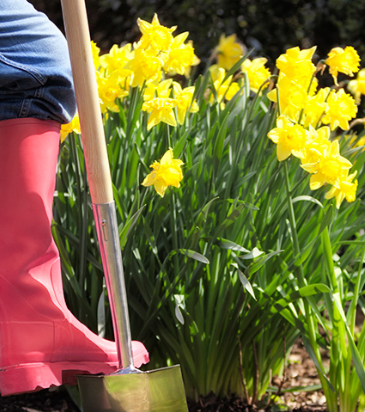
Lift the plant carefully from the soil and place it in a large pot. Plants may look small outdoors, but the complete root system may require a larger pot than you expect. The root system of that seemingly little plant in the garden might need an 8-inch pot.

Maintain a ball of undisturbed soil and roots as much as possible. Some root pruning along the sides of the soil ball usually is inevitable. But the more roots that are pruned off, the greater the shock to the plant.

Situate the plant in the pot at about the same depth it was growing in the garden. Fill around the existing root ball with a peat-lite potting mix. If there is no immediate danger of frost, keep the newly potted plant outdoors in the shade for a week or two to become adjusted to growing in a container. If the weather is cold, bring the newly potted plant into a cool room and place it by a bright window. For the first few days, cover the plant loosely with a plastic bag to increase the humidity around its leaves.

Gardeners who simply want to save a few garden plants for the next growing season may prefer taking cuttings, which require less space. Begonia, impatiens and geranium root readily from cuttings taken in the fall.

Should you let your lawn grow tall in the fall? Experts advise against it

0
Proper fall care will help lawn bounce back more easily next spring.

As fall temperatures settle in across Kansas, some homeowners may be tempted to let their lawns grow taller, believing longer grass can help protect turf during the cold winter months.

But Kansas State University horticulture expert Cynthia Domenghini cautions that this well-intended practice may do more harm than good.

Domenghini said the idea that tall grass provides insulation for the plant crown — the area where the stem meets the roots — has gained popularity in recent years. Yet, when grass blades are left too long, they can flop over, creating a matted layer that traps moisture and encourages the development of winter diseases.

“The best way to prepare turf for winter is to provide adequate care and ensure your plants are healthy,” Domenghini said “This requires care year-round, including fertilizing, watering and mowing.”

Homeowners are encouraged to follow mowing height guidelines specific to the type of turf they’re growing. For Kansas lawns, the recommended mowing heights (in inches) are:

  • Tall fescue: 2.5–3.5.
  • Kentucky bluegrass: 2–3.
  • Buffalograss: 2–3.
  • Bermudagrass: 1–2.
  • Zoysiagrass: 1–2.

“Mowing height can vary within each species depending on the time of year,” Domenghini said. “For example, warm-season grasses may be mowed taller in late summer and early fall to allow them to store more carbohydrates for the winter. That may also help to reduce the occurrence of cool-weather diseases.”

Even so, Domenghini emphasized that even seasonal adjustments should remain within the recommended range for each grass type.

Maintaining a consistent mowing schedule, even late into the fall, helps keep the lawn healthy, reduces thatch buildup, and minimizes disease pressure during the colder months.

Domenghini and her colleagues in K-State’s Department of Horticulture and Natural Resources produce a weekly Horticulture Newsletter with tips for maintaining home landscapes and gardens.

Interested persons can subscribe to the free newsletter, as well as send their garden and yard-related questions by email to [email protected], or contact your local K-State Research and Extension office.

Tips to make meal prepping work for every household

0

Start small: ‘It doesn’t have to be all or nothing’

Whether you’re feeding two people or six, meal prepping can be a valuable tool to save time, reduce food waste and meet your nutrition goals — as long as you find a system that works for your lifestyle.

Chelsea King, a nutrition, food safety and health agent with K-State Extension’s office in Johnson County, says successful meal prepping starts with a solid plan.

“Often, people feel overwhelmed because they try to create brand-new meals every time they cook,” King said. “Instead, start with go-to recipes that you and your family already enjoy. Once you have those, it becomes easier to build a meal plan around them.”

King encourages home cooks to try one new recipe each week to gradually expand their menus. And don’t forget to plan for snacks.

“Snacks are one of those things that are easy to overlook,” she said. “It’s tempting to grab a bag of chips, but with a little prep, you can have nutritious options like energy bites or cut-up fruits and vegetables ready to go.”

Before heading to the grocery store, King suggests checking your pantry, refrigerator and freezer.

“One of the biggest money wasters is buying items you already have,” she said. “Taking inventory before you shop not only saves money, it helps reduce food waste.”

King also recommends eating seasonally. “Seasonal produce is often more nutritious and flavorful,” she said. “It’s usually harvested at its peak and may have been picked just a day or two before you buy it at the farmers market.”

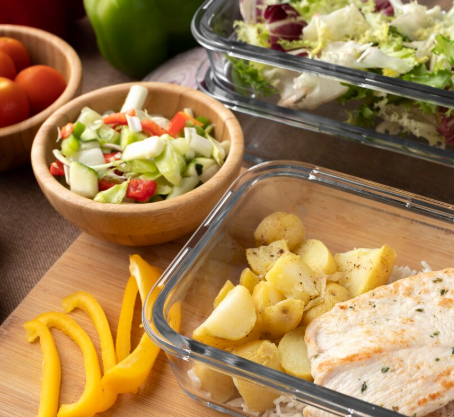
Batch cooking is another time-saver. “If you’re making rice, cook extra,” she said. “Roast more vegetables than you need for one meal, and use the leftovers in salads or breakfasts. It saves both time and energy.”

While meal prepping often conjures images of spending an entire Sunday cooking, King says it doesn’t have to be all or nothing.

“If one big prep day doesn’t work for you, break it into smaller sessions during the week,” she said. “Do what fits your schedule, whether that’s prepping every few days or just washing and chopping produce ahead of time.”

Food safety is a key part of any meal prep plan. King emphasizes the importance of clean workspaces, proper handwashing and using food-safe containers, especially for freezing meals.

“Don’t use old yogurt containers for freezer storage — they’re not designed for those temperatures,” she said. “Use freezer-safe containers and always label and date what you store.”

Meal prepping also helps in those inevitable life moments — a late meeting, traffic delay, or a sick child.

“Having emergency meals in the freezer keeps you from relying on expensive fast food,” King said. “It helps you stick to your nutrition goals and saves money.”

“Meal-prepping isn’t a one-size-fits all,” she adds. “Find what works best for you and your family. Start small and focus on preparing meals for one or two days, then add more based on your comfort and needs.”

“The overall goal of meal prepping is to be more efficient in the kitchen, meaning less time spent in the kitchen, and to have nutritious homemade meals all week long.”

For more tips on nutrition and meal planning, visit your local K-State Extension office or go to www.ksre.k-state.edu.

Spring Storms & Why Some Dogs Fear Them

0

Jenny Long
Columnist

As spring rolls in, so do the familiar sounds of thunder and rain. While many of us find those sounds soothing, our dogs often feel quite the opposite. Storms can stir up anxiety in dogs due to their sensitive hearing, sense of smell, and even how they react to static electricity or shifts in barometric pressure.
At our house, Brutus is always the first to know a storm is coming. Long before we see clouds, he’s pacing, panting, and licking the air—sure signs that thunder isn’t far behind. On the other hand, Scout couldn’t care less. For him, a storm is just another excuse to chase bunnies, dig under the shed, and track mud all over the house. Needless to say, the rainy season keeps us busy with mops and couch covers!
Why Are Dogs Afraid of Storms?
Experts say storm phobia can be caused by a combination of:
Noise sensitivity
Static electricity
Separation anxiety
Pressure changes in the air
Certain breeds, like Border Collies and Australian Shepherds, may even be genetically predisposed to fear loud noises.
Common Signs of Storm Anxiety
Watch for:
Pacing or hiding
Shaking or drooling
Panting, whining, licking the air
Destructive behavior or restlessness
What Can You Do to Help?
There are a few things you can try to make your dog feel more secure during a storm:
1. Create a Safe Space
Let your dog retreat to a quiet, cozy area where they feel secure—like a basement, closet, or under the bed.
2. Add White Noise
Soft music or white noise can help drown out thunder.
3. Try an Anti-Static Jacket
Products like the Anxiety Wrap provide gentle, comforting pressure and reduce static buildup.
4. Use Training Techniques
Counter-conditioning and desensitization can help change your dog’s reaction over time.
5. Consult Your Vet
If your dog’s fear is severe, your vet may recommend anti-anxiety medication or behavioral therapy.
In conclusion, storm anxiety can be stressful for pets and owners alike, but with patience, comfort, and the right tools, you can help your dog ride out even the loudest storms in peace.