Wednesday, February 4, 2026
Home Blog Page 4445

Cattle on Feed

0
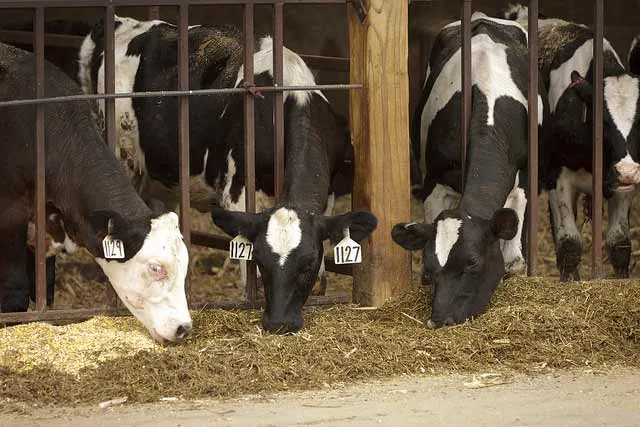
Photo credit: United Soybean Board

ISSN: 1948-9080


Released March 20, 2015, by the National Agricultural Statistics Service

(NASS), Agricultural Statistics Board, United States Department of

Agriculture (USDA).


United States Cattle on Feed Down 1 Percent


Cattle and calves on feed for slaughter market in the United States for

feedlots with capacity of 1,000 or more head totaled 10.7 million head on

March 1, 2015. The inventory was 1 percent below March 1, 2014.


Placements in feedlots during February totaled 1.52 million, 8 percent below

  1. Net placements were 1.46 million head. During February, placements of

cattle and calves weighing less than 600 pounds were 330,000, 600-699 pounds

were 270,000, 700-799 pounds were 388,000, and 800 pounds and greater were

535,000.


Marketings of fed cattle during February totaled 1.52 million, 2 percent

below 2014. February marketings are the lowest since the series began in

1996.


Other disappearance totaled 62,000 during February, 13 percent below 2014.


Number of Cattle on Feed, Placements, Marketings, and Other Disappearance on

1,000+ Capacity Feedlots – United States: March 1, 2014 and 2015

———————————————————————————–

:         Number           : Percent of

Item                 :—————————:

:   2014     :   2015     :previous year

———————————————————————————–

:   —- 1,000 head —-       percent

:

On feed February 1 …………………:   10,678       10,713         100

Placed on feed during February ………:   1,658         1,523           92

Fed cattle marketed during February ….:   1,549         1,516           98

Other disappearance during February ….:       71           62           87

On feed March 1 ……………………:   10,716       10,658           99

———————————————————————————–


Number of Cattle on Feed, Placements, Marketings, and Other Disappearance on

1,000+ Capacity Feedlots – United States: February 1, 2014 and 2015

———————————————————————————–

:         Number           : Percent of

Item                 :—————————:

:   2014     :   2015     :previous year

———————————————————————————–

:   —- 1,000 head —-       percent

:

On feed January 1 ………………….:   10,523       10,626         101

Placed on feed during January ……….:   2,014         1,789           89

Fed cattle marketed during January …..:   1,788         1,625           91

Other disappearance during January …..:       71           77         108

On feed February 1 …………………:   10,678       10,713         100

———————————————————————————–


Number of Cattle on Feed on 1,000+ Capacity Feedlots by Month – States and United States:

2014 and 2015

—————————————————————————————————

:                 :                 :               March 1, 2015

:                 :                 :——————————————–

State     : March 1, 2014 :February 1, 2015 :             : Percent of : Percent of

:                 :                 :   Number   :previous year :previous month

—————————————————————————————————

:     ————— 1,000 head ————–         —– percent —-

:

Arizona ……….:       272               247             243           89             98

California …….:       500               440             440          88           100

Colorado ………:       920               890             870           95             98

Idaho …………:       205               230             230         112           100

Iowa ………….:       670               650             660           99           102

Kansas ………..:     2,060             2,090           2,080         101           100

Minnesota ……..:       134               141             145         108            103

Nebraska ………:     2,470             2,500           2,490         101           100

Oklahoma ………:       270               265             275         102           104

South Dakota …..:       220              230             235         107           102

Texas …………:     2,470             2,490           2,450           99             98

Washington …….:       200               210             215         108           102

:

Other States …..:       325               330             325         100             98

:

United States ….:     10,716           10,713           10,658           99             99

—————————————————————————————————


Number of Cattle Placed on Feed on 1,000+ Capacity Feedlots by Month – States and

United States: 2014 and 2015

———————————————————————————————

:             :             :          During February 2015

:   During   :   During   :——————————————–

State     :February 2014 : January 2015 :             : Percent of : Percent of

:             :             :   Number   :previous year :previous month

———————————————————————————————

:   ———— 1,000 head ———–           —– percent —-

:

Arizona ……….:       28             30             19           68             63

California …….:       38             64             50           132            78

Colorado ………:     135           135           130           96             96

Idaho …………:       37             35             31           84             89

Iowa ………….:       86             90            85           99             94

Kansas ………..:     335           410           355           106             87

Minnesota ……..:       11             17             18           164           106

Nebraska ………:    430           505           390           91             77

Oklahoma ………:       43             50             42           98             84

South Dakota …..:       39             30             41           105           137

Texas …………:     410           350           285           70             81

Washington …….:       38             40             43           113           108

:

Other States …..:       28             33             34           121           103

:

United States ….:   1,658         1,789         1,523           92             85

———————————————————————————————


Number of Cattle Placed on Feed by Weight Group on 1,000+ Capacity Feedlots by Month –

States and United States: 2014 and 2015

—————————————————————————————-

:                           During February

:———————————————————————

State     :Under 600 lbs: 600-699 lbs : 700-799 lbs : 800+ lbs   :   Total

:———————————————————————

: 2014 : 2015 : 2014 : 2015 : 2014 : 2015 : 2014 : 2015 : 2014 : 2015

—————————————————————————————-

:                             1,000 head

:

Colorado ………: 30     25     25     25     35     35     45     45     135   130

Kansas ………..: 60     60     60     65     90     95   125   135    335   355

Nebraska ………: 65     60     90     65   105     95   170   170     430   390

Texas …………: 155   100     90     50   100     75     65     60     410   285

:

Other States …..: 80     85     65     65     88     88   115   125     348   363

:

United States ….: 390   330   330   270   418    388   520   535   1,658 1,523


:———————————————————————

:                           During January

:———————————————————————

State     :Under 600 lbs: 600-699 lbs : 700-799 lbs : 800+ lbs   :   Total

:———————————————————————

: 2014 : 2015 : 2014 : 2015 : 2014 : 2015 : 2014 : 2015 : 2014 : 2015

:———————————————————————

:                             1,000 head

:

Colorado ………: 45     30     45     25     50     35     50     45     190   135

Kansas ………..: 65     65     90     85   145   125   135   135     435   410

Nebraska ………: 75     65   115   100   165   140   190   200     545   505

Texas …………: 160   125     80     60     95     95     70     70     405   350

:

Other States …..: 125   125   105     70   104     79   105   115     439   389

:

United States ….: 470   410   435   340   559   474   550   565 2,014 1,789

—————————————————————————————-


Number of Cattle Marketed on 1,000+ Capacity Feedlots by Month – States and United States:

2014 and 2015

———————————————————————————————

:             :             :           During February 2015

:   During   :   During   :——————————————–

State     :February 2014 : January 2015 :             : Percent of : Percent of

:             :             :   Number   :previous year :previous month

———————————————————————————————

:   ———— 1,000 head ———–           —– percent —-

:

Arizona ……….:       27             23             19          70             83

California …….:       55             44             43           78             98

Colorado ………:     155           140           145           94           104

Idaho …………:       41            34             29           71             85

Iowa ………….:       74             78             74           100             95

Kansas ………..:     315           355           355           113           100

Minnesota ……..:       12             12             13           108           108

Nebraska ………:     375           450           385           103             86

Oklahoma ………:       36             39             30           83            77

South Dakota …..:       36             27             35           97           130

Texas …………:     360           345           315           88             91

Washington …….:       36             38            36           100             95

:

Other States …..:       27             40             37           137             93

:

United States ….:   1,549         1,625         1,516           98             93

———————————————————————————————


Other Disappearance on 1,000+ Capacity Feedlots by Month – States and United States:

2014 and 2015

———————————————————————————————

:             :             :           During February 2015

:   During   :   During   :——————————————–

State     :February 2014 : January 2015 :             : Percent of : Percent of

:             :            :   Number   :previous year :previous month

———————————————————————————————

:     ———- 1,000 head ———-           —– percent —-

:

Arizona ……….:       1             9             4           400             44

California …….:       3             5             7           233          140

Colorado ………:     10             5             5             50           100

Idaho …………:       1             1             2           200           200

Iowa ………….:       2             2            1             50             50

Kansas ………..:     10             15             10           100             67

Minnesota ……..:       1             1             1           100           100

Nebraska ………:     15             15             15           100           100

Oklahoma ………:       2             1             2           100           200

South Dakota …..:       3             3             1             33             33

Texas …………:     20             15             10             50             67

Washington …….:       2             2             2           100           100

:

Other States …..:       1             3             2           200             67

:

United States ….:     71             77             62             87             81

———————————————————————————————


Terms and Definitions of Cattle on Feed Estimates


Cattle on feed are animals being fed a ration of grain, silage, hay and/or

protein supplement for slaughter market that are expected to produce a

carcass that will grade select or better. It excludes cattle being

“backgrounded only” for later sale as feeders or later placement in another

feedlot.


Placements are cattle put into a feedlot, fed a ration which will produce a

carcass that will grade select or better, and are intended for the slaughter

market.


Marketings are cattle shipped out of feedlots to a slaughter market.


Other disappearance includes death loss, movement from feedlots to pasture,

and shipments to other feedlots for further feeding.


Reliability of Cattle on Feed Estimates


Survey Procedures: During January and July all known feedlots in the United

States with capacity of 1,000 or more head are surveyed to provide data for

cattle on feed estimates. During the other months, all known feedlots from 16

States are surveyed. The 16 States account for approximately 98 percent of

the cattle on feed in feedlots with capacity of 1,000 or more head.

Individual State estimates are published monthly for 12 of the 16 States.

Data collected from the remaining 4 States are used to establish the “Other

States” estimates. These 4 States include Illinois, New Mexico, Oregon, and

Wyoming. The “Other States” category represents all cattle on feed with a

capacity of 1,000 or more head for the rest of the United States.


Estimating Procedures: These cattle on feed estimates were prepared by the

Agricultural Statistics Board after reviewing recommendations and analysis

submitted by each State office. Regional and State survey data were reviewed

for reasonableness with each other and with estimates from the previous month

when establishing the current estimates.


Revision Policy: Revisions to previous estimates are made to improve month to

month relationships. Estimates for the previous month are subject to revision

in all States each month when current estimates are made. In February, all

monthly estimates for the previous year, and the number of feedlots and

annual marketings from two years ago are reviewed and subject to revisions.

The reviews are primarily based on slaughter data, state check-off or brand

data, and any other data that may have been received after the original

estimate was made. Estimates will also be reviewed after data from the Census

of Agriculture are available. No revisions will be made after that date and

estimates become final.


Reliability: Since all 1,000+ capacity cattle on feed operators in every

State are not included in the monthly survey, survey estimates are subject to

sampling variability. Survey results are also subject to non-sampling errors

such as omissions, duplications, and mistakes in reporting, recording, and

processing the data. The effects of these errors cannot be measured directly.

They are minimized through rigid quality controls in the data collection

process and through a careful review of all reported data for consistency and

reasonableness.

To assist users in evaluating the reliability of estimates in this report,

the “Root Mean Square Error” is shown for selected items in the table on the

following page. The “Root Mean Square Error” is a statistical measure based

on past performance and is computed using the differences between first and

latest estimates. The “Root Mean Square Error” for cattle on feed inventory

estimates over the past 24 months is 0.6 percent. This means that chances are

2 out of 3 that the final estimate will not be above or below the current

estimate of 10.7 million head by more than 0.6 percent. Chances are 9 out of

10 that the difference will not exceed 1.0 percent.


The table on the following page shows a 24 month record of the range of

differences between first and latest estimates for selected items. Using

estimates of number on feed as an example, changes between the first estimate

and the latest estimate during the past 24 months have averaged 54,000 head,

ranging from 0 to 97,000 head. During this period the initial estimate has

been above the latest estimate 20 times and has been below the latest

estimate 3 times. This does not imply that the initial estimate is likely to

understate or overstate final inventory.


Reliability of Monthly Cattle on Feed Estimates

[Based on data for the past 24 months]

————————————————————————————————————————–

: Root mean   : 90 percent :       Difference between first and latest estimate

: square error : confidence :         :         :         :               :

:             :   level     :————————————————————-

Item             :             :             :         :         :         :           Months

:             :             :         :         :         :——————————-

:             :             : Average :Smallest : Largest : Below latest : Above latest

————————————————————————————————————————–

:   percent       percent       ——– 1,000 ——-           —– number —–

:

Number on feed ……………:     0.6           1.0         54         0       97           3             20

:

Placements ……………….:     1.3           2.2         15         1       55           10             14

:

Marketings ……………….:     1.0           1.7         10         0       47           0               9

————————————————————————————————————————–


Information Contacts


Listed below are the commodity specialists in the Livestock

Branch of the National Agricultural Statistics Service to

contact for additional information. E-mail inquiries may be sent

to [email protected].


Dan Kerestes, Chief, Livestock Branch ……….. (202) 720-3570


Scott Hollis, Head, Livestock Section ……….. (202) 690-2424

Travis Averill – Cattle, Cattle on Feed …… (202) 720-3040

Sherry Bertramsen – Livestock Slaughter …… (202) 720-3240

Doug Bounds – Hogs and Pigs ……………… (202) 720-3106

Donnie Fike – Dairy Products …………….. (202) 690-3236

Mike Miller – Milk Production and Milk Cows .. (202) 720-3278

Evan Schulz – Sheep and Goats ……………. (202) 720-6147


Access to NASS Reports


For your convenience, you may access NASS reports and products the following

ways:


All reports are available electronically, at no cost, on the NASS web

site: http://www.nass.usda.gov


Both national and state specific reports are available via a free e-

mail subscription. To set-up this free subscription, visit

http://www.nass.usda.gov and in the “Follow NASS” box under “Receive

reports by Email,” click on “National” or “State” to select the reports

you would like to receive.


For more information on NASS surveys and reports, call the NASS Agricultural

Statistics Hotline at (800) 727-9540, 7:30 a.m. to 4:00 p.m. ET, or e-mail:

[email protected].

The U.S. Department of Agriculture (USDA) prohibits discrimination against

its customers, employees, and applicants for employment on the basis of race,

color, national origin, age, disability, sex, gender identity, religion,

reprisal, and where applicable, political beliefs, marital status, familial

or parental status, sexual orientation, or all or part of an individual’s

income is derived from any public assistance program, or protected genetic

information in employment or in any program or activity conducted or funded

by the Department. (Not all prohibited bases will apply to all programs

and/or employment activities.)

If you wish to file a Civil Rights program complaint of discrimination,

complete the USDA Program Discrimination Complaint Form (PDF), found online

at http://www.ascr.usda.gov/complaint_filing_cust.html, or at any USDA

office, or call (866) 632-9992 to request the form. You may also write a

letter containing all of the information requested in the form. Send your

completed complaint form or letter to us by mail at U.S. Department of

Agriculture, Director, Office of Adjudication, 1400 Independence Avenue,

S.W., Washington, D.C. 20250-9410, by fax (202) 690-7442 or email at
[email protected].

Honey

0
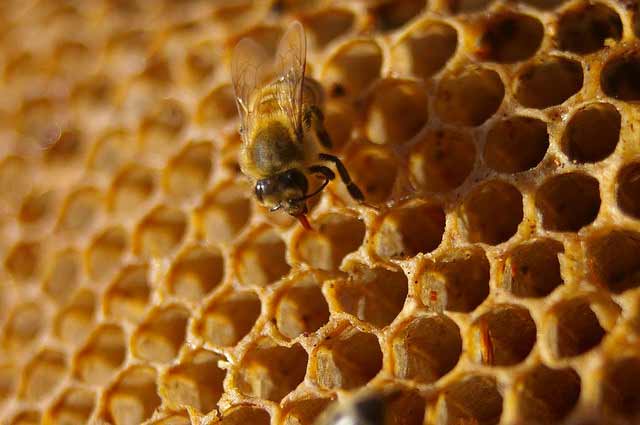
Photo credit: Peter Shanks

ISSN: 1949-1492


Released March 20, 2015, by the National Agricultural Statistics Service

(NASS), Agricultural Statistics Board, United States Department of

Agriculture (USDA).


United States Honey Production Up 19 Percent


Honey production in 2014 from producers with five or more colonies totaled

178 million pounds, up 19 percent from 2013. There were 2.74 million colonies

producing honey in 2014, up 4 percent from 2013. Yield per colony averaged

65.1 pounds, up 15 percent from the 56.6 pounds in 2013. Colonies which

produced honey in more than one State were counted in each State where the

honey was produced. Therefore, at the United States level yield per colony

may be understated, but total production would not be impacted. Colonies were

not included if honey was not harvested. Producer honey stocks were 41.2

million pounds on December 15, 2014, up 8 percent from a year earlier. Stocks

held by producers exclude those held under the commodity loan program.


Record High Honey Prices


Honey prices increased to a record high during 2014 to 216.1 cents per pound,

up 1 percent from 214.1 cents per pound in 2013. United States and State

level prices reflect the portions of honey sold through cooperatives,

private, and retail channels. Prices for each color class are derived by

weighting the quantities sold for each marketing channel. Prices for the 2013

crop reflect honey sold in 2013 and 2014. Some 2013 crop honey was sold in

2014, which caused some revisions to the 2013 crop prices.


Honey Price by Color Class – United States: 2013 and 2014

———————————————————————————————————–

:                                 Price

:———————————————————————–

Color class           :   Co-op and private   :       Retail         :         All

:———————————————————————–

:   2013   :   2014   :   2013   :   2014   :   2013   :   2014

———————————————————————————————————–

:                           cents per pound

:

Water white, extra white, white …:   210.9       204.0       340.9       327.1       212.9       205.6

:

Extra light amber ……………..:   204.0       208.4       330.6       381.8       209.0       215.8

:

Light amber, amber, dark amber ….:   197.3       207.7       405.1       423.4       219.2       232.3

:

All other honey, area specialties .:   222.4       251.6       492.5       525.2       248.9      305.2

:

All honey …………………….:   205.8       206.4       382.4       406.6       214.1       216.1

———————————————————————————————————–


Number of Colonies, Yield, Production, Stocks, Price, and Value – States and United States: 2013

[Producers with 5 or more colonies. Colonies which produced honey in more than one State were counted in

each State]

————————————————————————————————————

:   Honey     :   Yield   :               :               : Average :   Value

State       : producing   :   per   : Production   :   Stocks     : price per :     of

: colonies 1/ : colony   :               :December 15 2/ : pound 3/ :production 4/

————————————————————————————————————

:   1,000       pounds       —- 1,000 pounds —-         cents   1,000 dollars

:

Alabama …………..:       7         52             364             55         285           1,037

Arizona …………..:       29         36           1,044           251         196           2,046

Arkansas ………….:       22         60           1,320             66         202           2,666

California ………..:     330         33           10,890         2,505         211         22,978

Colorado ………….:       26         43           1,118           324         210           2,348

Florida …………..:     220         61           13,420         1,074         203         27,243

Georgia …………..:       67         50           3,350           637         226           7,571

Hawaii ……………:       13         83           1,079             65         197           2,126

Idaho …………….:       83         32           2,656         1,036        202           5,365

Illinois ………….:       7         48             336           101         419           1,408

:

Indiana …………..:       6         47             282             82         277             781

Iowa ……………..:       39         48           1,872         1,217         245           4,586

Kansas ……………:       6         46            276             39         250             690

Kentucky ………….:       3         41             123             17         325             400

Louisiana …………:       50         98           4,900           490         189           9,261

Maine …………….:       7         43             301             27         314             945

Michigan ………….:       85         55           4,675           982         216         10,098

Minnesota …………:     130         58           7,540         1,282         199         15,005

Mississippi ……….:       17         116           1,972             39         186           3,668

Missouri ………….:       10         47              470             85         262           1,231

:

Montana …………..:     159         94           14,946         5,231         209          31,237

Nebraska ………….:       46         60           2,760         1,628         207           5,713

New Jersey ………..:       11         44             484             34         419           2,028

New York ………….:       55         48           2,640         1,030         212           5,597

North Carolina …….:       10         38             380             84         367           1,395

North Dakota ………:     480         69           33,120         6,955         204         67,565

Ohio ……………..:       17         45             765           390         329           2,517

Oregon ……………:       62         35           2,170           456         239          5,186

Pennsylvania ………:       13         45             585           257         303           1,773

South Dakota ………:     265         56           14,840         6,381         207         30,719

:

Tennessee …………:       7         45             315             63         355           1,118

Texas …………….:     106         59           6,254         1,689         210         13,133

Utah ……………..:       30         34           1,020             92         209           2,132

Vermont …………..:       3         51             153             46         389            595

Virginia ………….:       5         35             175             42         450             788

Washington ………..:       69         39           2,691         1,023         230           6,189

West Virginia ……..:      6         46             276             83         366           1,010

Wisconsin …………:       59         60           3,540         1,558         238           8,425

Wyoming …………..:       47         66           3,102          558         211           6,545

:

Other States 5/ 6/ …:       33         39           1,295           186         383           4,960

:

United States 6/ 7/ ..:   2,640         56.6       149,499         38,160         214.1       320,077

————————————————————————————————————

1/ Honey producing colonies are the maximum number of colonies from which honey was taken during the year.

It is possible to take honey from colonies which did not survive the entire year.

2/ Stocks held by producers.

3/ Average price per pound based on expanded sales.

4/ Value of production is equal to production multiplied by average price per pound.

5/ Alaska, Connecticut, Delaware, Maryland, Massachusetts, Nevada, New Hampshire, New Mexico, Oklahoma,

Rhode Island, and South Carolina not published separately to avoid disclosing data for individual

operations.

6/ Due to rounding, total colonies multiplied by total yield may not exactly equal production.

7/ United States value of production will not equal summation of States.


Number of Colonies, Yield, Production, Stocks, Price, and Value – States and United States: 2014

[Producers with 5 or more colonies. Colonies which produced honey in more than one State were counted in

each State]

————————————————————————————————————

:   Honey     :   Yield   :               :               : Average :   Value

State       : producing   :   per   : Production   :   Stocks     : price per :     of

: colonies 1/ : colony   :               :December 15 2/ : pound 3/ :production 4/

————————————————————————————————————

:   1,000       pounds       —- 1,000 pounds —-         cents   1,000 dollars

:

Alabama …………..:       7         53             371             26       340           1,261

Arizona …………..:       26         39           1,014           193         202           2,048

Arkansas ………….:       21         65           1,365           137         200           2,730

California ………..:     320         39           12,480         2,995         203         25,334

Colorado ………….:       27         37             999           200         200           1,998

Florida …………..:     245         60          14,700         1,029         208         30,576

Georgia …………..:       73         62           4,526           362         219           9,912

Hawaii ……………:       15         93           1,395           140         228          3,181

Idaho …………….:     100         34           3,400           850         203           6,902

Illinois ………….:       8         49             392             94         441           1,729

:

Indiana …………..:       5         62             310           115         324           1,004

Iowa ……………..:       35         43           1,505           933         251           3,778

Kansas ……………:       7         75             525             84         233           1,223

Kentucky ………….:       5         47             235             56         393            924

Louisiana …………:       48         84           4,032           524         226           9,112

Maine …………….:       8         47             376             41         536           2,015

Michigan ………….:       91         63           5,733         1,835         250         14,333

Minnesota …………:     132         60           7,920         1,426         206         16,315

Mississippi ……….:       20         112           2,240             45         201           4,502

Missouri ………….:       12         47             564             96         357           2,013

:

Montana …………..:     162         88           14,256         5,132         205         29,225

Nebraska ………….:       50         75           3,750         1,688         210           7,875

New Jersey ………..:      12         30             360           119         298           1,073

New York ………….:       60         55           3,300         1,518         272           8,976

North Carolina …….:       12         43             516            88         347           1,791

North Dakota ………:     490         86           42,140         9,271         200         84,280

Ohio ……………..:       15         61             915           256         352           3,221

Oregon ……………:       71         40           2,840           767         219           6,220

Pennsylvania ………:       17         46             782           203         275           2,151

South Carolina …….:       9          54             486             19         383           1,861

:

South Dakota ………:     280         87           24,360         5,846         209         50,912

Tennessee …………:       7         63             441             88         323           1,424

Texas …………….:     116         78           9,048         2,081         223         20,177

Utah ……………..:       29         28             812           130         213           1,730

Vermont …………..:       3         58             174             61         503             875

Virginia ………….:       6        41             246             57         507           1,247

Washington ………..:       68         44           2,992         1,167         248           7,420

West Virginia ……..:       6         31             186             33         404             751

Wisconsin …………:       53         54           2,862         1,030         232           6,640

Wyoming …………..:       38         61           2,318           255         206           4,775

:

Other States 5/ 6/ …:       31         45           1,404           202         358           5,026

:

United States 6/ 7/ ..:   2,740         65.1       178,270         41,192         216.1       385,241

————————————————————————————————————

1/ Honey producing colonies are the maximum number of colonies from which honey was taken during the year.

It is possible to take honey from colonies which did not survive the entire year.

2/ Stocks held by producers.

3/ Average price per pound based on expanded sales.

4/ Value of production is equal to production multiplied by average price per pound.

5/ Alaska, Connecticut, Delaware, Maryland, Massachusetts, Nevada, New Hampshire, New Mexico, Oklahoma, and

Rhode Island not published separately to avoid disclosing data for individual operations.

6/ Due to rounding, total colonies multiplied by total yield may not exactly equal production.

7/ United States value of production will not equal summation of States.


Statistical Methodology


Survey Procedures: Data for honey producing operations are collected from a

stratified sample of all known producers with five or more colonies. NASS

Regional Field Offices maintain a list of all known honey producers and use

known sources of producers to update their lists. All sampled honey producers

with five or more colonies are mailed a questionnaire and given adequate time

to respond by mail or electronic data reporting (EDR). Those that do not

respond by mail or EDR are telephoned or possibly enumerated in person.

Prices are collected by color class and marketing channel.


Estimation Procedures: Sound statistical methodology is employed to derive

the estimates from reported data. All data are analyzed for unusual values.

Data from each operation are compared to their own past operating profile and

to trends from similar operations. Data for missing operations were estimated

based on similar operations or historical data. State offices prepare these

estimates by using a combination of survey indications and historic trends.

Prices for each color class are derived by weighting the quantities sold for

each marketing channel. Individual State estimates are reviewed by the

Agricultural Statistics Board for reasonableness.


Revision Policy: The previous year’s estimates are subject to revision when

current year’s estimates are made. Revisions are the result of late reports

or corrected data. Price revisions can be the result of additional sales

reported the following year. Estimates will also be reviewed after data from

the 5-year Census of Agriculture are available. No revisions will be made

after that date.


Reliability: Since all honey producing operations are not included in the

sample, survey estimates are subject to sampling variability. Survey results

are also subject to non-sampling errors such as omissions, duplication, and

mistakes in reporting, recording, and processing the data. While these errors

cannot be measured directly, they are minimized through strict quality

controls in the data collection process and a careful review of all reported

data for consistency and reasonableness.


To assist in evaluating the reliability of the estimates in this report, the

“Root Mean Square Error” is shown for selected items in the following table.

The “Root Mean Square Error” is a statistical measure based on past

performance and is computed using the differences between first and final

estimates. The “Root Mean Square Error” for honey producing colonies over the

past 10 years is 1.3 percent. This means that chances are 2 out of 3 that the

final estimate will not be above or below the current estimate of

2.74 million colonies by more than 1.3 percent. Chances are 9 out of 10 that

the difference will not exceed 2.4 percent.


Reliability of Honey Estimates

[Based on data for the past 10 years]

————————————————————————————————————————–

: Root mean   : 90 percent :       Difference between first and latest estimate

: square error : confidence :         :         :         :               :

:              :   level     :————————————————————-

Item             :             :             :         :         :         :             Years

:             :            :         :         :         :——————————-

:             :             : Average :Smallest : Largest : Below latest : Above latest

————————————————————————————————————————–

:   percent       percent       1,000     1,000     1,000         —– number —-

:

Honey producing colonies …..:     1.3           2.4           18       –         85         5               3

:

Honey production ………….:     1.3           2.4         1,095       –       4,796         4               4

————————————————————————————————————————–

– Represents zero.


Information Contacts


Listed below are the commodity specialists in the Livestock Branch of the National

Agricultural Statistics Service to contact for additional information. E-mail inquiries may

be sent to [email protected]


Dan Kerestes, Chief, Livestock Branch ………………………………. (202) 720-3570


Bruce Boess, Head, Poultry and Specialty Commodities Section ………….. (202) 720-4447

Alissa Cowell-Mytar – Cold Storage ………………………………. (202) 720-4751

Heidi Gleich – Broiler Hatchery, Chicken Hatchery …………………. (202) 720-0585

Michael Klamm – Poultry Slaughter, Turkey Hatchery, Turkeys Raised ….. (202) 690-3237

Tom Kruchten – Census of Aquaculture …………………………….. (202) 690-4870

Kim Linonis – Layers, Eggs ……………………………………… (202) 690-8632

Sammy Neal – Catfish Production, Egg Products, Mink, Trout Production .. (202) 720-3244

Joshua O’Rear – Honey ………………………………………….. (202) 690-3676


Access to NASS Reports


For your convenience, you may access NASS reports and products the following

ways:


All reports are available electronically, at no cost, on the NASS web

site: http://www.nass.usda.gov


Both national and state specific reports are available via a free e-

mail subscription. To set-up this free subscription, visit

http://www.nass.usda.gov and in the “Follow NASS” box under “Receive

reports by Email,” click on “National” or “State” to select the reports

you would like to receive.


For more information on NASS surveys and reports, call the NASS Agricultural

Statistics Hotline at (800) 727-9540, 7:30 a.m. to 4:00 p.m. ET, or e-mail:

[email protected].

The U.S. Department of Agriculture (USDA) prohibits discrimination against

its customers, employees, and applicants for employment on the basis of race,

color, national origin, age, disability, sex, gender identity, religion,

reprisal, and where applicable, political beliefs, marital status, familial

or parental status, sexual orientation, or all or part of an individual’s

income is derived from any public assistance program, or protected genetic

information in employment or in any program or activity conducted or funded

by the Department. (Not all prohibited bases will apply to all programs

and/or employment activities.)

If you wish to file a Civil Rights program complaint of discrimination,

complete the USDA Program Discrimination Complaint Form (PDF), found online

at http://www.ascr.usda.gov/complaint_filing_cust.html, or at any USDA

office, or call (866) 632-9992 to request the form. You may also write a

letter containing all of the information requested in the form. Send your

completed complaint form or letter to us by mail at U.S. Department of

Agriculture, Director, Office of Adjudication, 1400 Independence Avenue,

S.W., Washington, D.C. 20250-9410, by fax (202) 690-7442 or email at

[email protected].

City-wide garage sales April 25 in Benton

0
Crystal Hess

Benton will have its city-wide garage sales on Sat., April 25. They are held to correspond with the city’s annual “Benton Days” celebration, which includes a parade, food vendors and a 5K race.

CSP Renewals Accepted until March 31

0

USDA is offering a renewal option through March 31, 2015, for eligible agricultural producers and forest landowners with expiring Conservation Stewardship Program (CSP) contracts. The renewal process is optional but benefits CSP participants with expiring contracts because it is non-competitive.

Natural Resources Conservation Service Chief Jason Weller today announced that the U.S. Department of Agriculture is offering a renewal option through Tuesday, March 31, 2015 for eligible agricultural producers and forest landowners with expiring Conservation Stewardship Program (CSP) contracts. These producers must be willing to adopt additional conservation activities aimed at helping them achieve higher levels of conservation on their farms, forests and ranches.

USDA will also extend the deadline for general sign-up CSP applications until Friday, March 13, 2015 providing farmers, ranchers, and private forest managers two additional weeks to apply for this funding round of $100 million.

“CSP producers are established conservation leaders who work hard at enhancing natural resources on private lands,” Weller said.  “This contract renewal period will provide greater opportunities for these conservation stewards to voluntarily do even more to improve water, air and soil quality and enhance wildlife habitat on their operations.  By extending the deadline for general sign-up applications, we are ensuring that landowners will be able to take advantage of a program that will enroll up to 7.7 million acres this year.”

Changes in the 2014 Farm Bill will allow CSP participants with expiring contracts to renew them by exceeding stewardship thresholds for two or more existing natural resource concerns specified by the Natural Resources Conservation Service (NRCS) or by meeting stewardship thresholds for at least two new natural resource concerns such as improving water quality or soil health. NRCS administers CSP.

About 9,300 contracts covering more than 12.2 million acres are nearing the end of their five- year term and can be renewed for an additional five years. The agricultural producer or forest landowner must complete all conservation activities contained in the initial contract before a renewal can be granted.

The renewal process is optional but benefits CSP participants with expiring contracts because it is non-competitive.  In order to renew, an agricultural producer or forest landowner must meet the minimum criteria established by NRCS. Contract renewal also offers these agricultural producers and forest landowners an opportunity to add new conservation activities to meet their conservation goals and protect the natural resources on their farms, forests or ranches. The 2014 Farm Bill includes an expanded conservation activity list that offers producers more options to address natural resource challenges. New conservation activities include cover crops, intensive rotational grazing and wildlife-friendly fencing.

USDA’s largest conservation program by acreage, CSP pays participants for conservation performance — the better the performance, the higher the payment. Nearly 70 million acres have been enrolled in the program since its launch in 2009.

Along with the renewal option announced today, USDA announced last month that it will make available $100 million this year through the CSP in 2015.  Although CSP applications are accepted all year, farmers, ranchers and forest landowners should submit applications by the funding deadline, extended to Friday, March 13, to ensure they are considered for this year’s funding.  Applications should be submitted to local NRCS offices, and as part of the CSP application process, applicants will work with NRCS field personnel to complete a resource inventory of their land, which will help determine the conservation performance for existing and new conservation activities. The applicant’s conservation performance will be used to determine eligibility, ranking and payments.

USDA offers financial and technical assistance to agricultural producers or forest landowners for the active management and maintenance of existing conservation activities and for carrying out new conservation activities on working agricultural land. Eligible lands include cropland, grassland, prairie land, improved pastureland, rangeland, non-industrial private forestland and tribal agricultural land. Applicants must have control of the land for the 5-year term of the contract.

Agricultural producers or forest landowners with existing contracts scheduled to expire this calendar year and who wish to renew for an additional five-year term must submit an application indicating their intent to renew to their local NRCS office prior to the national application deadline of March 31, 2015.

To learn more about CSP contract renewals, visit your local NRCS office. Visit the Conservation Stewardship Program page for more information about this program.

The Affordable Care Act: What You And Your Doctor Need To Know If You Have Cancer

0
An online resource center can help cancer patients and physicians navigate the Affordable Care Act.

(NAPS)—If you have been diagnosed with cancer, the Patient Protection and Affordable Care Act provides new protections and access to health care services to help ensure that you receive high-quality cancer care. Insurance plans, for example, may no longer deny coverage to individuals with pre-existing conditions. The new law also eliminates cost sharing (or co-pays) for important preventive services, such as mammograms, colorectal cancer screening tests, and tobacco cessation interventions.

On the other hand, concerns are growing that certain health care exchanges no longer include certain cancer centers or oncologists in their provider networks—forcing some individuals with cancer to find other doctors with whom they are not familiar or who may not be located in their own communities.

The Affordable Care Act also includes provisions to cover individuals with low incomes through the expansion of the Medicaid program—but this coverage varies from state to state, and some states have elected not to expand their Medicaid programs.

To help patients and physicians navigate the new law, the American Society of Clinical Oncology (ASCO), the world’s leading professional organization representing physicians who care for people with cancer, has created the “ACA Resource Center,” a collection of online resources about the law and its impact on patients with cancer and patient insurance coverage.

“ASCO is committed to providing physicians and their patients with information and tools they need to adapt to health care changes resulting from the Affordable Care Act,” said ASCO President Peter Paul Yu, M.D., FACP, FASCO. “We hope that these resources will answer many of the questions they have regarding the law and its implementation.”

ASCO’s ACA Resource Center can be found at www.asco.org/aca. Additional ACA resources for patients can be found at www.cancer.net/navigating-cancer-care/financial-considerations/cancer-and-affordable-care-act.

For more information, please visit www.asco.org/aca.