Tuesday, February 3, 2026
Home Blog Page 4463

The Covered Dish: Jilly’s Baked Beans

0

This week we’re reaching for one of my favorite dishes, baked beans.  For many

many years I never attempted to write down a bean recipe.  Finally after

compliments from family and friends I started recording my ‘mixtures’.  The

reason I even state this is because to many of us having a recipe for baked beans

is just a bit of a joke.  Who ever heard of it?   When you make beans you just start

with a few of your favorite ingredients and start putting them together, right?

Not so fast, since I started working for Silver Dollar City in 2008 I have come to

realize that there can be ‘big’ differences in making a good bean recipe.

Flavor is always at the top of any ‘foodies’ list for a good dish, but in a bean dish I

think getting the right combination of beans is very important.  Tagging along

head to head with the bean combo is getting the liquid/sauce ratio in good form.

As you’ll read in the notes of my recipe, I despise runny baked beans.  The ones

that melt the cream salad and provide a liquid slide for the run-away deviled eggs.

The different styles of baked beans is as broad as corn casserole recipes.  I’ve

written Hawaiian Beans, Caribbean Beans, Mexican Beans, Down-Home Beans,

Cowboy Beans, BBQ Beans, Fruity Beans, Tootie Beans, (Ha, just had to slip that

one in.) Spicy Baked Beans and the list goes on and on and on.  There are no limits

as to what you can place inside a baked bean dish.

Let’s say its fall and you’ve been invited to a cook-out.  The host has asked you to

bring baked beans.  First and foremost look at the possible food styles of the

guests attending.  (IF you know.)  If there are some big time foodies then take the

plunge and take real creative liberties.  Should the party include mostly down-

home appetites, farmers or kids I suggest you do a more standard baked bean

dish.   With the fall theme I would consider reaching for some of the following

ingredients:  Fried Sausage, smoked ham, cooked bacon, apple butter, real maple

syrup, chopped apples, nuts, raisins and even squash.  What is one ingredient that

I think beans just must have?  Prepared mustard, or at least mustard in some

form.

Story time:

One time I was asked to bring a big pan of beans to the ‘Cox Family’ Fish Fry at

Gooseneck Bend Farm, formerly located in Platte County, Missouri.  I go trucking

in with a pan of beans that probably was ‘valued’ at around $20.   Oh yeah these

beans were packed with sausage, hamburger, onion, peppers and all kinds of

yummies.  Noticed I underlined the word ‘asked’.  Usually it’s a good idea to ask

the hostess what she needs at affairs of this nature.  Well; evidently I was the only

one who asked what I should bring.  There were probably 8-10 pans of baked

beans.  Some of the beans were even in commercial size pans.  Needless to say

we all came home with most of our baked beans.  I don’t like to freeze beans

unless I absolutely must.  I looked at Ervin, my husband, and said:  ‘Let’s put these

beans into a big pot of chili.”  To this day he still says it was one of the best pots of

chili I ever made.

Try experimenting with the newer ‘Ranch’ style beans in the black cans.  The rich

sauce these beans are packed with is delicious.  The ‘Ranch’ label originated in

Texas, so the beans have more of a southwest flavor.

As a connoisseur of great beans I will give you these parting words:  ‘A picnic just

isn’t a picnic without baked beans.’  I still remember the pan my mom baked her

beans in when we went to Nauvoo, Illinois for our annual fall picnic.  This was no

sandwich picnic, oh no!  This was fried chicken, cherry crème salad, baked beans,

potato salad, deviled eggs and homemade cake for dessert!  Spoiled, nope, just a

mom that showed her love through her incredible cooking.  I bet she never knew

what wonderful memories she was creating at the time.  Did I mention we had a

tablecloth and damp washcloths to clean our fingers?  (This was before ‘wet-

wipes.)  They were the best of times.

Simply Yours, The Covered Dish.  www.thecovereddish.com

Jilly’s Baked Beans

On a snowy day in 2015 my husband, Ervin, called home from work and said we’re

having a carry-in tomorrow and the dishes are to have dog related names.  Ervin

read the list and I thought baked beans would be a good fit.  You can figure out

your own ‘fun’ title from there. Personally I think they were desperate to have a

food day at work!

1 (15 ounce) regular can of VanCamp beans, drain excessive juices from beans

1 (28 ounce) can VanCamp Sweet Hickory beans, remove fat pieces

2 (15 ounce) cans Ranch Style Beans with Jalapenos, remove any excessive juice

1 1/2 tablespoons prepared mustard

1 pound, cooked/crumbled sausage

1/2 cup brown sugar

1/2 cup Hickory BBQ sauce

1 small-medium onion, chopped fine

Since I was a little girl one of my favorite dishes has been baked beans.  Writing

recipes for beans has been difficult because I just go to it and seldom record what

I put in the dish.  To this day I bet I have written at least 10 or more recipes for

baked beans.  I wanted to put chopped peaches in this dish, but didn’t have any

on hand at the time.  Often the key to good beans is choosing the right

combination of bean types & sauces.

I believe the key to good baked beans is cooking them long enough, so they don’t

run all over the plate.  My pet peeve is to have runny hot beans in my jello or fruit

salads!  These were baked at 375 degrees in a greased 9 x 13 pan for about 1 1/2

hours.  Allow to set before taking to the table.  Serves 8-12 persons depending

upon whether it’s a side or main entrée.

This recipe is dedicated to Jillian, our Welsh Corgi, who is a Rescue Dog.
Unexpected Guests?

0
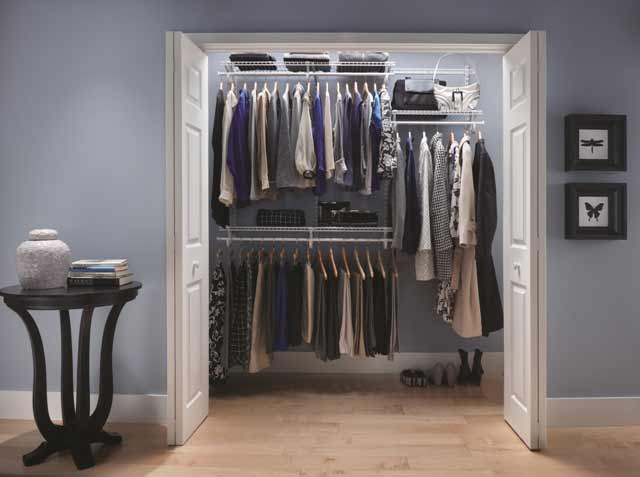
Photo caption: Organize guest areas with affordable wire kits from ClosetMaid.

Organizing tips for a guest-friendly home


(Family Features) You just heard that your mother-in-law is coming for an extended visit. Instead of freaking out because your guest room is currently being used as an oversized storage bin, take advantage of this opportunity to organize the space into a welcoming, comfortable haven for guests – in-laws or otherwise.


“Starting the project can be overwhelming, but don’t let that be a deterrent for tackling the job,” said Lorie Marrero, professional organizer and author of “The Clutter Diet.” “Take a look at the overall picture and make a plan of attack.”


You can create guest-friendly spaces with just a few simple tips:


Organize the closet. Get the most out of your guest space and look for closet solutions, such as affordable wire kits from ClosetMaid®. These simple storage options are easy to install, can be configured to maximize the available space, and start under $100 per kit. It’s the perfect weekend DIY project.


“Once you’ve created the layout that’s perfect for your needs, begin to fill the space, and don’t forget to leave some room for your guests’ belongings,” added Marrero.


Adopt a less is more approach. Sift through the clutter currently in the room – on shelves, in drawers and on the bed. Be vigilant about getting rid of what you don’t need in that room. If it’s packed up and you haven’t missed it, then chances are you won’t. Keep in mind that just because you have some empty space, doesn’t mean it needs to be filled.


Add pops of color. Marrero suggests organizing your shelves with colorful bins, such as ClosetMaid’s Fabric Bins. They tidy up the mess, add vibrant color, and, when combined with some fun items and photos, add personality to that lackluster bookcase or wall unit.


Your main goal is to create a space that is functional and makes any guest feel welcome. After transforming that guest room into an inviting oasis for your mother-in-law or whoever is in town, you may quickly realize it’s also a great retreat for you after their visit.


To find your perfect state of organization, visit ClosetMaid.com, StorganizationBlog.com or call 1-800-874-0008.

Source: ClosetMaid


Four Tax Filing Tips For Investors

0
Using the correct cost basis is key to accurately reporting and calculating a capital gain or loss.

(NAPS)—Having investments means reporting some additional information on your tax return, but it doesn’t mean you need a CPA. The step-by-step, easy guidance in digital tax filing solutions makes it easy for investors to prepare and file their own taxes with confidence.

“Simply knowing what investment information you need to report on your tax return from the start will save you time and money,” said TaxACT spokesperson Jessi Dolmage. “Knowing that will also help prevent you from overpaying or underpaying taxes on your investments.”

Be Prepared

Having all your forms and information beforehand makes tax time easier and faster for everyone, but especially for investors. Gather all your Form 1099-Bs from brokerages, other tax forms (W-2s, other 1099s, etc.), plus any documentation about your transactions.

If you’re still waiting for 1099s or other investment information, Dolmage recommends preparing as much of your return as possible now but wait to file until you receive it to avoid amending your return.

DIY tax filing solutions often import transactions directly from brokerages or provided data files. TaxACT also offers a spreadsheet-style entry tool for Form 1099-Bs for fast entry and review of up to 2,000 transactions.

Investors with a lot of transactions can also obtain Form 8949, Sales and Other Dispositions of Capital Assets, from their brokerage or a service that generates the form. Simply submit it with your return.

Double-check Your Form 1099s

Depending on how long you’ve held the asset and where it originated, your Form 1099-B may not list your cost basis and date acquired. If your cost basis and acquisition date aren’t on your Form 1099-B, you still need to report it on your return. Without a cost basis, proceeds are taxed as a capital gain.

Verify Your Cost Basis

The cost basis is the purchase price of an asset adjusted for stock splits, dividends, return of capital distributions and any other basis adjustments. Using the correct cost basis is key to accurately reporting and calculating a capital gain versus a loss, the difference between the asset’s sales proceeds and the cost basis.

Even if your cost basis is reported on Form 1099-B, check your investment records to verify that it’s correct. Your reported amount is based on the information available to your brokerage, which may not include all the data needed to calculate the true cost basis.

For instance, the sale of certain employer stock options may be reported on your Form W-2 and Form 1099-B. If you don’t adjust your cost basis for this, your sale may be taxed as ordinary income and as a capital gain.

To report adjustments to cost basis amounts on your tax return, enter the adjusted amounts and an adjustment code for each that explains the reason for the change.

Purchase Date Matters

Assets held for more than 12 months are considered long-term and benefit from reduced capital gains tax rates of 0 percent, 15 percent and 20 percent based on your tax bracket. Conversely, short-term gains for assets held for less than 12 months are taxed at ordinary rates.

Verify the asset’s purchase date before selecting the short-term or long-term reporting category for the transaction on your tax return. (Remember, the date acquired may not be on Form 1099-B.) Incorrectly reporting the term may result in overstating or understating your total tax liability.

Visit www.irs.gov for more investment tax tips, and www.taxact.com to learn how TaxACT makes tax time easier for investors.

Poultry Owners Should be Vigilant in Watching for Signs of Avian Influenza

0
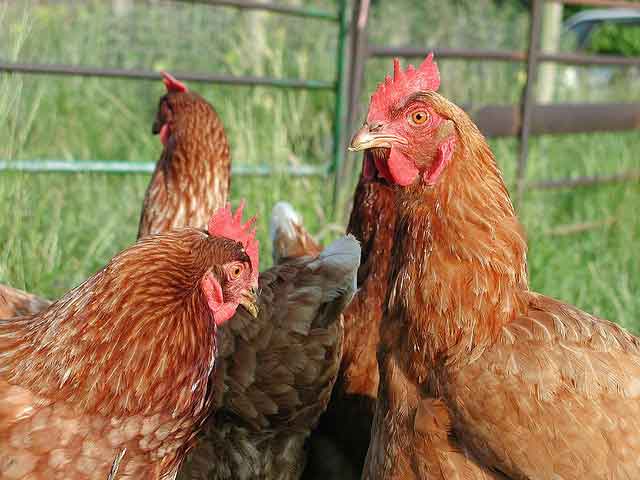
Photo credit: Andrew
Kansas State University animal scientist Scott Beyer is urging anyone who owns a small poultry flock to take steps to keep their birds safe in light of an outbreak of H5N2 highly pathogenic avian influenza that has been confirmed in Minnesota, Missouri and Arkansas.

K-State Research and Extension poultry specialist provides information about the disease.

MANHATTAN, Kan. — Poultry owners should be aware that there is currently an outbreak of the H5N2 highly pathogenic avian influenza (HPAI) associated with the migratory bird flyways in the United States, said Kansas State University animal scientist Scott Beyer.

The first problems were observed with small poultry flocks on the upper west coast, which were soon followed by infections on larger commercial poultry farms on the southern west coast.  Recently, infections have occurred in the central flyway, a migratory route which encompasses three provinces in Canada and 14 U.S. states, including Minnesota, Missouri and Arkansas, where the disease has been confirmed in turkey flocks.

“Migratory fowl move north and south all over the earth through flyways as they move from nesting and feeding grounds,” said Beyer, who is a poultry specialist with K-State Research and Extension. “When they comingle in these areas, the avian influenza virus can sometimes be shared between the birds, which then return to their respective flyways bringing new variants of the virus which may have originated from other continents.  Although this particular variant of the avian virus (H5N2) is more pathogenic than others, there have been no incidences of the virus spreading to other species or people. As is often the case, this virus has so far not been associated with actual disease symptoms in the migratory fowl so they should be considered potential carriers of the virus that is pathogenic to domesticated poultry.”

The safety of poultry meat and eggs is not an issue, Beyer said. This variant is the H5N2 strain of avian influenza and although it is harmful to birds, it has not been associated with a threat to people or the food supply. The commercial poultry industry in the U.S. routinely screens for all types of the avian flu in flocks and any positive flocks, even those with variants that are not harmful to birds or people, are not processed for food.


U.S. poultry industry routinely monitors for diseases

“Since viruses continually change form to avoid an animal’s immune system, the U.S. poultry industry does not allow any form of the virus to persist in commercial flocks unlike some other countries which allow the non-pathogenic viruses to persist in their flocks,” he said. “This reduces the risk of any virus from becoming more pathogenic thus harming birds and people or affecting our food supply. “

Small poultry flocks, gamebirds enterprises and commercial farms should be wary of potential exposure. Because it is thought that the virus has originated from migratory waterfowl as they move through their flyway, keeping them away from domestic poultry is most important. Many of these waterfowl likely visit local ponds for rest and feeding.

“If you have poultry near these ponds, you must eliminate all contact between them and your birds,” Beyer said. “This is especially important if you have your own waterfowl which could infect your poultry flock, but could also remain on the pond as other wild migratory birds stop by and then become infected by your birds.”

When these migratory birds feed in crop residues and farm ponds, they leave behind feathers and fecal matter that could carry the virus. Keeping yourself and pets away from these areas is crucial to reduce the chance of carrying the virus into your facilities, the K-State specialist said. Do what you can to encourage these birds to move away from your facilities so that you widen the clean zone around your farm as much as possible.

Gamebird operations with birds in netted flight pens are more vulnerable because migratory birds flying over pens could drop fecal matter and feather dander directly into the pens. Efforts to reduce anything that attracts feeding and movement of these birds around pens should be implemented.  Nets should be repaired to prevent birds and animals from entering as much as possible.

Starlings and sparrows should be considered vectors as well, at least until proven otherwise, Beyer said. With the spring season now here in Kansas, these birds are looking for nesting and feeding areas and may be persistent in trying to enter your facilities. Nests should be removed as they try to build them and you should work to keep them from entering as much as possible. Clean up all spilled feed indoors and out so they are not attracted. Move or eliminate bird feeders away from domestic poultry areas. Netting areas where they like to nest will also discourage them. If you have roosting pigeons and starlings in your barns, these birds will always be potential sources of all kinds of avian disease and they should be eliminated from the facilities.


Wild birds are not the only threat

“Rodents are also sources of diseases,” Beyer said. “They are nocturnal, so usually show up after dark to scavenge leftover feed and you may not even know they are there. You should control rodent populations as much as possible using rodenticides or with the help of an exterminator.”

Don’t leave feed accessible at night. Place all feed into rodent-proof containers or areas. Do not allow feeders to remain full of feed overnight. Either move the feeders out or feed only what the birds will consume before dark.

Beyer said that people, autos and farm implements can carry the virus from one farm to another. At this time, it is a good management practice to limit any contact with birds on other farms.

“You should also be aware of any areas that you are driving or walking through on the farm or ranch where migratory birds have congregated as mud and dirt can help move the virus,” he said. “A good way to clean up exposed items is by using a cup of bleach in a gallon of water to soak or rinse the items. Be sure to rinse off the bleach after treating because it can be corrosive.”


Monitoring your birds for symptoms

Producers should be aware of bird illnesses and die offs, Beyer added. The primary symptom of avian influenza in birds is typical of most flu symptoms, so look for respiratory distress like coughing, ‘rattling’ (a raspy sound made when they breathe), sneezing, swelling around the eyes, and flicking of the head. Death may happen quickly, even before any signs of illness are noticed.

The Kansas Department of Agriculture is monitoring poultry flocks for the virus in Crawford and Cherokee counties, which are closest to the most recent known infection in Missouri, and on March 12 established quarantine zones in those counties.

If you have a flock with signs of this illness in these areas, quarantine your poultry and contact your local veterinarian and the KDA Division of Animal Health at 785-564-6601.

Also, as part of the monitoring process, the KDA is developing a map of the location of backyard flocks in Crawford and Cherokee counties. Backyard flock owners are asked to self-report their flocks by contacting KDA at 785-564-6601. This will assist with notification if further developments occur in this disease outbreak.

“Biosecurity is the best way to prevent your flock from contracting the infection,” Beyer said. “Knowing how the disease spreads and using good biosecurity will be the best line of defense.”

For more information on biosecurity procedures contact the local K-State Research and Extension office and visit online resources on Kansas Avian Influenza issues for poultry at the Kansas Department of Agriculture and poultry flock health at the USDA website.

Bulldogs Hosting Annual SB Tournament

0
McPherson, Kan. – McPherson College is hosting their annual pre-Spring Break softball tournament this weekend.  The field includes teams from across Kansas, Nebraska, Oklahoma, Iowa, and Missouri.  The tourney is set for Friday and Saturday at Wall Park in McPherson.

Click here for the tournament schedule.