
In honor of Dr. Seuss’ birthday on Monday morning, kindergarten and first grade students at Bentley Primary made and sampled green eggs and ham. They also did charting and art projects as teachers read some of Dr. Seuss’ books to them.
Kansan: Former Halstead hospital staves off foreclosure
The Newton Kansan reports the former Halstead hospital and clinic were removed from a county foreclosure sale scheduled for last week, due to a court-issued stay. Records show back taxes are owed on the property going back to at least 2009.
Chronicles of The Farm Woman: Mental Health Association
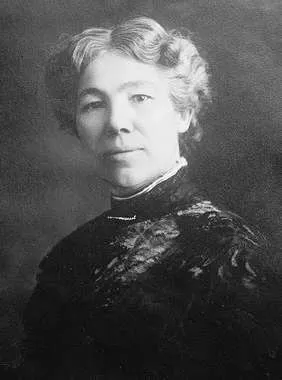
Informal meetings con-cerning mental health have been held in the county in the past year. Plans are now being made to form a Mental Health Association.
Recently a Mental Health Workshop was held in Topeka under the auspices of the Mental Hygiene division of the State Board of Health. Since Lyon County is in the process of organizing a Mental Health Association, it was a privilege for this writer to sit in on the workshop. Some observations may be of interest.
A sprinkling of laymen were in attendance along with psychiatrists, psychologists, social workers, judges, case workers, health officers and other professional people. For three days experiences were exchanged in prepared talks and in conversations.
What is a local Mental Health Association? What is the difference between a Mental Health Association and a Mental Health Center? A Mental Health Association is a group of citizens, interested in mental health, banded together to improve existing conditions. Anyone who has heard Judge Myers report on conditions that exist in this county will surely agree that something needs to be done.
A Mental Health Center is a legally constituted body with a staff consisting of a psychiatrist, a psychologist, a social worker, and a secretary. Often one or more professional persons may serve the Center on a part-time basis. No elaborate building or fixtures are needed.
Eight or ten counties in Kansas now have these Centers. Atchison County has had a Center for 20 years. In each case county commissioners appropriate funds and appoint a board to administer the Center.
The goals of a successful Center must be clearly defined and must lie within financial means available. It is remarkable what some counties are doing on a modest budget. Shall funds be used for individuals or for large community needs? Shall funds be used for preventive counseling with a long look ahead? Shall funds be used for research? Shall funds be used to acquaint the community with information about mental health.
Individuals may be chary about advocating research if it will require tax money. Yet research holds the key to the solution of many problems in the field of health and abundant living.
In Wellesley Hills, Mass., with a population the size of Lyon County, they have found that a Mental Health Clinic as part of the pre-school check-up, may reveal a problem child at a time when simple treat-ment and precaution may save more serious problems later on.
A County Mental Health Association should first of all, find out how well adjusted the citizens of this county are. It is important to learn what can and should be done by con-certed community effort.
Treatment is long and drawn out and expensive. Prevention may also be expensive. However, the end results of a preventive program carry rays of hope. The home, the church, the school, and all agencies of government are vitally concerned in the work of keeping well people from becoming sick. Mental health is everybody’s business.
The Covered Dish: Blueberry Scones
Most days I’m shouting how wonderful technology is. This weekend I was on the flipside of that coin. My column couldn’t get out this at the usual time due to ‘maintenance’ work with my carrier. Of course we made that ‘little’ call of concern to find they had sent out notices. I went through my old mail thinking I had overlooked this crucial piece of communication. When it got down to nuts and bolts the carrier was still using an old email address from about 13 years ago!
Ah Technology, it still can’t beat good ole’ verbal communication!
Let’s communicate about what I’ve been kicking around in the kitchen. I’ve got 2-3 recipes ready for everyone, but want to send them out when they match up better with the season. This week I’m working on a new pimento cheese recipe and continuing on a large portion of research. Research and lots of reading is what ‘hopefully’ keeps me in the groove to properly answer questions from guests and readers.
This weekend I had a ladies ‘jewelry’ party in our home right in the middle of a snowstorm! So, everyone wants to know what I served, right?
I set a nice table and used dishes and real linens. It was a morning event so we had muffins, banana bread, toasted pecans, fresh fruit, yogurt, juice and coffee. I enjoy good food, but I also enjoy simplicity. One of my friends asked if they couldn’t use a PAPER TOWEL instead of my good linen napkins. I was a tad shocked because I adore linens and try to use them as often as possible. Sure, I use paper napkins but when I set a table and have guests or family, its linen. Look at it as something nice to do for yourselves. It’s also more economical in the long run. Since I’m on the ‘linen’ talk let me give a few easy tips. Look for napkins you don’t have to iron. Kohl’s carries a line that I pick up following the close of specific holidays (sale time). For barbecues and casual affairs try investing in fingertip towels. Purchase napkins that are in standard colors which will work year round, i.e., white, red, green and maybe one other.
Since we’re on linens, let’s go on to tablecloths. I have picked up some of my ‘fun’ tablecloths at flea markets. Usually I go for solids and seasonal colors. You can also make tablecloths for very little money. If you have a sewing machine this is an easy endeavor. Again, purchase seasonal tablecloths after holidays conclude for the following year. If you entertain a great deal it’s also good to keep (2-4) 8-foot white tablecloths in your linen collection. This is so much cheaper than buying tablecloths. Years ago I started making lots of 54 x 54 inch square toppers in seasonal prints. These will work on card tables or as a topper over a solid tablecloth. Remember quilts and some blankets make phenomenal tablecloths. My friend, Sharon, taught me to cover the eating portion with a nice white linen in order to protect the quilt. If you’re making your own tablecloths make sure to purchase something with ‘some’ polyester content. Especially if you’re a church or organization investing in a large amount. It’s not so bad to iron a few little toppers but when it’s 20 tablecloths we’re talking lots of time.
You may recognize my recipe this week. It was used earlier this year and I’ve just changed it slightly for an upcoming tea party. Scones truly can be moist if the baker is attentive and doesn’t try to do too many things at once. This recipe has never let me down. In the instructions you will note how I indicate the importance of NOT letting the scones touch each other. This allows the scone or biscuit to seal the outer edges and the baked good doesn’t dry out as fast. Also if you use small frozen blueberries they don’t turn the dough blue!
At our house we’ve been eating lots of soft food for our son, Phillip, who just got braces. The tops are on and unless you looked real hard you wouldn’t even notice them. Phillip is just now starting to eat things that involve real chewing.
Have a wonderful week, maybe we will survive this week without any snowstorms or ice showers! Embrace the day. Simply yours, The Covered Dish.
Blueberry & Almond Scones
2 cups all-purpose flour
1/3 cup sugar
2 tablespoons baking powder
1/2 teaspoon salt
1 teaspoon almond extract
1/2 cup cold butter
1 egg, beaten
2/3 cup buttermilk
1 cup small frozen blueberries
1/4 cup chopped sliced almonds
Glaze
1-2 tablespoons white chocolate chips
2 tablespoons butter
2 cups powdered sugar
5 tablespoons half & half, or more if desired thinner
Bake at 400 degrees, approximately 15-20 minutes.
Cut biscuit size of about 2 inch diameter, yields 13. For tea events make scones smaller in size. As you set the scones on the baking sheet keep the scones far enough apart so the edges get ‘sealed’ in the baking.
Remove as soon as possible from the baking sheet. Allow to partially cool before putting on the glaze. Actually dip the scone in the glaze sauce and set on additional parchment to set. May certainly brush the glaze onto the scone versus the dipping. By glazing the scone we are again sealing the baked good and keeping it from drying out when exposed to air.
