Saturday, March 28, 2026
Home Blog Page 10

Forage feeding and soil fertility

0

Mid-February. The “interface” of feeding hay from last season while in various stages of fertilizer applications for this season. Completely unrelated? Not as much as you might think.

If you’ve ever pulled soil samples from hay ground and pasture adjacent to each other, it’s not uncommon for nutrient levels to be higher in the pasture than in the hay ground—even when fertilizer application levels might be greater in the hay ground. The reason is most often tied to utilization. In hay fields, we apply nutrients and remove most of it in hay. In pastures, it’s often recycled—at varying degrees depending on what animal is utilizing it—through the animal, resulting in more stable soil test levels in pastures while hay field levels decline.

Beyond nutrient cycling, another potential factor impacting soil test levels occurs when pastures also become winter feeding sites. The U.S. Department of Agriculture’s researcher Alan Franzluebbers wrote in a recent Hay and Forage Grower article the importance of understanding how often concentrated feeding areas can affect soil test results from the high soil test phosphorous and potassium levels in these zones. It often means altering testing protocols on these pastures to get accurate results.

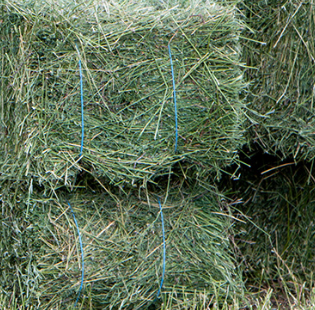
Where do those nutrients come from? Often from that hay we fertilized in the last couple of months. A team of University of Missouri scientists attempted to quantify the fertility contribution of a fertilized cool season forage in a publication entitled Calculating Fertilizer Value of Supplemental Feed For Cattle On Pasture. They found that a ton of 12.5% protein hay provides about 10 pounds of nitrogen, 12 pounds of phosphate, and 35 pounds of potassium. Depending on the amount of hay fed—and the distribution across the feeding site—it could be a substantial supplement to synthetic fertilizer also being applied.

What does that mean for pasture fertility? For starters, caution needs to be taken when soil sampling fields where winter feeding occurs, so results are an actual accurate representation of the field as a whole. Second, we may also have an opportunity to use managed feeding to utilize the fertilizer we’re applying to a hay crop this year to help increase pasture fertility levels next year.

It’s not a simple task—or in some cases even possible—to adjust feeding sites this way, but it could be a consideration for shoring up sites suffering from poor fertility levels.

David Hallauer is a district Extension agent for crops and soils with K-State’s Meadowlark District.
Cancer rates are rising in western Kansas. K-State is helping community members address the issue

0

When residents of three western Kansas counties raised concerns about rising cancer rates and potential environmental cancer risks in their communities, Kansas State University researchers responded with research and collaboration that led to results.

A project led and funded by K-State’s Johnson Cancer Research Center has been studying and testing groundwater contamination in private wells and radon levels in homes in Russell, Ellsworth and Lincoln counties since March 2024. The project was initiated from residents’ concerns about increasing cancer rates in these counties, including colorectal cancer in Russell County and prostate and lung cancers in Lincoln County.

Now that the initial research phase has concluded, the researchers have identified results and implemented strategies to help reduce cancer risks and promote community health.

Innovation with integrity

Ryan Rafferty, interim director of the Johnson Cancer Research Center and associate professor of chemistry, is leading the research team alongside collaborators in geology, public health, environmental science and K-State Extension.

As part of the project, community members could volunteer to have K-State researchers test their homes for radon at no cost. Rafferty said the radon testing results have been a significant concern, prompting the need to install radon mitigation systems.

“The radon tests were off the charts,” Rafferty said. “It was concerning to see what the levels were, but luckily, once we got mitigation systems into about 90% of the houses tested, they were back down to safe levels. Anyone who wanted help received it.”

Private well water testing across the three counties, also conducted voluntarily, found elevated mineral levels that may also pose health risks, Rafferty said, and improved water filtration systems could help reduce the public’s exposure.

Putting people first

Jessica Kootz is a family and consumer sciences specialist in Ellsworth for the K-State Extension Midway District. As a dedicated catalyst for improving community health, she has been a strong advocate and partner for the project.

“Sometimes a lot of our focus is just on healthy living, but healthy living can run a lot deeper,” Kootz said. “With this project, one of the focuses was, if there is something in the ground that’s contributing to our health, how long has it been there? What we’re doing to our environment today might not affect us, but it could affect generations to come.”

Kootz helped coordinate town halls in Ellsworth, Lincoln and Russell counties for residents to learn more about the project and how they could participate in research efforts.

During follow-up town hall meetings, the researchers shared anonymized results of their findings with community members for their awareness.

“The people in these counties are hungry for knowledge,” Rafferty said. “They want to know what is happening in the ground that they farm and live on.”

Living K-State’s land-grant mission

The project reflects K-State’s land-grant commitment to addressing real-world health challenges, Rafferty said, helping to provide not only education, but also education for Kansans’ quality of life. The group is working on the next steps to continue the project and implement additional mitigation efforts.

“We are working to rebuild the team, as both professors who started this great work have retired,” Rafferty said. “The team is excited to return to these communities, continue to provide results and build connections so that the community members can continue to feel like their voices are being heard.”

With the anticipation of additional funding from the Johnson Cancer Research Center and potential support from other entities, the team could expand water and radon testing to more homes, he said.

“We are living our land-grant institution’s mission,” Rafferty said. “That’s why it was so important for us to get out there with the center’s mission for fighting cancer. Radon is a big cause of cancer, and we’re happy that we can mitigate it in so many homes in that area, and we look forward to helping many others.”

“Every single person in this wonderful state of Kansas deserves to live a healthy and long life,” he said.

The project team also includes Shreepad Joglekar, professor and head of the art department, who is documenting the daily lives of community members through photography and video interviews for the project “Surveying the Invisible: Cancer and Research in Kansas”; Helene Avocat, visiting assistant professor in geography and geospatial sciences; Luke Romang, a 2025 graduate in geology; Karin Goldberg, adjunct professor of geology; Matt Kirk, professor of geology; and Sherry Fleming, former director of the Johnson Cancer Research Center.

Pollinators: Patience pays off

0

Plants and insects are still sleeping

Don’t get too anxious about cleaning your yard for spring, says Gwen Funk, University of Missouri Extension field specialist in horticulture.

“Warmer temperatures may entice you to rake leaves, trim back flower stems or remove mulch, but both plants and insects are still sleeping and are not fooled by mother nature’s teasing temperatures,” she says.

Hold off on spring cleanup until temperatures are consistently above 50 degrees Fahrenheit. Many native bees, butterflies and moths overwinter in dead in plant stems, in leaf litter or just below the soil surface, waiting for warmer weather.

Until then, Funk offers these suggestions for maintenance on warm days:

Rethink your attitude toward leaves

Too many leaves on your lawn can smother the grass, but it is OK to have 10%-20% of your lawn covered with a thin layer of leaves. These leaves will decompose and add nutrients to your soil.

Gently rake excess leaves and move them to your flower beds for a free source of mulch. Leave the leaves intact since shredding them may destroy hibernating critters.

Gently move the leaves around the base of the trees. Don’t pile the leaves directly around the trunk. If space allows, pile leaves in an outlying location to decompose naturally. In a year or so, you will have nutrient-filled mulch. If possible, do not send leaves to the landfill.

Old flower stems are OK

Many beneficial insects and pollinators are still developing in the hollow stems of your flowering plants. It is fine to trim the old flowering heads of plants, but do not cut the stems down to the ground. Cut them at varying lengths of 12 to 18 inches to accommodate the nesting bugs. Cutting the stems back a bit will expose a cavity that early emerging pollinators will find and use.

As the season progresses, new growth will cover these dead stems and hide them. Eventually, they will break down and release their nutrients back into the soil.

No-mow April

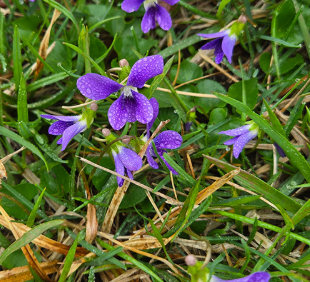
Delay mowing as long as possible to allow early spring flowers such as violets and clovers to bloom and provide crucial early food sources for pollinators. Consider breaking up your green carpet of lawn and adding low-growing flowers to provide nectar and pollen for pollinators. Even dandelions can provide some nutrients for these early-emerging pollinators.

Do not mow the lawn until there is at least 3 inches of new growth. Roots of the cool-season grasses are being established, and they need vigorous top growth to support good root development. A mowing height of 3.5 to 4 inches is critical at this time to discourage weed invasion and to support good root establishment. If weeds become an issue, try to use mechanical (hand pulling/hoeing) and cultural (correct mowing height) methods. Avoid using pesticides during this time. If pesticides are necessary, spot-treat the weeds, and use when pollinators are not as active (evening hours). Be sure to accurately identify the weed and follow all pesticide label recommendations.

Modify your landscape

Spring is a good time to think about new plants for your landscape. Remember to add diverse layers of habitat and try to include plants that create a variety of blooms from February to October.

There are many native plants you can add to your flower garden. You might also consider “green mulches” or native plants that grow 6 inches or less as a ground cover. Choose plants recommended for your USDA plant hardiness zone and are appropriate for your soil and light conditions. Remember to leave some bare ground for nesting bees and to create small brush piles for shelter.


Spring into houseplant care

0

After months of low light, dry air, and slow growth, March finally brings the shift your houseplants have been waiting for. This is the perfect moment to give them a little extra attention so they can stretch, grow, and thrive through spring and summer. Think of it as spring cleaning for your plants.

Start with a simple check-in

Before you repot or prune anything, take a slow look around your indoor garden. Check for yellow leaves, leggy stems, or roots poking from drainage holes. Many plants stretched toward any available winter light, so some might look a bit lanky.

A quick assessment will tell you what each plant needs: a trim, a new pot, or just a simple cleanup.

Turn up the light

Spring means more sunlight, but plants still need time to adjust. Ease them into brighter spots by moving them a little closer to windows over a week or two.

Jumping straight into strong sun can scorch tender leaves, especially on shade-loving plants like pothos, philodendrons, and ferns. Slow transitions keep them happy.

Clean leaves

Winter dust can settle on leaves, blocking light absorption. A gentle wipe with a damp cloth or a quick rinse in the sink for sturdier varieties helps plants breathe easier. They’ll look instantly refreshed and take in more light.

Time for a gentle cut

Pruning encourages fuller growth. Trim leggy stems just above a leaf node and remove tired or yellowing foliage.

No need for a major chop, a light spring trim redirects energy into healthy new growth. A few thoughtful cuts can revive even the most sluggish plant.

Repot if needed

Spring is ideal for repotting, but only if your plant truly needs more space. Look for roots circling inside the pot, pushing through drainage holes, or soil that dries out quickly.

Choose a pot one size larger and refresh the soil to give the roots room and nutrients.

Feed the growth

As daylight increases, plants shift back into growth mode. Resume fertilizing, but gently. A balanced fertilizer at half strength every 2 to 4 weeks is plenty to get them going again, like easing back into a routine after a long winter break.

Watch the water

With brighter days come more growth and more thirst. Check the soil more often and water when it feels dry an inch below the surface. Most houseplants prefer evenly moist, not soggy, soil. Let the plant (and the soil) guide you.

A fresh season begins

Spring houseplant care doesn’t require big changes, just a little attention and a few seasonal tweaks. With these small steps, your indoor jungle will reward you with brighter leaves, fresh growth, and a welcome sense of spring right inside your home.

Cost Share Assistance Available for Wildfire Recovery

0

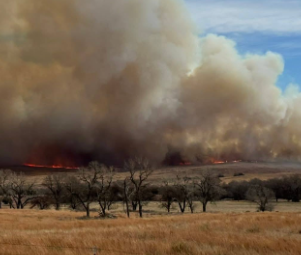
The Kansas Department of Agriculture’s Division of Conservation (KDA–DOC) is pleased to announce the availability of cost-share funds to assist landowners affected by the wildfires that burned land in many regions of Kansas in February 2026. Wildfires included in this initiative are the recent Ranger Road, Stevens, Tennis, Andrew Lane, and Rawlins County wildfires.

On March 6, the State Conservation Commission recommended approval of the Wildfire Recovery Initiative, to provide $151,000 of KDA–DOC financial assistance to landowners in eight counties (Barber, Clark, Comanche, Finney, Meade, Rawlins, Seward and Stevens) for cover crops, temporary watering facilities and temporary electric fence. Landowners can receive up to $5,000 in cost share funding through this initiative.

The signup period for these funds is open now and will end on April 3, 2026. Applications for this wildfire recovery cost share funding must be made through local Conservation Districts. Go to www.agriculture.ks.gov/ConservationDistricts to find contact information. Eligible applications will be approved on a first-come, first-served basis until all initiative funds have been allocated.

Projects that have been started but not completed prior to the landowners making application will be eligible for cost share assistance provided they keep receipts and follow KDA–DOC specifications (if necessary). Project eligibility does not guarantee approval by the KDA–DOC.

If you have questions on the Kansas Wildfire Cost Share Initiative, contact KDA–DOC staff: Dave Jones, [email protected], 785-564-6623; or Madison Loder, [email protected], 785-477-2788.