Friday, March 27, 2026
Home Blog Page 9

Announcing Workshops Focused on Legal Resilience for Farmers

0

The Kansas Rural Center Announces 2 Days Designed to Create Legal Resiliency On The Farm

Lawrence, KS — On Friday, March 27 and Saturday, March 28 the Kansas Rural Center is hosting 2 workshops to help farmers build legal competence and resilience. These workshops are being hosted as a collaboration between Farm Commons, Douglas County Extension and the Kansas Rural Center. You are welcome to attend one or both workshops. Those interested are encouraged to sign up soon as there are limited seats.

There is a fee of $5 at registration that will be refunded at the time of the workshop to attendees.

Lunch will be provided by Raven’s Table.

Day 1 – Discovering Resilience will take place Friday March 27th from 9 am – 4:30 pm in Flory Hall at the Douglas County Fairgrounds.

This workshop empowers farmers with the resources they need to resolve legal vulnerability in land use and leasing, employment, agritourism and value-added production, business structures, insurance, and liability. Learn to write an effective comprehensive lease. Explore whether you should form an LLC, S corporation, or neither. If you’re wondering about hosting interns or working with volunteers or how to manage the risk that guests may get injured when they visit the operation, this is for you. Farm law affects everyone, especially the most innovative, direct-to-consumer farmers. Answers aren’t always easy to come by- but that’s why Discovering Resilience exists.

This isn’t your typical boring, expert-focused legal education. Listen to experienced farmers Angela Dake and Sharon Autry, explain how they manage risk on their farm, while legal experts emphasize the law’s specifics. Participants walk away with an individualized to do list that reflects their needs and priorities. Nearly 90% of farmers plan to make changes to their operation- changes that reduce risk and leverage legal opportunity- as a result of this workshop. In today’s difficult farm climate, farmers need all the resilience they can get. These mentors will help guide participants to protect the legacy they are building.

Angela Dake is the proud owner of Hidden Hill Farms in Auburn Kansas, where she is dedicated to raising high quality grass fed/finished beef, pastured poultry, produce, and providing agritourism opportunities. The agritourism was developed to share her love of agriculture and teaching, including opportunities for a farmstay where guests come to relax in a country setting and to gain a greater appreciation for local food and agriculture. Some of the activities include summer farm camps for children, partnerships with local FFA chapters, classes and tours, and more. In 2020 the farm was awarded the Shawnee County Farm Bureau Natural Resources Farm of the Year and Third Place in the State of Kansas. Angela (a former teacher) is a public speaker, writes articles about her farm experiences, and serves as a consultant and mentor for urban and rural beginning and developing farmers.

Sharon Autry has six years of specialty crop production experience including growing in high tunnels. She is a 2019 Growing Growers KC farmers apprenticeship graduate and earned a Certificate in Sustainable Agriculture from Johnson County Community College in 2020. Sharon established her own small-scale, organic, specialty crop operation, Herdsman House Farm LLC, near Hillsdale Lake in Miami County. She has served as Farm Director at KC Farm School, an urban training farm in Wyandotte County, and has served in leadership roles with KC Young Farmers Coalition. She has gained experience with local food distribution through her involvement with KC Food Hub, Rolling Prairie CSA, and Louisburg’s Nomad Market KC.

Register today @ https://bit.ly/4tt0IYB

Day 2 Discovering Advanced Farm Labor Law will take place Saturday, March 28th from 9 am – 4:30 pm in Flory Hall at the Douglas County Fairgrounds.

You do not need to attend Discovering Resilience to attend Advanced Farm Labor Law. This workshop will enhance your understanding of minimum wage, overtime, and workers’ compensation requirements while developing fair and equitable management systems on the farm. This advanced course is designed to help farmers and ranchers acquire the legal knowledge and practical skills necessary to manage employment responsibilities effectively.

Led by Rachel Armstrong, founder and Executive Director of Farm Commons, this workshop is an innovative approach to farm law risk reduction. Rachel believes that farmers have what they need to be expert legal risk managers and that the right tools can awaken that capacity. She has led dozens of effective, interactive trainings for thousands of farmers nationwide. As a leading authority on direct-to-consumer farm law, Rachel has also authored many publications on farm law matters for farmers, published academic and trade articles for attorneys, and teaches university classes in farm law. She is a graduate of the University of Denver Sturm College of Law and the University of Wisconsin Madison.

By the end of this producer-focused course, you will have gained important knowledge in the following areas:

Minimum Wage
Overtime Pay
Managing the risks associated with worker injuries
Workers’ Compensation Insurance
Avoiding discrimination in hiring and firing practices
Payroll, tax, and paperwork obligations
Aligning in-kind (non-cash) wage payments with legal standards
Properly classifying workers in accordance with the law (including independent contractors, volunteers, and more)

Register today @ bit.ly/46KKi3U

Mild winter fuels early tick season in Kansas

0
carterse

An unusually mild winter has led to an early and active tick season in Kansas, prompting veterinarians to urge pet owners to begin prevention measures sooner than normal.

Dr. Jon Austin of Hutchinson Small Animal Hospital said ticks have been especially active since early February, weeks earlier than many Kansas pet owners typically expect.

“Once the nights stop freezing, they come out,” Austin said. “The people that live in the sand hills to the north, where they’re really prevalent, have been seeing them since early February.”

Austin said a hard freeze, with temperatures near 18 degrees, could temporarily reduce tick activity, but he said the warm winter has allowed pests to emerge sooner and in greater numbers.

“Anyone who’s born and raised here like I was knows this is not a normal winter,” Austin said. “We’ve had way too many beautiful days, way too many 60- and 70-degree days through this winter. That’s wonderful for us, but it doesn’t let the normal cycles of nature happen the way they should.”

He said extended cold stretches typically help control weeds and insects, benefiting both people and pets. Without that cold, Kansas conditions can begin to resemble southern states where fleas and ticks remain active year-round.

“When we have this warm weather, we begin to start to have environments a whole lot more like South Texas or Louisiana, the places where we have fleas and ticks year-round,” Austin said.

Austin said older over-the-counter flea and tick products may no longer be as effective because pests can develop resistance over time. He encouraged owners to consult veterinarians about newer prescription options, including oral medications, topicals and longer-lasting injectables.

“The products that were the first generation of the good products, like Frontline, those products still work, but they only work for about a week,” Austin said. “They don’t work for a month anymore.”

Austin said veterinarians now have options that last from one month to three months, and an injectable product introduced late last year can provide protection for up to a year.

Tick-borne disease remains a concern in Kansas, he said, though Lyme disease is not the most common diagnosis seen in dogs locally. Austin said his clinic more frequently finds ehrlichia, a tick-borne illness that can damage the liver and kidneys if left untreated.

“We certainly see more ehrlichia than we do Lyme disease,” Austin said. “Thankfully, it’s treatable. If you don’t treat it, it can be a slow-burn disease.”

Austin said his clinic tests dogs annually for heartworm and four common tick-borne illnesses, including Lyme disease, ehrlichia, anaplasmosis and Rocky Mountain spotted fever.

He said the best defense is consistent annual veterinary care, blood testing and reliable preventatives.

“Heartworm prevention, flea and tick control, and your animal won’t have any issues,” Austin said. “Go see your veterinarian every year, get that physical, get that blood test, and then use the good preventatives.”

Beyond tick concerns, Austin said his clinic has also seen an unusual increase in gastrointestinal illness in both dogs and cats over the past several months, with cases involving unexplained vomiting and diarrhea.

“This has been kind of an unusual last four months,” Austin said. “We’ve just seen a heightened frequency of kind of unknown vomiting and diarrhea for dogs and cats.”

He said most pets recover with supportive care, including fluids and nausea control, though some cases have been severe enough to involve bloody stools. Parvovirus tests have been negative, leaving the cause uncertain.

Austin also used the radio appearance to remind pet owners about broader responsibilities, including pet-proofing homes, grooming long-haired animals appropriately, spaying and neutering pets, and planning for long-term care.

“It’s a lifetime commitment,” Austin said. “It changes your daily schedule. It requires time every day to address the needs of that animal, just like if you were having a child.”

Austin, who has practiced alongside his father at the East 30th Avenue clinic, also said veterinary medicine remains a strong career path, especially in rural Kansas, where both veterinarians and veterinary technicians are in short supply.

He said scholarship and loan-forgiveness programs can help students willing to serve in underserved rural communities.

“It’s a wonderful profession. It’s an honorable profession,” Austin said. “We need more people to do it.”


What does ‘GLP-1 friendly’ mean?

0

Broad use of a hormone prescribed for weight loss has spawned a flurry of menu items touted as “GLP-1 friendly,” but it’s phrase that has no strict definition, said nutrition expert Lida Araghi.

“’GLP1 friendly’ is not a standardized or regulated nutrition claim,” said Araghi, who is an assistant professor — extension nutrition and foods specialist for the University of Arkansas System Division of Agriculture. “That is an important consumer takeaway.”

GLP1 stands for glucagonlike peptide1, a hormone the body naturally releases from the gut after eating. It plays several important roles in appetite regulation and blood sugar control.

“In everyday conversation, people often use ‘GLP1s’ as shorthand for a group of newer diabetes and weight loss medications,” Araghi said. “Some work on GLP1 receptors, while others, such as tirzepatide, act on more than one gut hormone receptor.

“The common effect across these medications is improved satiety, appetite regulation, and blood sugar control,” she said.

Look before you eat

A study conducted by the Arkansas Agricultural Experiment Station, delved into how food companies have changed their marketing strategies as people on GLP-1s change their eating habits. The Agricultural Experiment Station is the research arm of the Division of Agriculture.

“Unlike defined food labeling terms, there is no universal requirement for protein, fiber, calories, fat, or added sugar that a company must meet to use the ‘GLP-1 friendly label,” Araghi said. “Different restaurants or food brands may apply it in very different, and sometimes inconsistent, ways.

“So, while the phrase may reflect generally sound nutrition principles, it remains a marketing label, not a medical or regulatory designation,” she said.

Araghi said the phrase may be a clue about the nutritional value of the food but is not a guarantee the food is a good fit for the consumer’s diet. She offered a checklist for consumers deciding whether to order the GLP-1 friendly item:

  • Is there a meaningful protein source, not just a small amount?
  • Is fiber coming from whole foods such as vegetables, beans, or whole grains, and introduced gradually if the consumer has gastrointestinal symptoms are an issue?
  • Is the portion size reasonable, or could it be split?
  • Is it lower in very highfat, fried, or very sweet components if nausea or reflux is a concern?
  • Does it match individual tolerance, which can vary widely?

Popularity of GLP-1s

GLP-1s were originally prescribed to help diabetics but are now seeing wide use among people seeking to lose weight. Trade names include Ozempic and Wegovy, which are semaglutide, Mounjaro and Zepbound, which are both tirzepatide, and Victoza/Saxenda, which is liraglutide.

“These medications are widely prescribed because they can produce clinically meaningful weight loss for many patients, especially when combined with nutrition and physical activity changes,” Araghi said.

She said several factors explain their rapid adoption:

  • They significantly reduce appetite and help people eat less without constant hunger
  • Some are FDA-approved for chronic weight management in people who meet eligibility criteria
  • There is growing recognition in healthcare that obesity is a chronic disease, not simply a willpower issue, and may require long-term medical treatment

Their popularity also reflects strong public awareness and patient demand, though cost, access, and insurance coverage remain major barriers for many people, Araghi said.

Mention of trade names does not imply endorsement by the Division of Agriculture.

What Most Kansas Homeowners Don’t Realize About Bathroom Drain Flies

0

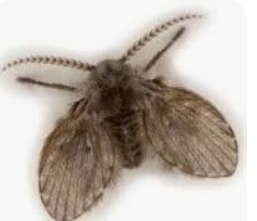
In many Kansas homes, the discovery often begins the same way. A small insect appears on the bathroom wall near the sink or shower. It looks almost like a tiny moth, with fuzzy wings and a slow, fluttering flight. At first, homeowners may assume it wandered in from outside through a window or door. But then another one appears the next day. And another the day after that.

These insects are commonly known as drain flies, sometimes called moth flies or sink flies. Although they are tiny and mostly harmless, their presence often raises questions for homeowners because they seem to appear repeatedly in the same areas. Bathrooms, laundry rooms, and kitchen sinks are the places where they show up most frequently.

What most Kansas homeowners do not realize is that drain flies are rarely just passing through the house. In many cases, they are actually developing inside the plumbing system itself. The drains that carry water away from sinks and showers can also create small ecosystems where insects are able to live and reproduce.

The combination of moisture, organic debris, and protected spaces inside pipes makes household drains surprisingly suitable environments for certain insects. Over time, thin layers of organic residue accumulate inside pipes. These layers provide food and shelter for tiny larvae that eventually develop into adult drain flies.

Although the flies themselves are small and usually harmless, their presence can reveal hidden conditions inside plumbing systems that most people never think about. Understanding how drain flies live, where they come from, and why they often appear in bathrooms helps explain why these insects sometimes become persistent household visitors.

For Kansas homeowners, learning about drain flies offers insight into the unseen environment inside pipes and drains. What seems like a minor nuisance is actually a small example of how insects adapt to the moisture-rich spaces humans create within their homes.

Drain flies belong to a group of insects in the family Psychodidae, which includes several species adapted to moist environments. These insects are sometimes called moth flies because their wings are covered with fine hairs that give them a fuzzy appearance.

Most adult drain flies are extremely small, usually measuring between two and five millimeters long. Their wings are broad compared to their body size, which contributes to their slow, fluttering flight.

When resting, drain flies hold their wings roof-like over their bodies. This shape gives them a triangular appearance that resembles a miniature moth.

Unlike many other household flies, drain flies are weak fliers. They typically move only short distances before landing again on nearby surfaces.

Because of this limited flight ability, they often remain close to the place where they developed. This is why they are commonly seen resting on bathroom walls, ceilings, mirrors, or tiles near drains.

Their quiet behavior often makes them easy to overlook at first. Many homeowners only notice them when several appear over a short period of time.

Why Bathroom Drains Attract These Insects

Bathrooms provide exactly the kind of environment drain flies need to survive.

Every time water flows through a sink or shower, small amounts of organic material enter the drain. This material may include soap residue, hair, skin cells, toothpaste, shampoo, and microscopic debris.

Over time, these substances accumulate inside the drainpipe and create a thin, sticky layer called biofilm. This layer forms along the interior surfaces of pipes where moisture remains constant.

Biofilm contains bacteria, fungi, and decomposing organic matter. For drain fly larvae, it becomes an ideal food source.

The dark, moist environment inside the pipe also protects the developing insects from predators and disturbances.

Kansas homes often experience humidity fluctuations, especially during warm months. When bathrooms are used frequently, moisture levels inside drains remain high, helping these insects complete their life cycle.

Because these conditions exist in many homes, drain flies can appear even in houses that are otherwise very clean.

The Hidden Life Cycle Inside Your Plumbing

Most people only see the adult flies resting near drains, but the majority of the drain fly life cycle occurs out of sight.

The cycle begins when a female fly lays eggs inside the organic film lining the drainpipe. A single female may lay dozens of eggs in these moist environments.

Within a few days, the eggs hatch into larvae. These larvae resemble tiny worm-like creatures and live entirely within the biofilm inside the pipe.

The larvae feed on microorganisms, bacteria, and decomposing organic material present in the drain.

This feeding stage can last several days or even weeks depending on environmental conditions.

After the larval stage, the insects enter the pupal stage, during which they transform into adult flies.

Once fully developed, the adult flies emerge from the drain and move into the bathroom.

There they begin searching for mates and suitable places to lay eggs, starting the cycle again.

Because this process occurs mostly inside pipes, homeowners rarely realize an insect population is developing until adults begin appearing in the room.

Why Drain Flies Seem to Appear Suddenly

One of the most puzzling aspects of drain fly infestations is how quickly they seem to appear.

A bathroom may remain free of visible insects for weeks or months. Then suddenly several small flies begin appearing near the sink or shower.

This sudden appearance usually occurs when multiple adult flies emerge from the drain at the same time.

Since the larvae develop hidden within the pipe, their presence goes unnoticed until they reach adulthood.

Warm temperatures can accelerate the development of these insects. During summer months in Kansas, the life cycle may progress more quickly.

Higher humidity also encourages bacterial growth inside pipes, providing more food for larvae.

When these conditions align, several generations of drain flies can emerge in rapid succession, creating the impression of a sudden infestation.

Why They Prefer Bathrooms Over Other Rooms

Although drain flies can appear in kitchens or laundry rooms, bathrooms are among their most common locations.

Bathrooms contain several drains in close proximity, including sinks, bathtubs, and showers.

These drains are used frequently, which keeps the interior of the pipes moist.

Warm water from showers and baths increases humidity levels inside the plumbing system.

Soap residue and personal care products contribute additional organic material that larvae can feed on.

Because bathrooms combine moisture, organic residue, and sheltered environments, they often become the primary breeding site for drain flies.

Are Drain Flies Dangerous?

For most homeowners, drain flies are primarily a nuisance rather than a serious health concern.

They do not bite or sting and are not known to transmit diseases to humans.

Adult drain flies usually feed on nectar or other liquid substances in natural environments.

Inside homes, they may survive for long periods without feeding.

However, their presence can indicate the buildup of organic material inside plumbing systems.

This buildup can sometimes produce unpleasant odors or attract other insects.

While the flies themselves are harmless, addressing the underlying conditions inside drains can improve overall household sanitation.

Final Thoughts

Bathroom drain flies are one of the most common yet misunderstood household insects encountered by Kansas homeowners. Their quiet presence often leads people to assume they simply wandered indoors from outside environments.

In reality, these insects usually originate within the plumbing system itself. The organic residue that accumulates inside pipes creates a hidden habitat where larvae can develop undetected.

Although the flies themselves are small and mostly harmless, their appearance reveals the complex microenvironments that exist inside everyday household infrastructure.

Understanding how drain flies live and reproduce helps explain why they sometimes appear repeatedly in bathrooms. What seems like a simple nuisance is actually a glimpse into the miniature ecosystems developing quietly inside the pipes that run beneath every home.

Do I need to test my garden’s soil?

0

Most gardeners think soil testing only determines nutrient deficiencies, but the tests also help gardeners understand whether the soil contains adequate nutrients. Basic tests check the soil’s pH, as well as the phosphorus and potassium levels.

“Most of the lawn and garden soil tests that come out of our soil-testing lab (at Kansas State University) show more than adequate levels of both phosphorus and potassium,” K-State horticultural expert Matt McKernan said. “If those nutrients are not needed, applying them is a waste of money and can be a source of pollution.”

McKernan urges gardeners to test their garden’s soil before beginning spring gardening, particularly if the soil hasn’t been tested in several years.

To do so, he says, take a sample from at least eight different locations in the garden or lawn. Samples should be taken at a depth between the surface and six inches, depending on the area being sampled. Next, mix the samples together in a clean bucket, until a total of one pint of soil has been collected.

More information on taking an accurate soil test is available online from the K-State Agronomy Soil Analysis lab.

According to McKernan, the soil sample can then be submitted to your local K-State Extension office to have tests done at the K-State soil testing laboratory for a fee.

“A soil test determines fertility problems, not other conditions that may exist, such as poor drainage, poor soil structure, soil borne diseases or insects, chemical contaminants or damage,” McKernan said. “All of these conditions may reduce plant performance but cannot be evaluated by a soil test.”

McKernan recommends submitting dry soil samples, as wet soil has different precautions.

“Wet soil samples should be air-dried on a clean sheet of paper or plastic before being submitted for testing,” McKernan said. “Do not use artificial means of drying such as an oven or microwave as such treatment may result in inaccurate readings of nutrient levels.”

Soil tests should be used as a tool to identify nutrient deficiencies, McKernan said, but often they do not tell the whole story of other factors affecting plant growth.

Additional factors that can affect plant growth include:

  • Not enough sun.
  • Poor soil physical characteristics.
  • Walnut trees (walnuts give off a natural herbicide that interferes with the growth of some plants, such as tomatoes).
  • Tree roots.
  • Shallow soils.
  • Improper watering.

McKernan and his colleagues in K-State’s Department of Horticulture and Natural Resources produce a weekly Horticulture Newsletter with tips for maintaining home landscapes and gardens.

Interested persons can subscribe to the newsletter, as well as send their garden and yard-related questions to [email protected], or contact your local K-State Research and Extension office.