
Saturday, March 28, 2026
Home Blog Page 17

Kobach advises consumers to ‘spot, avoid, and report’ scams during National Consumer Protection Week

0

In observance of National Consumer Protection Week (NCPW), March 1–7, 2026, Kansas Attorney General Kobach is joining consumer advocates nationwide to educate and empower citizens to recognize, report, and avoid scams and deceptive business practices.

Scammers are evolving their tactics to utilize artificial intelligence, deep fakes, and sophisticated phishing techniques. Attorney General Kobach is urging the community to remain vigilant. U.S. consumers reported billions in fraud losses last year. Accordingly, consumer protection week serves as a crucial reminder to be aware and practice smart consumer habits.

“Scammers are getting more sophisticated every day, but there are basic steps we can all take to spot fraud and protect ourselves,” Kobach said.

“Consumer protection is an important function of an attorney general’s office, and this week is a great opportunity to learn about the latest scam trends and share tips with family and friends,” said Joseph Sciarrotta, Chief Deputy Attorney General, said.

The Attorney General’s Public Protection Division resolved 4,039 consumer complaints, filed 3,952 new ones, and secured $3,241,320 in settlements for Kansas in 2025. Their efforts protect Kansans from fraud and scams. In his first three years in office, Attorney General Kobach has held businesses large and small to account.

Scams to watch for:

  •  Imposter Scams: Callers posing as government agents or bank fraud departments claiming your account is compromised.
  • Job Scams: Fake job solicitations promising high pay for little work designed to steal personal information or money.
  • -Investment & Romance Scams: Long-term grooming scams, like “pig butchering” where scammers build trust online before luring victims into, often times, fake cryptocurrency investments.
  • Online Shopping & Subscription Traps: Deceptive websites offer “free trials” that become difficult to cancel and lead to unauthorized recurring monthly charges.

Protect yourself:

  • Stop and Think. If a call, text, or email pressures you to act immediately, it’s a scam. Legitimate organizations will not threaten you on the spot.
  • Verify the Source. Never trust caller ID or an incoming text or email alone. Hang up on the caller and contact the company or agency directly using a number you look up yourself, not the one provided in the message. Do the same for an email or text. Go to the legitimate website on your own initiative to verify the inquiry, never click a link in an email or text.
  • Use Secure Payment Methods. Never pay with gift cards, wire transfers, or cryptocurrency. Legitimate government or business organizations will not request payment by gift cards, wire transfer, or crypto. Never pay for “free” gifts, prizes, or services either.
  • Guard your Personal Information. Do not share sensitive information like Social Security numbers or bank information in response to an unexpected request.

If you suspect a scam or have been targeted, you can contact the Office of the Attorney General, Consumer Protection section at [email protected] or (800) 432-3699. Complaints may also be filed online at www.ag.ks.gov.
Getting a head start: How to successfully start seeds indoors

0

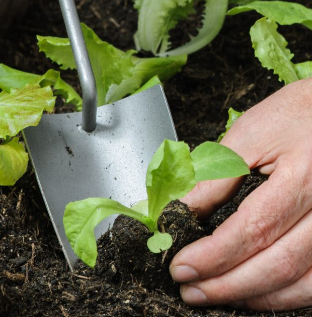
As winter lingers, many gardeners are looking for ways to get their hands dirty. Starting seeds indoors gives gardeners greater control over growing conditions, resulting in healthier, more resilient transplants.

“It’s fun to get a head start on the upcoming garden season by starting seedlings indoors,” said Aaron Steil, consumer horticulture specialist with Iowa State University Extension and Outreach.

To be successful, gardeners must provide the right conditions for seedlings to thrive and develop into stocky, resilient plants.

Time it right

Resist the urge to sow too early. Steil warns that seedlings started too soon often become lanky and transplant poorly. Check the seed packet for the recommended indoor growing period, then count backward from your frost‑free date to determine when to start.

In much of Iowa, planting of frost‑tender annuals and vegetables happens from late April to early May. Cool‑season crops that tolerate light frost can be planted a bit earlier, in early to mid-April, so they can be started indoors sooner. “It’s important to plan before you plant,” Steil noted.

Choose the right growing medium and containers

Start with a lightweight, porous and disease‑free seed‑starting mix. Steil recommends commercially prepared soilless germination mixes designed for seedlings. Sow seeds in flats, cell packs, peat pellets, soil blocks or repurposed containers. “What you use is up to you, as long as it is clean and has drainage holes,” he said.

Sow like a pro

Use new seeds packaged for the current season, as older seeds, especially those more than 2 or 3 years old, often germinate poorly. Seeds can be sown in rows in a flat or tray and carefully transplanted to individual containers when they develop true leaves. “This approach is good for small seeds or those with inconsistent germination rates,” said Steil. Alternatively, seeds can be sown directly into individual containers, sowing several seeds per pot and thinning them later. This approach is well-suited for larger seeds.

Check the seed packet for sowing depth. Many are planted 1/4 inch deep and can be placed on the soil surface and lightly covered to ensure they are at the right depth. Small, fine seeds or those that require light to germinate are planted at a depth of 1/8 inch or less. “For these seeds, place the seeds on the surface and gently press them into the germination medium to ensure good seed to soil contact,” advised Steil.

Provide the best growing conditions

After sowing, water from below by submerging the container until the medium is fully wet, then let it drain. This prevents the seeds from washing or dislodging.

“Warm soil temperatures promote better, faster germination,” Steil explained. “After emerging, the seedlings grow best in cooler temperatures around 65 F. This promotes stout, transplant‑ready plants.”

To maintain high humidity, cover the container with a clear dome or other covering, and water lightly only if the soil surface dries out. Remove the cover as soon as seeds germinate, and ensure good ventilation and air circulation to prevent damping‑off diseases.

After germination, provide 12–16 hours of bright light each day to prevent stretching or leaning. Even with a sunny window, seedlings often grow best under supplemental light. Keep them 6–12 inches above the plants and raise the grow lights as seedlings grow.

Care and prepare seedlings

When seedlings graduate from a germination tray to individual pots, transplant them into a well‑drained potting mix. Fertilize regularly with a 1/4‑strength water‑soluble all‑purpose fertilizer. This will help to produce stockier transplants, provided enough light is available. Keep the growing medium moist but not soggy, checking daily and watering thoroughly when the surface is dry to the touch.

About two weeks before planting day, harden seedlings by gradually introducing them to outdoor conditions. “Start by putting them outside on cloudy days or in a shaded location, then after a few days, move them into more light and exposure,” said Steil. This important step helps seedlings transition from the ideal conditions indoors to the bright sunlight, cool temperatures and windy conditions found outside.

For more information on starting seeds indoors, visit ISU Extension and Outreach Yard and Garden and related resources, including:

Adding a waterscape could improve your garden space

0
K-State horticulture expert says the presence of water in a natural space can benefit mental well-being.

Limited by space in your garden? Looking for a new project to enhance your space? Wanting to attract birds and pollinators to your garden?

Kansas State University horticulture expert Cynthia Domenghini suggests adding a water element to the garden.

“Preliminary research suggests the presence of water in a natural space can benefit mental well-being. The sound of running water helps reduce noise pollution and provides a relaxing escape,” Domenghini said. “Water attracts birds and other pollinators which also contribute to positive well-being. Whether a bubbling rock, pond or waterfall, sensory interests are piqued by waterscapes in the landscape.”

Domenghini said water features don’t have to be large and complex, making it a great weekend project consisting of a container, water tough or large flower pot to hold water, or creating a larger reservoir to invite wildlife.

“There are myriad designs of fountains and ponds that will fit into any size garden,” Domenghini said.

Consider accessibility, interactivity and maintenance when deciding how to incorporate a therapeutic water feature into your landscape, she adds.

“Though an isolated water feature can become a destination where visitors may venture to seek refuge, if it is too inconvenient to access it, the feature loses efficacy,” Domenghini said.

She recommends positioning a water feature close to pathways that are frequented regularly so more people can enjoy the benefits, also making it easier to monitor the feature for maintenance concerns.

When adding movement to the water feature, people can interact through the calming effect of the noise the waterscape makes. Depending on the type of feature, it may be possible to allow play in the waterscape, Domenghini said. Consider adding stepping stones up to the feature, but always consider safety and follow necessary precautions when adding a water feature to the landscape.

“Incorporating a water feature into the landscape will have limited benefits to well- being if it requires intense maintenance,” Domenghini said. “Enter into this project with the understanding of the required maintenance and start small as you learn the basics. Don’t allow this therapeutic feature to become a stress-inducer.”

Domenghini and her colleagues in K-State’s Department of Horticulture and Natural Resources produce a weekly Horticulture Newsletter with tips for maintaining home landscapes and gardens. The newsletter is available to view online or can be delivered by email each week.

Interested persons can also send their garden and yard-related questions to Domenghini at [email protected], or contact your local K-State Research and Extension office.

This charity helps Kansas and Missouri kids pay for sports when unexpected medical bills pile up

0
Many Americans struggle with medical debt, and those expenses can cause families to give up non-essential costs like extracurricular sports. The Finish Strong Foundation helps pay sports fees so kids can finish their season.

On a Wednesday evening in late February, Dominic Mayberry stood behind a pyramid of cheerleaders, helping lift and catch the flyer as she soared through the air. He and his teammates wear black practice uniforms bedazzled with red and silver rhinestones.

Dominic was at KC Cheer, a competitive cheerleading gym in Lenexa. Dominic loves to cheer so much, he’s actually in two programs. He cheers for his college team at the University of Saint Mary in Leavenworth, too.

“Cheerleading is my entire world. It’s one of the reasons why I want to get out of bed every day,” he said. “It’s just that outlet to get away from school, problems in life and everything.”

Dominic has been cheerleading for more than a decade. Currently, he practices 4 days a week and travels to competitions some weekends.

A few years ago, in the summer of 2023, Dominic’s cheer season was almost interrupted. His mother, Brandy Kline, had a large blood clot in a major artery. She underwent surgery and was unable to work for months.

Kline is a single mom and that summer, she was supporting a household of five people. She said Dominic’s cheer costs about $6,000 to $8,000 per season.

“I didn’t know if his dreams were about to be crushed or not,” Kline said.

She said paying cheer expenses on top of her medical bills and living costs felt impossible. But then, the Finish Strong Foundation stepped in. The nonprofit paid the rest of Dominic’s fees so he could finish the season.

Kline said she was very thankful for the foundation’s help. She’s always viewed sports as an important part of her four children’s lives.

“Sometimes, just these kids being in sports at a younger age keeps them out of trouble,” Kline said. “I have always pushed sports in all my children’s lives.”

The Finish Strong Foundation’s start

Crystal Stockton started the Finish Strong Foundation in 2018 in honor of her husband, Mike Tanner, who died that year. Tanner, a construction worker, was involved in an explosion five years before his death. Stockton said he had dozens of surgeries and struggled with complications.

After the accident, they went from being financially stable to struggling. Stockton said they had to lean on their community to help pay for their kids’ sports.

“That was our biggest concern,” she said. “We will pay the bills. We will pay our own bills. We will figure things out. But now we’re going to need help with the extracurricular type stuff.’”

Stockton’s son wrestled and played baseball, while her daughter played softball, volleyball and was a competitive gymnast. She said Tanner was an avid “sports dad.”

“He was at every game, every meet, every competition, every tournament as long as he could be,” Stockton said. “He just knew that sports were super important to kids and how they grow up and how they become responsible adults.”

Tanner grew up unable to participate in sports due to cost, said Stockton. Because of that, before the accident, they helped other families pay for sports costs.

Stockton said the foundation started with donations and focuses on helping kids who go through similar circumstances — like a close family member experiencing injury, illness or death. The group helps pay for sports fees or equipment.

There are multiple programs to help low-income kids afford sports, but not as many focused on specific situations like medical debt.

“It’s the kiddos that everything is riding along fine and then all of a sudden tragedy hits,” she said. “There’s not a lot out there for them.”

Stockton said the group primarily serves kids in Missouri and Kansas, but her goal is to grow and reach more states.

According to KFF, a nonprofit research organization, 41% of American adults are burdened by medical debt. About 72% of those adults said their debt came from a short-term medical expense, like an accident or hospital stay.

Sports as a “safe place” for young athletes

Dominic said that without Finish Strong, he probably would have had to quit cheer, at least temporarily.

“That was my building year to get a lot better at what I was doing,” he said. “If I had to stop, that would have just put a really big roadblock in the skills that I have now.”

And he said having practice to look forward to during difficult times helped with his mental health during his mother’s illness.

“It was my outlet,” he said, “to get away from all those hard feelings that were going through my head and just be with my team.”

Today, Dominic is pursuing a degree in business management. He hopes to own his own cheer gym one day.

The Estes family

Another family helped by the foundation is the Estes family of Kansas City, Kansas. Seth Estes worked moving trailers and crashed because of a seizure. He was later diagnosed with a type of epilepsy, and he said his doctors told him it’s no longer safe to work.

In 2025, Estes couldn’t afford baseball for his son until Finish Strong helped.

“They made my summer. I couldn’t do it for my son and as a father that’s detrimental,” Estes said. “That hurts.”

Estes said the foundation paid the team fees for his son, Leland, as well as gate fees so he could watch games. He said he’s grateful to Finish Strong and he hopes one day he can donate to the foundation to help other kids.

Leland is also grateful to Finish Strong. He said baseball helped him process what was happening in his life at the time.

“Baseball was kind of a lifestyle at one point. It was a way to escape a lot of my emotions,” he said. “It was a safe place.”

The Kansas News Service is a collaboration of KCUR, Kansas Public Radio, KMUW and High Plains Public Radio.