Saturday, March 28, 2026
Home Blog Page 16

K-State Extension Sedgwick County to Host Youth Lawn Mowing Clinic

0

This spring break, local youth will have the chance to sharpen practical skills, build confidence, and take their first steps toward entrepreneurship at the 2026 Youth Lawn Mowing Clinic.

Designed for students in grades 5–9, the clinic will be held Tuesday, March 17, 2026, and focuses on lawn care basics, equipment safety, and the fundamentals of running a small business.

Two sessions of the Youth Lawn Mowing Clinic will be offered on March 17. The morning session runs from 9:20 a.m. to 11:30 a.m., and the afternoon session runs from 1:20 p.m. to 3:30 p.m. Both sessions will be held inside 4-H Hall at the Sedgwick County Extension Education Center, located at 7001 W. 21st Street North in Wichita, at the corner of 21st Street and Ridge Road. Both sessions are the same, so participants need only to sign up for one.

Whether students are already mowing neighborhood lawns or just getting started in their own backyard, the clinic provides hands-on learning that combines lawn care know-how with real-world business skills.

Registration costs $10 through March 9, or $15 after that date. Space is limited, and sessions do fill quickly. Visit our website to register and learn more.

Grow Your Garden for Less at the Tools & Treasures Fundraiser

0

Gardeners, DIYers, and outdoor enthusiasts are invited to the 8th annual Tools & Treasures three-day fundraising event supporting local gardening education. This shopping event will take place Thursday, March 26, through Saturday, March 28, 2026, offering a wide selection of affordable gardening and outdoor items.

Proceeds from the event support the educational outreach efforts of the Sedgwick County Extension Master Gardener Volunteer program.

Shop new and gently used gardening tools, supplies, garden art, landscape décor, and more! Last year’s fundraiser supported over 29,400 hours of volunteer time and reached 1 in 5 Sedgwick County residents through educational outreach.

The fundraiser will be held at the Sedgwick County Extension Education Center (inside 4-H Hall), located at 7001 W. 21st Street N. in Wichita. Event hours are:

  • Thursday, March 26: 7:00 a.m. – 5:00 p.m.
  • Friday, March 27: 7:00 a.m. – 5:00 p.m.
  • Saturday, March 28: 7:00 a.m. – 1:00 p.m.

Support a great cause while discovering amazing finds to add to your garden! Visit our website to learn more and see the full sale schedule.

Determining The Best Time To Prune

0

For most trees and shrubs, early spring is a great time to prune, however, the ideal time to prune can vary depending on the specific type of tree or shrub. When evaluating when to prune a tree or shrub, first determine when the plant’s flowers are in full bloom.

If the plant blooms in early spring (such as redbud, crabapple, lilac, magnolia, forsythia, or quince), consider waiting to prune until immediately after the plant finishes flowering (mid-April to mid-May). Pruning these plants before they bloom will not damage the tree or shrub but will reduce the number of spring blooms the plant has.

If the plant blooms in the summer or fall months (such as butterfly bush, crape myrtle, rose of sharon, catalpa, golden raintree, or linden), late winter to early spring is generally the best time to prune. These plants will bloom on new growth that is produced in the spring, so pruning while dormant will not significantly reduce the number of flowers that growing season.

If flowering is not a concern, late winter through early spring (late February through early April), before new growth begins is the best time to prune most deciduous trees. Without leaves, a tree’s structure is easy to evaluate and improve with pruning. This also allows for the quickest wound healing, helping to prevent disease and decay within the tree.

Like any good rule, there are always a few exceptions:

  • Oak trees are best pruned when dormant in the early winter months (December through February) to reduce the risk of spreading Oak Wilt disease while pruning.
  • Trees with heavy spring sap flow (such as River Birch, Maple, or Elm), may be pruned mid-summer to reduce the mess of bleeding pruning cuts. While this excess sap flow is not damaging to the tree, it can create an undesired and preventable mess.

Evergreens (such as pine, spruce, or juniper) are best pruned in early summer (May to June) as the new growth develops. Most evergreens cannot develop new growth from the interior of the plant, so plant size has to be managed by pruning evergreen growth as it develops and expands.

Testing Germination Rate Of Old Seeds

0

Most gardeners have seeds from past gardening seasons. Whether they were extra seeds leftover at the end of the row, seeds collected from the garden, or gifts from other gardeners, the question that remains is this: will these olds seeds still grow?

Seeds, just like the plants they come from, are living things. This means that even though they sit in a dormant state, waiting for the ideal conditions to start growing, they are alive and impacted by their storage conditions. The longer a seed is stored, the more the quality of that seed decreases, and the less likely it is to grow. Heat, humidity, moisture, and temperature fluctuations the seed is exposed to during storage only further decrease a seed’s lifespan.

Most seeds, when stored well, can easily be saved for one year and still germinate, or sprout from the seed and grow well. Seeds stored for three to four years often experience a significant decrease in their ability to germinate, however when stored in ideal conditions, some seeds can survive ten or more years in storage and still germinate. Since there is so much variability in how long a seed can be stored, it is best to test old seeds before planting.

To test if old seeds are still worth planting, gather up a paper towel, plastic bag or container, and some water for an easy, at-home experiment. Here is what you will do:

  1. Start by taking a couple of sheets of paper towel and dampen them with water. Wring out any excess water and lay the paper towel out flat.
  2. Place 10 or more seeds on one-half of the damp paper towel. The more seeds tested, the more accurate the results, however, only plan to use a portion of the total seeds available.
  3. Fold the paper towel over the seeds, covering the seeds, and place it in a plastic bag or container. Seal the bag to trap in the moisture. Consider labeling the bag with the date and type of seed tested.
  4. Place the bag in a warm location of the house, such as on top of the refrigerator, in a sunny window, or over a heating vent. Warm temperatures above 70oF will speed up germination.
  5. Check the seeds every few days for signs of germination and see if additional water is needed to keep the paper towel damp. Most seeds will germinate within 5-10 days, however some seeds may take slightly longer.

Determine the germination rate of the seeds by counting the number of seeds that have started to grow and divide that number by the total number of seeds tested on the paper towel. Multiply by 100 to determine the % germination rate.

A germination rate of 90% or above is excellent for most seed species. Germination rates between 70-80% are still acceptable, and common for many types of seeds. For seeds within this range, consider planting a few additional seeds to offset the lower germination rate. If your germination rate is 50-60% or less, it will probably be best to purchase new seeds for the upcoming growing season.

When the germination test is over, most often seeds from the test are disposed of. Seedlings are extremely delicate as their first root (called a radicle) emerges, and handling and seed counting may damage the radicle. If the emerging roots or shoots are damaged, the plant will not survive. If the seed can be handled carefully, without damaging the emerging plant, the seeds can be planted in the garden or in pots for transplanting outside later. This will be most easily accomplished with larger seeds, such as sunflowers, pumpkins, or squash.


Plan ahead to protect your herd

0

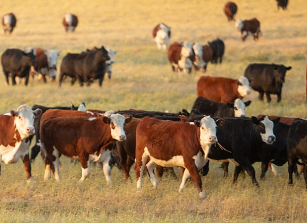
Wet conditions that favor parasites like liver flukes are a reminder that herd health threats often develop quietly before becoming costly problems.

On a recent episode of the BCI Cattle Chat podcast, K-State beef cattle experts say proactive disease management and emergency preparedness planning go hand-in-hand in building resilient cattle operations.

The team described liver flukes as parasitic worms that can damage the liver and bile ducts of livestock, especially cattle and sheep, and are more common in wet pasture environments.

These parasites can lead to a range of health issues — from reduced weight gain to sudden death in severe cases — making early detection and response planning essential for producers.

“Understanding and anticipating disease risks, like liver flukes, helps you keep animals healthier and more resilient when unexpected challenges arise,” said Christine Navarre, an extension veterinarian at Louisiana State University and guest on the weekly podcast.

Navarre emphasized that accurate diagnosis and targeted prevention strategies are key. Producers should work with their veterinarians to implement parasite control protocols, including strategic deworming and timely vaccination, where appropriate.

In addition to disease management, Navarre highlighted the importance of emergency preparedness planning.

“In any operation, you need to think ahead about access to water, feed, power, communication, and record keeping,” she said. “Being prepared means your farm can respond quickly and effectively when challenges occur, like severe weather or health emergencies.”

Steps producers can take include:

  • Establishing reliable backup plans for essential resources such as water and feed supplies.
  • Ensuring access to electricity and communication tools during outages.
  • Keeping accurate animal health and production records to guide decision-making in emergencies.
  • Developing coordinated response actions with family, staff and local veterinarians.

Navarre said emergency preparedness isn’t only about weather events or sudden health outbreaks; it’s about building resilience so that every operation can continue functioning, even under stress.

“Planning before a crisis hits gives producers confidence and control,” Navarre added.

Producers interested in learning more about liver fluke risks and emergency planning strategies can listen to the recent BCI Cattle Chat podcast episode or send an email to [email protected].