Thursday, March 5, 2026
Home Blog Page 685

Reports detailing 2022 National Beef Quality Audit results now available

0

As reported in High Plains Journal, approximately every five years, the beef cattle industry undergoes a National Beef Quality Audit, funded by the Beef Checkoff, to help determine quality conformance of the U.S. beef supply. Reports detailing 2022 NBQA results are now available at www.bqa.org. The Market Cows and Bulls and Fed Cattle reports outline where the beef supply chain is making positive changes as well as areas for improvement.

“The NBQA gives us an idea of what we need to be focusing on as an industry,” said Trey Patterson, CEO of Padlock Ranch and chair of the Beef Quality Assurance Advisory Group. “We can celebrate successes in safety, quality and efficiency and we can challenge ourselves on what we can do better.”

Since 1991, the NBQA provides an understanding of what quality means to the various industry sectors, and the value of those quality attributes. This research helps the industry make modifications necessary to increase the value of its products.

Biosecurity measures help protect livestock during livestock shows

0

As reported in High Plains Journal with its many county fairs, livestock competitions, and rodeos, summer is the perfect season to highlight Nebraska agriculture. The Nebraska Department of Agriculture wants to remind livestock owners that summer is also the perfect time to protect your animals and keep them healthy by following strict biosecurity measures.

“Just like people can spread illness to each other when gathered in a group, livestock diseases can be spread by contact with sick animals,” said State Veterinarian Roger Dudley. “We want livestock owners to be aware and practice good biosecurity measures with their animals, particularly with animals participating in livestock competitions and shows.”

Here are some biosecurity tips to follow before, during and after livestock shows.

Before the show

• Monitor your animal’s health. If your animal is sick, do not attend the show.

• Clean and disinfect your show equipment and trailer before going to the show.

During the show

• Monitor your animals for heat stress and any signs of illness.

• Do not share equipment or tools with other exhibitors.

• When watering your animals using a community hose, do not allow your animal to drink directly from the hose or dip the community hose in your bucket.

After the show

• When returning from a show, isolate those animals from other animals at your farm and watch for signs of illness. Do not allow nose-to-nose contact between these sets of animals.

• Don’t share supplies like buckets and feed pans between animals in isolation and other animals. All equipment should be thoroughly cleaned, disinfected, and allowed to dry after use in the isolation area.

• Consult a veterinarian if your animal becomes ill.

• Clean and disinfect equipment, clothing, shoes, show box and contents, and vehicles or trailers that were used at the show.

To help prevent the spread of diseases, Nebraska has import restrictions for livestock coming into the state from states that have confirmed reportable disease cases. If you are considering moving an animal into Nebraska, please visit https://nda.nebraska.gov/animal/imports/import-requirements.html or call 402-471-2351 to learn more about any importation orders that are currently in place.

Individuals from Nebraska transporting animals to exhibitions in other states should contact the destination state to learn about their import requirements before transporting animals.

Individuals or practitioners who suspect or have concerns about livestock diseases should contact NDA at 402-471-2351.

Old bulls bring new genetic benefits to light

0

As reported in High Plains Journal animal genetics plays a crucial role in modern agriculture, enhancing food sustainability and animal adaptation to a changing climate. Over the years, animal breeders have underlined the significance of genetics in enhancing animal productivity. Preserving diverse sources of animal germplasm is crucial to maintaining genetic diversity, which provides economic sustainability and food security in the face of new diseases and climate change, and advances our knowledge of animal genetics and genomics.

The USDA Agricultural Research Service’s National Animal Germplasm Program has collected and preserved more than one million samples from over 64,000 animals across the United States. These samples, dating from the late 1940s to the present, aim to maintain the genetic diversity of American livestock, providing genetic security and an improved understanding of genes that influence and control valuable animal characteristics.

“Over the last 24 years, NAGP has released almost 11,000 samples from the germplasm collection to breeders, university researchers, and others in the animal industry and scientific community for molecular studies and introduction of lost genetic variability in living populations,” said Harvey Blackburn, NAGP animal geneticist and program coordinator. “The released genetic resources enable exploration into important livestock industry problems.”

Recently, the use of NAGP collections has brought to light interesting findings.

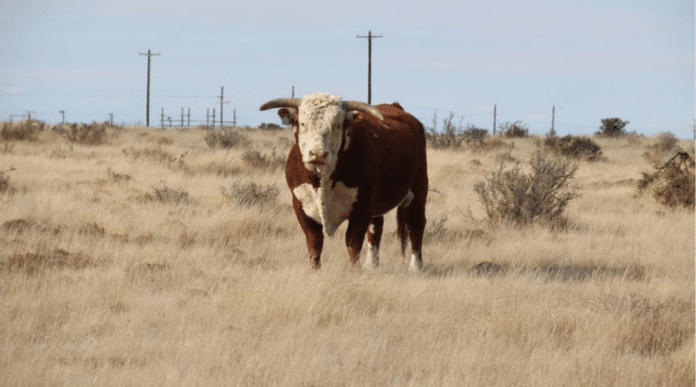
A beef cattle producer in South Dakota successfully incorporated samples from the NAGP repository into their breeding program. They requested and received semen samples from five Angus bulls born before 1997, which were used to mate with over 150 Angus cows. The resulting offspring are helping to modify the breeder’s cow herd to meet their production and marketing objectives. Bull progeny from pre-1997 genetic resources have shown high-performance levels for a combination of traits and are consistently highly sought after in the marketplace over the past few years. Researchers from NAGP and the Livestock and Range Research Laboratory are now studying the underlying genomic differences in progeny from these bulls older than 26 years old and the current population of Angus to better understand the basis for the higher performance levels.

This is not the first time NAGP animal geneticists and the industry have seen the positive impact of sampling older generations of sires in the collection. In 2020, Blackburn collaborated in a study completed by researchers from Pennsylvania State University’s Department of Animal Sciences. In that study, it was found that the entire U.S. Holstein population originated from two paternal lineage lines (only two different Y chromosome origins) traced to prominent 1970-era bulls. Through genomic and pedigree lineage tracing of samples in the germplasm collection, they found two additional, unique Y chromosomes that were lost in current Holstein lines due to selection. Calves were created using germplasm samples from these two bulls, and like the Angus example, the daughter progeny produced milk yields above the expected level and equal to their counterparts from the current Holstein genetic baseborn in the same year.

“These examples of how the animal germplasm collections are used in research and breeding programs are of great importance for the industry,” says Blackburn. “Although large breeds of dairy and beef cattle, like Holstein and Angus, are believed to have no diversity issues, these examples have uncovered the opposite, especially with the lack of variation of the Y chromosome in Holstein bulls. Both the Angus and Holstein examples illustrate the value of the germplasm collection to broaden, and even rescue, genetic diversity, improve animal performance, and suggest to scientists that there is still significant research to be done in understanding the genetic basis for livestock performance.”

Leaf spot on tomato plants

0

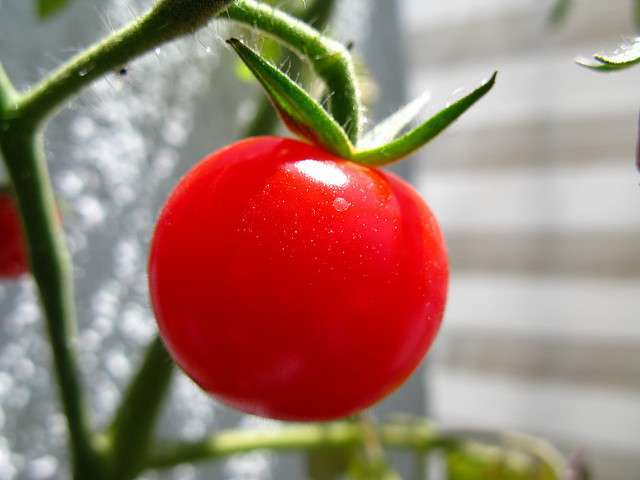
As reported in High Plains Journal, tomato leaves will begin showing signs of leaf-spot diseases soon if they haven’t already, Kansas State University horticulture expert, Ward Upham said. Brown spots on the leaves indicate Septoria leaf and blight.

“Septoria leaf spot usually appears earlier in the season than early blight and produces small dark spots,” Upham said. “Spots made by early blight are much larger and often have a distorted “target” pattern of concentric circles.”

Upham said heavily infected leaves will turn yellow and drop, with older leaves being more susceptible than young leaves because the disease starts at the bottom of the plant and works its way up.

“Mulching, caging, or staking keeps plants off the ground, making them less vulnerable. Better air circulation allows foliage to dry quicker than on plants that are allowed to sprawl,” Upham said.

He recommends mulching to prevent water from splashing and carrying disease spores to the plant.

If you have room, rotate the location of the tomatoes each year to an area that has not had tomatoes or related crops (peppers, potatoes, eggplant) for several years, Upham suggests.

“In situations where these diseases have been a problem in the past, rotation is a good strategy,” Upham said. “Rotation is a good idea even if you have not had problems in the past, although many gardens are too small to make it practical.”

If rotation is not feasible, Upham said fungicides are often helpful. Be sure to cover both upper and lower leaf surfaces, and reapply fungicide if rainfall removes it.

“Plants usually become susceptible when the tomato fruit is about the size of a walnut. Chlorothalonil is a good choice for fruiting plants because it has a zero-day waiting period, meaning that fruit can be harvested once the spray is dry,” Upham explained.

Chlorothalonil can be found in numerous products including Fertilome Broad-Spectrum Landscape and Garden Fungicide, Ortho Garden Disease Control, GardenTech Daconil, Bonide Fungonil and others.

“Be sure to start protecting plants before these diseases are first seen if they have been a problem in the past. It is virtually impossible to control these diseases on heavily infected plants,” Upham said.

Upham and his colleagues in K-State’s Department of Horticulture and Natural Resources produce a weekly Horticulture Newsletter with tips for maintaining home landscapes and gardens. The newsletter is available to view online or can be delivered by email each week.

Interested persons can also send their garden and yard-related questions to Upham at [email protected], or contact your local K-State Research and Extension office.

Midnight Delivers Her First Foal

0

This column will wrap it up for June 2023. Another month down in history. What did I accomplish? Not nearly as much as I had anticipated. Life gets so busy but let us take time from our busy lives and remember to thank God for the many blessings he bestows upon us. Our great and loving Creator and Comforter!

It’s 6:30 a.m. and a foggy morning. We received a half inch of much-needed rain. The grass was brown and is looking greener already. It has been very hazy this last while. They say it is from the Canadian wildfires. The sun looks so red at sunset from the smoke. I hope they will get the fire under control soon and that everyone will be safe. 

After I get done with this column, I want to go get some rhubarb in. Daughter Lovina mixed up a batch of monster cookies yesterday and is getting ready to bake those. I want to bake some pies. 

Next week is already the Fourth of July. 

Our horse Midnight had a little colt on June 22. He is a nice lively one with three white feet and one black. Midnight is a good mother and very protective of her foal! This is the first foal she delivered, so we were very thankful everything went well for her. 

Son Benjamin is training his two-year-old horse, which is the daughter of his other horse Beauty. He named her Star since she has a little white spot on her head. We can’t use Midnight until she can be away from nursing her colt, so Benjamin let Joe and I use his horse Beauty to go to church Sunday. Beauty is a good horse and has put in many miles. Midnight and Beauty are half-sisters on one side and also related on their mom’s side. They were born a month apart here on our farm in 2015. I love watching the little foals run in the field. This little one has very long legs. 

Sunday church services were held at the house of daughter Verena’s neighbors. After lunch, our whole family, sister Emma’s whole family, and sister Verena all spent the afternoon at daughter Verena’s house. Verena made popcorn and set out snacks for us all. It was enjoyable. 

Grace and Daniel (Joseph and Lovina’s special friends) were our supper guests. I made BLTs for supper, but I also fried eggs to go with that. I fry the egg until the yolk isn’t runny so it can be put in the BLT sandwich. 

Last Thursday, Ervin and Susan and I cleared out everything from the upstairs bedroom at daughter Verena’s house. Ervin took it all over to their place. Verena made lunch for us so we could keep working. They are so relieved that it is now all at their place to sort through. It all takes time. 

Michael and Rose Ellen had a nice wedding day. Their menu included dinner rolls, strawberry butter, mashed potatoes, gravy, dressing, grilled chicken, salad, peanut butter pie, pecan pie, fresh fruit mixture, and candy bars. I will share a recipe for strawberry butter, although I’m not sure this is the recipe they used at the wedding. 

God bless!

Strawberry Butter 

6 large fresh strawberries (stems removed and room temperature)

1 cup butter (softened)

3/4 cup powdered sugar

Chop strawberries, then add butter and powdered sugar and blend well. If needed, add more powdered sugar to reach the desired spreading consistency and sweetness. 

Lovina’s Amish Kitchen is written by Lovina Eicher, Old Order Amish writer, cook, wife, and mother of eight. Her newest cookbook, Amish Family Recipes, is available wherever books are sold. Readers can write to Eicher at Lovina’s Amish Kitchen, PO Box 234, Sturgis, MI 49091 (please include a self-addressed stamped envelope for a reply); or email [email protected] and your message will be passed on to her to read. She does not personally respond to emails.

Contact: [email protected];