Friday, March 27, 2026
Home Blog Page 944

K-State study: Reintroducing bison to grasslands increases plant diversity, drought resilience

0

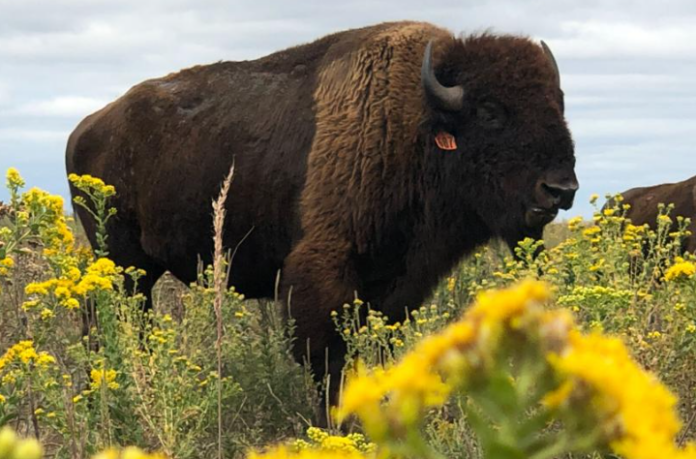
A Kansas State University-led study has found that reintroducing bison—a formerly dominant grazer—doubles plant diversity in a tallgrass prairie. The research involves more than 30 years of data collected at the Konza Prairie Biological Station and was recently published in the prestigious journal Proceedings of the National Academy of Science, or PNAS.

The study found that plant communities also were resilient to the most extreme drought in four decades. These gains are now among the largest recorded increases in species richness because of grazing in grasslands globally, researchers said.

“Bison were an integral part of North American grasslands before they were abruptly removed from over 99% of the Great Plains,” said Zak Ratajczak, assistant professor of biology and lead researcher. “This removal of bison occurred before quantitative records and therefore, the effects of their removal are largely unknown.”

The study took place in the Flint Hills ecoregion, which is the largest remaining landscape of tallgrass prairie. Researchers examined plant community composition and diversity in three treatments that were designed to capture characteristic management regimes: no mega-grazers were present; bison were reintroduced and allowed to graze year-round; or domestic cattle were introduced and allowed to graze during the growing season.

“Our results suggest that many grasslands in the central Great Plains have substantially lower plant biodiversity than would have occurred before bison were widely wiped out,” Ratajczak said. “Returning or ‘rewilding’ native megafauna could help to restore grassland biodiversity.”

The study also found that cattle had a positive impact on plant diversity, compared to having no large grazers present, although increases in plant species richness were significantly smaller than those caused by bison.
“I think this study also shows that cattle can have a largely positive impact on biodiversity conservation in our region, especially considering that many in cattle production conduct the prescribed fires that have kept these grasslands from becoming woodlands,” Ratajczak said. “What this study really suggests is that when it’s economically and ecologically feasible, reintroducing bison might have an even more positive effect on biodiversity conservation.”

Along with addressing land use, researchers also set out to learn how bison affect plant community resilience to climate extremes. Because of the long duration of the study, researchers were able to capture one of the most extreme drought events that has occurred in the Great Plains since the 1930s’ Dust Bowl.

Researchers found that after the climate extreme, native plant species in the bison-grazed area were resilient to drought.

“The resilience we found in the bison grasslands is also consistent with the idea that diversity promotes ecological resilience,” Ratajczak said. “And this resilience will only become more important if our climate becomes more extreme.”

Other K-State researchers on the study include Jesse Nippert, professor; John Blair, university distinguished professor; Allison Louthan, assistant professor; and Jeffrey Taylor, research assistant, all from the Division of Biology in the College of Arts and Sciences. Additional collaborators include Scott Collins, University of New Mexico; Sally Koerner, University of North Carolina; and Melinda Smith, Colorado State University.

“Some of the most meaningful ecological trends take decades to unfold, and we can only identify them using long-term records like those supported by the NSF LTER program,” Nippert said. “Without this type of data, fundamental properties of ecosystems may go unnoticed using only short-term experiments.”

A series of six grants totaling more than $31.6 million since 1980 from the National Science Foundation funded the study and was conducted as part of the NSF Long-Term Ecological Research, or LTER, program.

“The research done at the Konza Prairie is truly unique and impressive, ” said David Rosowsky, K-State vice president for research. “There are very few locations in the world that can provide this type of long-term data that can have such a strong impact on how we interact with our natural resources.”

The Konza Prairie Biological Station is jointly owned by Kansas State University and The Nature Conservancy.
Small Town In Kansas Uses Grain Bins To Revitalize Downtown

0
By Sheridan Wimmer on August 24, 2022
    

SMALL TOWN IN KANSAS USES GRAIN BINS TO REVITALIZE DOWNTOWN

scott mueller binyard in kingman

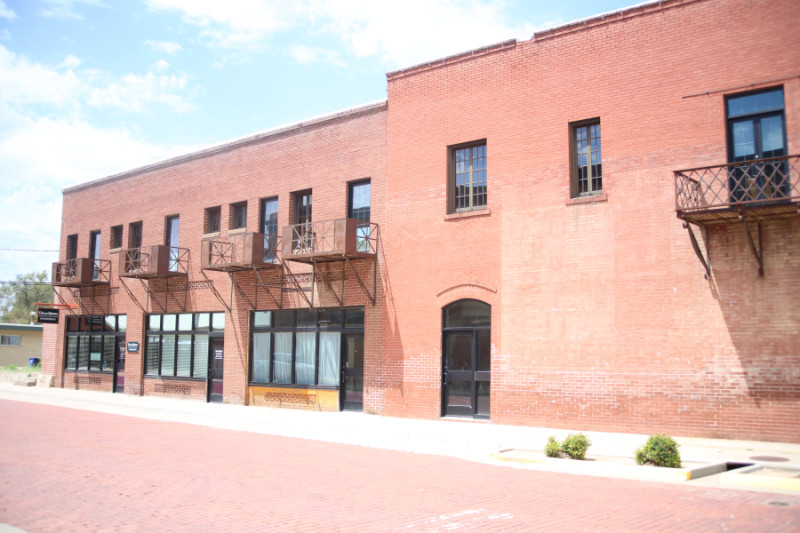
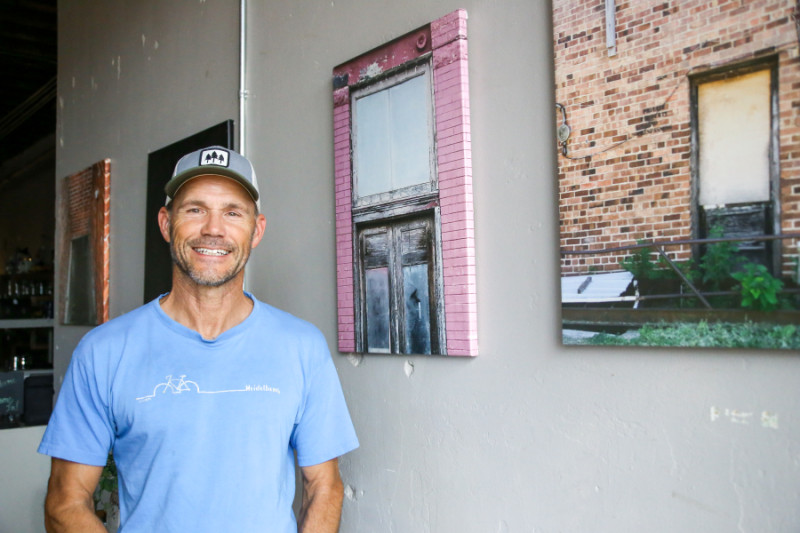
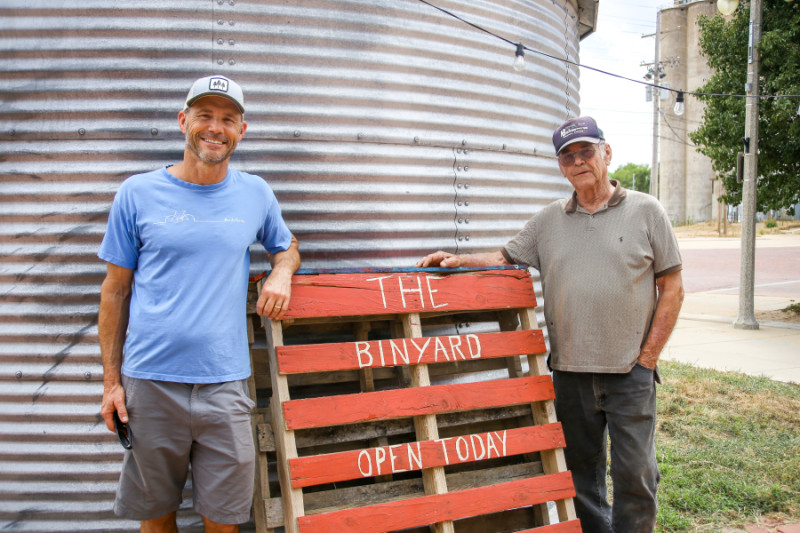
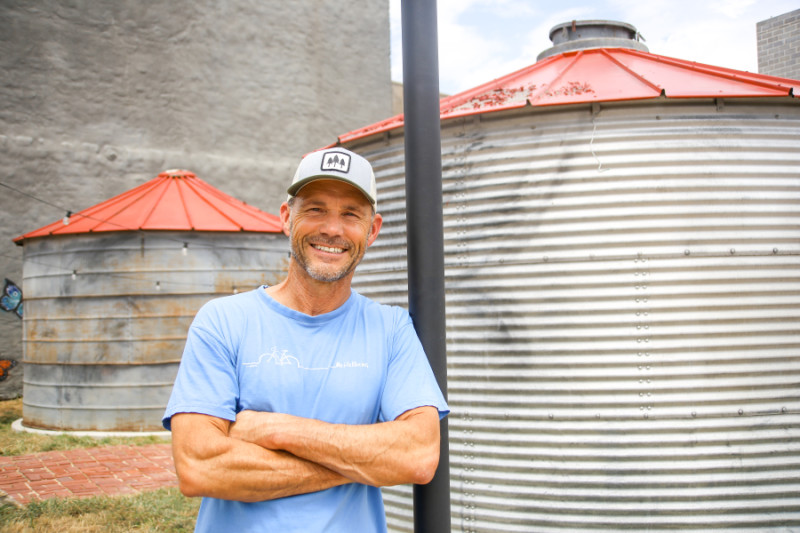
Kingman is the home of the Eagles and a population of around 3,000 people; but its downtown area is coming back to life, thanks to work of Scott Mueller and his dad, who goes by Chalk.

Mueller, who grew up in Kingman, calls himself a “place person” – making it easy for him to be proud of his roots when he moved to California for 30 years.

“I was always proud to say I was from Kansas,” Mueller says. “The history of Kingman, the classic small-town feel with community pride makes it easy to want to help it thrive.”

Kingman is indeed rich in history. A man named Donald R. “Cannonball” Green developed a stage line in 1876 that connected the railroad to towns across southwestern Kansas. Green also carried the mail from Wichita to Kingman with his trusted team of horses. A stretch of Highway 54 between Kingman and Greensburg is now known as the Cannonball Highway.

Brick by brick

When Mueller was in California, he and his wife, who is from Salina, would come back to Kansas to visit for holidays and would notice Kingman starting to go down a path many small towns in Kansas travel.

“Jobs were going elsewhere,” Mueller says. “The draw to live in a small town for all its benefits wasn’t enough. I was watching this in front of my eyes, and it was kind of depressing.”

With an interest in real estate and a love for his hometown, he noticed a building with no roof and had water coming in when it rained, its previous owner having walked away from it. Instead of seeing the dilapidation, he saw opportunity.


scott mueller art gallery in kingman


“I saw the building, and thought, ‘I can do something to help give the town a little nudge,’” Mueller says. “We carried out so many buckets of debris. We didn’t even really know what we had until we cleared everything out.”

Mueller, with his dad, fixed up the building and before it was even completed, they had it rented out. Within the building on Main Street is a financial adviser, an art gallery and a vintage store.


scott mueller binyard in kingman art gallery


Grain bins a plenty

Mueller is a person who is always moving, always thinking, always doing. That set the stage for his next adventure in real estate renovation for Main Street Kingman.

“I was riding my gravel bike in the Flint Hills, and as my wife would tell you, my brain’s always going,” he says. “I was going by all these grain bins. Since I’d bought another dilapidated building, which fell down and was an empty lot at that point, I thought, ‘What if we put grain bins in there as a pop-up flea market or farmers market or outdoor market.’”

The first person Mueller called was his dad, who used to farm and ranch and knew a lot of the area farmers in Kingman.

“I wanted to do something with my dad because he isn’t farming anymore, but is still able to help,” Mueller says. “I called my dad and told him what my idea was, and he didn’t laugh or call me crazy.”

Chalk is 86 years young, and just like his son, likes to be busy.

“The great thing about my dad and his young-at-heart spirit is how supportive he was of this idea,” Mueller says. “I told him I needed him to find me five grain bins.”

Not one for settling small, Chalk outdid himself.

“The next day, he calls me and said, ‘I have 18 grain bins. What do you want me to do with them?’” Mueller says.

“They’re everywhere!” Chalk replies.


scott mueller and his dad at the binyard in kingman


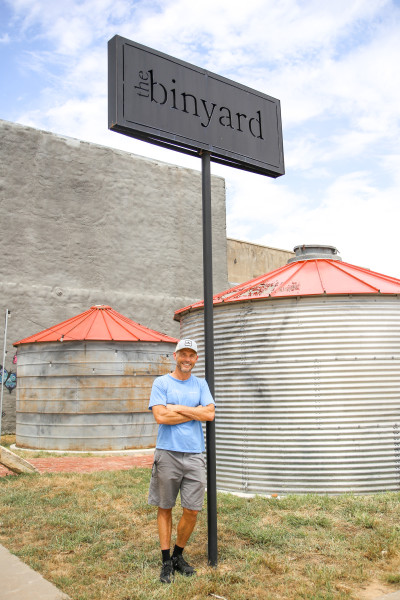
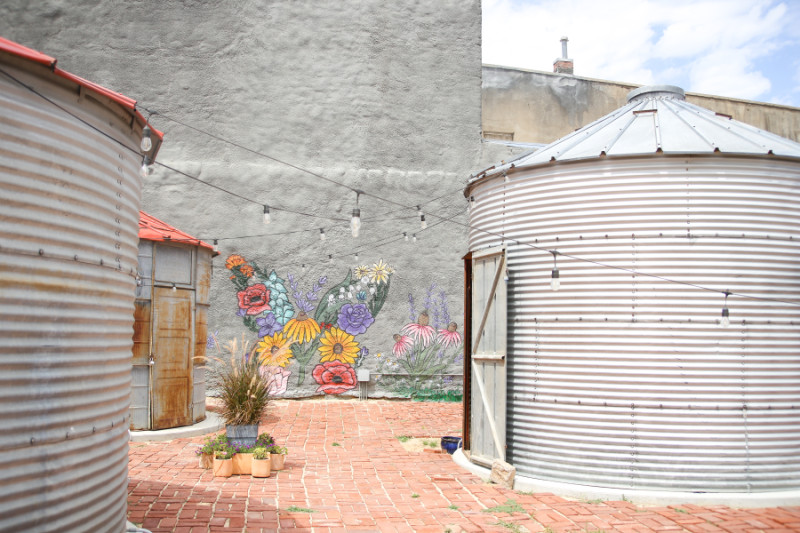
Eventually, they went with the five grain bins that were closest in proximity to Kingman’s downtown since moving them was a big task. Once the bins were placed on poured rounds of concrete for each one, the Binyard came to life.

Binyard, rhymes with vineyard

scott mueller binyard in kingman sign

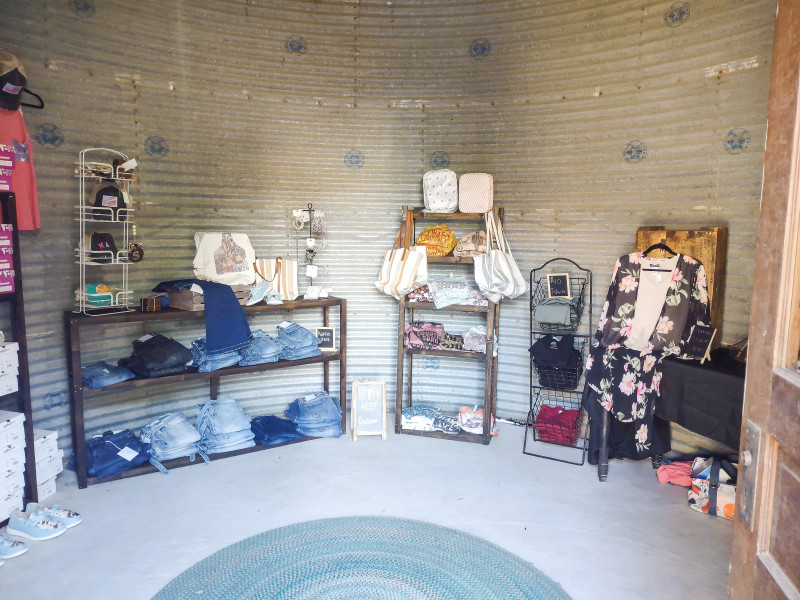
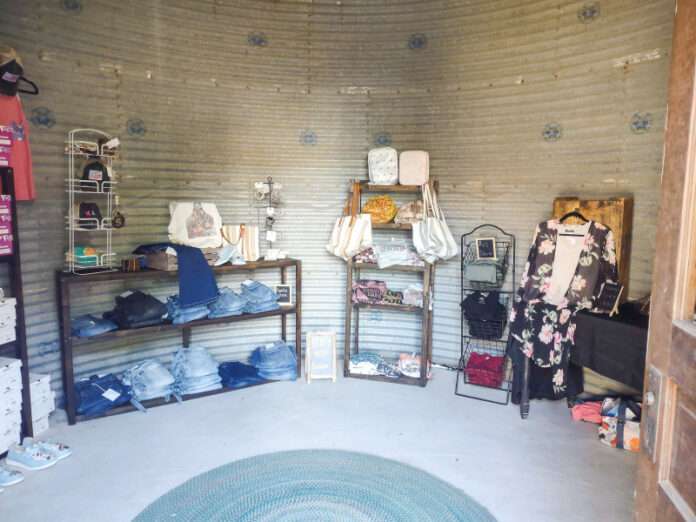
The Binyard is set up as a place for entrepreneurs, young and experienced, to sell their goods. There are often clothes, baked goods, jams, flowers and you can expect pumpkins this year.

“There’s an 11-year-old entrepreneur growing pumpkins and selling them for his college fund,” Mueller says. “He was selling out when he would sell them from him home, so he planted a few more acres. I told him he was welcome to sell them at the Binyard for free because I love what he’s doing. His mom told me I should still charge him the fee so he understands the business side of having input costs. I told his mom that’s her decision, but either way, pumpkins are going to be at the Binyard from September to Halloween.”

Reserving a bin at the Binyard costs just $20 per day for a 155-square-foot space with lights and electrical outlets. Not to mention the cool factor of it being in an old grain bin.


scott mueller binyard in kingman boutique with clothes


“It’s all online,” Mueller says. “You book a bin on the website; you pay for the bin on the website. The website, our Instagram and our Facebook will tell you what’s going to be there that day.”

Weekends are the best time to visit the Binyard – there’s a higher likelihood of entrepreneurs looking to sell. This fall, make a stop by Kingman’s Binyard – perhaps buy a pumpkin or two.


scott mueller binyard in kingman outside


For more information about the Binyard, visit www.thebinyard.com.

  • Sheridan Wimmer

    Sheridan Wimmer

    Born and raised in Kansas, Sheridan Wimmer has an appreciation for the state’s agricultural diversity. Representing the best interests of Kansas farmers and ranchers is Sheridan’s jam (or jelly, no discrimination). Great food and wine are at the top of Sheridan’s sustenance list and she knows it wouldn’t be here… Read more

Molding butter into art, creating a cow butter sculpture at the Kansas State Fair

0

Crafting one of her favorite animals out of butter does not feel like a job to Sarah Pratt, the official butter sculptor of the Kansas State Fair.

Every second year, the state fair has the sculptor form a cow, honoring where the reusable butter came from. But for Pratt, it also honors her beginnings in sculpting.

When she was a teenager, she used to visit Norma Duffield “Duffy” Lyons – the first butter sculptor at the Kansas State Fair. Pratt, who lives with her family in West Des Moines, apprenticed under Lyons, of Toledo, Iowa, for more than a decade, eventually becoming a sought-after sculptor.

Each year, Pratt, a teacher by trade, travels to the Iowa, Illinois and Kansas state fairs, often sculpting cows.

“I love it here in Kansas because kids can rub their noses up against the glass and watch,” she said. “I’m surrounded by glass on three sides.”

Pratt said at the Iowa fair, the booth is larger but one-sided. In Illinois, she is done with her sculpture before the fair starts – so no one can watch the process.

The process of butter sculpting

She usually travels with her husband and trusty cow frame, which she adjusts to fit each sculpture.

“This is the same one that I brought down my first year in 2016,” Pratt said. “Every year, we rebuild it to make it a different breed.”

Along with metal legs, the frame has a rectangular wood frame with wire mesh.

“Last year, I made it larger to fit the bison,” she said.

In addition to this year’s cow, Pratt will place a cat, a sunflower, and something to do with either bread or wheat in the 38-degree cooler. Often, Pratt likes to go with her imagination and artistic talents to add decorations.

“This is the same one that I brought down my first year in 2016,” Pratt said. “Every year, we rebuild it to make it a different breed.”

Along with metal legs, the frame has a rectangular wood frame with wire mesh.

“Last year, I made it larger to fit the bison,” she said.

In addition to this year’s cow, Pratt will place a cat, a sunflower, and something to do with either bread or wheat in the 38-degree cooler. Often, Pratt likes to go with her imagination and artistic talents to add decorations.

“Kansas is the breadbasket of the world and of the nation,” she said. “I want to do something with that.”

For Pratt, every year is both fun and challenging. Along with her husband Andy Pratt, she maneuvers 700 pounds of reusable butter into a sculpture.

“My process is always changing, evolving,” she said.

This year, Pratt decided to look for inspiration at the fair’s dairy barn and fell in love with a few Jersey calves.

“They were each about 9 months old and nuzzled together,” Pratt said. “In that heard, there was a 3 year old named Sandy she caught our eye.”

So as Pratt works on her butter sculpture, she keeps Sandy’s image in mind.

While she crafts the Jersey cow, dipping her hands into the frigid butter, Pratt listens to either podcasts about history or instrumental music. Her mentor, Lyons, enjoyed listening to classical music while she sculpted.

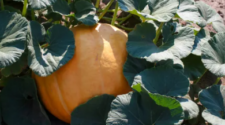
Pratt begins her sculpting the day before the fair opens, working four, 12-hour days, ending on Sunday. She loves being in the back of the Pride of Kansas building, where she can look out on prize-winning pumpkins.

“It’s a lot of work,” she said. “But it’s wonderful here.”

As reported in The Hutchinson News

Looking for a pumpkin? Here’s a few places you can get one fresh from the field in Central Kansas

0

Pumpkin patches are a staple in beloved fall outdoor activities. People travel from miles around to visit local farms and find the “perfect” pumpkin.

Whether used for food favorites, harvest-themed décor or transformed into a spooky jack-o’-lantern, pumpkins are a hallmark for a variety of traditions.

As the first day of fall approaches, local farms are preparing to open their locations. Here’s where to pick your pumpkins and enjoy family-friendly entertainment in the greater Salina area:

Sunny Side Pumpkin Patch

Known for its wide variety of pumpkins, Sunny Side Pumpkin Patch is located at 11500 South Hopkins Road, a few miles outside Assaria.

Owner and jack of all trades Grant Nurnberg said he is excited about the upcoming season. He designs the corn maze, farms the crop, cleans the facility and works to ensure happiness and satisfaction among visitors.

“We have people come from everywhere,” Nurnberg said. “I’ve think seen (license plate) tags from just about every state, and that’s so nice,”

The you-pick pumpkin patch and farm is in its 21st season of operation, offering everything from small gourds, to white pumpkins, to pumpkins surpassing 100 pounds.

Popular fall festival activities beyond the pumpkin patch include two corn mazes, a jump pad, hayrack rides, slides, peddle carts, a petting zoo, a giant slingshot that can shoot pumpkins up to 500 feet, and a plethora of games in the activity area.

Children and parents can also make use of vintage red wagons to haul pumpkins – or small children – across the farm.

Two large Belgian horses, will pull the hayrack ride this year. This attraction will be from noon to 6 p.m. on Saturday and Sunday only.

Groups can make special reservations for school trips, and special reservations are also taken for the “night maze” activity, where visitors can try to navigate the maze and pick pumpkins after sunset.

Beyond pumpkins, the farm also sells cucumbers, butternut and spaghetti squash, zucchini, watermelons and other winter squash.

Snacks and concessions are offered at the farm, too, for an additional cost.

The farm’s opening day will be October 1, but some schools will begin trips there the week before, Nurnberg said.

Hours of operation: 11 a.m. to 7:30 p.m. Daily Oct. 1 – 31

Address: 1150 South Hopkins Road, Assaira, KS 67416

Phone: 785-667-4668

Website: www.sunnysidepatch.com

Admission cost: Children 6-years-old and younger are $1 for each year of age.

Those over 6-years-old are $7 per person.

The admission cost includes all games and activities on the grounds.

P and M Pumpkin Ranch

Jamie Kaminkow works at P and W, a western-themed you-pick pumpkin patch 45 minutes north of Wichita and 45 minutes south of Salina in Moundridge.

Known for several activities beyond pumpkin picking, Kaminkow said the pig races are one thing that seems to bring people back.

“We love that families keep coming back every year to let us keep doing what we’re going,” Kaminkow said. “We’re growing the farm every season.”

That, too, is a staple at P and W – each season brings on a new attraction. This year’s new attraction hasn’t yet been announced but will be in the coming week on the farms Facebook page.

P and W also takes private reservation for school trips and welcomes them to do so in October mornings Tuesday through Thursday.

Jump pads, zip lines, obstacle courses, pedal karts, a sports barn, mini golf, and 80-foot slides are among several more activities that are geared toward whole-family involvement.

Kaminkow said P and W makes sure there are activities parents can enjoy alongside their children, which includes five different food venues all season.

More:Just a little nudge from a horse can help children thrive in therapeutic riding

The venues provide a variety of fall favorites, including caramel apples, kettle corn, loaded French fries, turkey legs, and the popular “ranch skillet.”

Sept. 17 will kick off season nine for P and W, which is gearing up for a big celebration for season 10 next year.

Hours of operation: Sept. 17 – Nov. 6 4 p.m. to 7 p.m. Tuesday through Thursday.

10 a.m. to 7 p.m. Fridays; 10 a.m. to 8 p.m. Saturdays; 10 a.m. to 7 p.m. Sundays

Closed Mondays

Address: 311 16th Avenue, Moundridge, KS, 67107

Phone: 620-345-3103

Website: www.pandmpumpkinranch.com

Admission cost: $13 per person; those 2-years-old and younger are free.

Season passes: $30 per person

Admission includes nearly all the activities at the facility.

Walter’s Pumpkin Patch

Walter’s Farm also prides itself on having “something for all ages.” Since its inception, in 1988, the farm has focused on selling pumpkins and adding something new each year to offer entertainment for the whole family.

Co-owner Becky Walters began selling pumpkins with her family in 1986, then began the farm with her first school tour in 1988.

“We have a long history of selling pumpkins and playing at the farm,” Walters said.

Now in her 70s, Walters said she is surprised each year when people keep coming back – allowing her to keep doing what she loves.

Something about it “keeps them going” she said.

The farm includes seven different themed areas which include popular harvest activities: the pumpkin patch, duck races, a scare crow maze, giant corn towers, golf, and the popular “Zombie Power Tower.”

Other popular purchasable items beyond general admission are the flashlight maze, at $10 per person, and the haunted cannery, at $20 per person.

Sept. 17 will begin the season for Walter’s farm. While Walters enjoys everything about the farm, she is especially interested in seeing the people who come back each year, she said.

“We just can’t wait to see all the smiling faces this season,” Walters said.

Hours of operation: Sept. 17 – Oct. 30 Closed Monday and Tuesday

10 a.m. to 7 p.m. Wednesday through Saturday; 1 p.m. to 7 p.m. Sunday

Address: 10001 NW US Highway 77, Burns, KS 668

Website: www.waltersfarm.com

Phone: 316-320-4150

Admission cost: September and October: Wednesday through Friday: $13; Wednesday afternoons from 3-7 p.m. is $10

September: Saturday and Sunday $15

October: Saturday and Sunday $20 (Weekends come with more attractions that are open)

Children 2-years-old and younger are free.

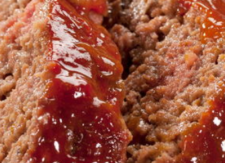
Down Home Meatloaf

0

Serves: 6

Cooking Time: 50 minutes

What You’ll Need:
  • 1 1/2 pound ground beef
  • 3/4 cup plain dry bread crumbs (see Note)
  • 1 cup milk
  • 2 eggs
  • 1 small onion, finely chopped
  • 1/8 teaspoon rubbed sage
  • 1 teaspoon salt
  • 1/8 teaspoon black pepper
  • 1/4 cup ketchup
  • 3 tablespoon light brown sugar
  • 1 teaspoon dry mustard
  • 1/4 teaspoon ground nutmeg

What To Do:

  1. Preheat oven to 350 degrees F. Coat a 9- x 5-inch loaf pan with cooking spray.
  2. In a large bowl, combine ground beef, bread crumbs, milk, eggs, onion, sage, salt, and pepper; mix well. Place in loaf pan.
  3. In a small bowl, combine remaining ingredients and spread over top of meat mixture.
  4. Bake 55 to 60 minutes or until no pink remains. Allow to stand 10 minutes, then slice and serve.

Notes:

  • This is a soft meatloaf, so if you like yours a bit firmer, use 1 cup bread crumbs instead of 3/4 cup.